What you need to know:
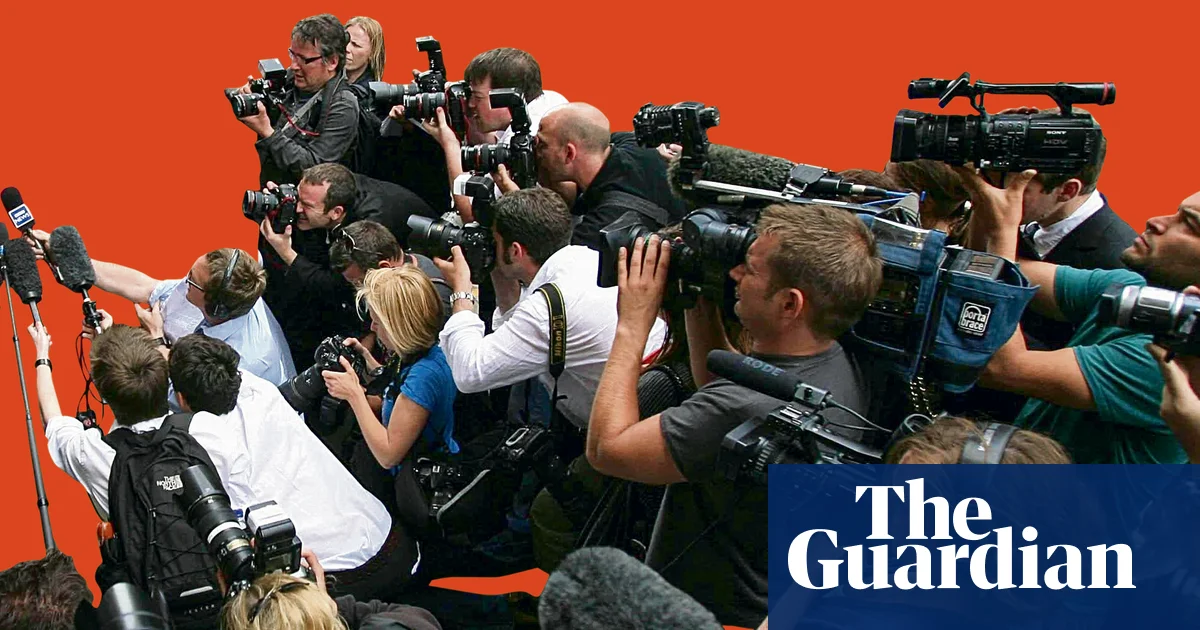
Few professions have undergone as much scrutiny in recent years as journalism. Once regarded as one of society’s most respected callings, the profession is now facing an identity crisis. Across newsrooms, universities, regulatory bodies, social media platforms, and public forums, one question continues to spark passionate debate: Who is really a journalist?
It is a question that appears simple but carries profound implications for the future of the profession.
Not long ago, the answer was relatively straightforward. A journalist was someone employed by a newspaper, radio station, television network, or recognised news organisation. They were trained in the principles of reporting, guided by editorial standards, and accountable to both their employers and the public.
Today, that definition has become increasingly blurred. A smartphone can broadcast breaking news to millions before a television crew reaches the scene. A blogger can influence public opinion more effectively than a daily newspaper. Publishing has been democratised. Journalism has not. This distinction is where the debate must begin. There is a growing tendency to equate content creation with journalism simply because both involve sharing information. That assumption is not only inaccurate; it is dangerous.