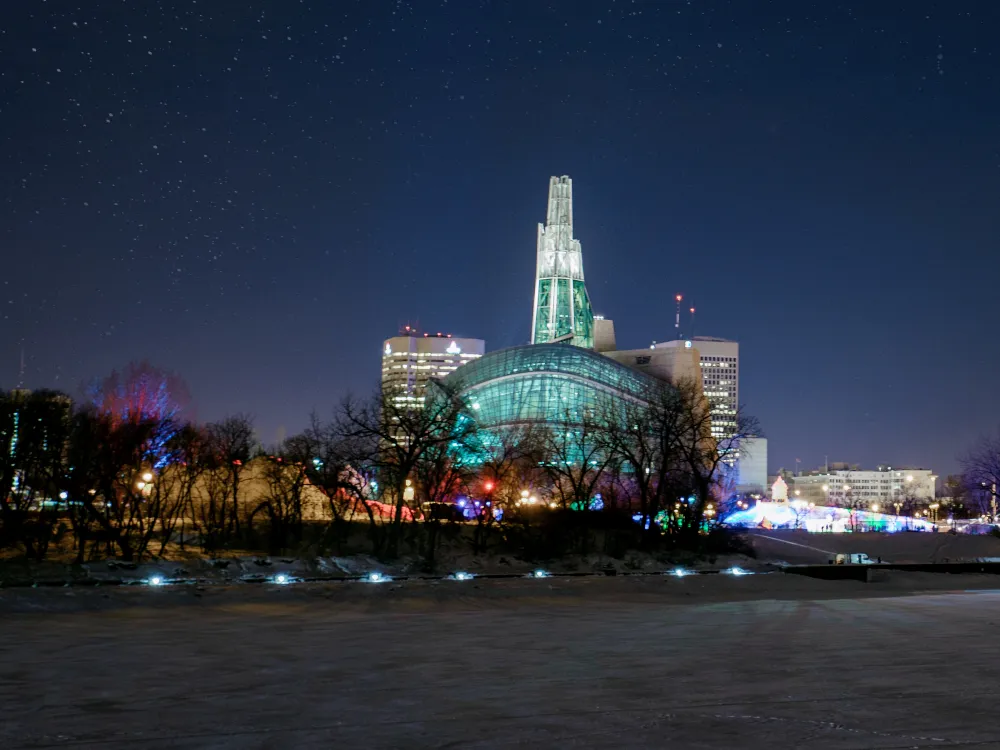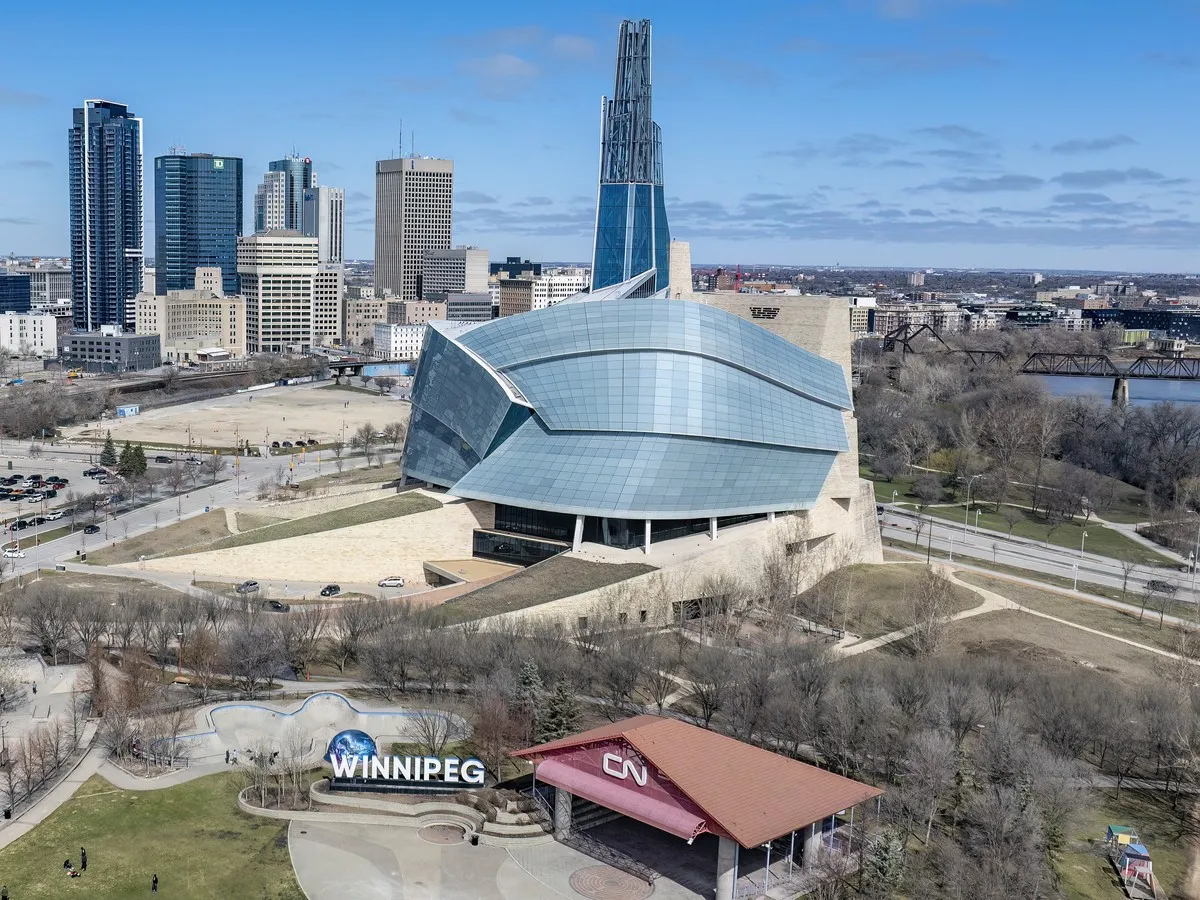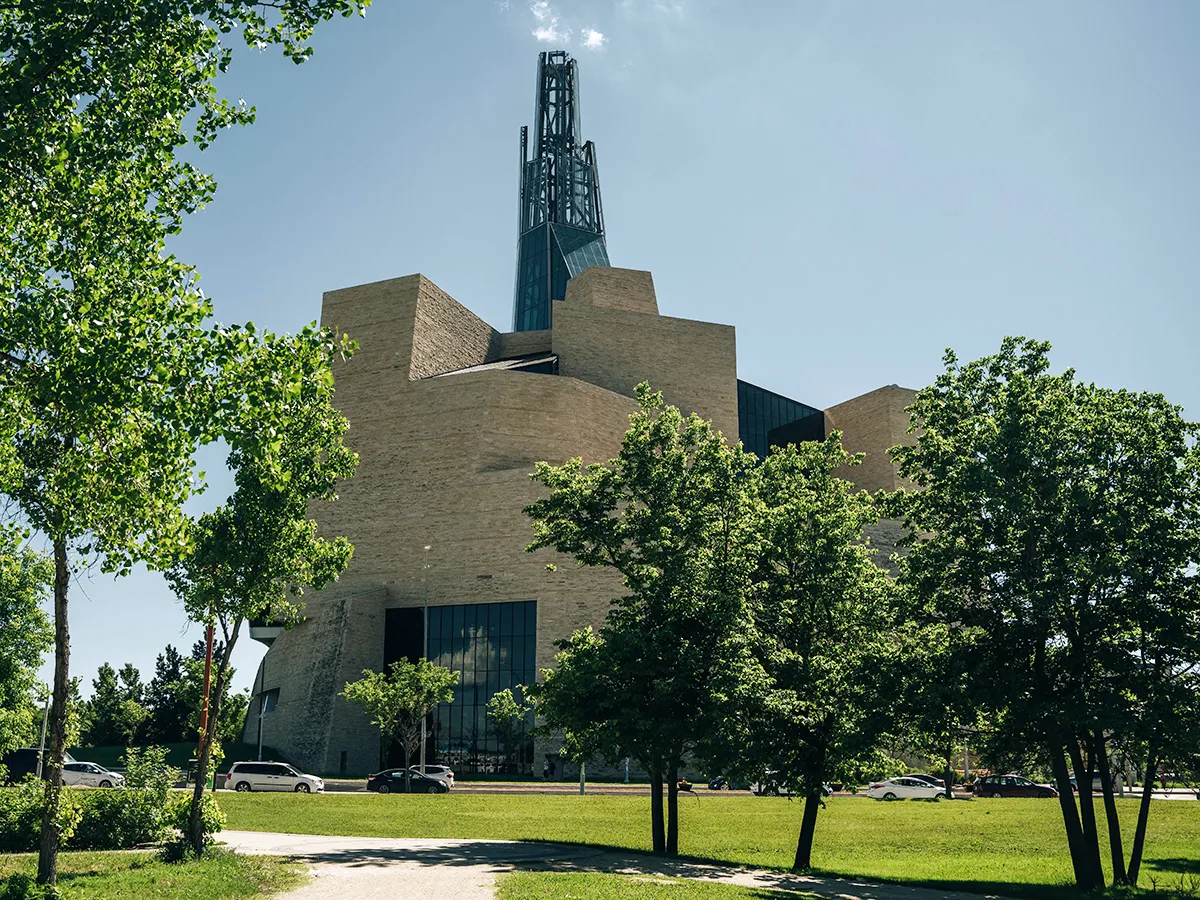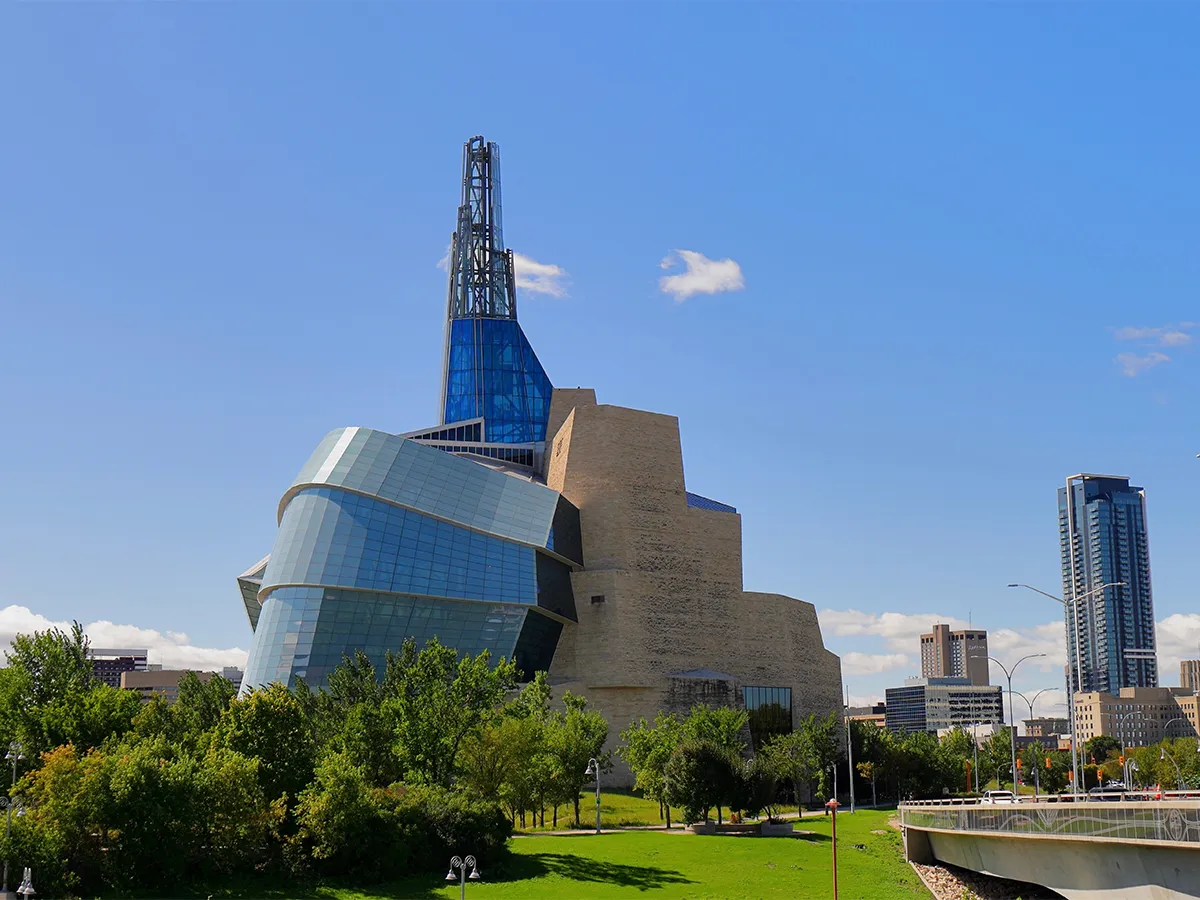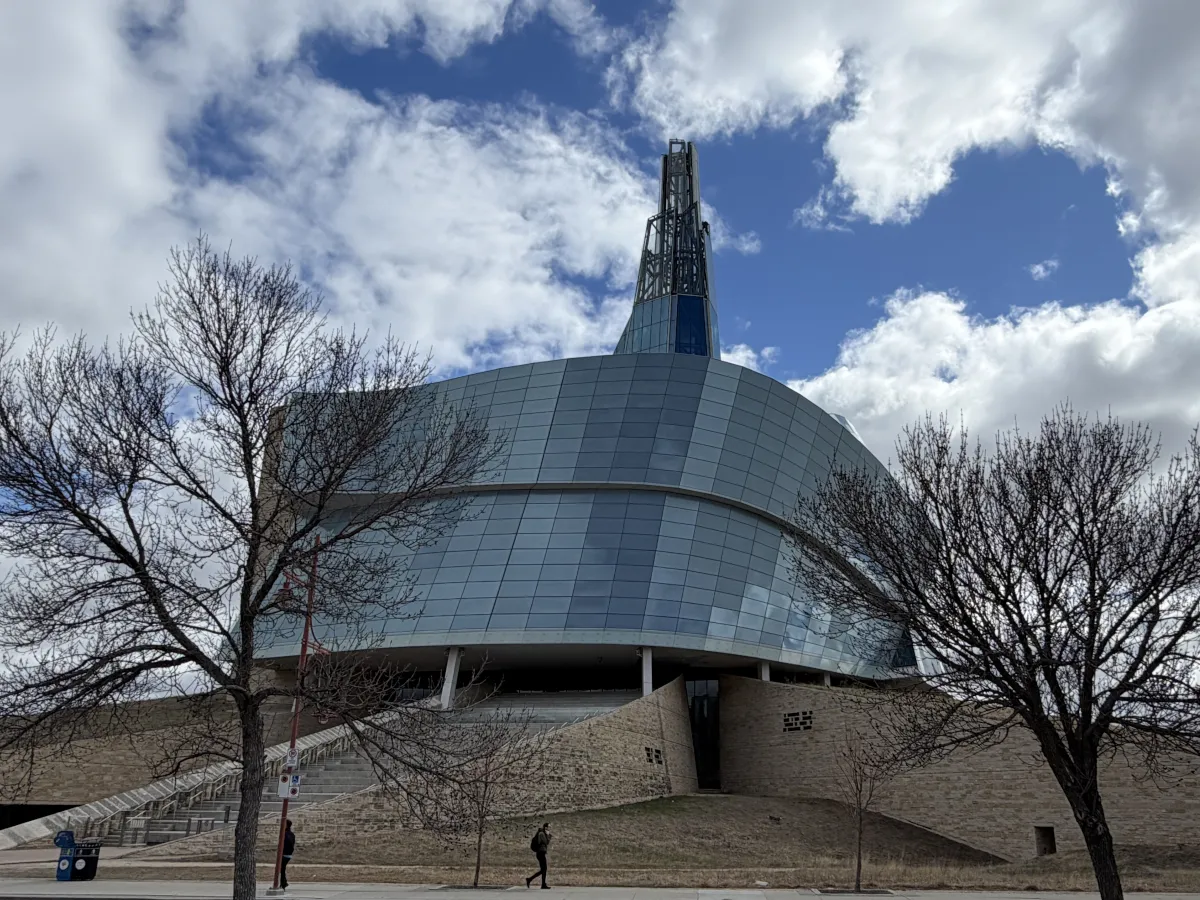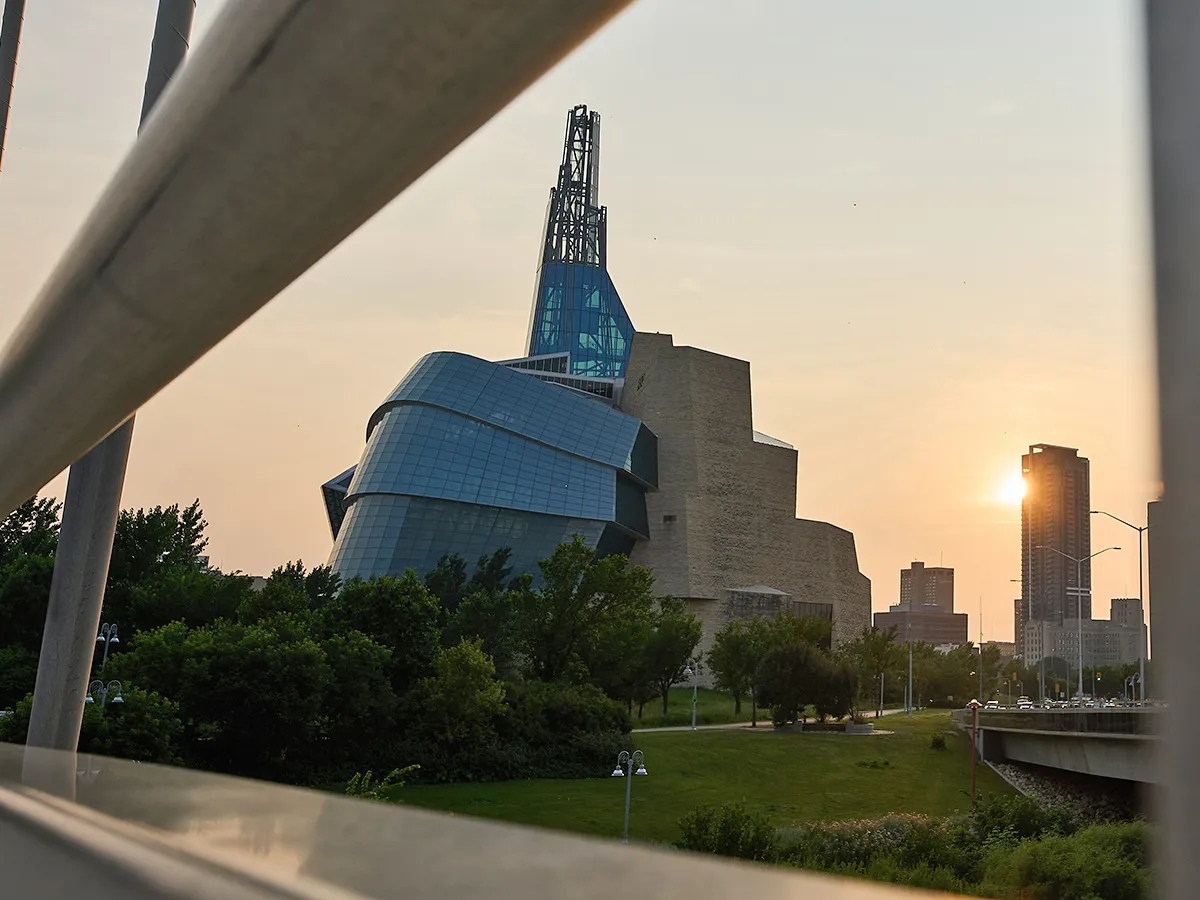
Skip to Content Subscribe Our Offers My Account Manage My Subscriptions FAQ Newsletters Canada Canadian True Crime Canadian Politics Health World Israel & Middle East Financial Post NP Comment Longreads Puzzmo Diversions Comics NP News Quiz New York Times Crossword Horoscopes Life Eating & Drinking Style Sponsored Play for Ontario Travel Travel Canada Travel USA Travel International Cruises Travel Essentials Culture Books Celebrity Movies Music Theatre Television Business Essentials Advice Lives Told Tails Told Shopping Buy Canadian Home Living Outdoor Living Kitchen & Dining Tech Style & Beauty Personal Care Entertainment & Hobbies Gift Guide Travel Guide Amazon Prime Day Deals Savings National Post Store More Sports Hockey Baseball Basketball Football Soccer Golf Tennis Driving Vehicle Research Reviews News Gear Guide Obituaries Place an Obituary Place an In Memoriam Classifieds Place an Ad Celebrations Working Business Ads Archives Healthing Epaper Manage Print Subscription Profile Settings My Subscriptions Saved Articles My Offers Newsletters Customer Service FAQ Newsletters Canada World Financial Post NP Comment Longreads Puzzmo Diversions Life Shopping Epaper Manage Print Subscription HomeNP CommentDavid Bercuson: Human rights museum can still admit Nakba exhibit distorts historyWhen the Canadian War Museum faced similar controversy, it engaged experts and corrected its mistakesLast updated 15 hours ago You can save this article by registering for free here. Or sign-in if you have an account.The Canadian Museum of Human Rights in Winnipeg. Twelve years after its launch, the museum now finds itself embroiled in the very sort of prolonged controversy it has long avoided. Photo by David Lipnowski for PostmediaThe Canadian Human Rights Museum in Winnipeg has been under much scrutiny since the opening of its “Nakba” exhibit on June 27. (The “Nakba” is the controversial term used by Israel detractors to assert that the exodus of 700,000 Arabs from Israel in the 1947-1948 war was a war crime).Enjoy the latest local, national and international news.Exclusive articles by Conrad Black, Barbara Kay and others. Plus, special edition NP Platformed and First Reading newsletters and virtual events.Unlimited online access to National Post.National Post ePaper, an electronic replica of the print edition to view on any device, share and comment on.Daily puzzles including the New York Times Crossword.Support local journalism.Enjoy the latest local, national and international news.Exclusive articles by Conrad Black, Barbara Kay and others. Plus, special edition NP Platformed and First Reading newsletters and virtual events.Unlimited online access to National Post.National Post ePaper, an electronic replica of the print edition to view on any device, share and comment on.Daily puzzles including the New York Times Crossword.Support local journalism.Create an account or sign in to continue with your reading experience.Access articles from across Canada with one account.Share your thoughts and join the conversation in the comments.Enjoy additional articles per month.Get email updates from your favourite authors.Create an account or sign in to continue with your reading experience.Access articles from across Canada with one accountShare your thoughts and join the conversation in the commentsEnjoy additional articles per monthGet email updates from your favourite authorsSign In or Create an AccountorOne way of looking at the actions of the museum is to contrast it with the actions of the Canadian War Museum in the early 2000s when faced with a controversy of its own. Both museums report to Parliament through the minister responsible for Canadian Identity and Culture, both are Crown corporations. The war museum controversy ended with contrition and correction, in sharp contrast to the attitude of the human rights museum to criticism it is now facing.In the case of the Canadian War Museum, a large exhibit displaying the story of the Allied bombing of Germany in the Second World War contained a wall display that asserted — correctly — that the Commonwealth Air Forces (including the Royal Canadian Air Force) — “area bombing campaign” was and is controversial from both a moral and strategic point of view — which was and is true. But the wording of the wall display also gave the impression that the bombing campaign did not really have much impact on the war until its very late stages.The National Post newsletter that doesn’t hold back, giving readers the unvarnished truth on media, politics and culture.By signing up, you consent to receive the above newsletter from Postmedia Network Inc.A welcome email is on its way. If you don't see it, please check your junk folder.The next issue of Right? will soon be in your inbox.We encountered an issue signing you up. Please try againThe human rights museum controversy arises out of the fact that the museum has stood fast behind its exhibit although there are major discrepancies between what the museum claims happened and what a raft of experts assert happened. For example, the Nakba exhibit contains not a word about the 800,000 Jews expelled from Arab countries in North Africa and the Middle East. The museum claims that the story of the Jewish refugees in the period 1948-1955 is told elsewhere in the building. But those viewing the Nakba exhibit would be hard pressed to know that unless they visited the entire museum and looked at all the exhibits. Something that few museum goers would normally do.The museum refuses to name the consultants who contributed to the exhibit. Its supporters claim that the government, which owns and funds the museum, should have nothing to say about the exhibits that are put on by it, even though Culture Minister Marc Miller, who visited the exhibit at the time of its opening, criticized aspects of the exhibit, specifically that it should have identified Hamas as a terrorist organization and that it should have “more clearly” described the nature of the Hamas attack on Israel of October 7, 2023. But the exhibit stands as it did on the day it was opened.That was not the case with the bomber command display at the Canadian War Museum. After considerable uproar by veterans of the Second World War — there were still many thousands still alive at that time — who claimed they were being smeared as carrying out a murderous and immoral campaign that had little impact on the war, the museum engaged several well known Canadian military historians to examine the wall and give their impressions of the veracity of the wording.The consensus was that the bombing campaign had a significant impact on the Allied victory — a reflection of work done by many British, Canadian and American military historians. Most works today claim not that air bombing won the war, or was even the main reason for the Allied victory, but that it contributed significantly to the defeat of Nazi Germany.The end result of this controversy was that in late 2007, the offending panel was replaced by a panel with a longer text which declared that the bombing campaign had been a major component of the Allied victory, that there had been a large Canadian contribution to the campaign, but also acknowledged that the campaign was still controversial.Now, the human rights museum effectively claims that it got everything correct the first time and will not budge whereas in the earlier case, the museum acknowledged its error and corrected it.The Nakba exhibit is a totally one-sided depiction of the removal — some by panicked human beings fleeing a war they were not prepared for and others who were deliberately forced from their homes by Jewish/Israeli forces — which did not take place at one blow. Israeli historians Benny Morris and Tom Segev showed that in their well documented books about the refugees. But Morris and Segev were not invited to consult. Why not?Because to do so would have been to admit that the Nakba as presented by the Canadian Museum of Human Rights is actually a propaganda weapon to beat Israel over the head.David Bercuson is a senior fellow with the Aristotle Foundation for Public Policy and Director Emeritus of the Centre for Military, Security and Strategic Studies at the University of Calgary. He is co-author of the new Aristotle Foundation report, “The Nakba: The Consequences of a War.” He was one of the historians consulted by the Canadian War Museum regarding the Bomber Command display. Join the Conversation This website uses cookies to personalize your content (including ads), and allows us to analyze our traffic. Read more about cookies here. By continuing to use our site, you agree to our Terms of Use and Privacy Policy.
David Bercuson: Human rights museum can still admit Nakba exhibit distorts history
When the Canadian War Museum faced similar controversy, it engaged experts and corrected its mistakes
1,389 words~6 min read