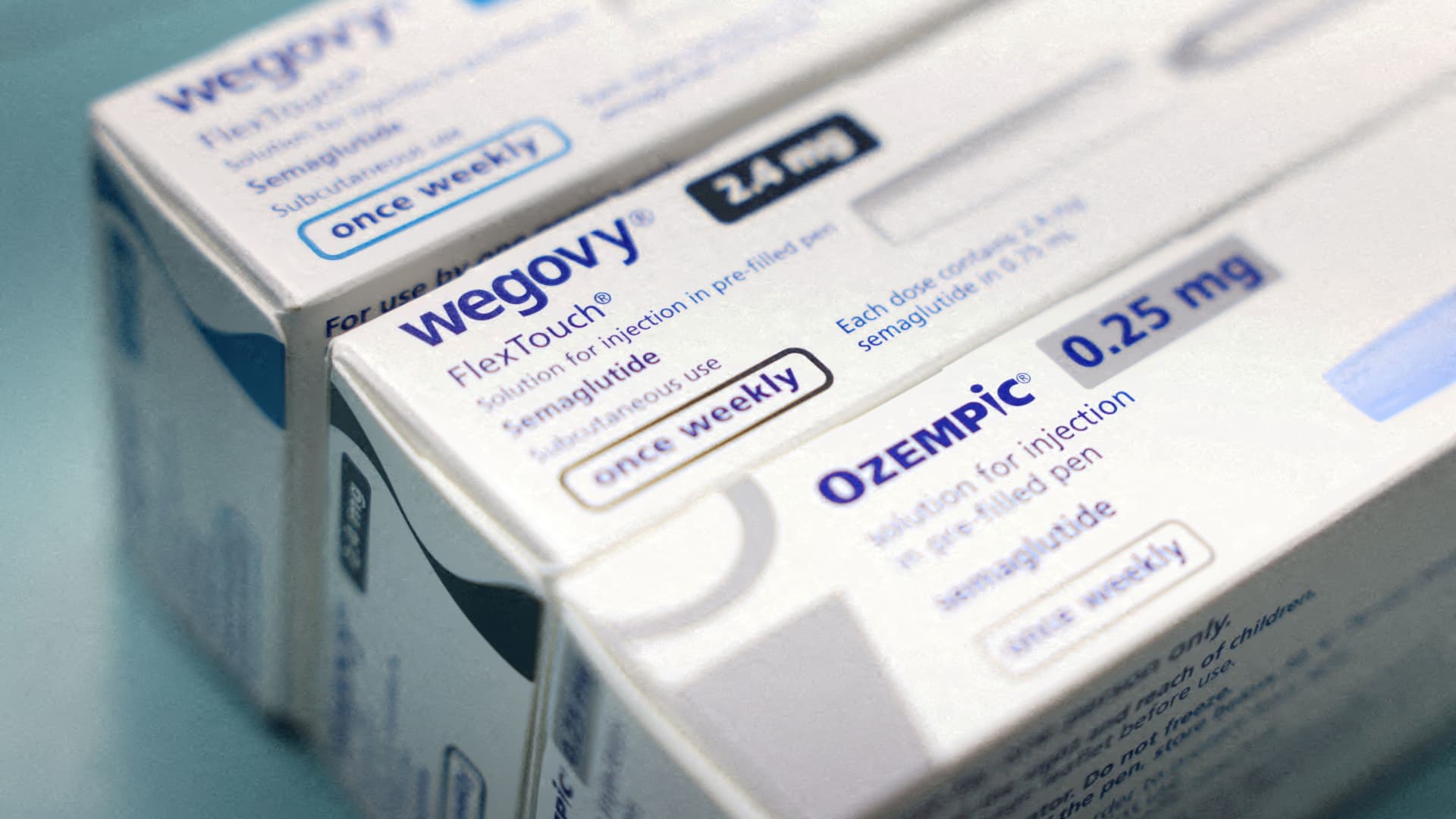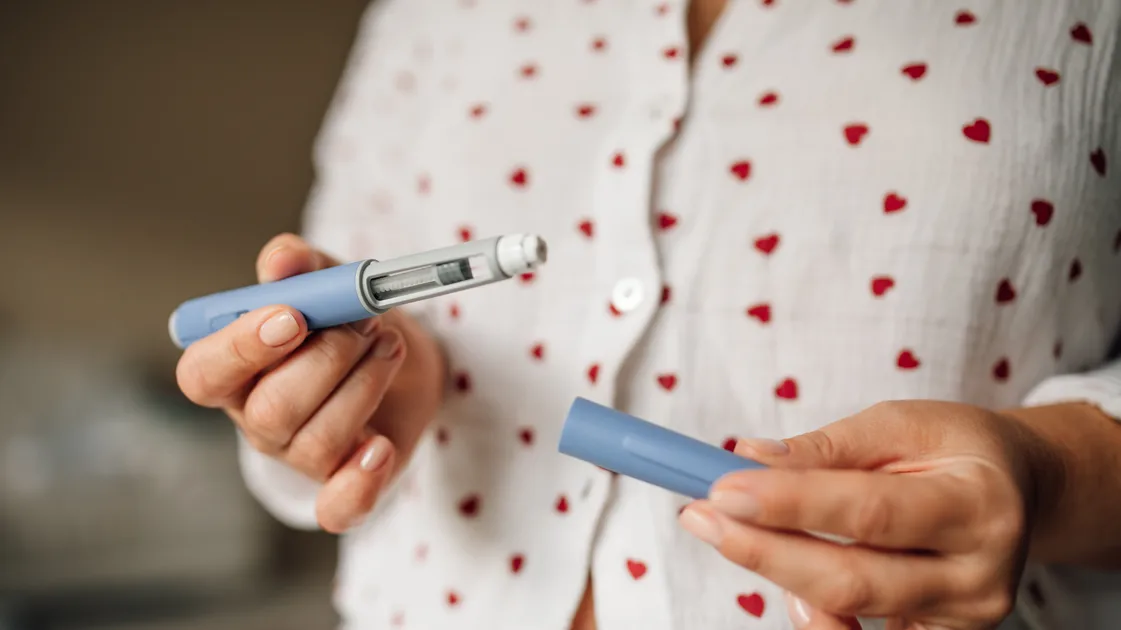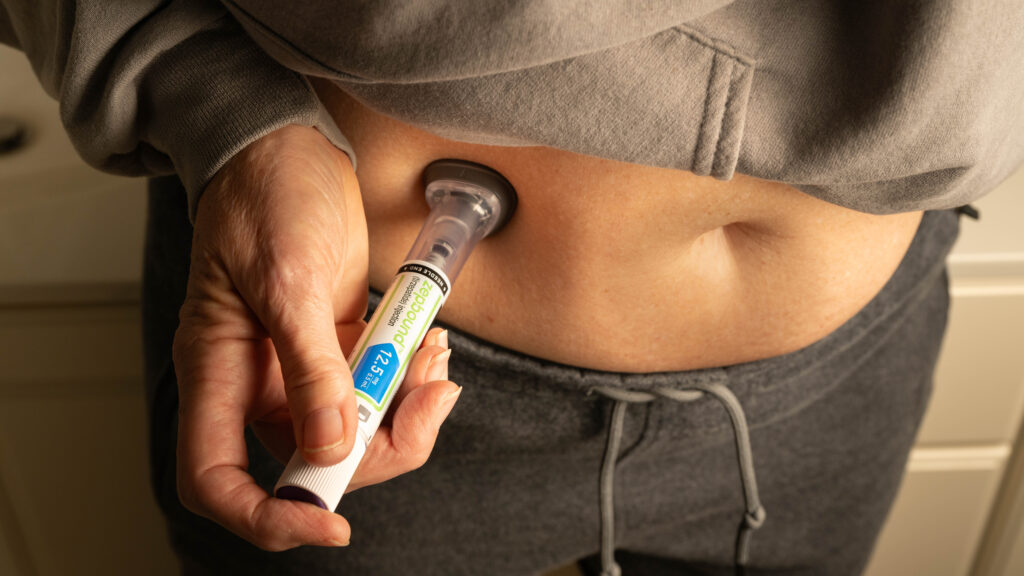
There’s something the tens of millions of Americans who are currently on GLP-1 medications, or thinking of starting them, need to know.
When patients rapidly lose weight, they also tend to lose muscle mass and bone density, which can increase their risk of fractures and long-term mobility issues. That’s why it’s so important for patients taking GLP-1s to work with their doctors — and pair the medicines with exercise and strength training.
GLP-1s work by mimicking glucagon-like peptide-1, a hormone in the body that regulates blood sugar, appetite, and digestion. Essentially, the drugs make patients feel full longer, which reduces food intake and predictably leads to weight loss. Patients can lose 5%-20% or more of their body weight within a year of therapy, and also see significant improvements in their cardiovascular health.
But when people shed those pounds, they also tend to lose muscle and bone. About 25% of the total weight loss tends to come from a decline in musculoskeletal mass.
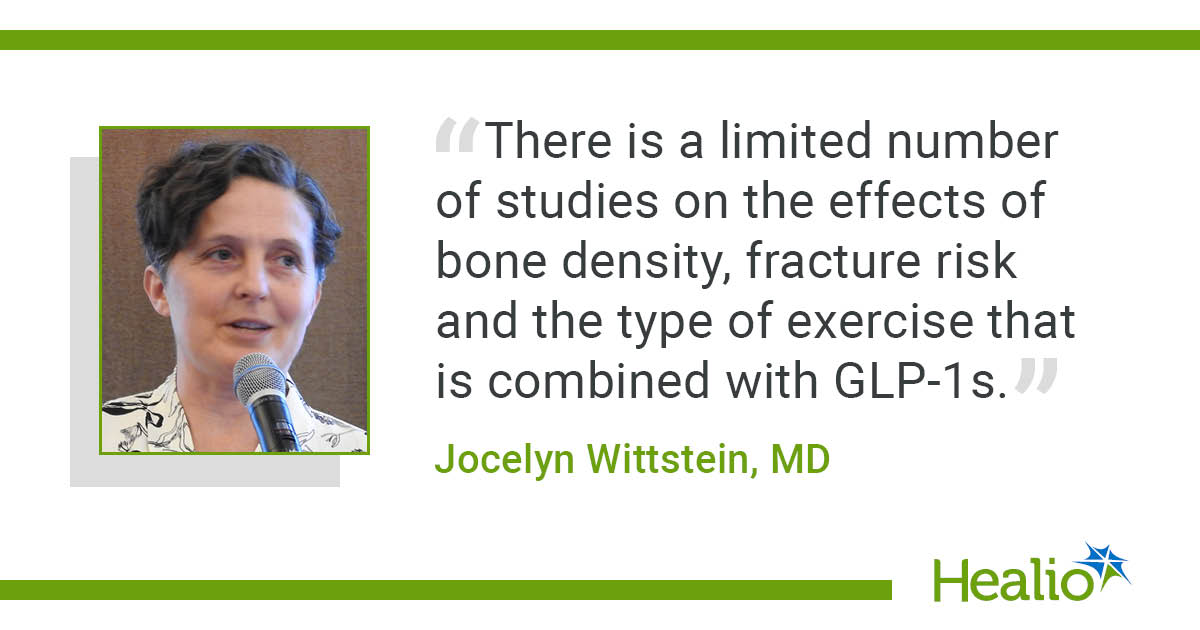
That, in turn, may increase the risk of fractures, especially in older adults. While data on fractures among individuals using GLP-1s is still limited, one study found that older adults with type 2 diabetes using GLP-1s had an 11% increased risk of fractures.