Microdosing GLP-1s for cosmetic weight loss: Patients are asking me about it, TV and online ads are promoting it, friends are speculating about who’s doing it.
But as someone who prescribes only legitimate GLP-1 therapies to people with obesity and weight-related metabolic diseases, I need to say this: Microdosing GLP-1s is not a thing. There are no legitimate long-term data to support it. In fact, there isn’t even a single definition of microdosing for weight loss or any other condition.
To explain, we have to start in the weeds.
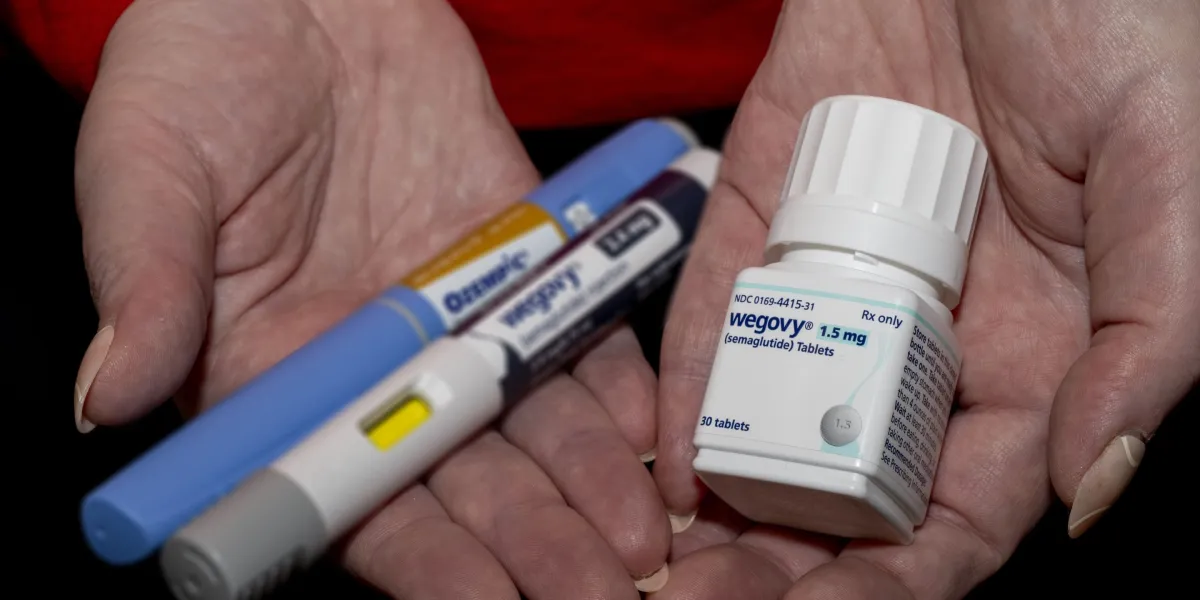
For weight loss, name-brand semaglutide (Wegovy) comes in six FDA-approved doses for weekly injection (0.25, 0.5, 1, 1.7, 2.4, and 7.2 mg) and four FDA-approved oral doses for daily ingestion (1.5, 4, 9, and 25 mg). Tirzepatide (Zepbound) comes in six FDA-approved doses (2.5, 5, 7.5, 10, 12.5, and 15 mg) for weekly injection. These are the only doses that have been studied rigorously for safety and efficacy. They all raise GLP-1 to pharmacologic levels that are far above what our bodies make.
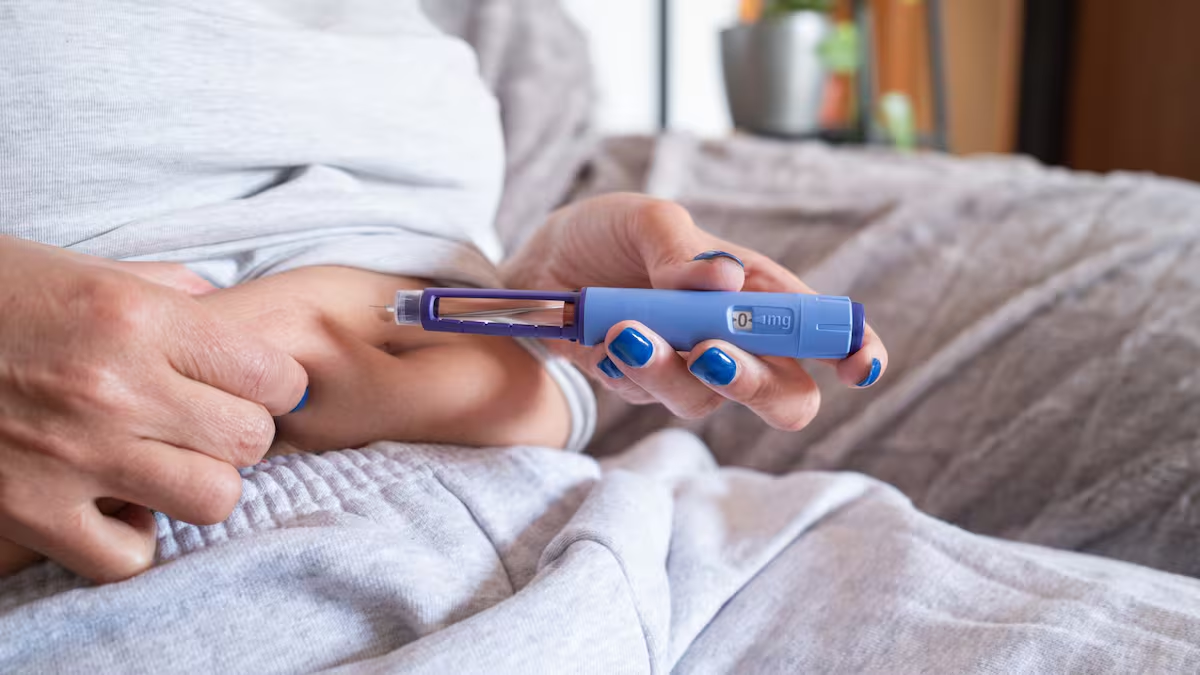
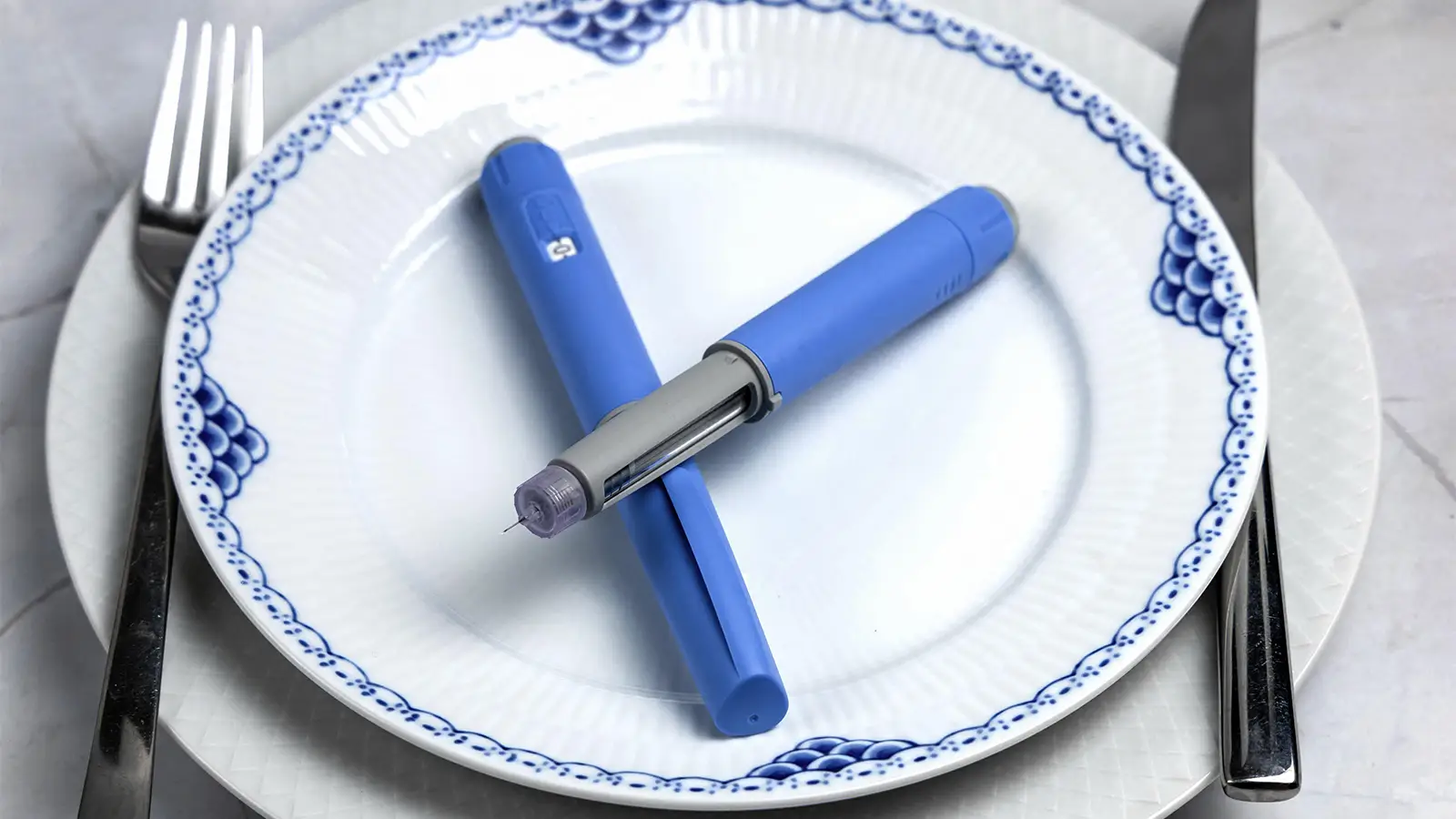
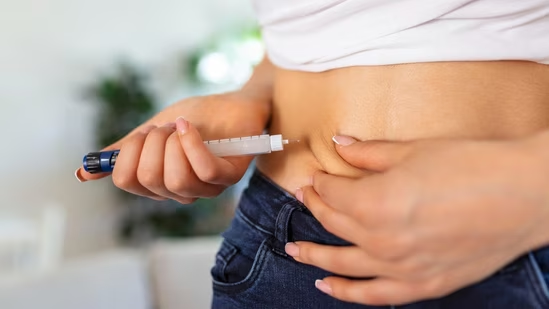
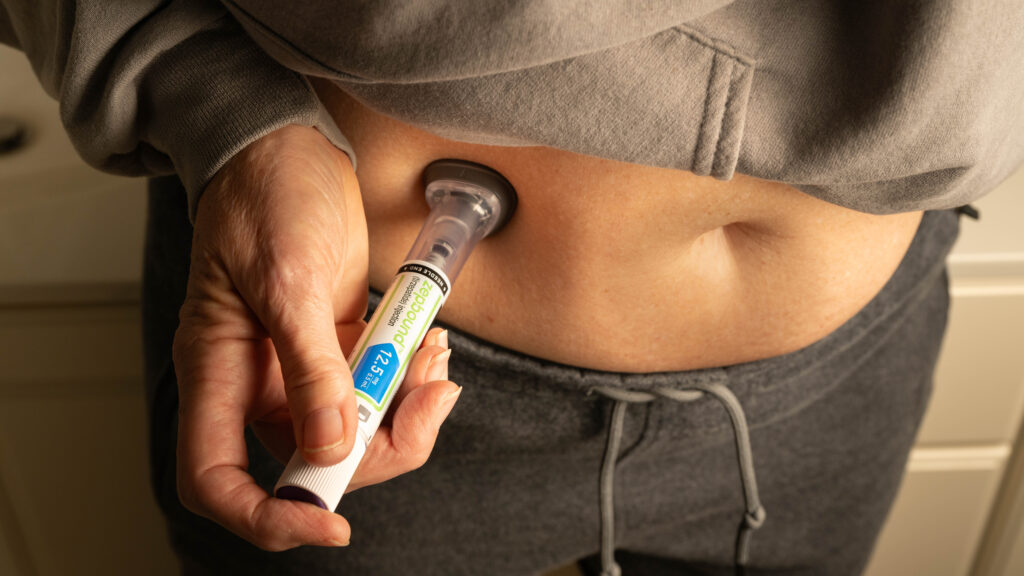
Wegovy injections are done with a single-use auto injector, while Zepbound is available as a single-use auto injector, in a single-use vial that is administered via syringe, or in a new device called a KwikPen that can deliver several doses before it is discarded. Unlike insulin vials, Zepbound vials do not contain preservatives, so they should be punctured only once, not repeatedly, then discarded. Ozempic, which is also semaglutide, comes in a multidose pen, too.