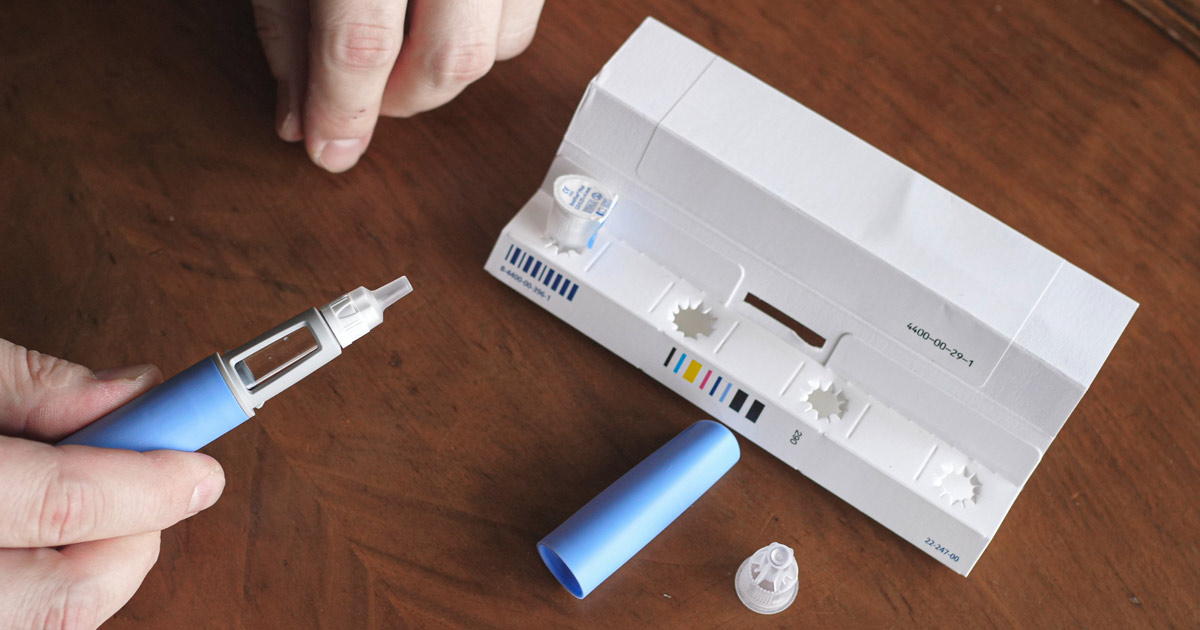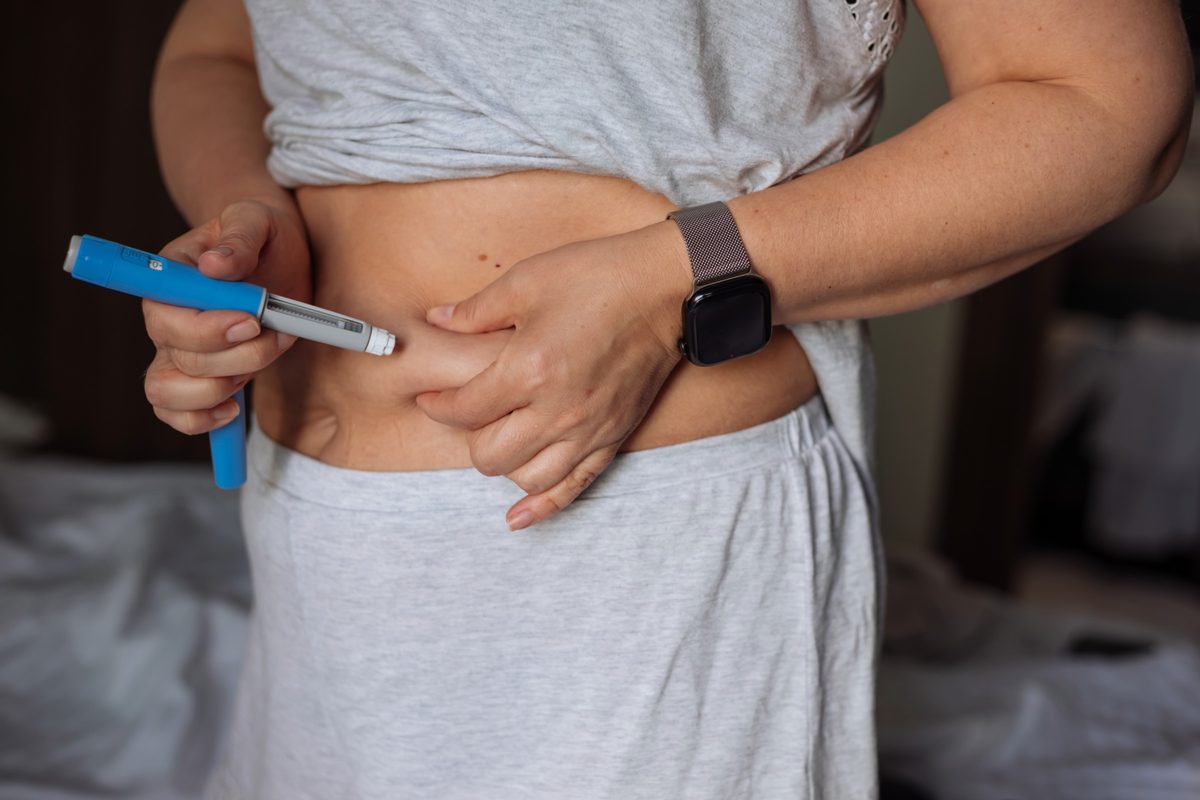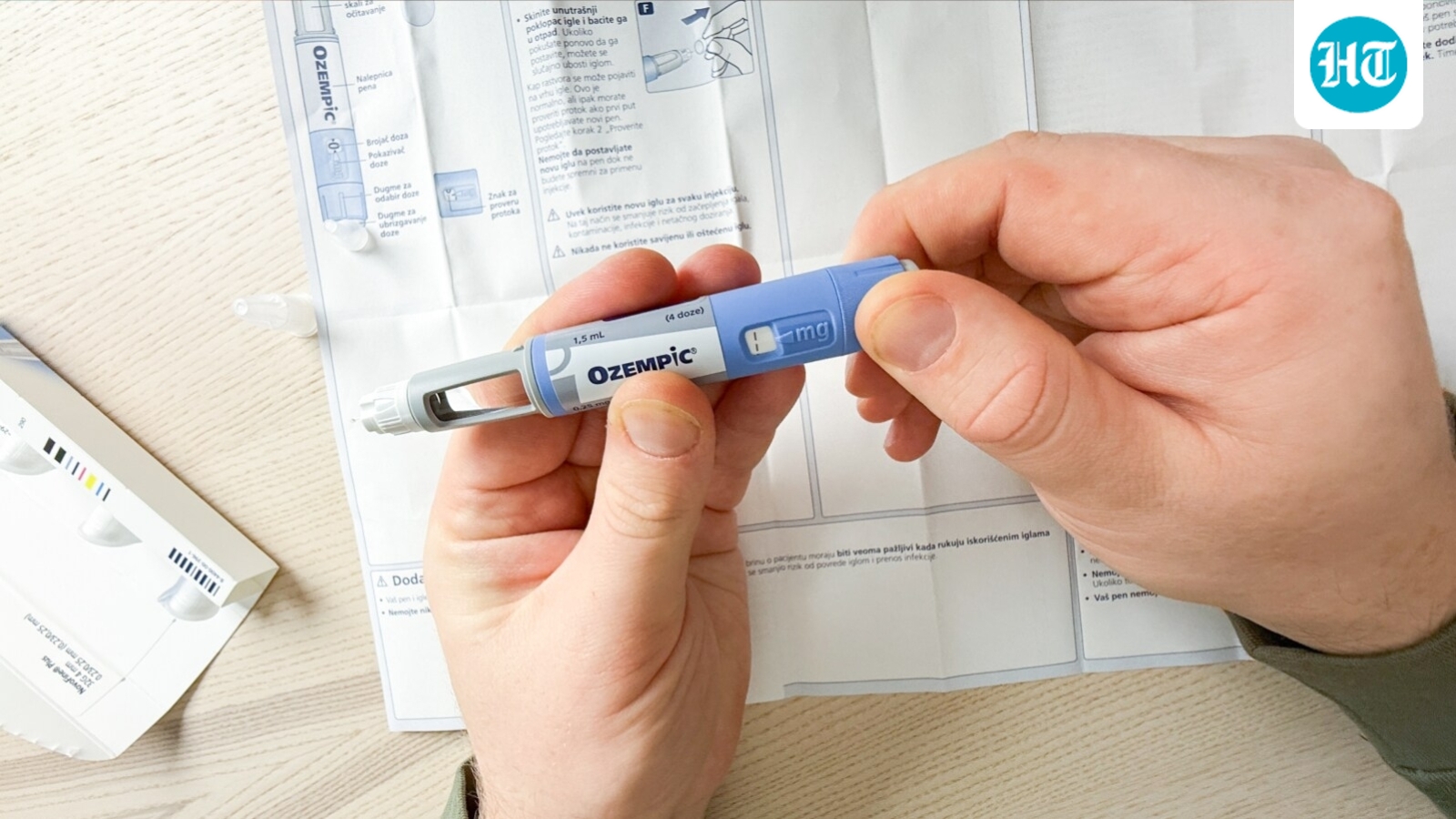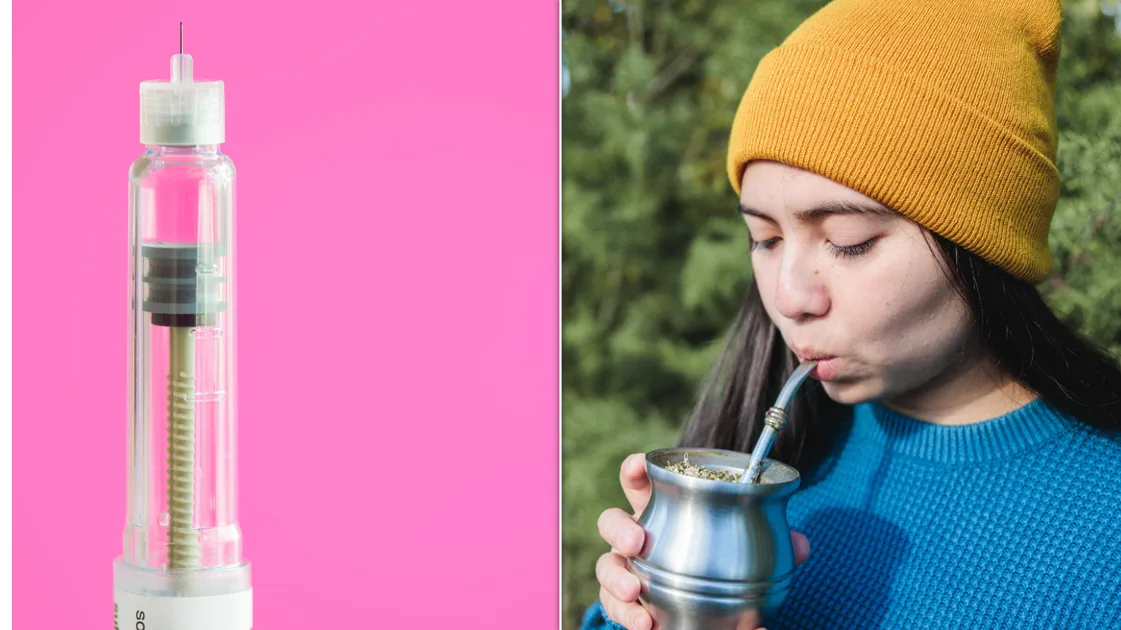
Social media is rife with influencers claiming you can shed weight without GLP-1 drugs, instead eating foods that mimic the drug’s effects. Influencers claim lemon extract, yerba mate, hemp seeds, cinnamon and many other ingredients can reproduce the effects of GLP-1 medications. Getting the results of a GLP-1 drug without doctor visits, high fees and injections sounds appealing — but is any of this legitimate?We asked some top doctors for their thoughts about whether these claims are too good to be true or the influencers are on to something. While there is some science behind these claims, what often shows up on social media is an “oversimplification,” explained Dr. David Ahn, an endocrinologist at Hoag, a health care system in Southern California. Yes, our bodies do naturally produce GLP-1.GLP-1, or glucagon-like peptide-1, is one of several gut hormones that help regulate blood sugar, appetite and digestion, Ahn explained. “GLP-1 is naturally produced in the small intestine when we eat, especially in response to nutrients like protein, fats and certain carbohydrates. This slows how quickly food leaves the stomach, and sends signals to the brain that promote fullness,” he said. GLP-1 medications, such as Ozempic, Wegovy, Zepbound and Mounjaro, are designed to mimic the GLP-1 our bodies naturally produce to stabilize blood sugar and promote weight loss, Ahn explained. GettyEven though certain foods trigger GLP-1 production naturally, the effect disappears very quickly, sometimes within minutes.However, if you think food can be a substitute for injectable GLP-1s, keep reading. Even though certain foods trigger GLP-1 production naturally, the effect disappears very quickly, sometimes within minutes. In contrast, “GLP-1 from medication lasts days to weeks,” Ahn explained. Additionally, “GLP-1 medications work differently because they are engineered to stay active much longer, which is why they have a much more powerful and sustained effect on appetite and blood sugar regulation,” he said. What you eat still influences how full you feel, but on a smaller scale. Those who want to try changing their diet instead of using GLP-1 medications may be able to replicate some of the same effects of the popular weight-loss drugs on a much smaller scale. However, Ahn cautions that no dietary change will have the same impact as GLP-1 medications. The feeling of fullness is strongly influenced by protein, fiber and healthy fats. “Protein is particularly important because it slows digestion,” Ahn explained. High-fiber foods add volume without many calories and also delay stomach emptying. Meanwhile, healthy fats promote a feeling of satiety. Crucially, meals that combine protein, fiber and healthy fats “tend to produce the most sustained fullness,” Ahn explained. Specifically, Ahn recommends eating high-protein foods such as eggs, fish, chicken, tofu, Greek yogurt and cottage cheese. Fiber-rich foods that can help stave off hunger include beans, lentils, vegetables, oats and chia seeds, as well as whole foods with minimal processing, which tend to digest more slowly and support stable blood sugar. When it comes to healthy fats, Ahn recommends eating nuts, olive oil and avocado. However, he cautions that healthy fats should be eaten in moderation because they are high in calories. Some other foods can help, as well. “Fermented foods such as yogurt, kefir, kimchi and miso support a diverse microbiome, which improves gut-brain signaling” to promote a feeling of fullness, explained Dr. Mansi Sarvaiya, an internal medicine physician at Jersey Medical Center in Jersey City, New Jersey. “Polyphenol-rich or bitter foods, including dark chocolate, green tea, leafy greens and coffee, stimulate gut sensors and metabolic pathways,” which can also help us feel full, she added. The pace at which you eat matters, too. “Slow down and chew — your gut hormones need time to respond” to naturally produced GLP-1s and other hormones related to appetite, Sarvaiya explained. Patricio Nahuelhual via Getty ImagesYerba mate is one of the foods TikTokers claim can reproduce the effects of GLP-1 medications.Can changing your diet help mute food noise?Food noise, or persistent thoughts about eating, is influenced by hunger, brain reward pathways, stress, sleep and metabolic factors, Ahn explained. Many people on GLP-1 medications report that the drugs help lower food noise so they don’t think about eating as often. As with hunger, “food choices can help reduce hunger swings, but they don’t typically eliminate food noise the way GLP-1 medications can,” Ahn said.Similarly, foods that can help control hunger can also control food noise. “A balanced meal that includes protein, fiber and healthy fat can help stabilize blood sugar and reduce rapid hunger rebounds, which may make cravings less intense,” Ahn explained. Food noise may also result from habitual or emotional eating patterns, sleep deprivation or chronic stress, which dysregulate hunger hormones like ghrelin and leptin, Sarvaiya said. Addressing these lifestyle issues may also help stop persistent thoughts about eating. Drinking more water may also help quiet food noise. “Many people interpret thirst as hunger. Drinking water before meals can help curb appetite and prevent unnecessary snacking,” said Dr. Eiriny Eskander, a double board-certified endocrinologist from Los Angeles. Should you try changing your diet before starting a GLP-1 medication? Even though no foods can truly replicate the effects of GLP-1 medications, some people may lose weight and control food noise by changing their diet. “A committed three-month trial often provides valuable insight into how successful someone can be without medication,” Eskander said. “After three months, reevaluating progress with a medical provider can help determine appropriate next steps, including whether adding a GLP-1 medication is warranted.”
These Foods Are Being Called ‘Natural GLP-1s,' But Do They Work? — Here’s What Experts Say
Certain ingredients can have an impact, but there are limitations you should know about.
905 words~4 min read