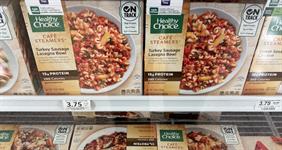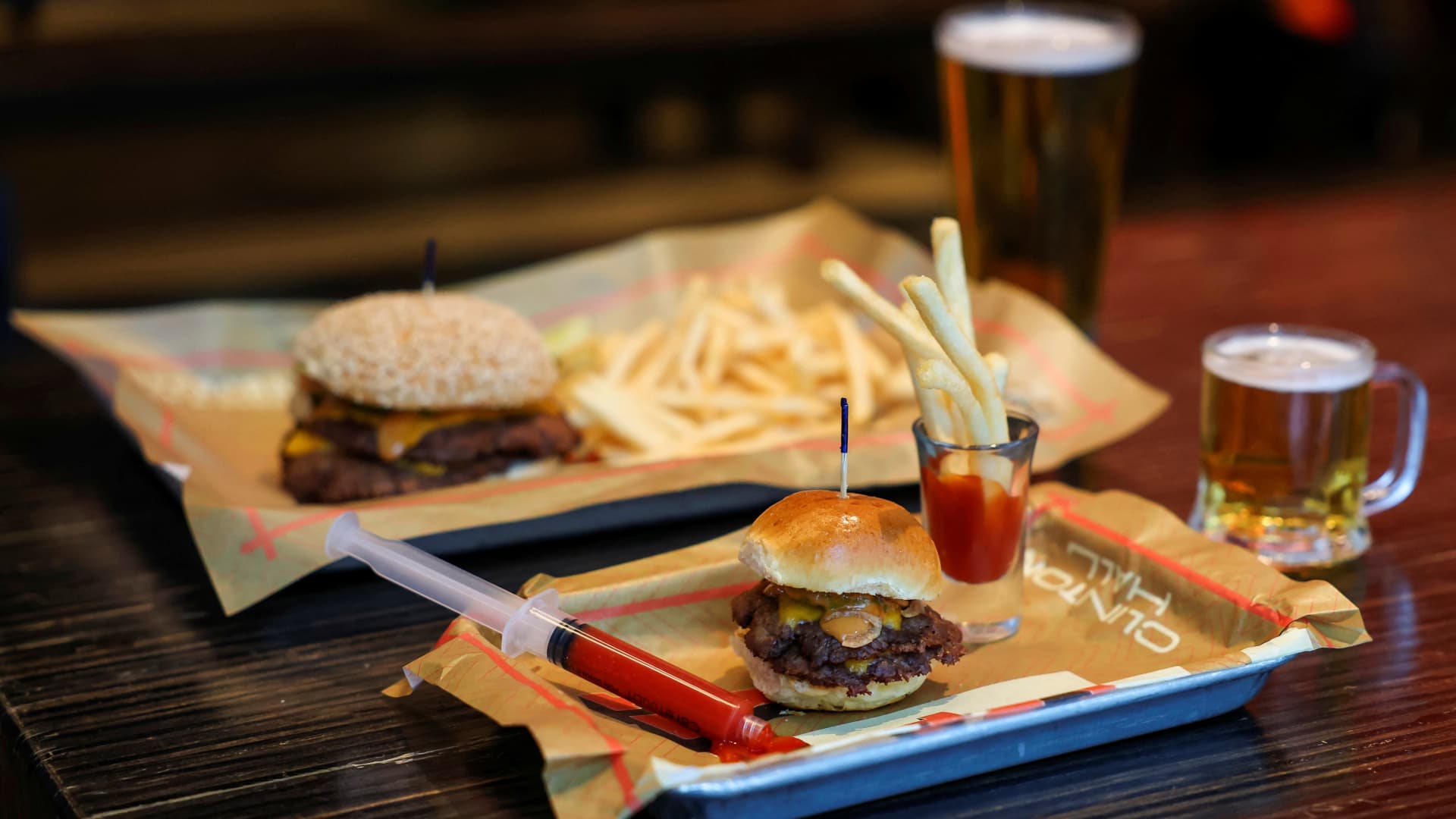
The cost of GLP-1 drugs is falling, and pill versions are hitting the U.S. market. For restaurant chains and snacking giants, higher adoption of weight loss and diabetes treatments poses a threat to their sales — or an opportunity.
GLP-1 drugs slow digestion, suppress users’ appetites and increase satiety. For many restaurants and packaged food manufacturers, those reactions will likely mean weaker sales. Adults who use GLP-1s consume 21% fewer calories and spend nearly a third less on grocery bills on average, according to KPMG. JPMorgan estimates the growing use of the medications could wipe out $30 billion to $55 billion in annual sales for the food and beverage industry as soon as 2030.
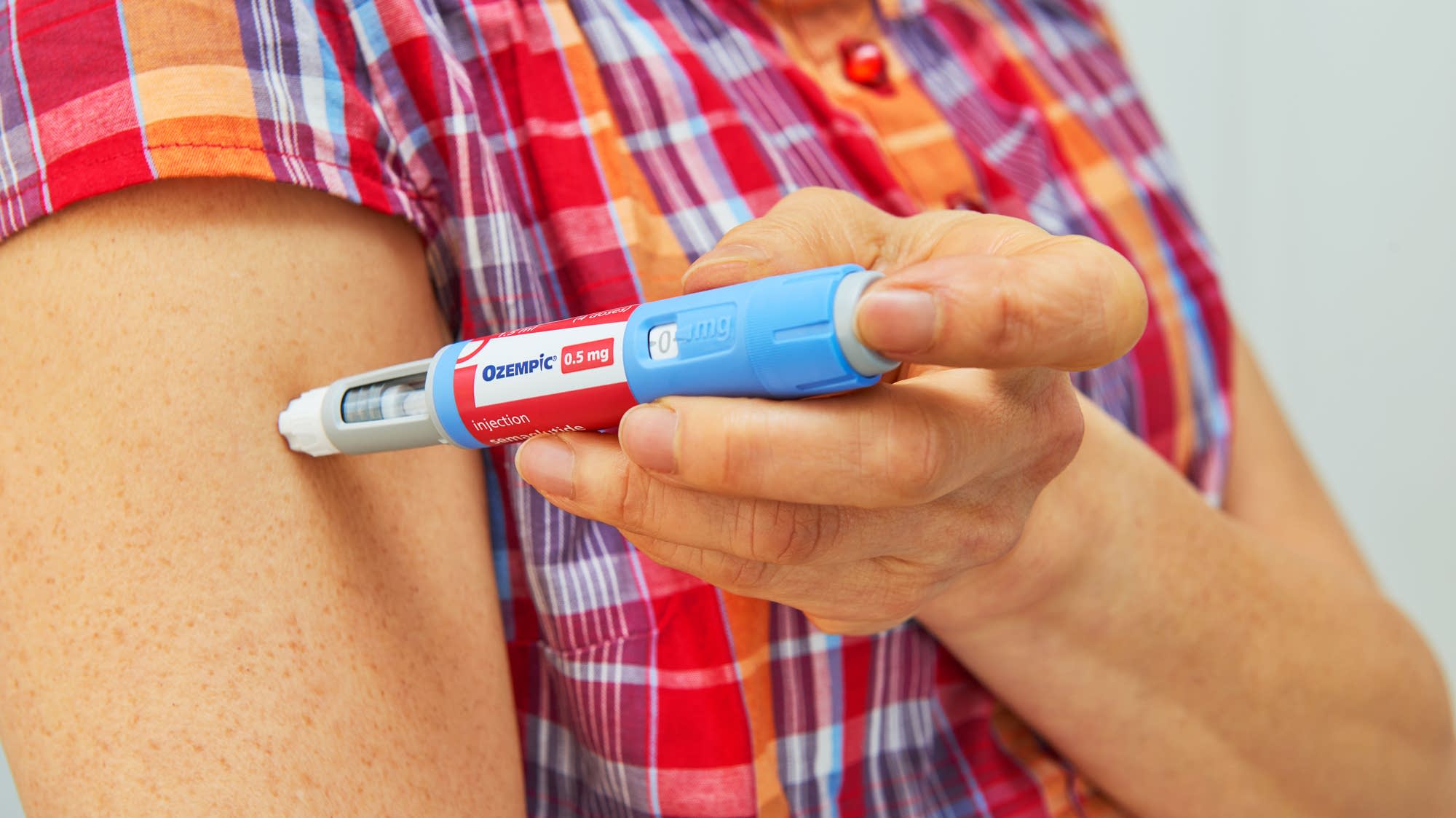
About one in every eight U.S. adults is currently taking a GLP-1 drug like Ozempic or Zepbound, according to the KFF Health Tracking Poll conducted from Oct. 27 to Nov. 2. That number doesn’t include consumers who have discontinued their use of the drugs; 18% of respondents said that they have taken a GLP-1 medication at some point.
Those numbers are expected to keep climbing, especially after Novo Nordisk
launched its Wegovy pill in January and Eli Lilly