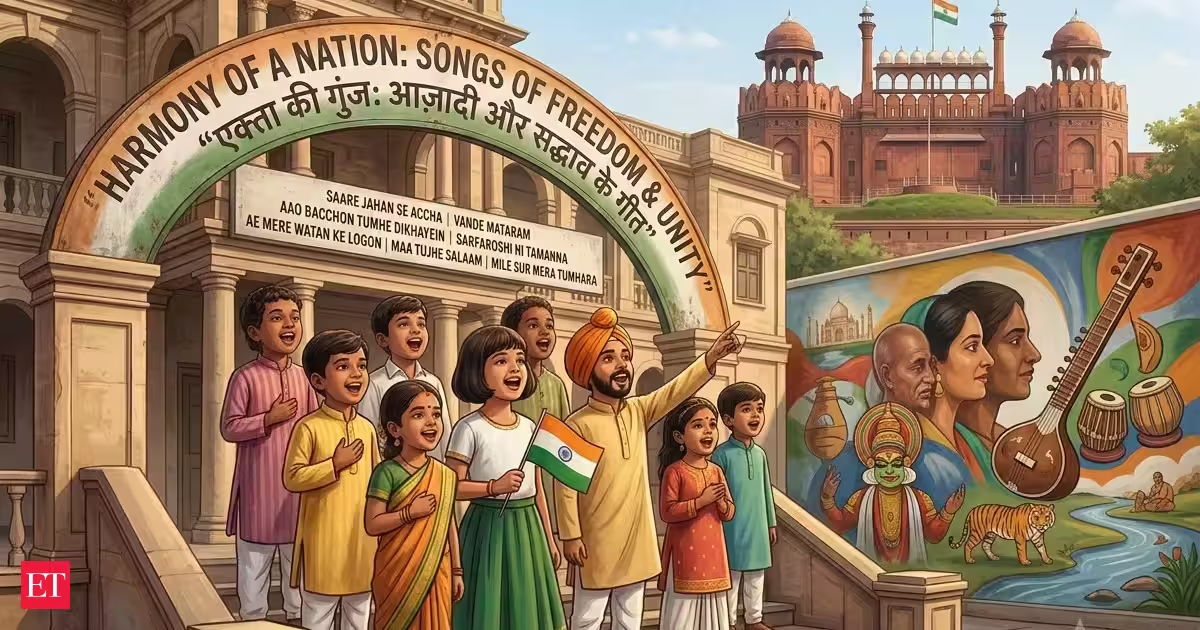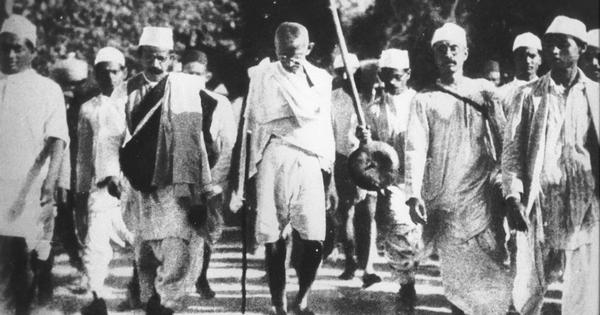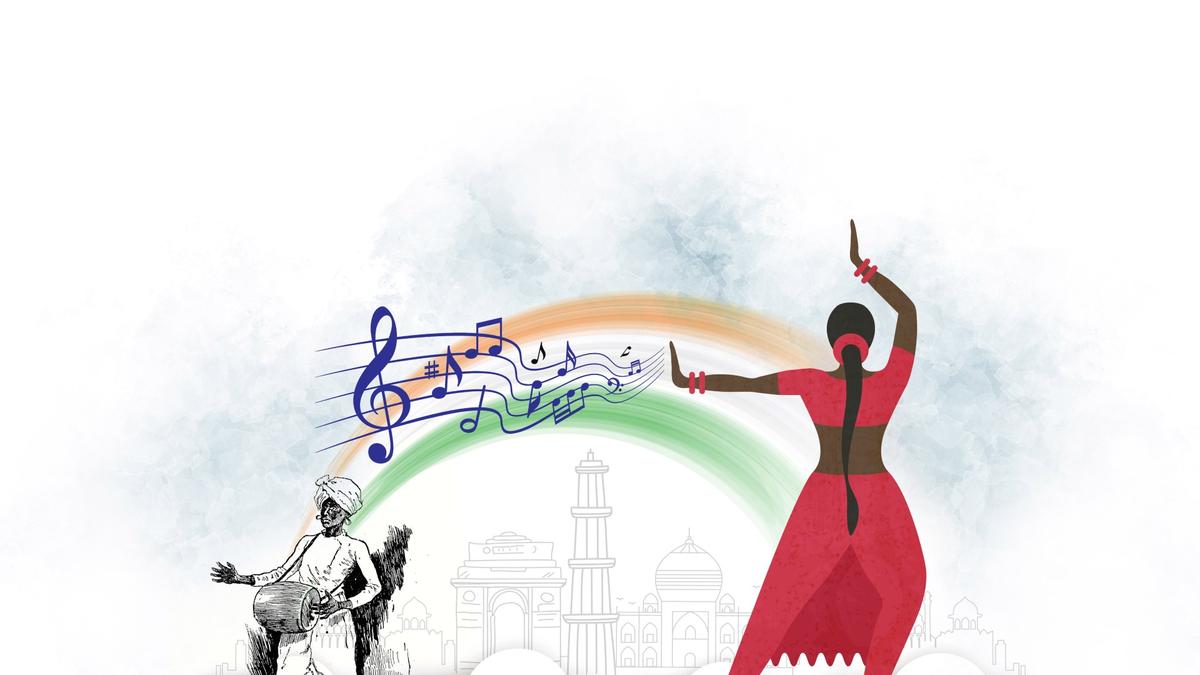
In a land as vast and diverse as pre-Independence India, and long before the telecommunication revolution, the flame of patriotism was lit by the written, spoken and sung word. Poets used their pens as weapons of resistance and inspired people to put the Nation before self. It was through these literary works that the stories of courage and sacrifice spread across the country — the songs and poems spoke about the crushing isolation of dark prison cells and the brutalities of the British.Sometime in the 1970s and 1980s, growing up in the suburbs of a tier-two city in Tamil Nadu, about 50 km from Tirupur, where the 27-year-old Kumaran, famously revered as ‘Kodi Kaatha Kumaran’, chose death over letting the flag fall, and near Coimbatore, where freedom fighter V.O. Chidambaram Pillai was imprisoned, our connect to the freedom struggle was through stories narrated by elders and the patriotic songs aired on Akashvani and Vividh Bharati.There would be a smattering of Tamil songs, and a few Hindi favourites — ‘Achamillai achamillai acham enbadhillaye’ (there is simply no fear), ‘Vande maataram enbom’ (let’s all chant Vande Mataram), ‘Vaazhga nee emmaan’ (may you live long, a song about how Mahatma Gandhi helped raise a country from the depths of despair), ‘Thaneer vitto valarthom sarvesa’ (did we water the plant called independence? No, we raised it with our tears), and the ubiquitous ‘Saare jahaan se accha’ and ‘Nanna munna rahee hoon’ (made popular by Doordarshan)
How poets and artistes kept alive the spirit of freedom
This Independence Day, get a glimpse into how literary works serve as powerful mediums for conveying patriotism, nationhood and cultural pride.
1,015 words~5 min read