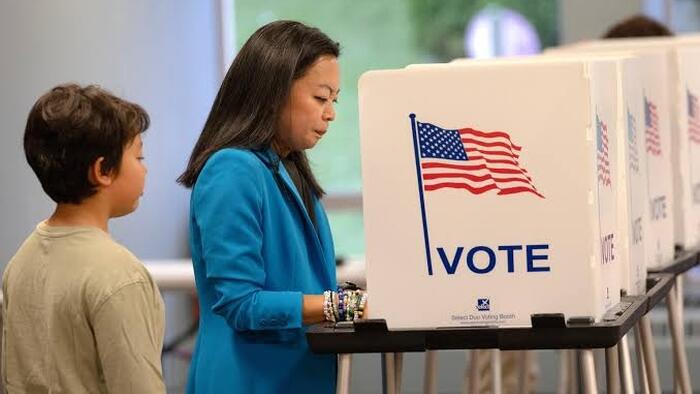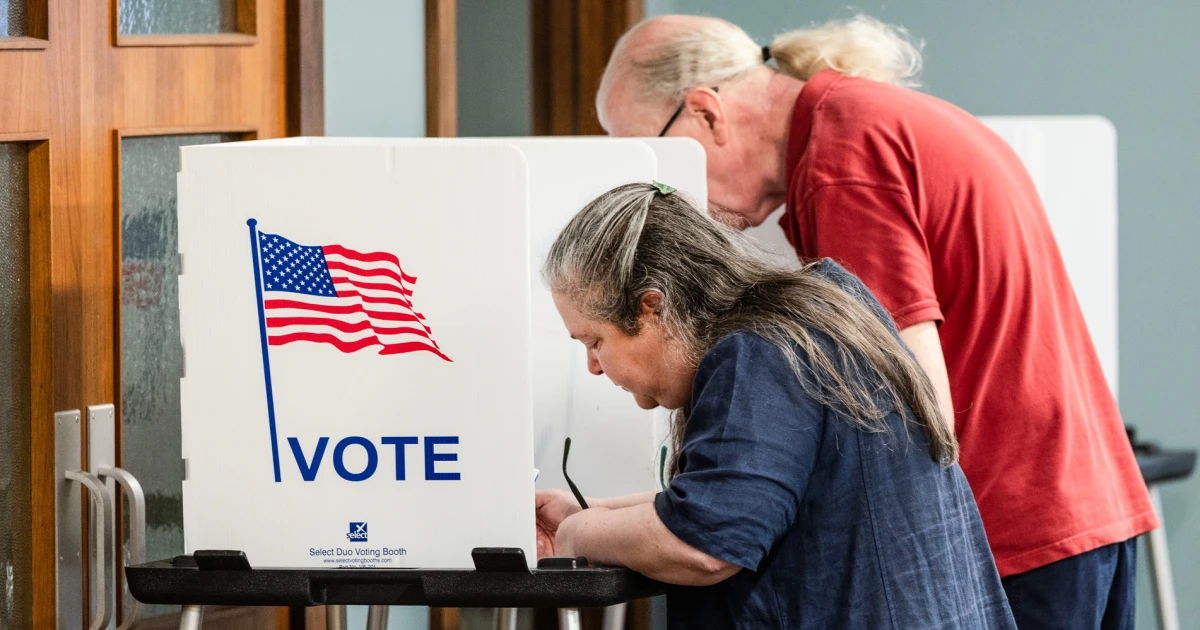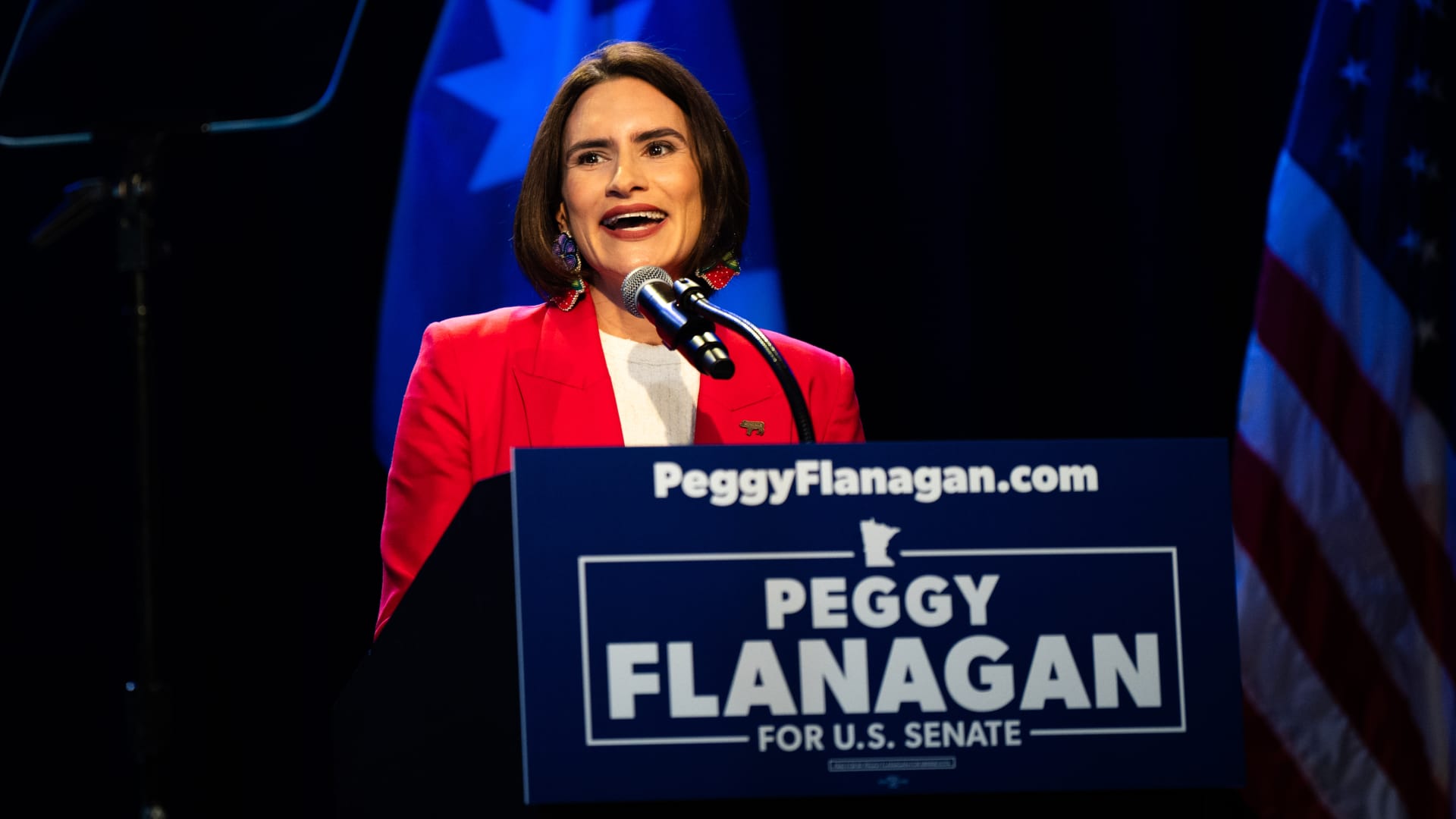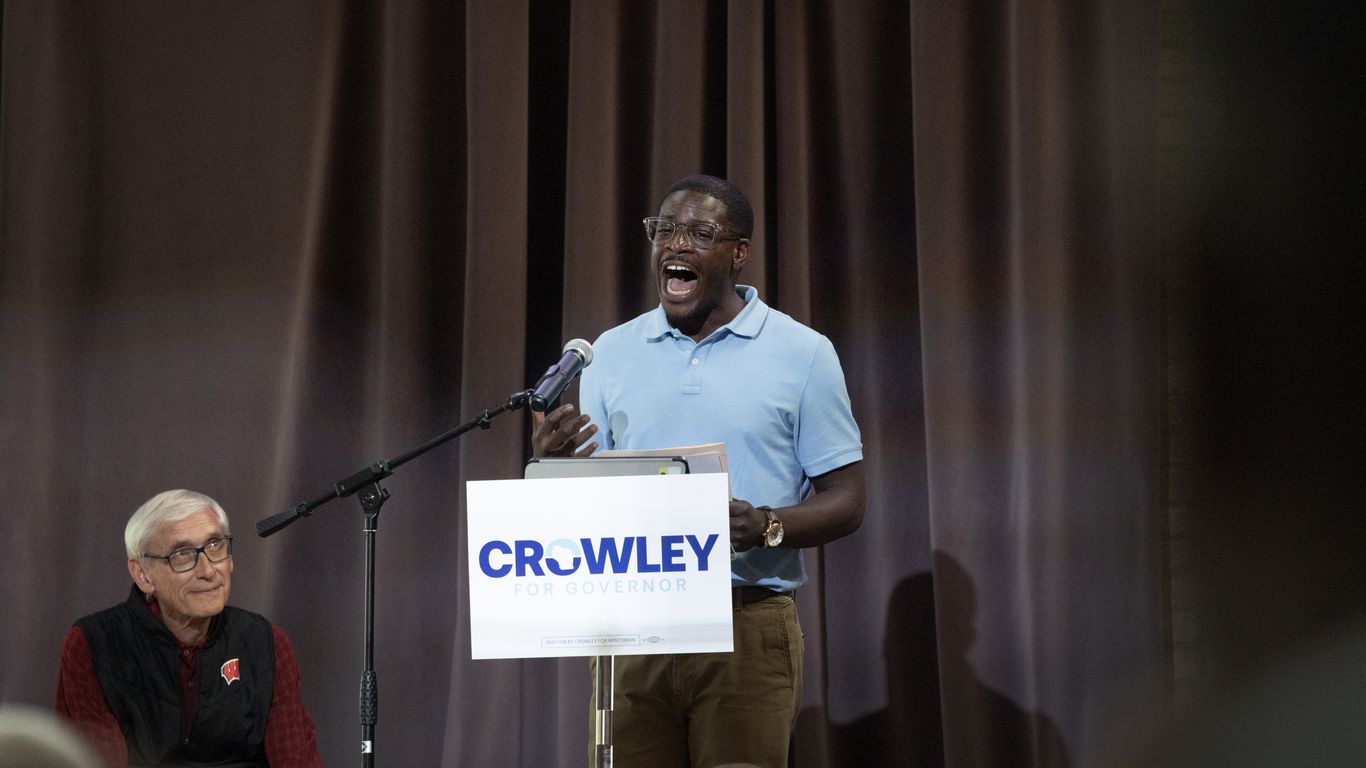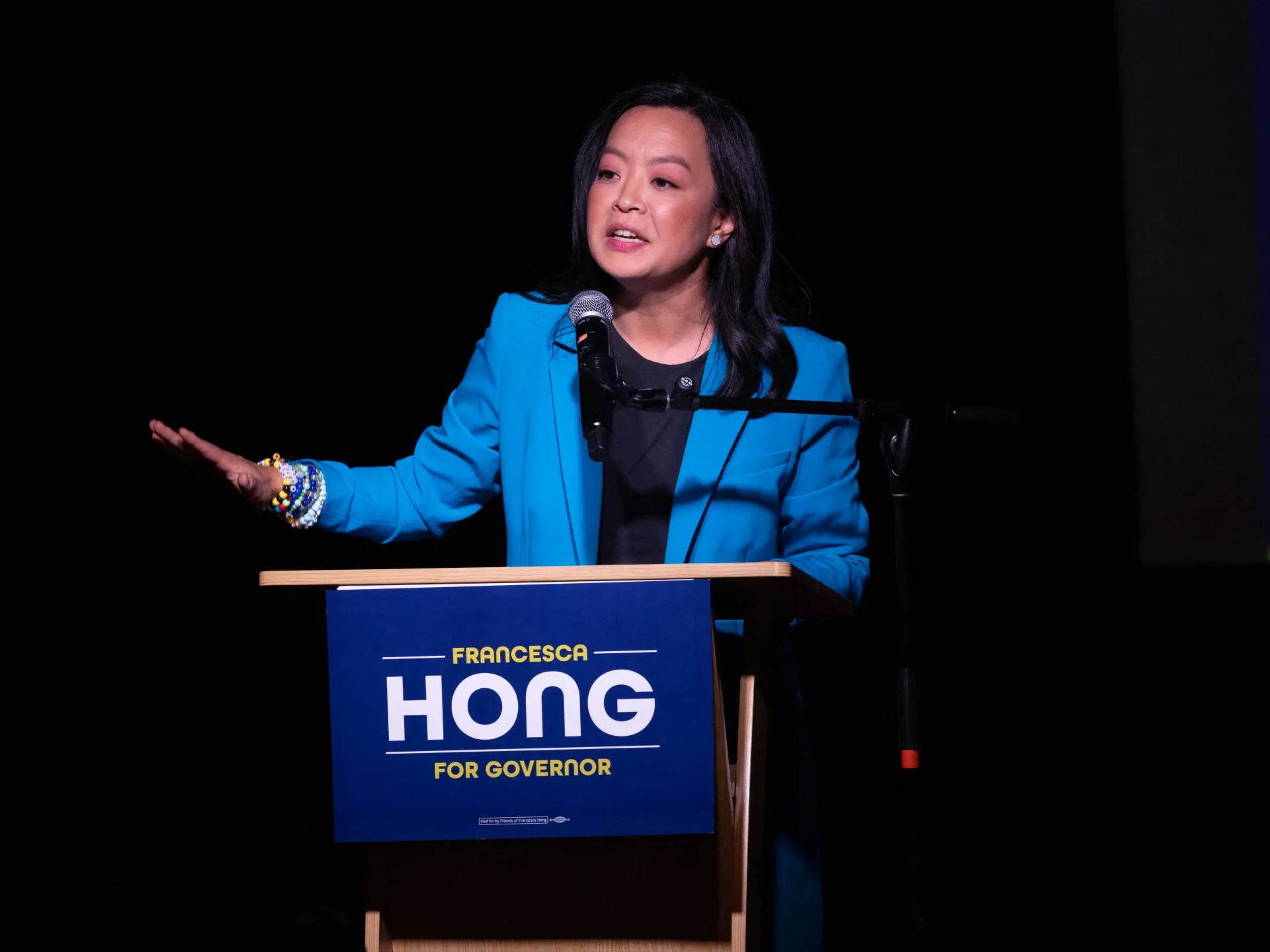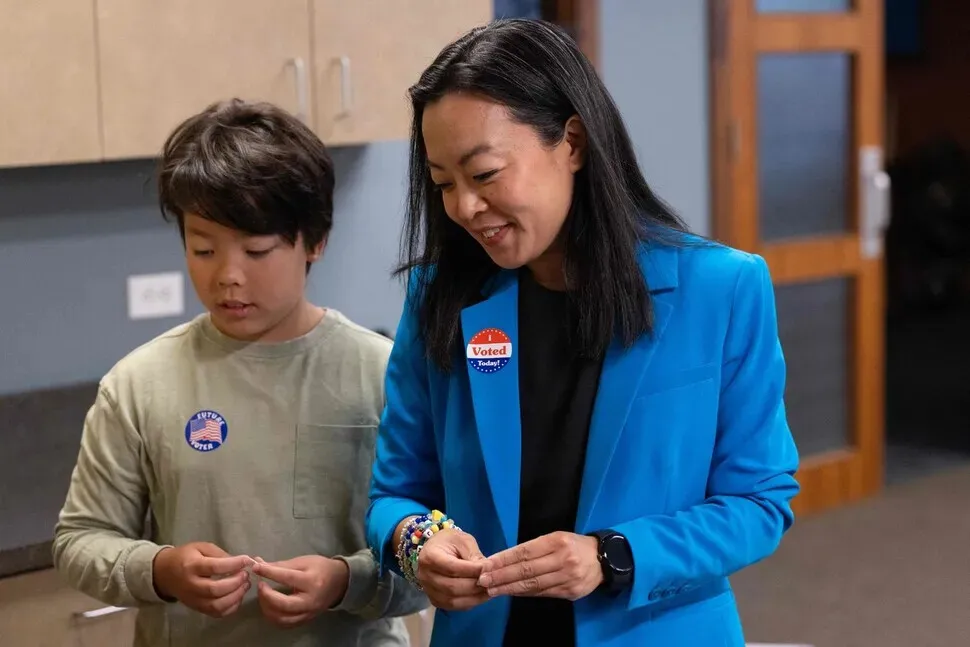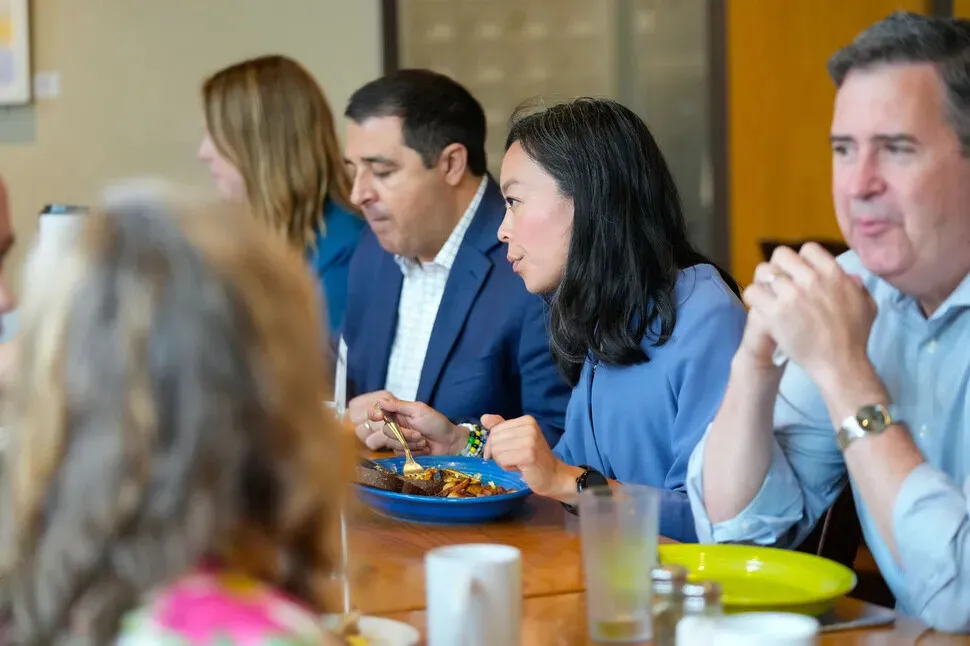
In a show of unity following a divisive and chaotic primary, Democratic gubernatorial nominee David Crowley met for breakfast with the losing candidates in the primary on Aug. 12, 2026. (AP/Yonhap)
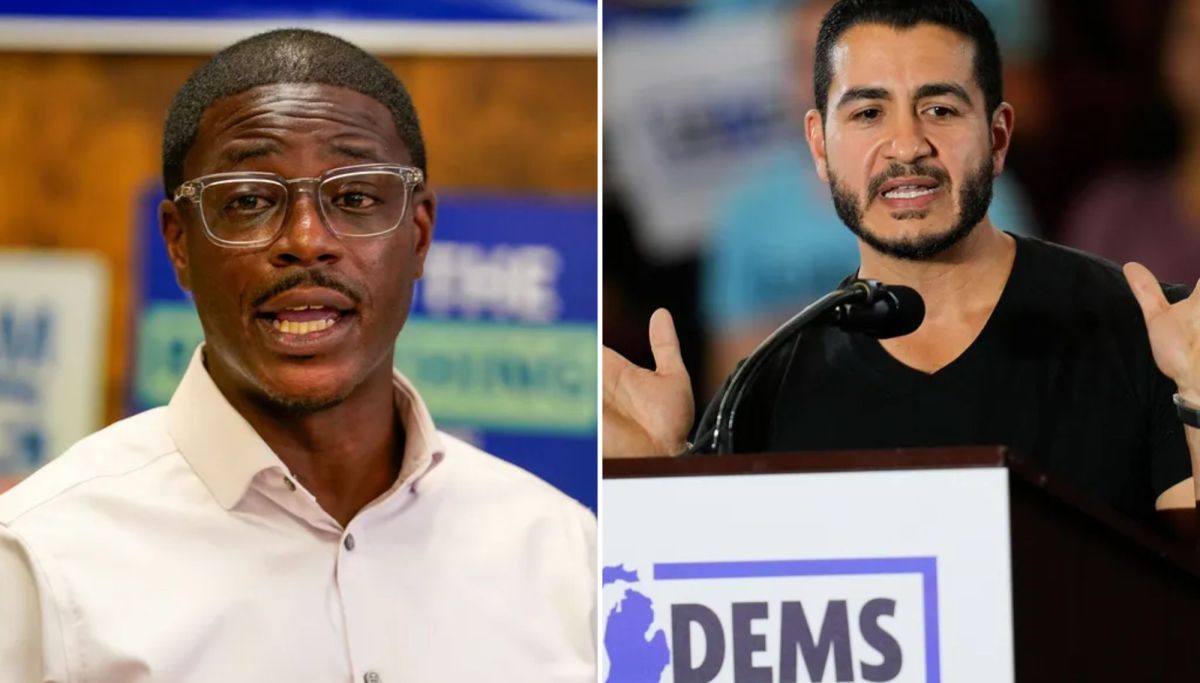
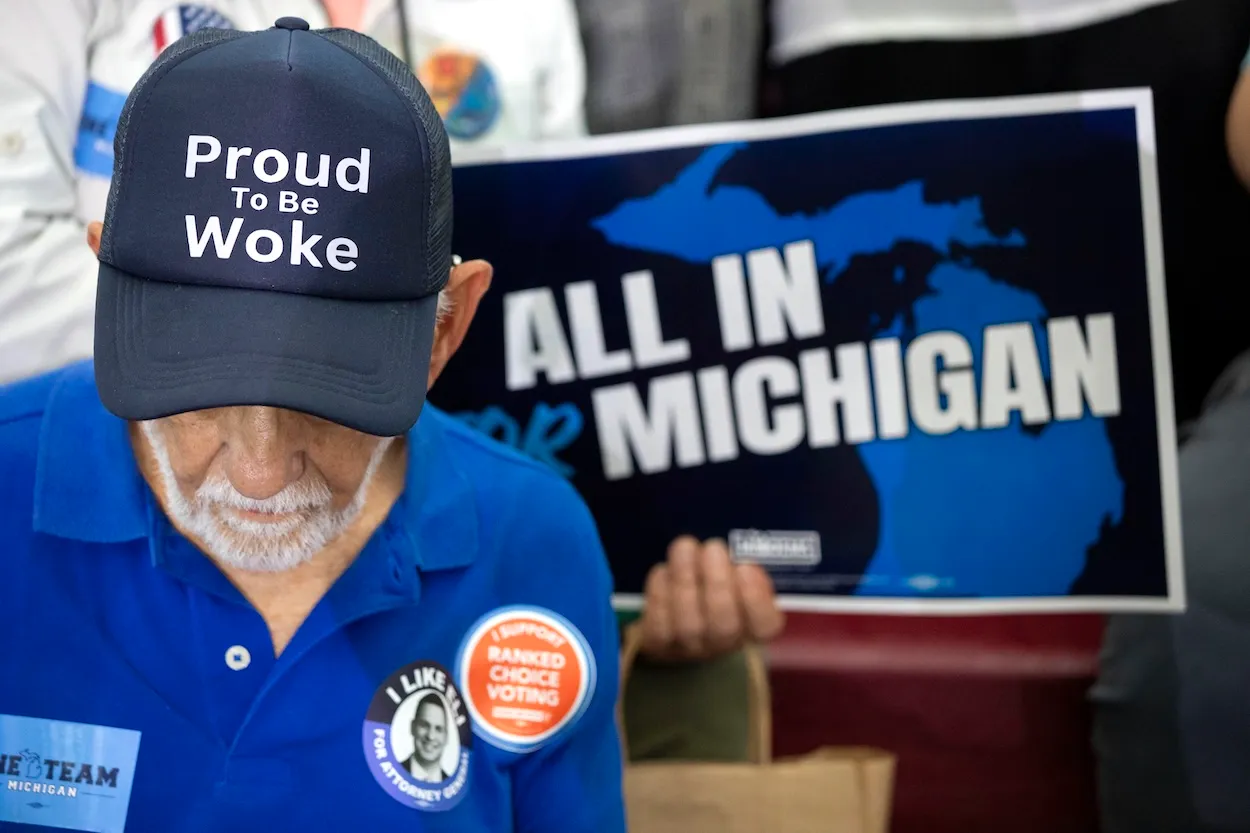
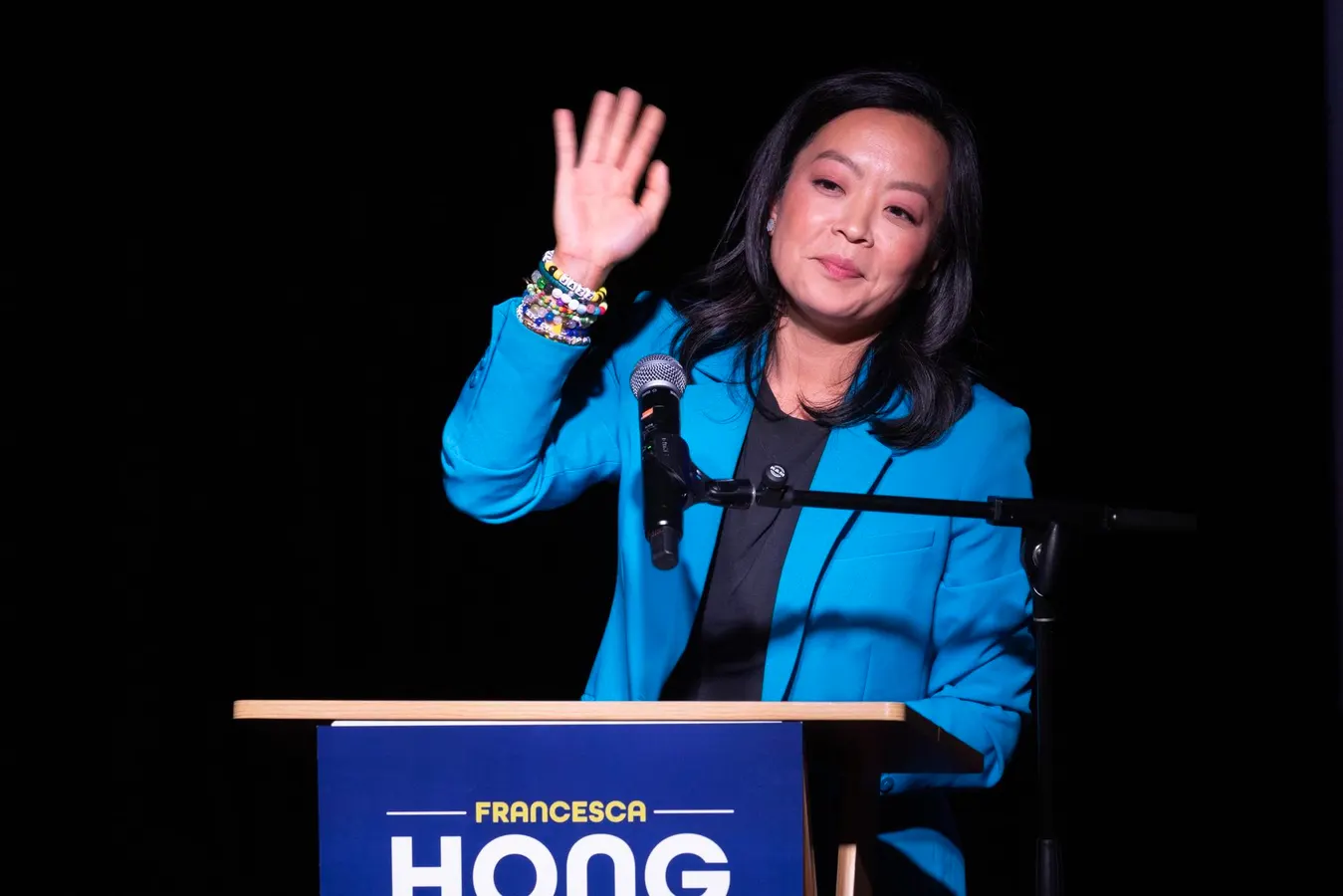
The reliability of primary election polls has taken a major hit in the wake of Tuesday’s upset loss by Francesca Hong, 37, in the Democratic primary for the Wisconsin gubernatorial race.US President Donald Trump has repeatedly blasted recent polls showing his record-low approval ratings as “made up by the Fake News Media,” but the growing discrepancy between the results of such surveys and elections in Midwest state primaries could raise skepticism over political polls.American media and polling experts said that first and foremost, Hong’s core supporters might have been heavily overrepresented in the polls. They said young people and those with a progressive bent who strongly backed her might have been more responsive to surveys than their share of the electorate suggested.Chaz Nuttycombe is the head of State Navigate, an American political site and nonpartisan nonprofit organization specializing in state governments that conducted polls right before the primary. On Wednesday, he wrote on X about “non-response bias,” saying Hong’s supporters were more likely to take part in polls than other voters.If the political leanings of voters who do not take part in surveys differ from those who do, correcting the resulting error is difficult even by adjusting weights based on demographic characteristics such as age. State Navigation did modify its survey results to cut the proportion of young voters, but its poll conducted from Aug. 3-6 still showed that Hong was leading 44% to 22% over the eventual winner David Crowley.Wisconsin’s primary election system also makes polling more challenging. The state does not make voters register with a specific party, hindering polling organizations from predicting how many independents or Republican-leaning voters will vote in the Democratic primary.The New York Times quoted Nuttycombe as saying the polls likely underestimated the Republican-leaning share of voters. “If Republicans did vote, they went overwhelmingly anti-Hong,” he said.Another view gaining traction is that the polls failed to reflect Crowley’s late surge rather than significantly miscalculating support for Hong. Charles Franklin, the director of the Marquette Law School Poll, told the Washington Post, “We had Hong at 38 percent; she’s at 39.55 percent,” he said, adding that the key factor was many undecided voters flocking to Crowley.In the end, Hong earned around 39% of the vote, close to what many polls predicted. But Crowley, who had earned just 7% in the Marquette poll, rose to the 20% range in subsequent surveys like one by State Navigate and soared to the 39% level by the time of the primary.The race stayed in flux right up until the vote. Crowley on July 8 suspended his campaign but resumed it 10 days later, while Lt. Gov. Sara Rodriguez and her predecessor Mandela Barnes dropped out in succession.Then Wisconsin’s Democratic Gov. Tony Evers threw his support behind Crowley and launched a last-minute campaign tour for him throughout the state.In the final Marquette poll, 34% of Democratic voters said they had not yet decided on a candidate. “I didn’t think it would coalesce around one candidate that strongly in just three weeks, but it did,” said Franklin. The Wisconsin result is similar to that of the Democratic Senate primary in Michigan a week ago. Progressive candidate Abdul El-Sayed also led by a double-digit margin in the polls but eked out a win by just 1 percentage point.The New York Times said the results in both states suggested that while the passionate support base of progressive candidates is well-reflected in opinion polls, such enthusiasm does not necessarily translate into a corresponding level of voter turnout.The successive polling errors in the two Midwest states have highlighted challenges for such surveys ahead of the 2028 presidential primary. The key task is thus to ensure accurate assessment of the gap between die-hard supporters and voters, as well as the behavior of the undecided electorate who delay their decisions until the last minute.By Kim Won-chul, Washington correspondentPlease direct questions or comments to [english@hani.co.kr]