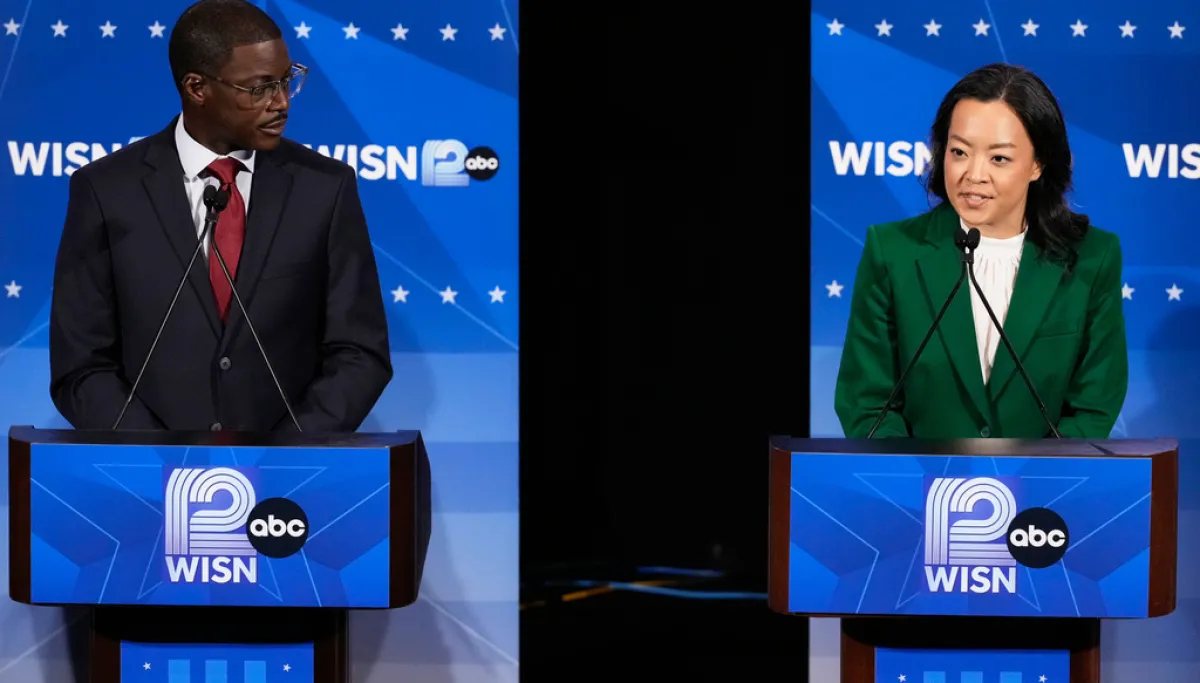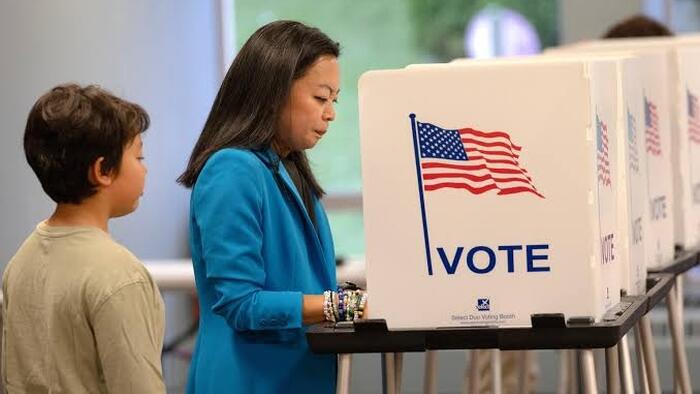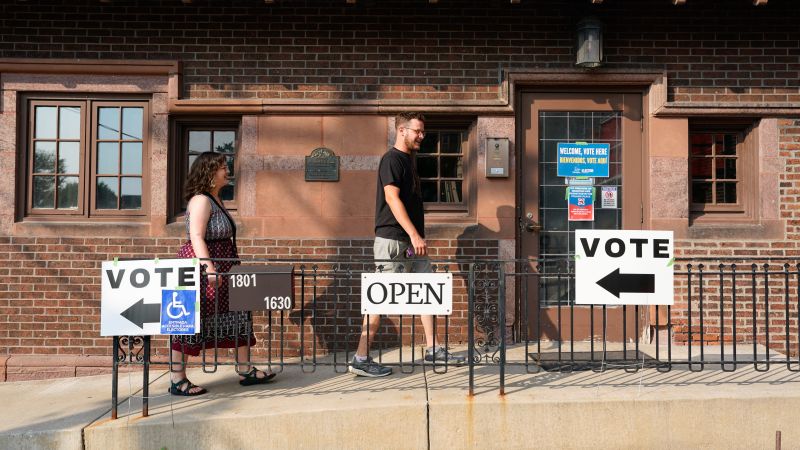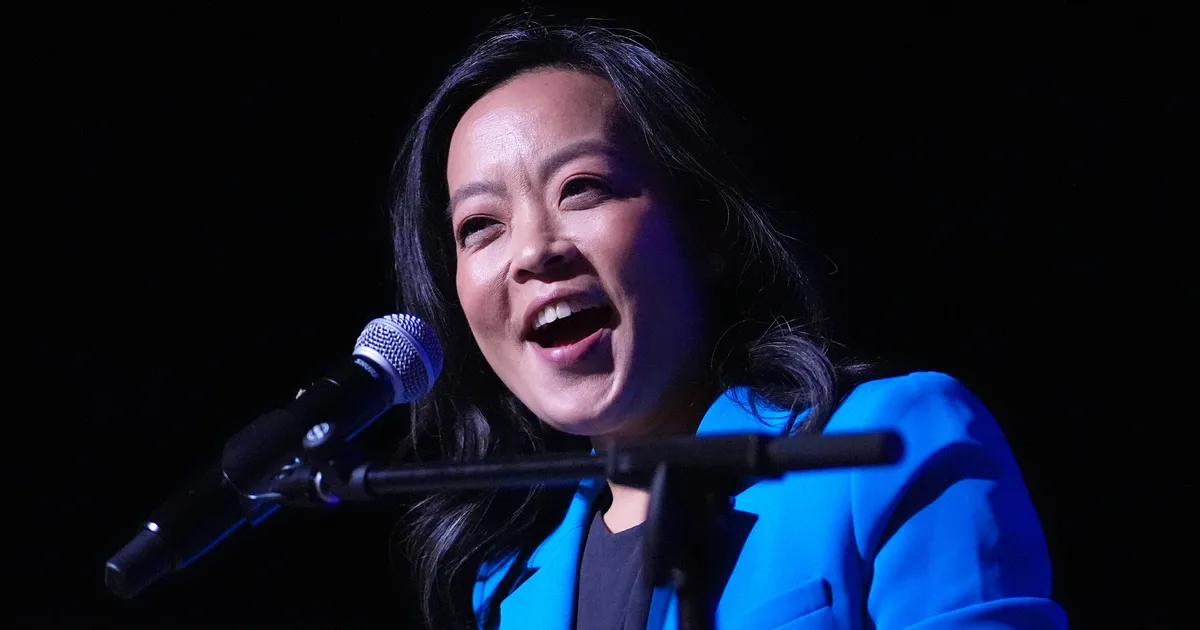
Tuesday evening saw the second polling upset in as many weeks in the Midwest. In Wisconsin’s Democratic gubernatorial primary, David Crowley beat democratic socialist Francesca Hong by half a percentage point. It was a margin that bore almost no relationship to the polling which had Hong ahead by an average of 20 points.
A week earlier, Michigan told the same story: though extreme left candidate Abdul El-Sayed won the Democratic Senate primary by 48.5 per cent to Haley Stevens’s 47.5 per cent, his one-point margin was significantly less than the ten-point margin the polling average had it at. Across the country, socialist candidates are finding – at the primaries stage – that they are not the slam-dunk choice of the Democratic party grassroots.
Polls missed – or even deliberately excluded – older, low-income and rural voters
The most plausible explanation for both polling misses is that the polling samples were surveying the wrong people. Polls missed – or even deliberately excluded – older, low-income and rural voters who pay less attention to polling, and who do not like the extreme politics of some of these figures. There is a race element too, although not the whole picture, with high-engagement whites more likely to answer polls than lower engagement – but historically more moderate – black Democratic primary voters.