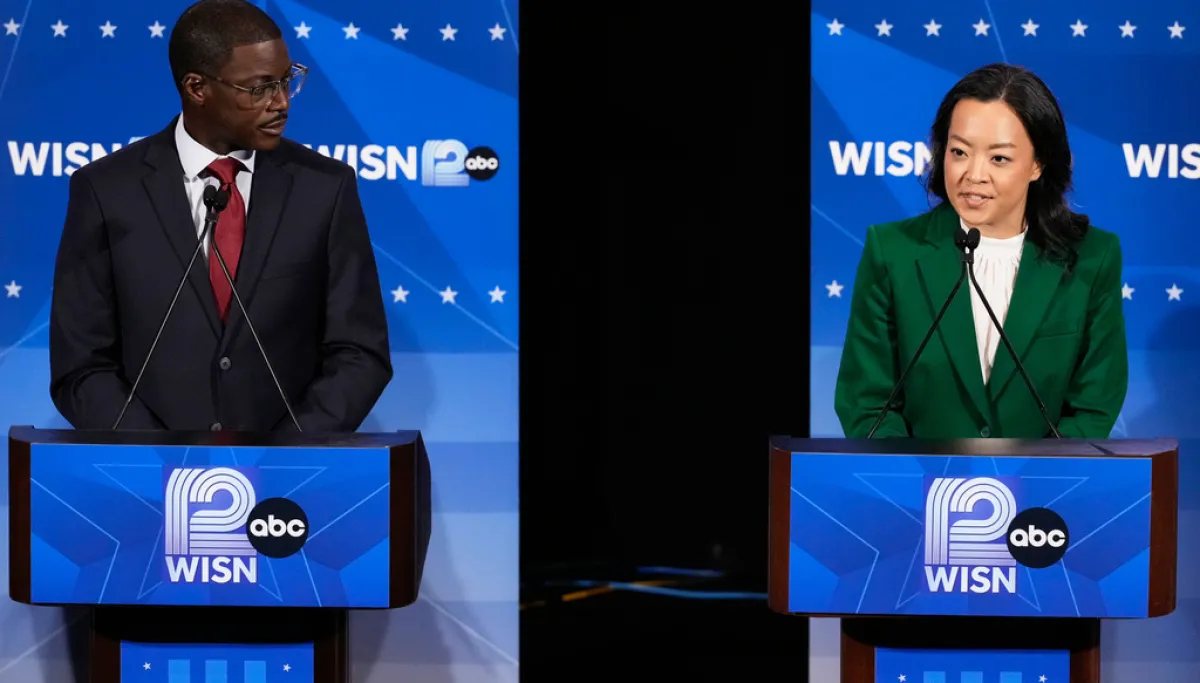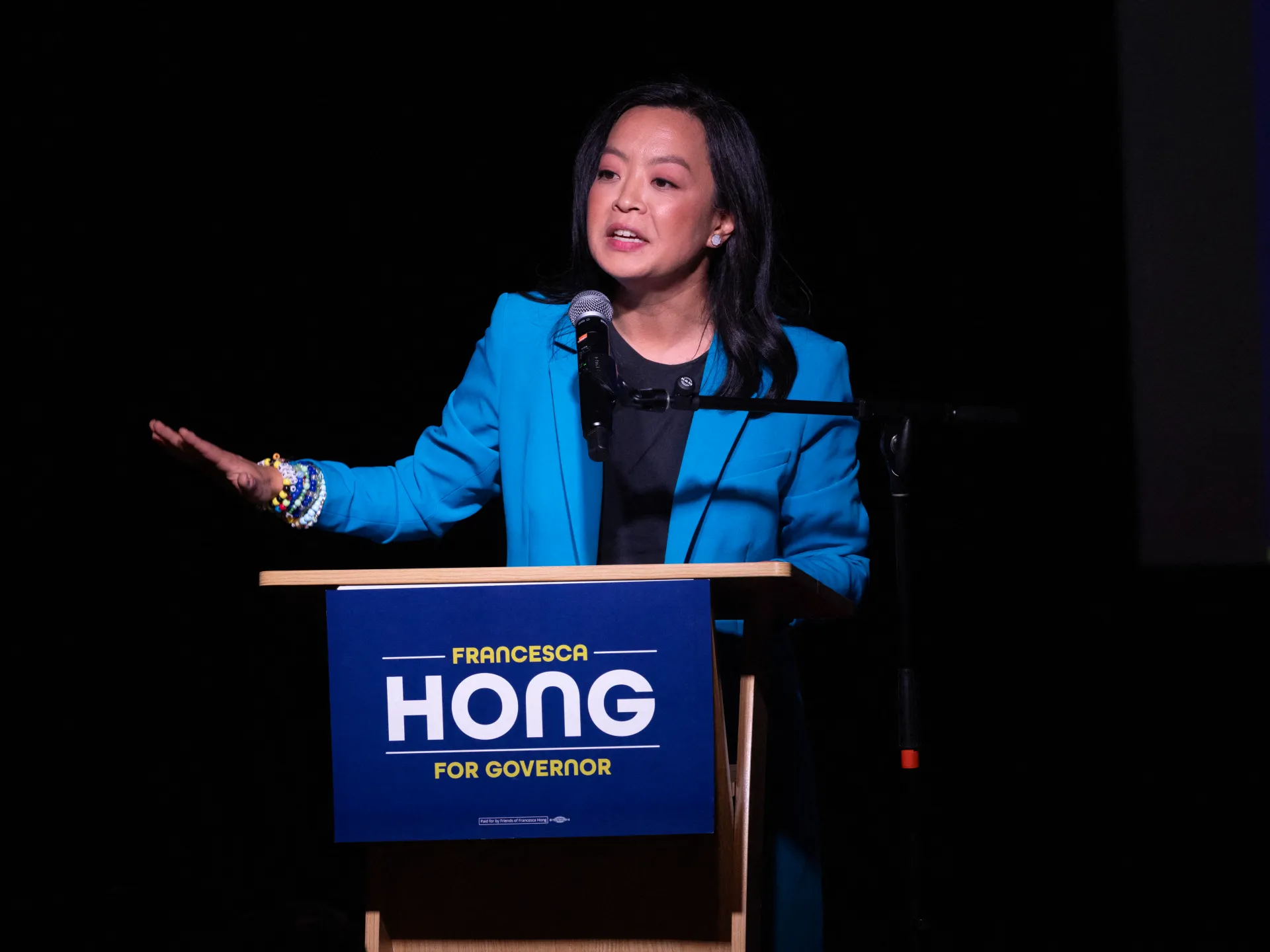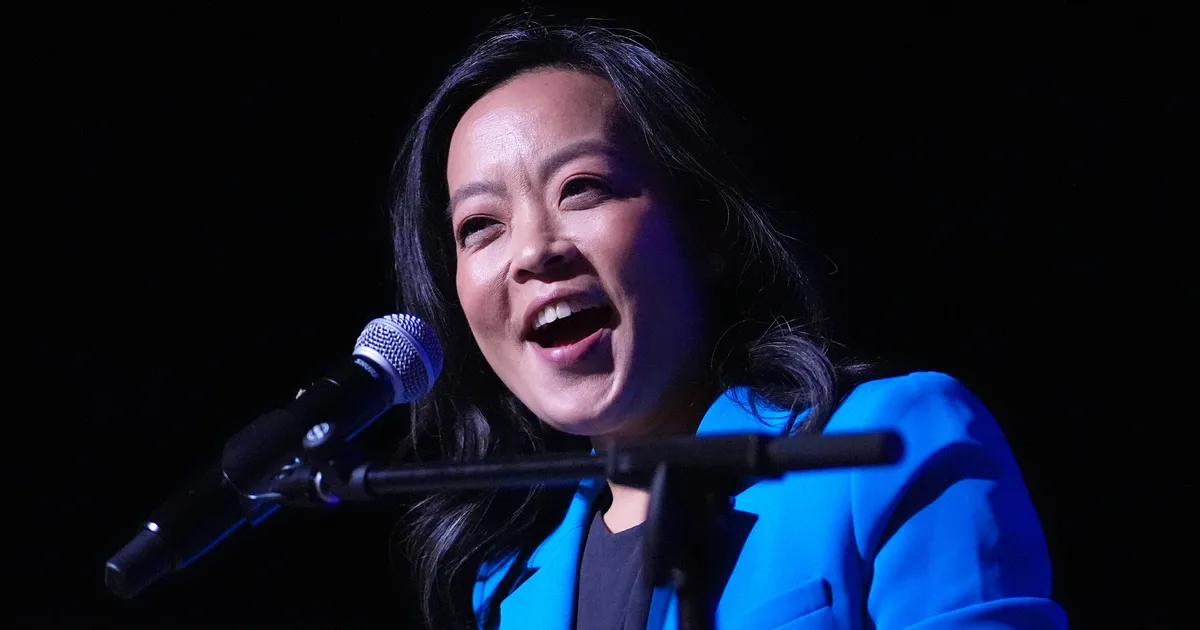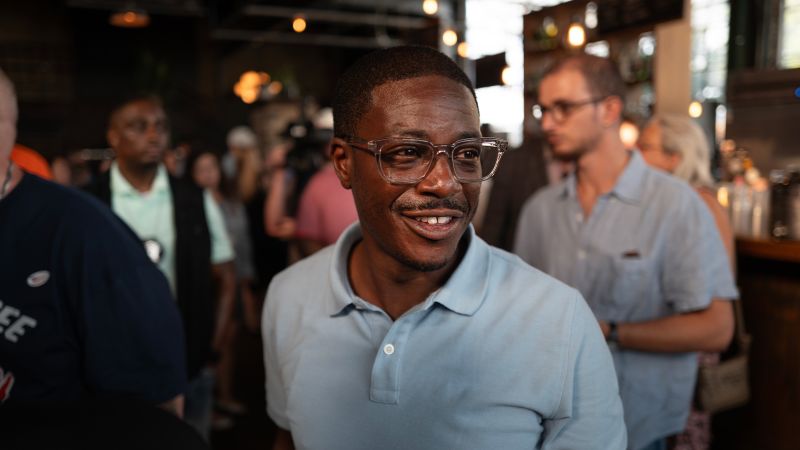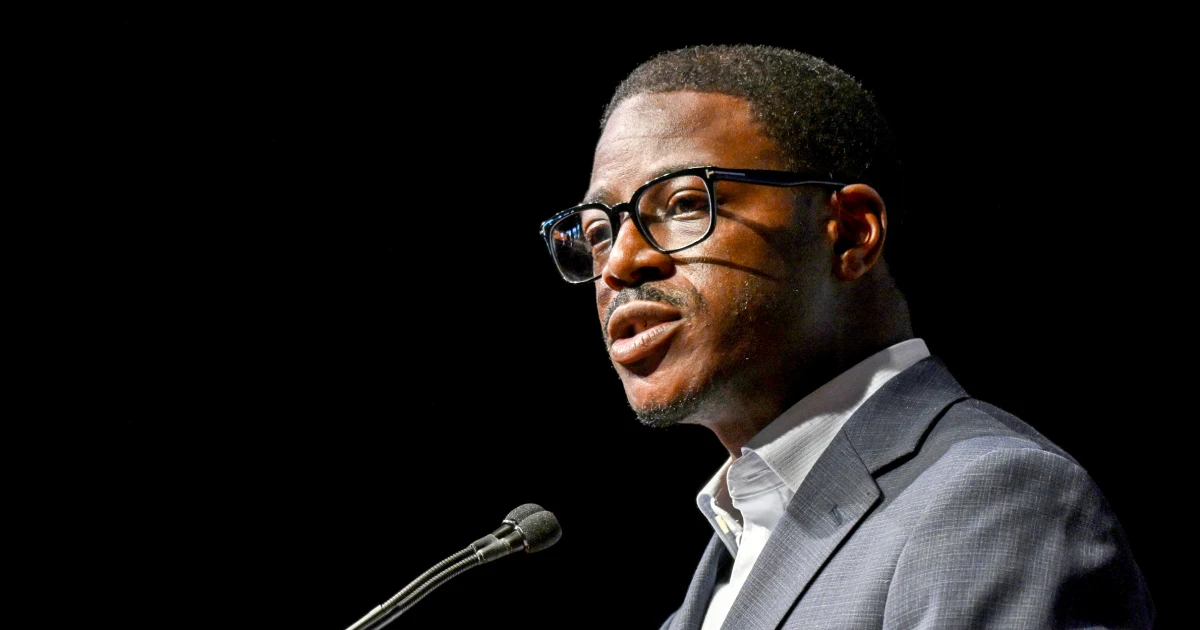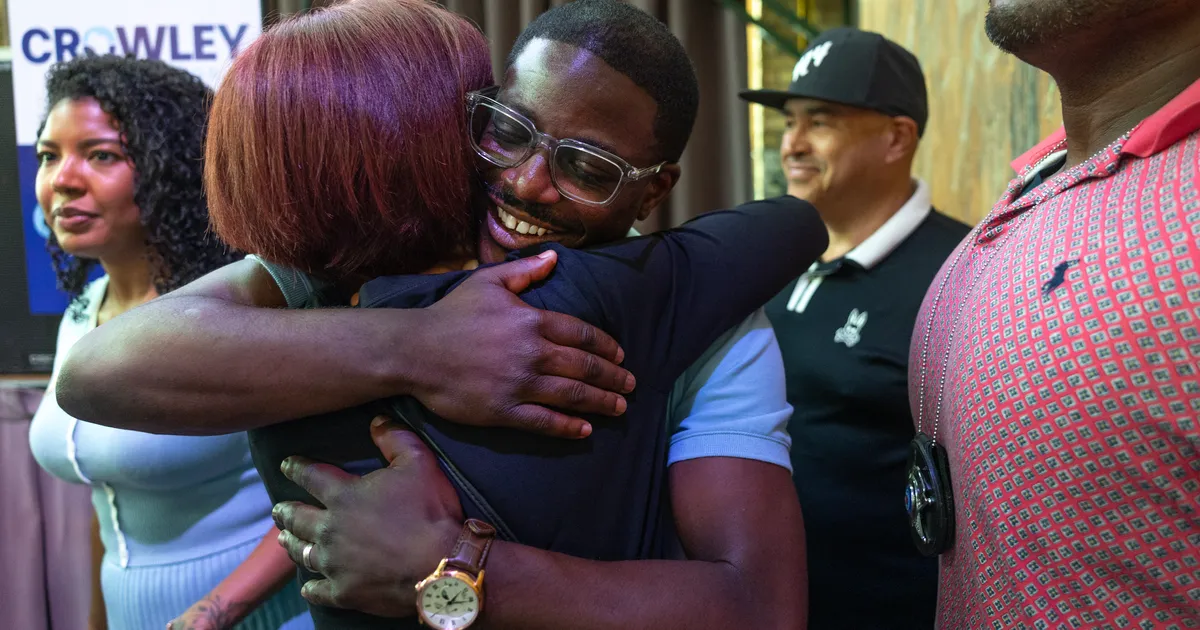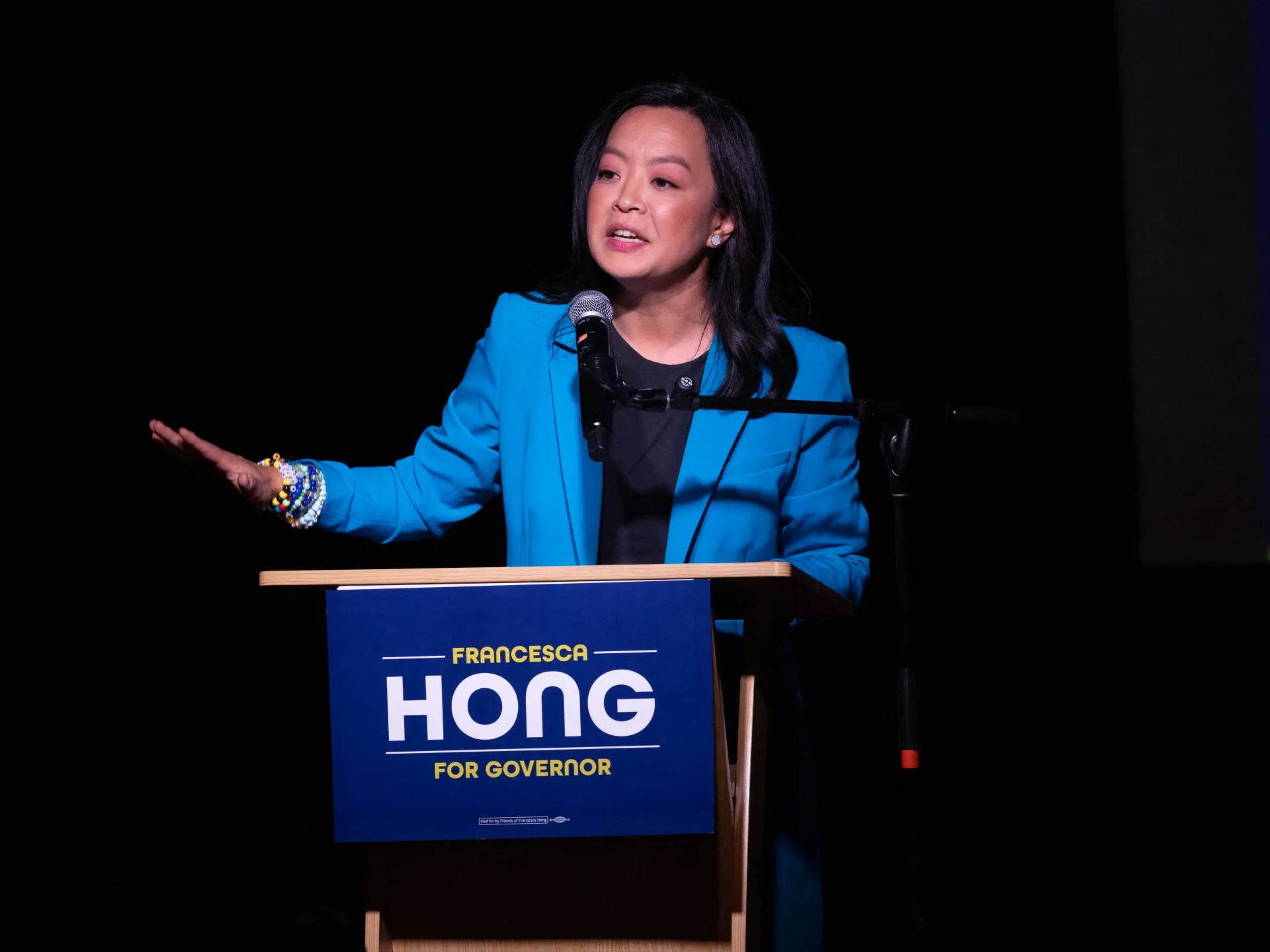
Tuesday evening saw the second polling upset in as many weeks in the Midwest. In Wisconsin’s Democratic gubernatorial primary, David Crowley beat democratic socialist Francesca Hong by half a percentage point. It was a margin that bore almost no relationship to the polling which had Hong ahead by an average of 20 points.
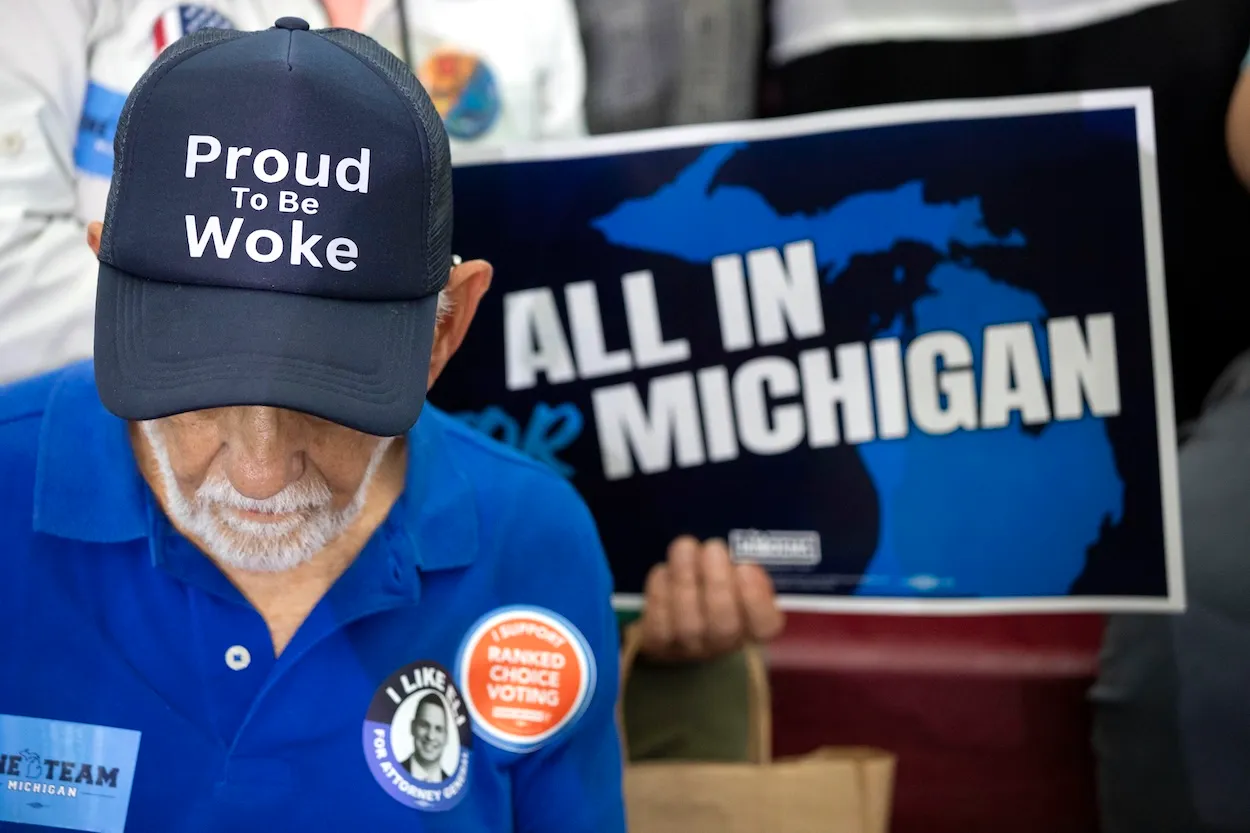
A week earlier, Michigan told the same story: though extreme left candidate Abdul El-Sayed won the Democratic Senate primary by 48.5 percent to Haley Stevens’s 47.5 percent, his one-point margin was significantly less than the ten-point margin the polling average had it at. Across the country, socialist candidates are finding – at the primaries stage – that they are not the slam-dunk choice of the Democratic party grassroots.
Polls missed – or even deliberately excluded – older, low-income and rural voters
The most plausible explanation for both polling misses is that the polling samples were surveying the wrong people. Polls missed – or even deliberately excluded – older, low-income and rural voters who pay less attention to polling, and who do not like the extreme politics of some of these figures. There is a race element too, although not the whole picture, with high-engagement whites more likely to answer polls than lower engagement – but historically more moderate – black Democratic primary voters. This has happened before in polling, not least in all presidential elections in which Donald Trump has run. It is why my firm, J.L. Partners, factors political interest levels into how our samples are built, and why we deploy methods such as polling within game apps to reach those quieter, harder-to-reach, but more typical voters who make up swathes of the electorate.