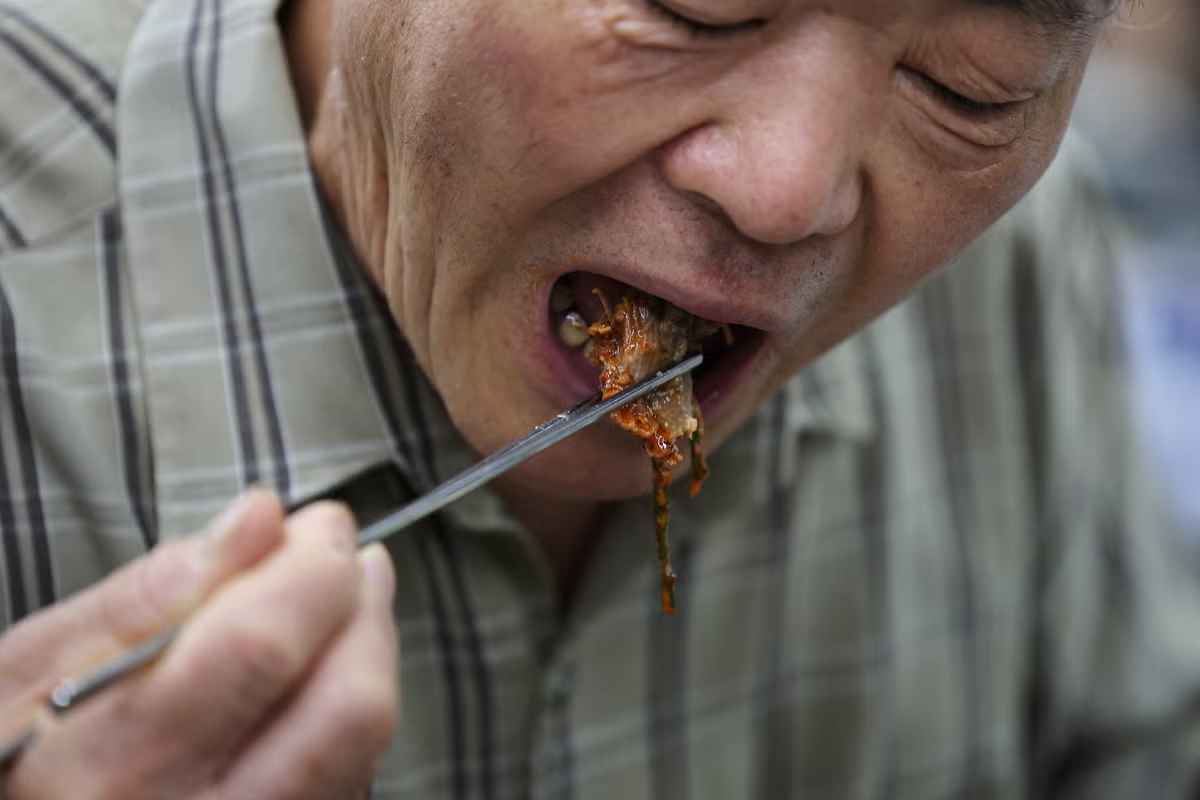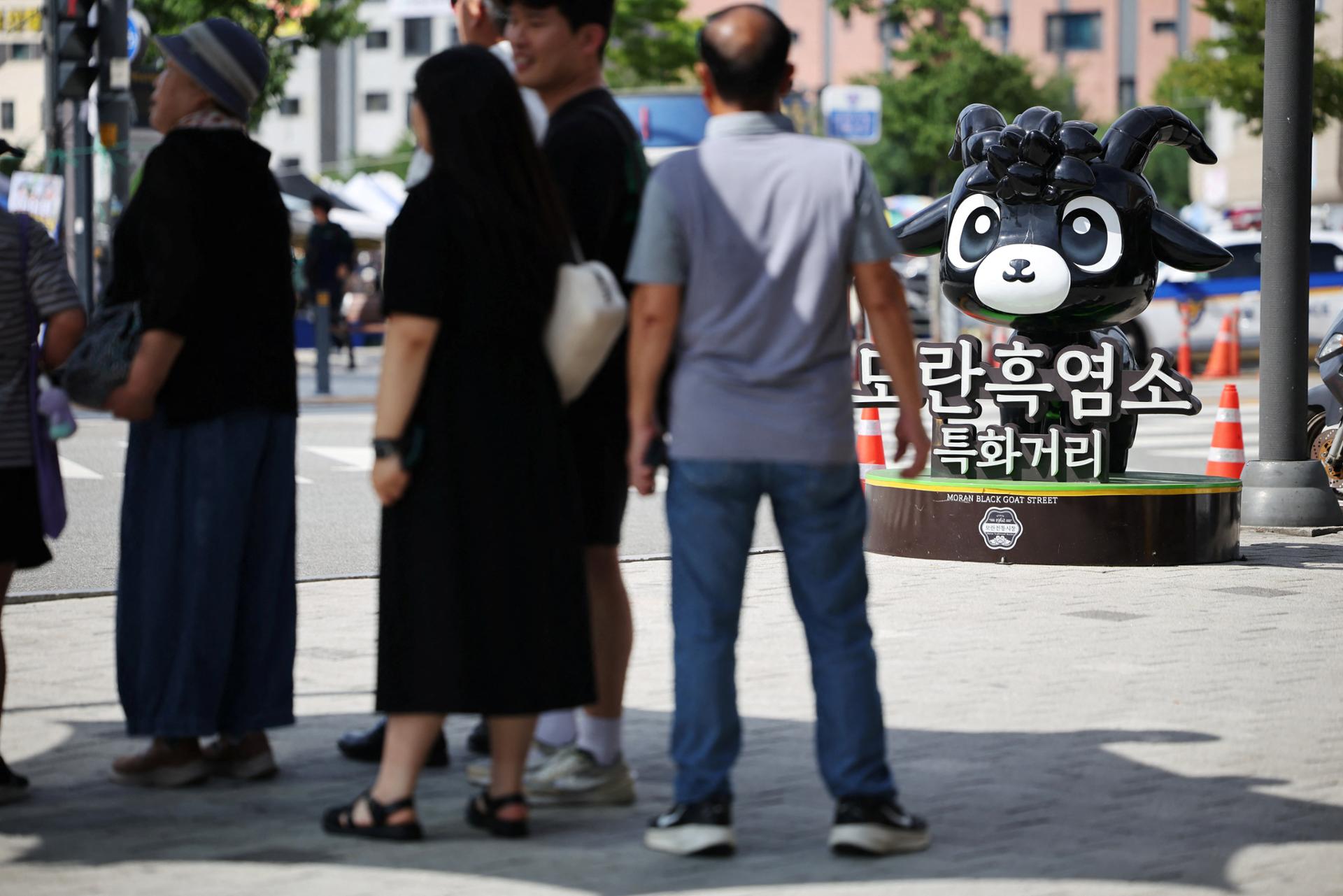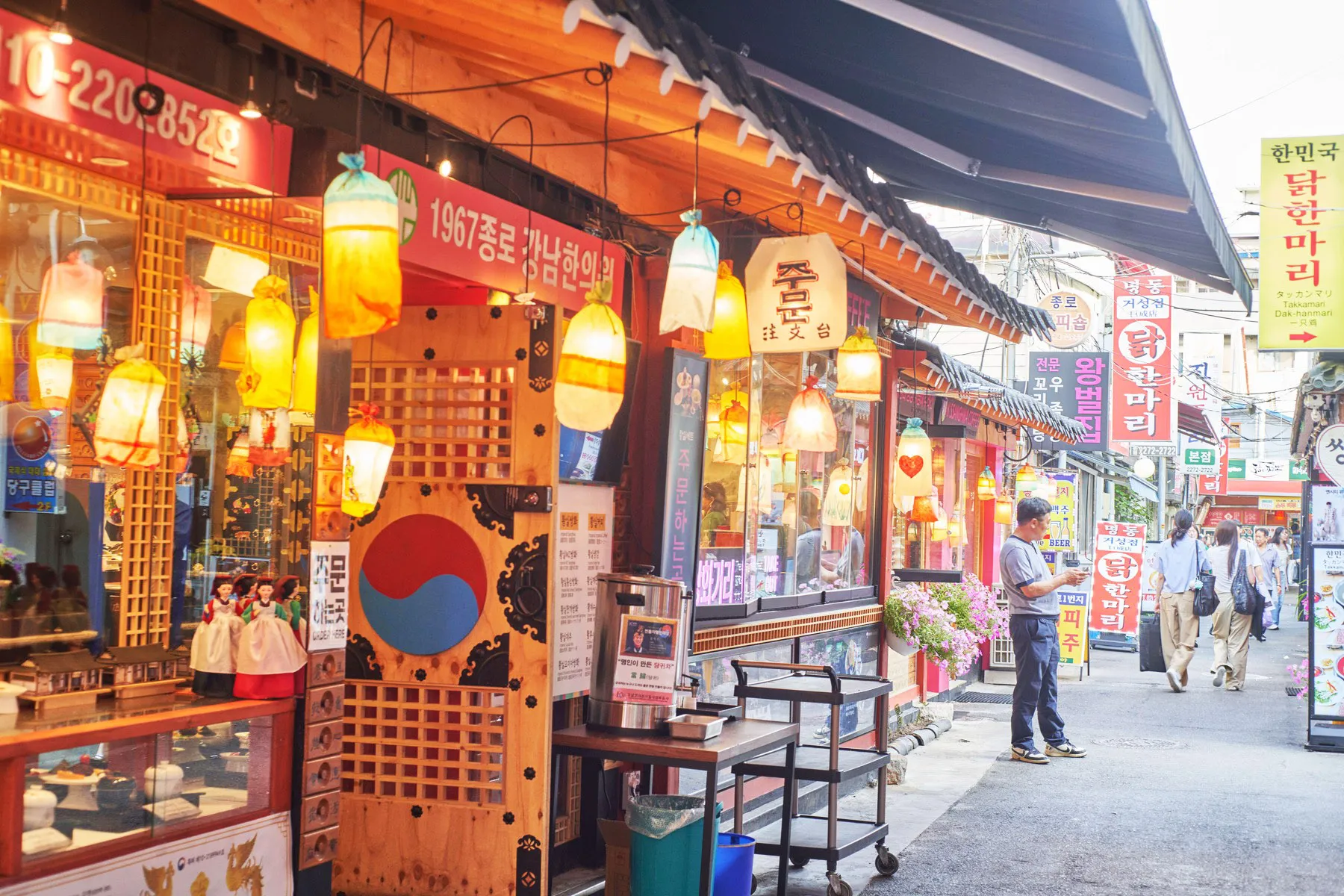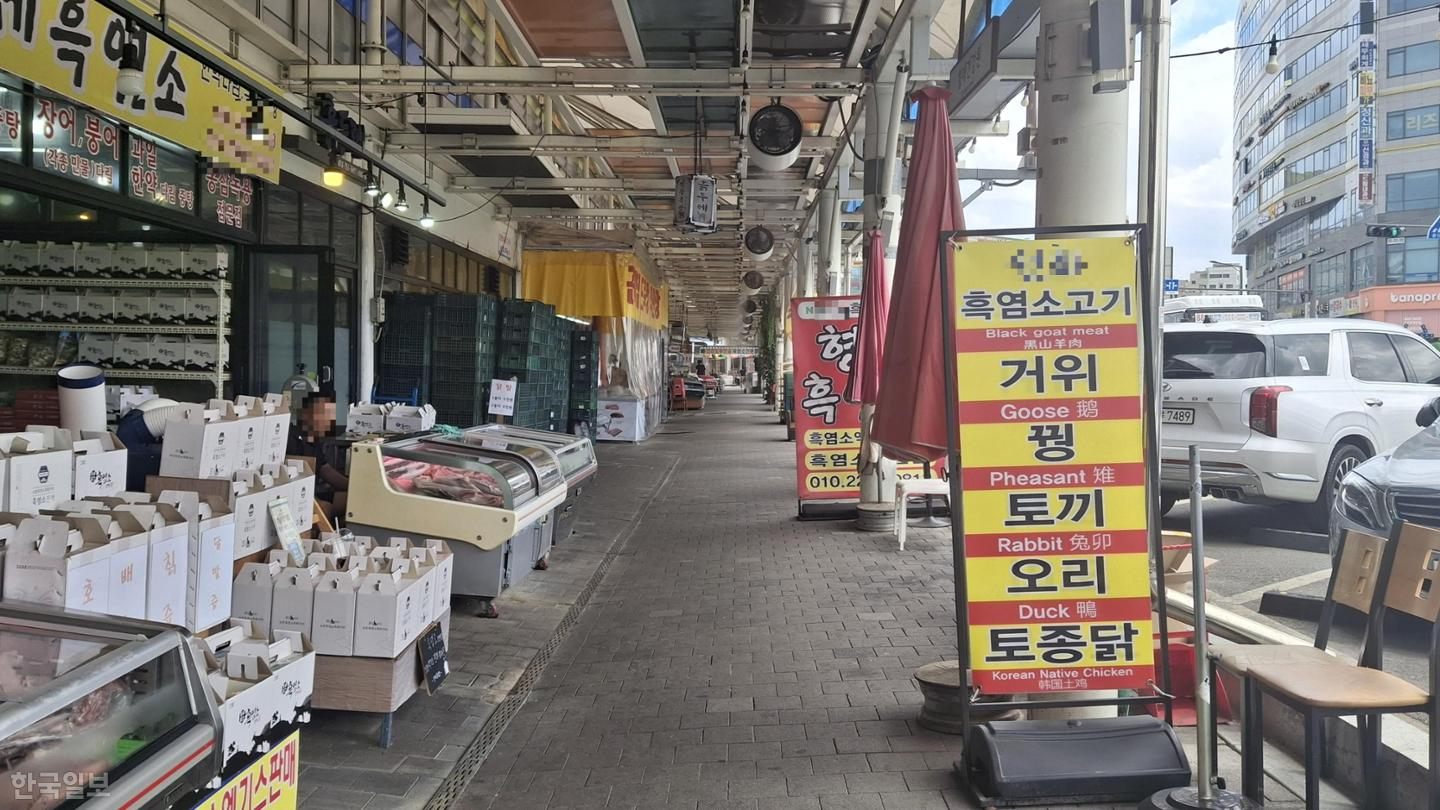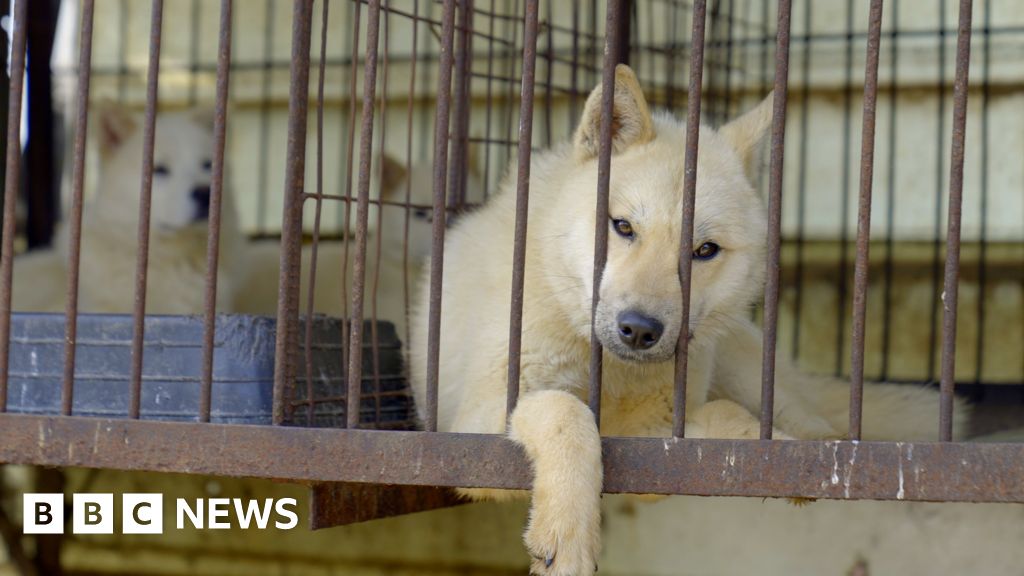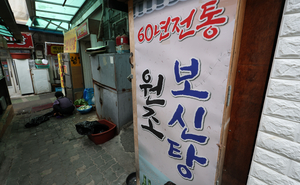
Once-busy boshintang restaurants struggle to survive while goat meat increasingly fills the gap A sign at the entrance of a boshintang restaurant in Seoul advertises its 60-year history on Friday. (Newsis) Friday marks Korea’s final boknal — one of the three traditionally hottest days of summer — before a nationwide ban on the dog meat industry takes effect in February 2027.For generations, Koreans have eaten restorative foods such as samgyetang, or ginseng chicken soup, and boshintang, a soup made with dog meat, on boknal. But ahead of the ban, the latter is rapidly disappearing from the summer ritual.Hwang, 70, has run his boshintang restaurant for more than 30 years. He told local daily Seoul Shinmun he has yet to decide whether to switch to other dishes or close altogether.“Compared with before the law was passed, sales are not even 10 percent of what they used to be,” Hwang said. “I’m worried about how I will make a living.”At another restaurant, a woman in her 70s moved constantly around a large cauldron as she boiled dog meat in preparation for malbok, the last of the three boknal days.“Customers have fallen sharply, but the people who still want it continue to come,” she said.The Special Act on Ending the Breeding, Slaughter and Distribution of Dogs for Human Consumption is set to take full effect in February 2027, following a three-year grace period since the law was passed in 2024.Boshintang restaurants face uncertain futuresThe transition is already reshaping the industry.According to the Agriculture Ministry, the number of dog farms nationwide fell from 1,537 in August 2024 to 272 as of May this year, a decline of about 82 percent.As supplies have dwindled, wholesale dog meat prices have risen.One owner told local daily Dong-A Ilbo that the price of a dog that previously cost around 300,000 won to 400,000 won ($210 to $280) has risen by more than four times, forcing restaurants to raise menu prices.“We had no choice but to raise our prices by around 30 percent,” the owner said. “We increased the price of a bowl of boshintang by about 5,000 won, but considering the finances of our elderly customers, I feel bad because that is not a small amount."With only months left before dog meat can no longer be legally sold, restaurant owners said they face an uncertain future.Owners also say government compensation falls short of what is needed to help them leave the business.The government provides up to 4 million won to restaurants closing down, including support for demolition costs. Restaurants switching to other products can receive up to 2.5 million won to replace signs and menus.But operators say the assistance is insufficient to cover the cost of converting businesses they have run for decades.Goats substitute dogs A sign at a boshintang restaurant informs customers on July 14, it will only be serving the dog meat dish until Dec. 31, adding that it now also serves black goat dishes. (Newsis). As dog meat disappears from the market, goat meat appears to be filling some of the space it leaves behind.Estimated domestic goat meat consumption more than doubled from 6,328 metric tons in 2020 to 13,708 tons in 2024, according to data from the Korea Rural Economic Institute and the Agriculture Ministry.Cheaper imports from Australia have also helped expand the market.Tariffs on Australian goat meat were fully eliminated in 2023 under the Korea-Australia Free Trade Agreement, lowering costs for restaurants serving black goat dishes.While a bowl of black goat soup typically sells for around 15,000 won to 20,000 won, some restaurants and franchise chains now offer it for as little as 9,900 won.
Korea’s last boknal before dog meat ban reflects fading tradition
Friday marks Korea’s final boknal — one of the three traditionally hottest days of summer — before a nationwide ban on the dog meat industry takes effect in Feb
603 words~3 min read