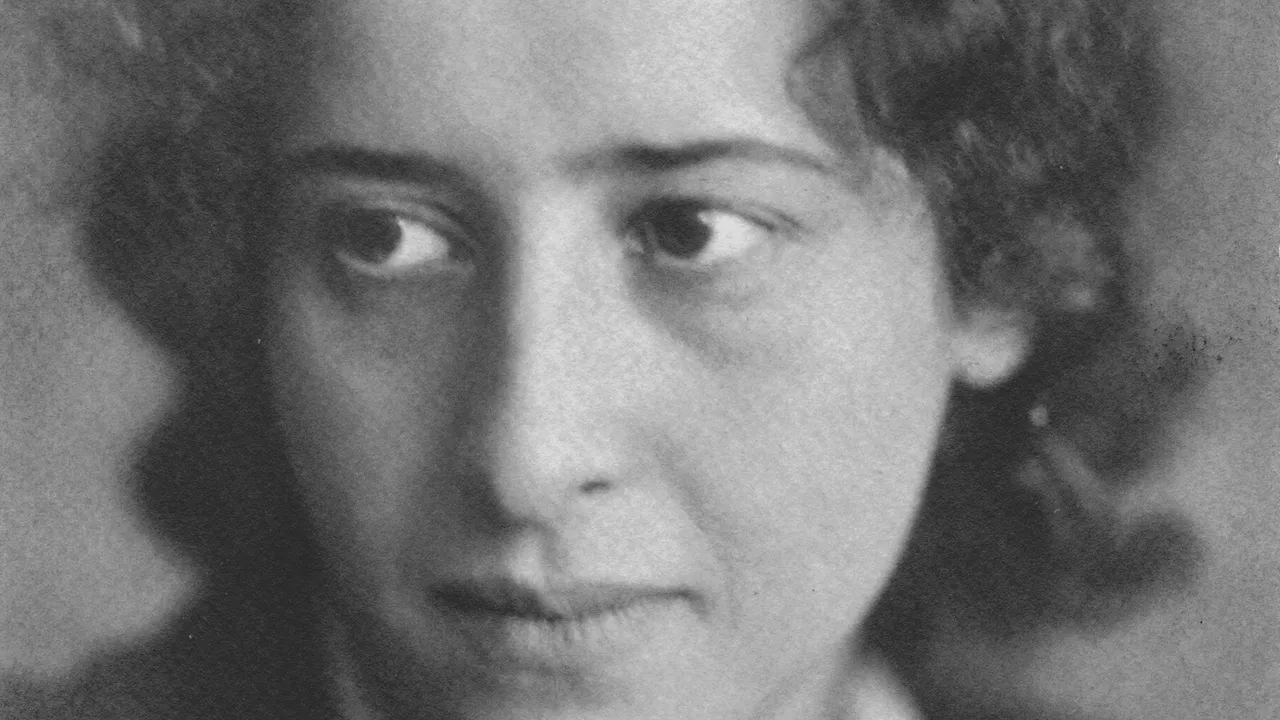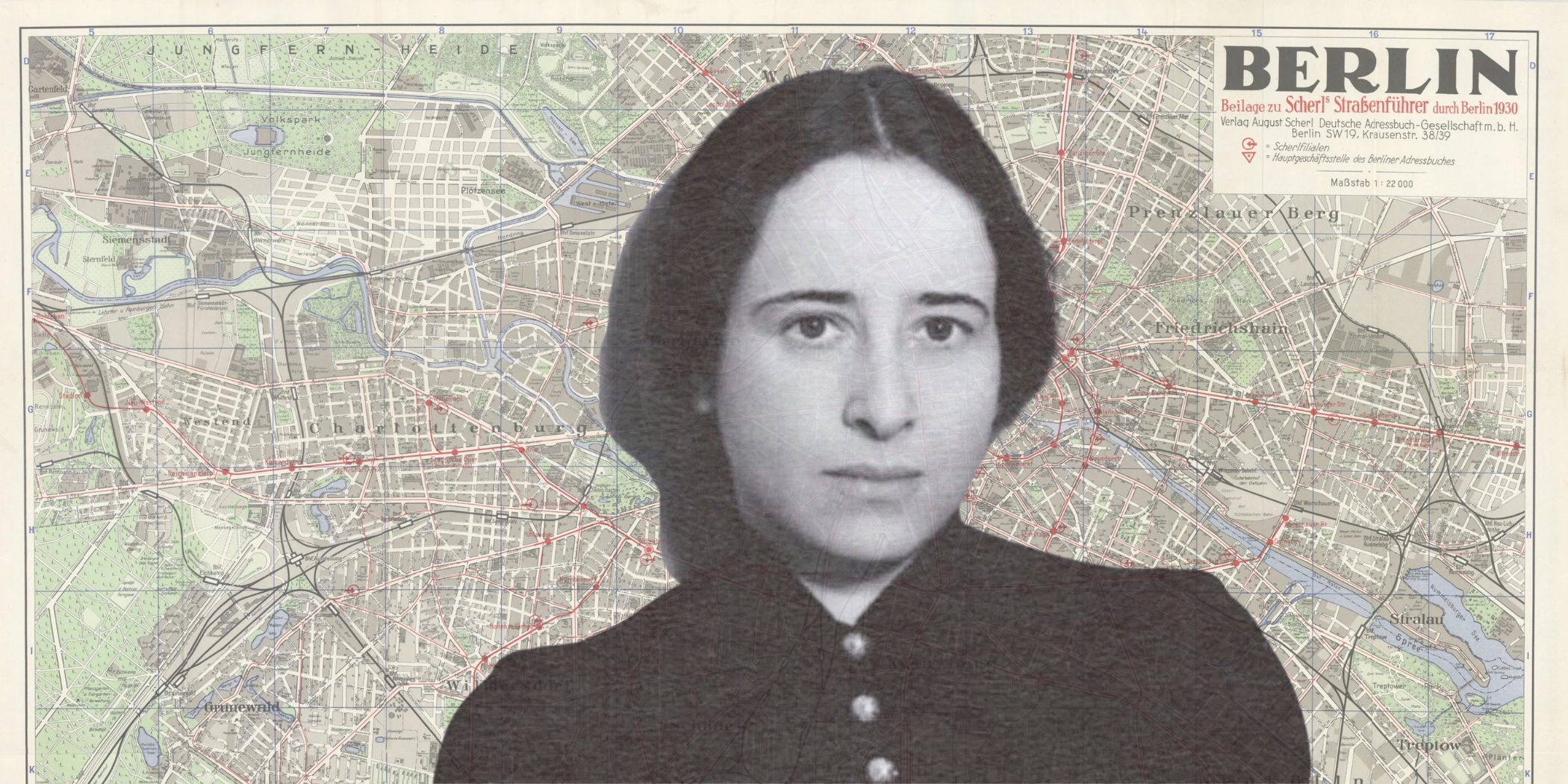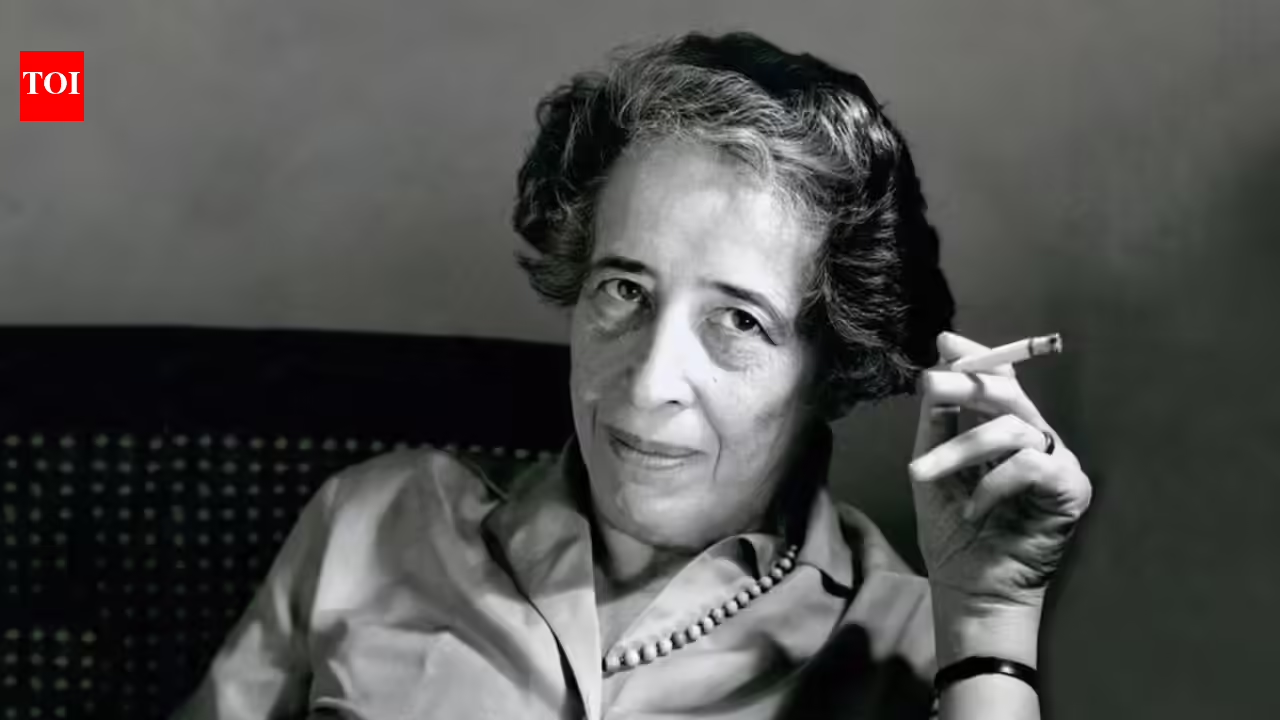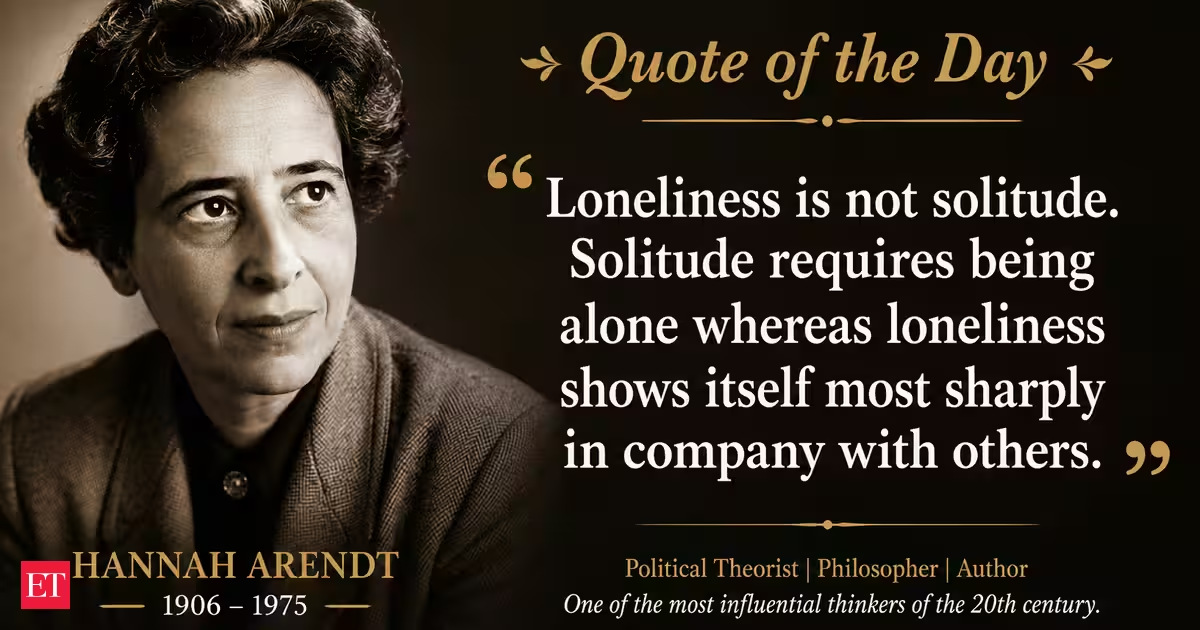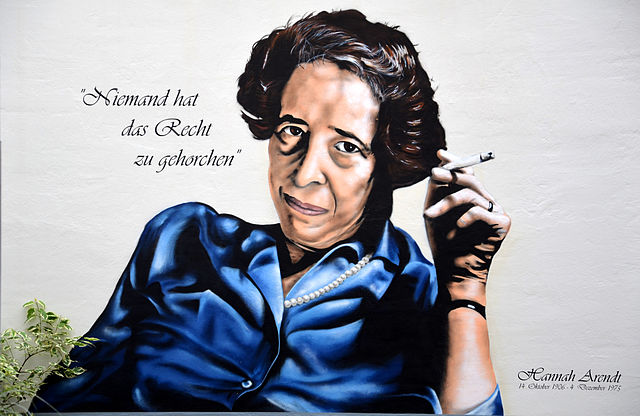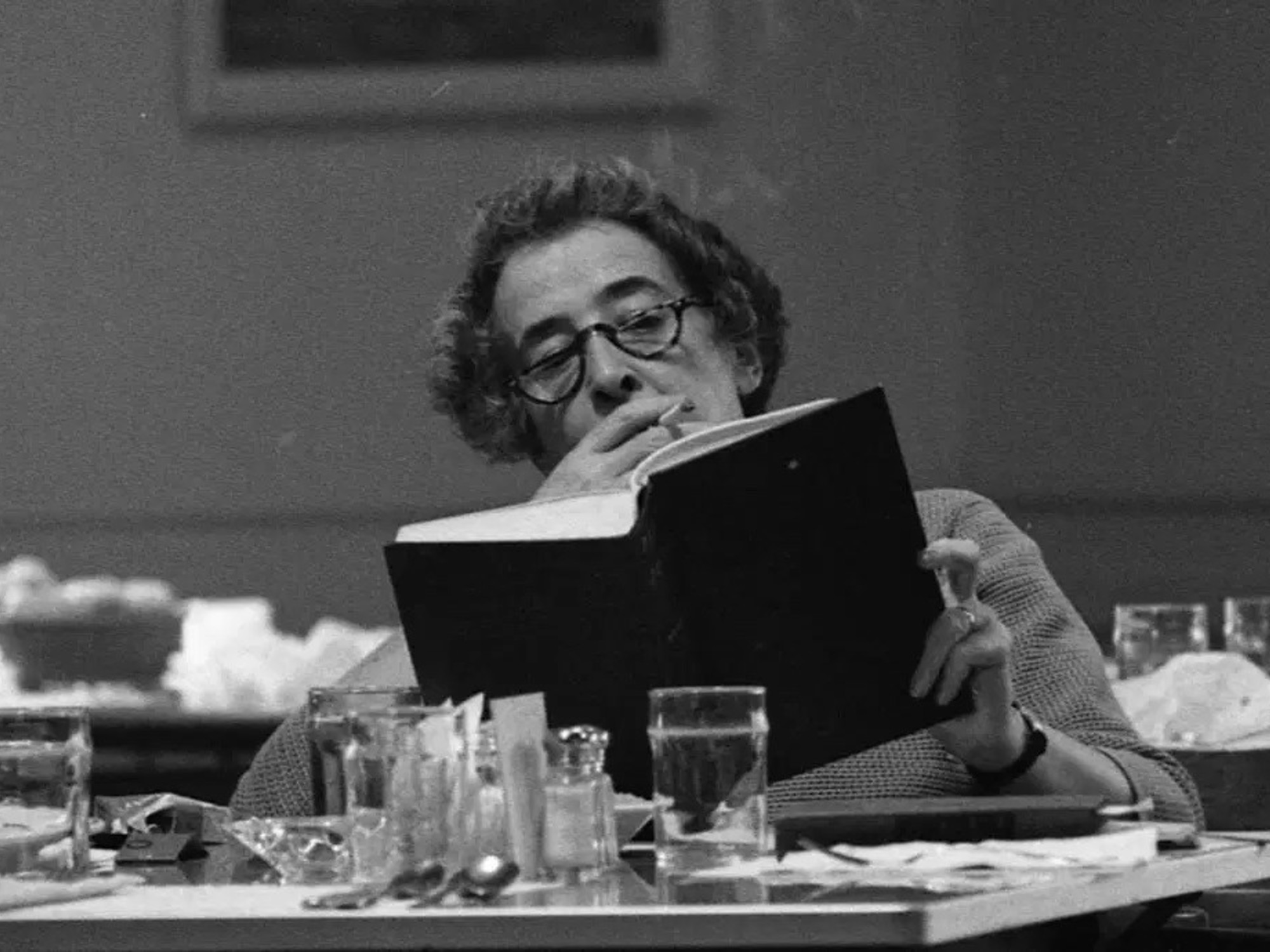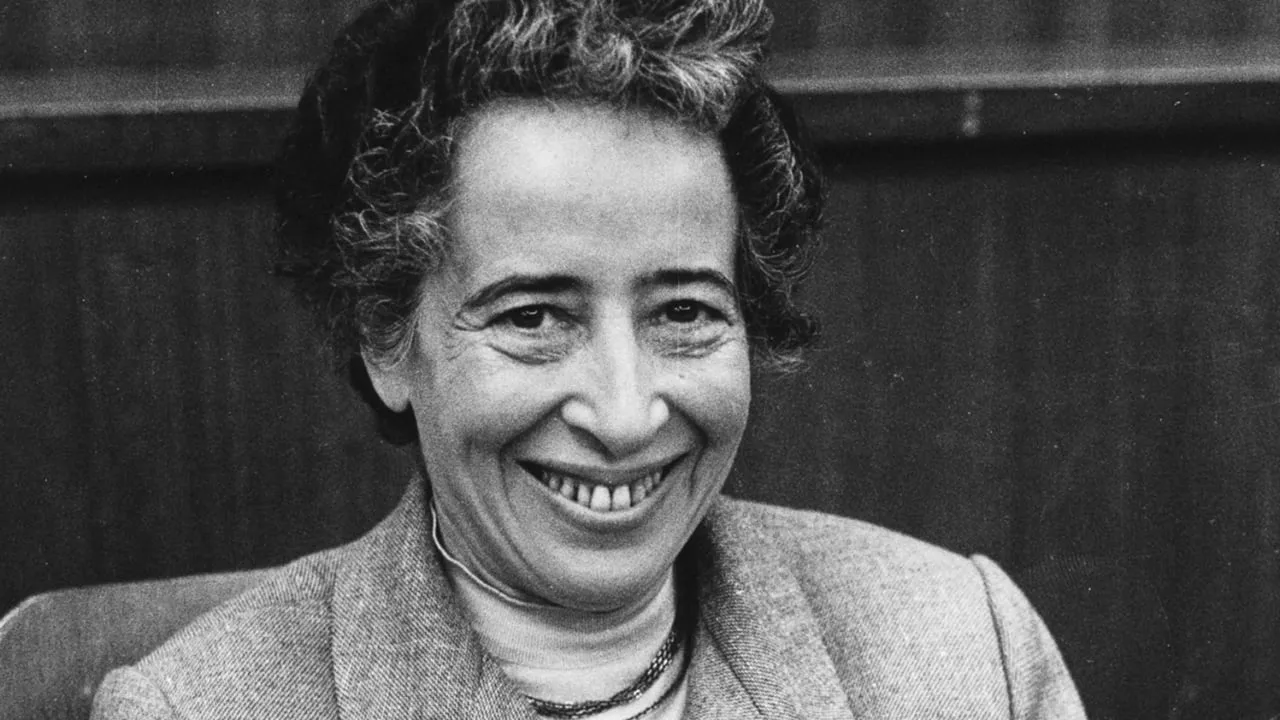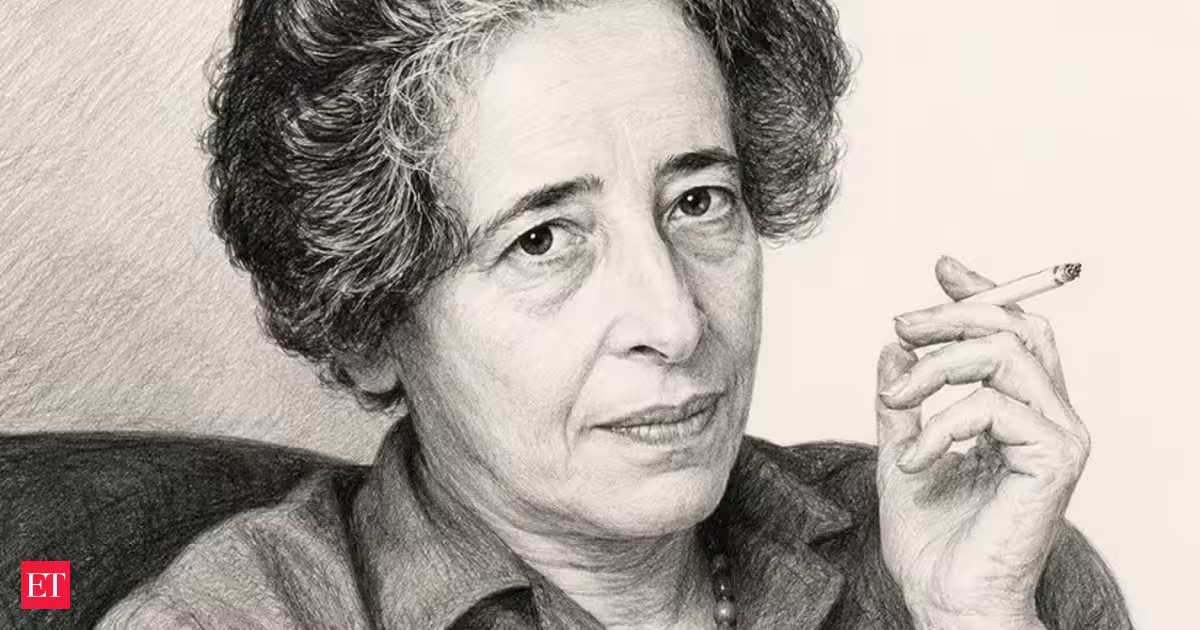
Quote of the day by Hannah Arendt: Hannah Arendt was one of the most influential political thinkers of the 20th century. Her work explored some of the hardest questions about power, freedom, responsibility and human behavior. Born in Germany in 1906, Arendt later became an American citizen and built a remarkable career as a writer, philosopher and political theorist. She is perhaps best known for her reporting and analysis of the 1961 trial of Nazi official Adolf Eichmann. Her book Eichmann in Jerusalem introduced the widely discussed idea of the 'banality of evil'. Arendt argued that terrible acts are not always committed by people who see themselves as monsters. Sometimes, ordinary people can participate in harmful systems by following orders, avoiding responsibility or failing to think critically. Her ideas remain widely discussed today because they raise difficult questions about how individuals respond to authority and make moral choices.HANNAH ARENDT'S EARLY LIFE AND EDUCATIONArendt was born on October 14, 1906, in Linden, Germany, into a secular Jewish family. She studied philosophy at the University of Marburg, where she studied under Martin Heidegger. She later completed her doctorate at the University of Heidelberg under Karl Jaspers. The rise of Adolf Hitler changed her life dramatically. Arendt left Germany in 1933 after being briefly arrested for her political activities. She eventually moved to the United States, where she continued writing and teaching.HANNAH ARENDT'S WORK ON TOTALITARIANISMArendt became especially interested in how totalitarian governments gain and maintain power. Her 1951 book, 'The Origins of Totalitarianism', examined Nazism and Stalinism and became one of her most important works. She argued that totalitarian movements could weaken traditional political and social structures while using propaganda, fear and mass movements to control people.QUOTE OF THE DAYYou Might Also Like:Quote of the day - "The sad truth is that most evil is done by people who never make up their minds to be good or evil," is widely attributed to German-born American political philosopher Hannah Arendt.MEANING OF THE QUOTEHannah Arendt’s quote highlights a powerful warning about the consequences of moral indifference. Arendt suggests that harmful actions do not always come from people who consciously decide to do evil. Sometimes, ordinary people cause harm because they stop questioning their actions, follow instructions blindly or simply go along with what others are doing. The quote highlights the importance of thinking for ourselves. When people avoid making moral choices, they can become part of actions that hurt others without fully considering the consequences. Silence, obedience and indifference can sometimes allow wrongdoing to continue. Arendt’s message is not that every person must constantly choose between being completely good or completely evil. Instead, she encourages us to remain aware of our choices and take responsibility for our actions. Ultimately, the quote reminds us that doing the right thing requires thought, courage and personal responsibility.THE 'BANALITY OF EVIL'Arendt’s most famous ideas emerged from her coverage of Adolf Eichmann’s 1961 trial in Jerusalem. Eichmann had been a senior Nazi official involved in organizing the deportation of Jews. In Eichmann in Jerusalem, Arendt described what she saw as the 'banality of evil'. She did not mean that Eichmann’s crimes were ordinary or harmless. Rather, she suggested that extreme wrongdoing can sometimes be carried out by people who fail to think deeply about the consequences of their actions. The idea sparked intense debate and remains central to discussions about morality and responsibility.You Might Also Like:HANNAH ARENDT'S LEGACY THAT STILL MATTERSArendt continued writing about freedom, political action, revolution and human responsibility throughout her life. Her books, including 'The Human Condition and 'On Revolution', remain influential in political thought.Arendt died in New York City on December 4, 1975, at age 69. Her work continues to challenge readers to think independently, question authority and consider the consequences of their choices. Her famous observations about evil and responsibility remain especially powerful because they ask a difficult question: What happens when people stop thinking for themselves?
Quote of the day by Hannah Arendt: 'The sad truth is that most evil is done by people who never make up their minds to be...' - Renowned political philosopher’s timeless wisdom on the dangers of moral indifference
Quote of the day by Hannah Arendt: Hannah Arendt, renowned for her significant contributions to 20th-century philosophy, dissected the 'banality of evil', suggesting that ordinary individuals can engage in heinous acts devoid of malicious intent. Her analysis traversed totalitarian regimes, urging the necessity of critical thought and ethical decision-making. Arendts insights inspire a continuous dialogue about questioning authority and recognizing individual accountability, cementing her legacy as a beacon of independent thought in modern society.
653 words~3 min read