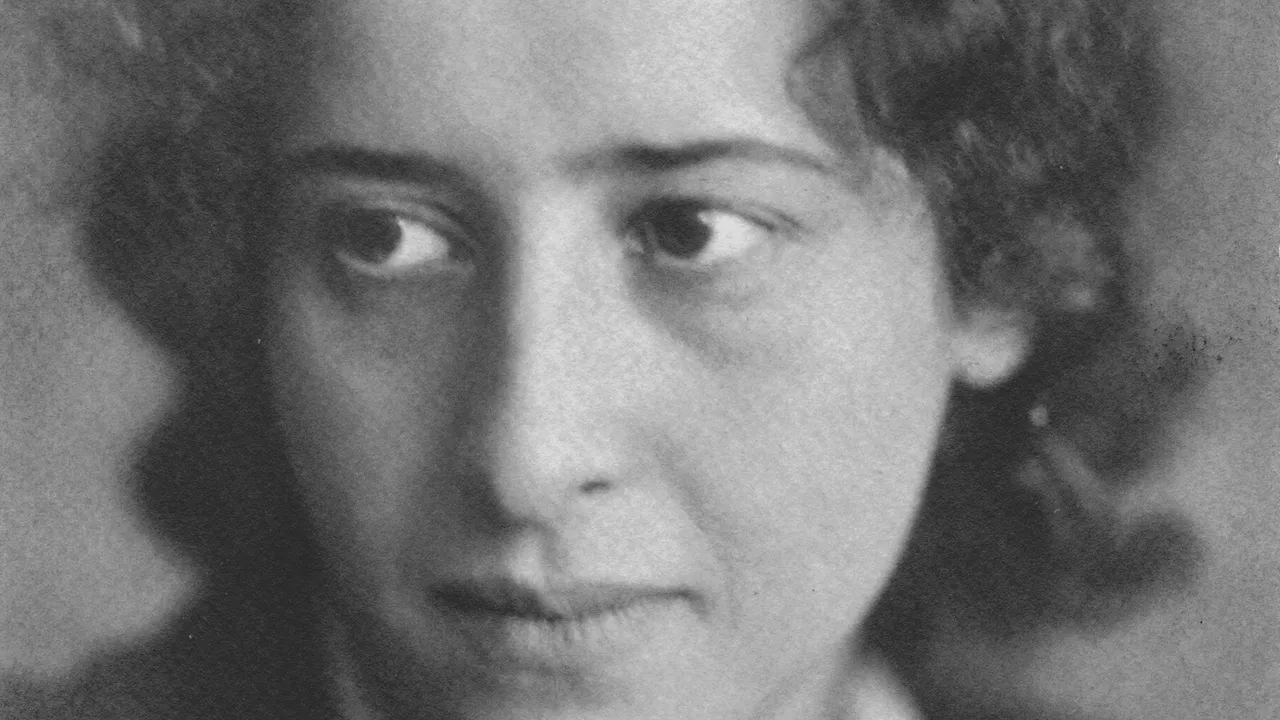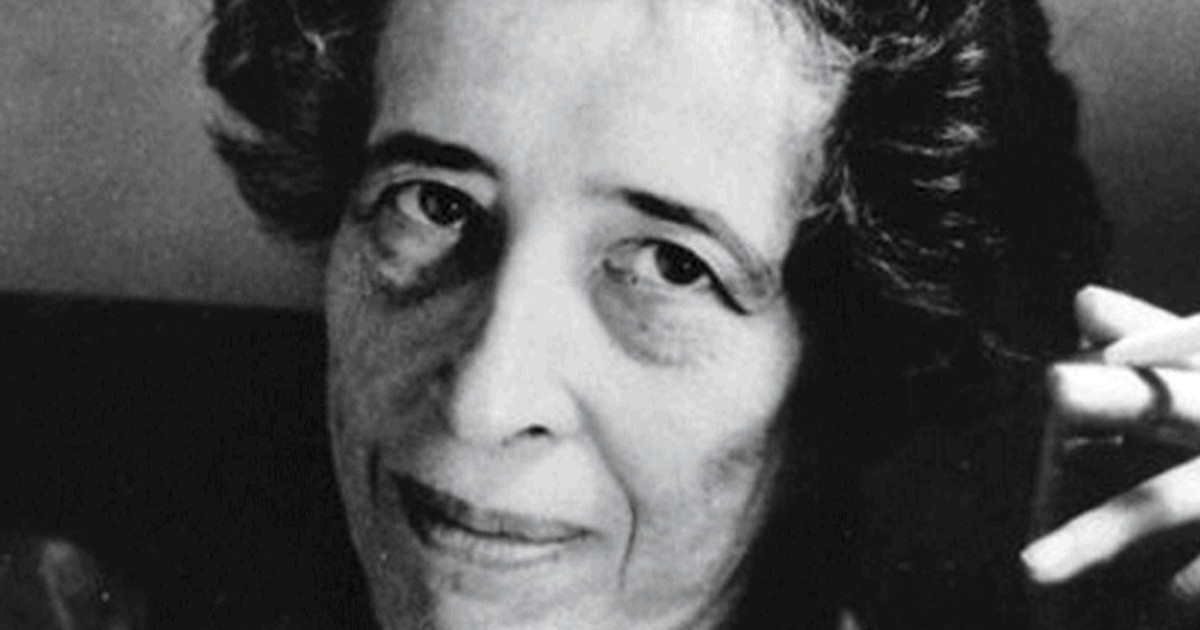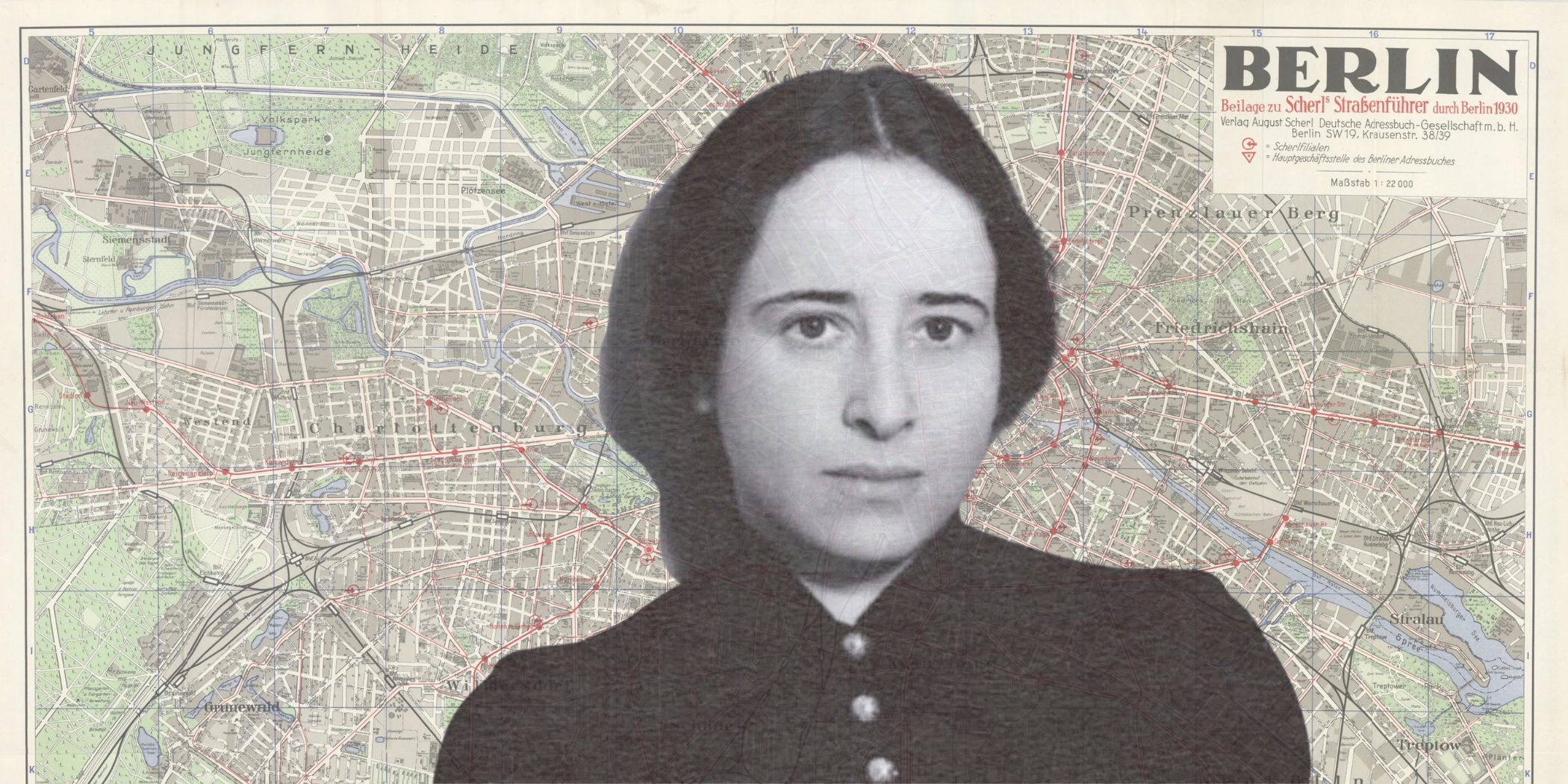
Hannah Arendt’s 1936 lectures in Paris, where she had spent the past year and a half, were the first signals to the émigré population at large that she still had something to say. They were her attempt to introduce her work on modern antisemitism, which had been announced back in 1934 and was almost complete. She wished to open her work for discussion, and in the process reword or improve some of its sections.Article continues after advertisement
The collection of Arendt’s papers includes a 159-page typed manuscript that was clearly intended for publication. The extant typescript, the last section of which (“The Aristocracy Turns Antisemitic”) notes that it is a “personal copy” and lacks a chapter number, is still incomplete; the last page of the text makes reference to a “next chapter.” Someone wrote the years “1937-38” on the manuscript, which might indicate that this was a written draft of the lectures. Very few texts written after 1933 are referenced here, so it would appear that at least large parts of the manuscript were planned for inclusion in the book project Arendt had mentioned back in 1934.
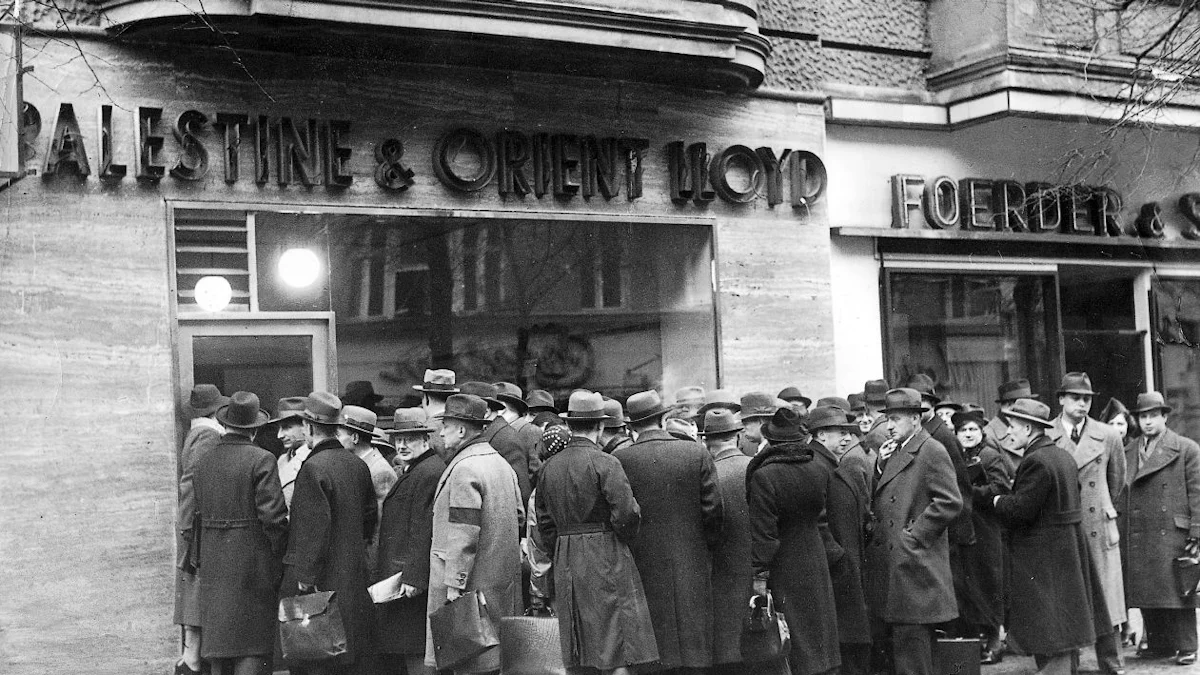
The chronology is significant here. Up to the time of the Nuremberg Laws of 1935, quite a few observers of the developments in Germany were undecided as to whether the National dictatorship would last. Not Arendt.