Get the latest news and updates from Dawn
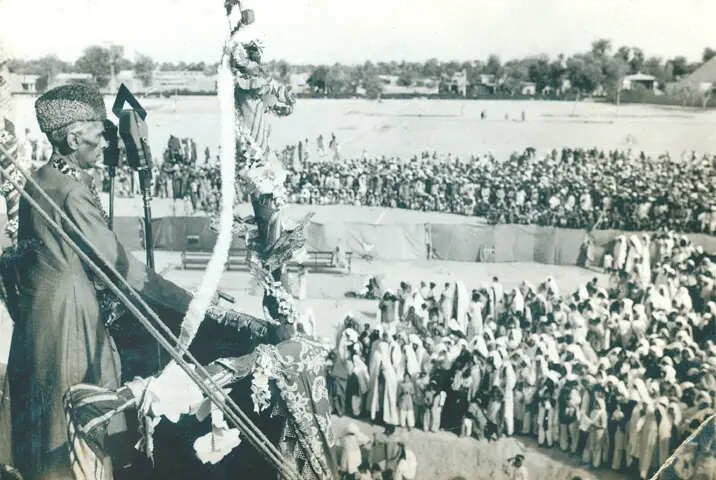
IN South Asia, the rise of Muslim political consciousness and the creation of Pakistan reflected a prolonged constitutional and political struggle led by Quaid-i-Azam Muhammad Ali Jinnah. The demand for Pakistan was rooted in the belief that the Muslims of British India constituted a distinct political community whose cultural, religious, and political interests required constitutional protection and effective political representation.
Pakistan’s national identity has consequently remained closely associated with the ideas that formed the raison d’être for the Pakistan Movement. Its history offers lessons that can be learnt from significant events, most notably the political crisis of 1971, which culminated in the separation of East Pakistan.
The post-1971 period also witnessed continuing debates over the nature of the federation, provincial autonomy, and national identity. These debates underline the importance of learning from history rather than using it to promote narrow political narratives. Pakistan’s political experience demonstrates that national cohesion depends not only on shared historical ideals but also on constitutional governance, political inclusion, social justice, and respect for diversity.