Get the latest news and updates from Dawn
THE people of Gilgit-Baltistan joined Pakistan at the time of independence after liberating the region from Dogra rule. It was a unanimous aspiration to become part of the Muslim state.
Assuming the relationship would be formalised through constitutional inclusion and political empowerment, GB’s people aligned themselves with mainstream Pakistani political parties, unlike Azad Kashmir, where indigenous political parties continued to play a significant role.
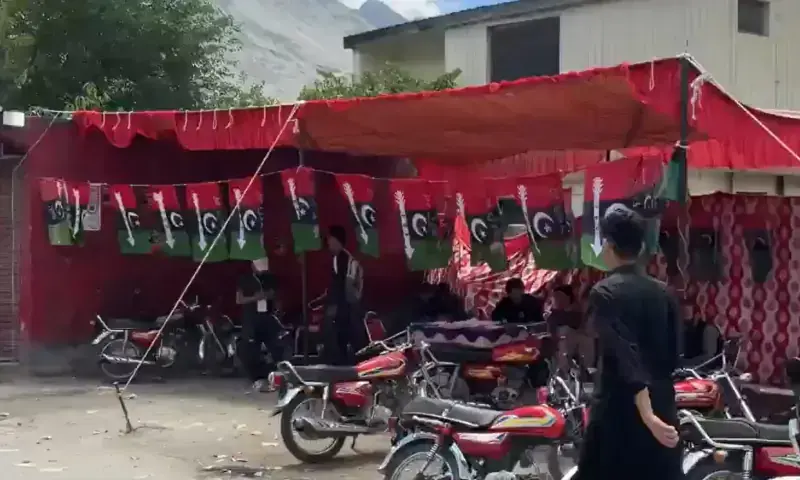
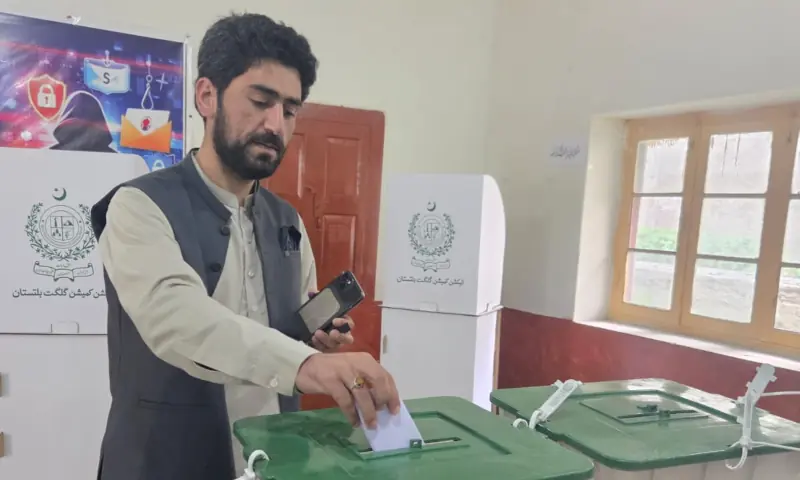
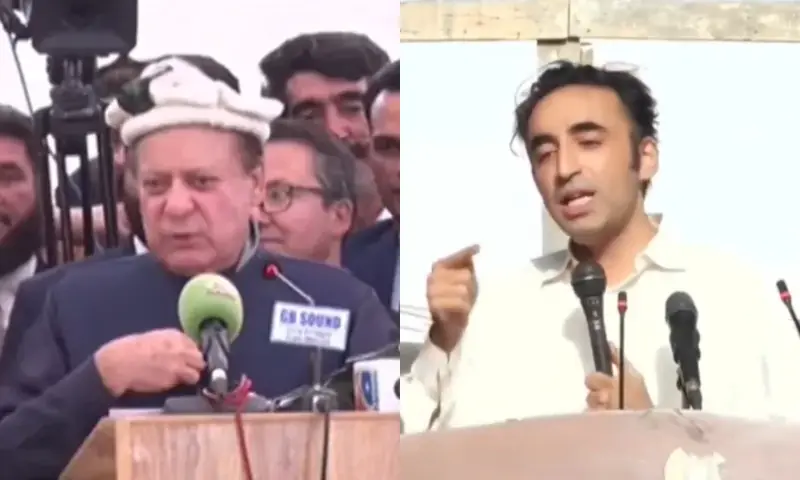
Unfortunately, instead of the evolution of a locally rooted political architecture or democratic compact specific to GB, governance came to be dominated by the PML-N, PPP and PTI, who viewed GB through the lens of national power politics, strategic utility, electoral expansion, patronage and resource control, rather than genuine political empowerment. Consequently, while there are elected governments, there’s no meaningful self-governance.
The first problem is the absence of a consistent ideological commitment by these parties to resolving GB’s constitutional status. Promises of autonomy, reforms and provisional provincial status are repeatedly made during elections, but not one party has delivered on their pledge when in federal power. The unresolved constitutional ambiguity serves the interests of centralised authority because it allows decisive control without assuming full constitutional obligations.