Get the latest news and updates from Dawn
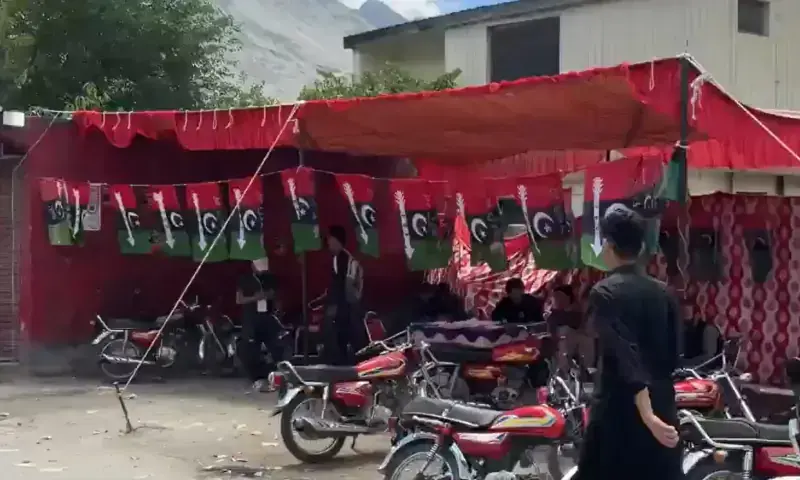
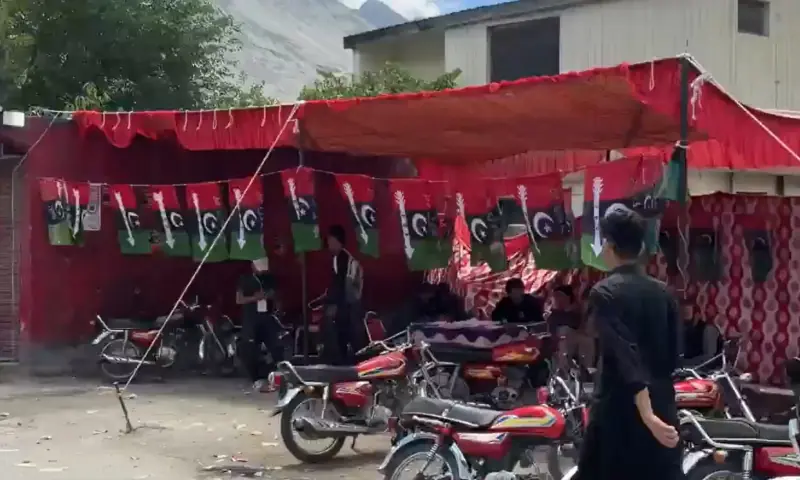
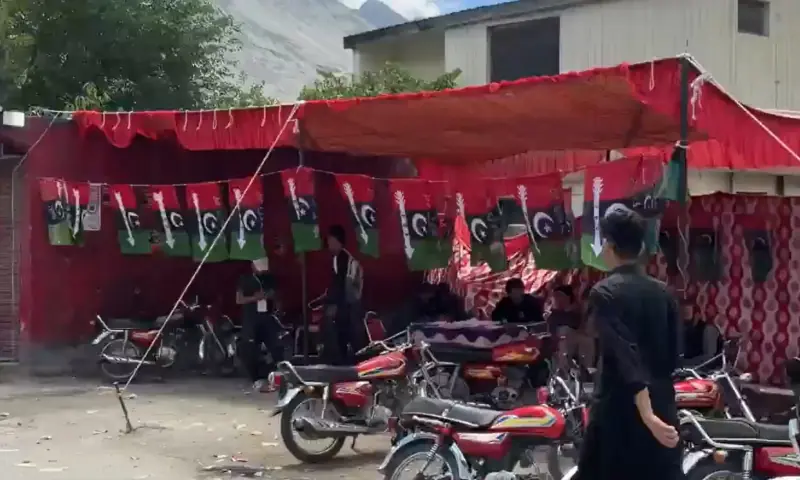
THE electoral process in Gilgit-Baltistan has concluded peacefully, despite initial concerns arising from the violent protests that erupted after the US and Israeli strikes on Iran.
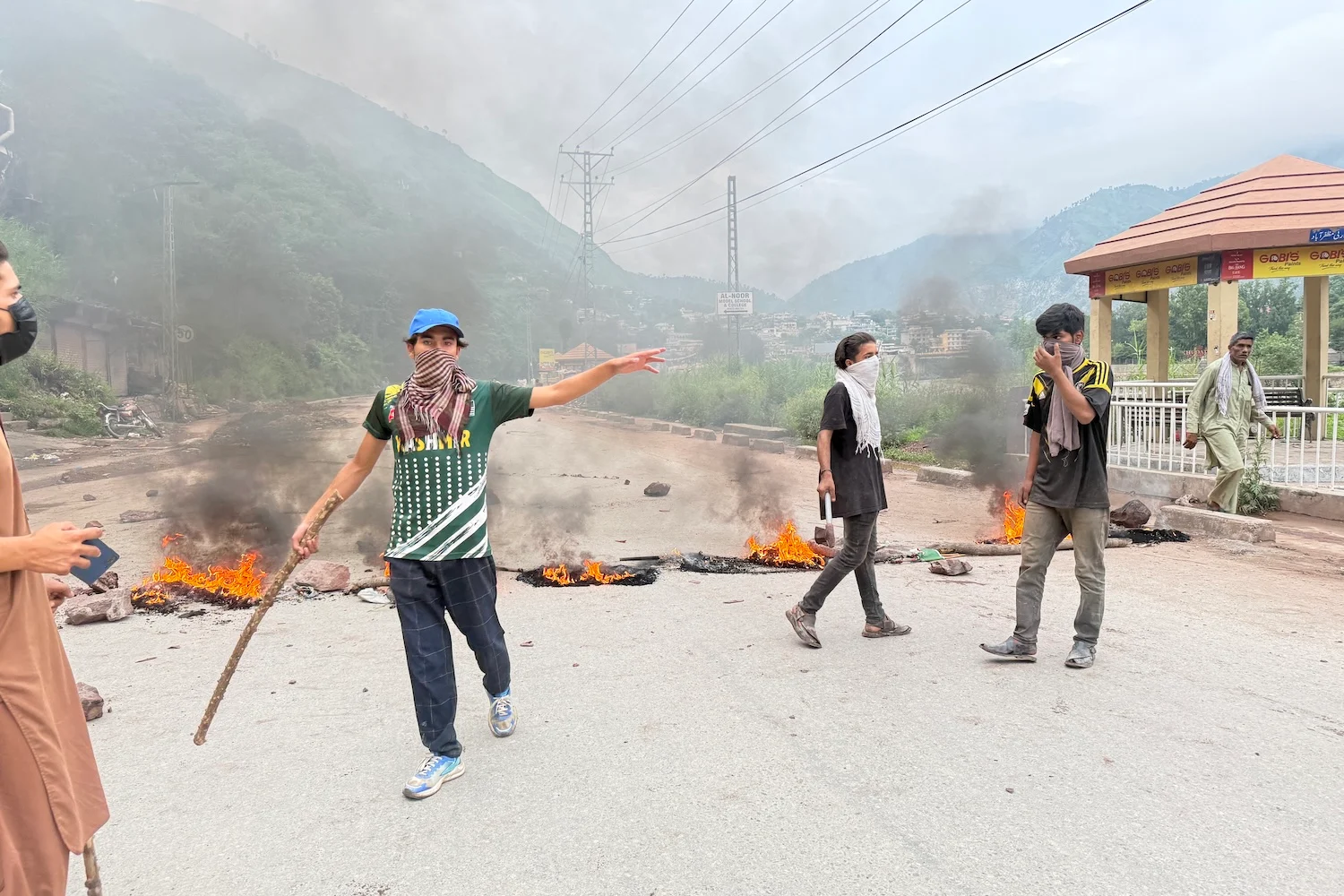
In contrast, developments in Pakistani Kashmir are concerning, particularly as the region approaches elections scheduled for July 27. The GB case was managed with a combination of political engagement and coercive measures. Kashmir, however, has emerged as a poorly managed case in which dialogue and political processes were eventually suspended, and the state relied on coercive measures.
Though both peripheral regions are part of a similar constitutional framework, Kashmir is exceptionally sensitive, both geopolitically and strategically. Handling political disputes in such a region requires utmost vigilance, patience and care. The ongoing confrontation surrounding the Jammu Kashmir Joint Awami Action Committee illustrates how the failure of political management can quickly turn a constitutional issue into a broader crisis.
The central demand of the JAAC concerns the 12 seats reserved for refugees from Indian-occupied Jammu and Kashmir who settled in mainland Pakistan after 1947. Local Kashmiris and the JAAC argue that these seats distort local democracy because the voters for these constituencies do not actually reside in Azad Kashmir.