Get the latest news and updates from Dawn
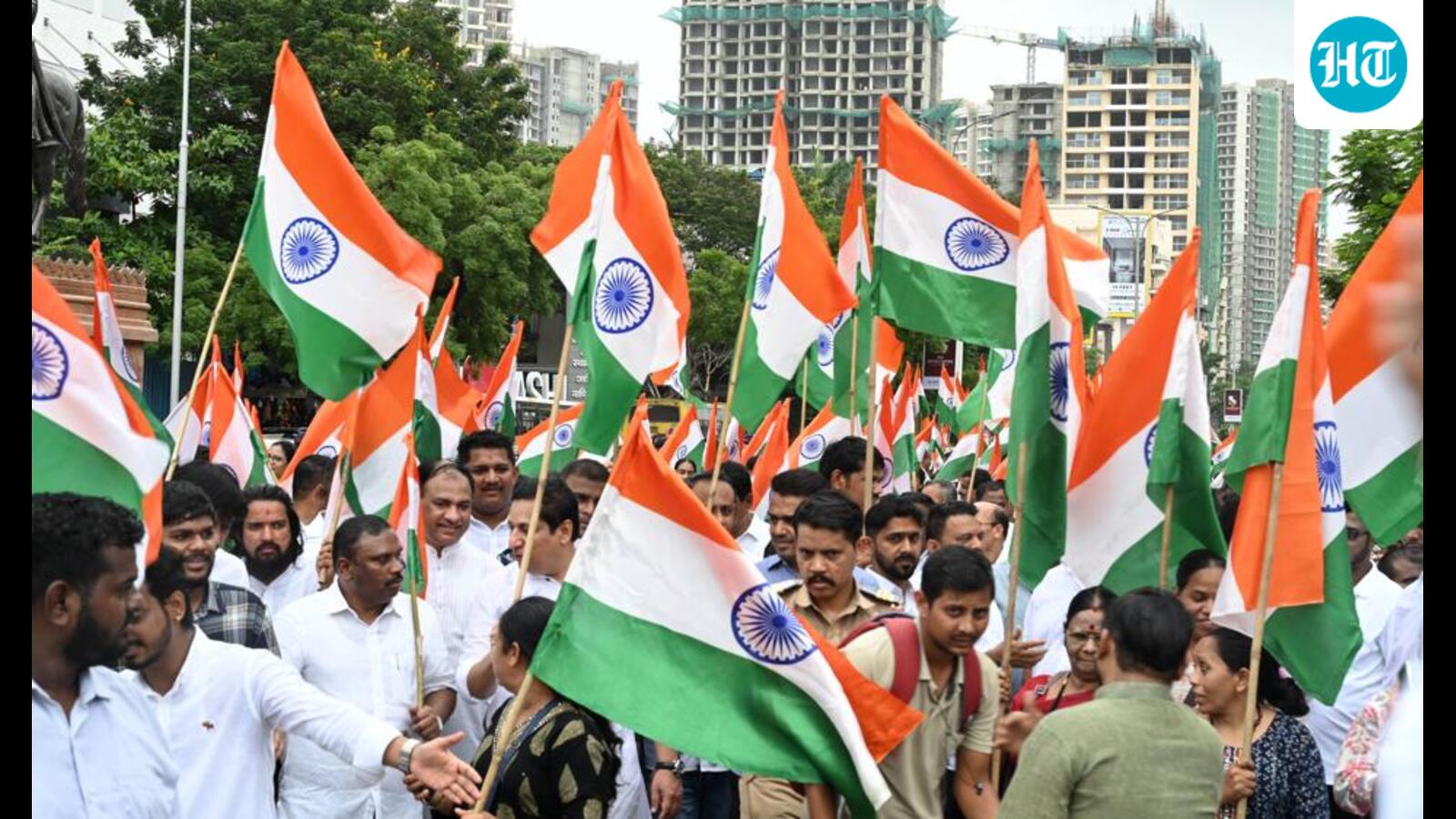
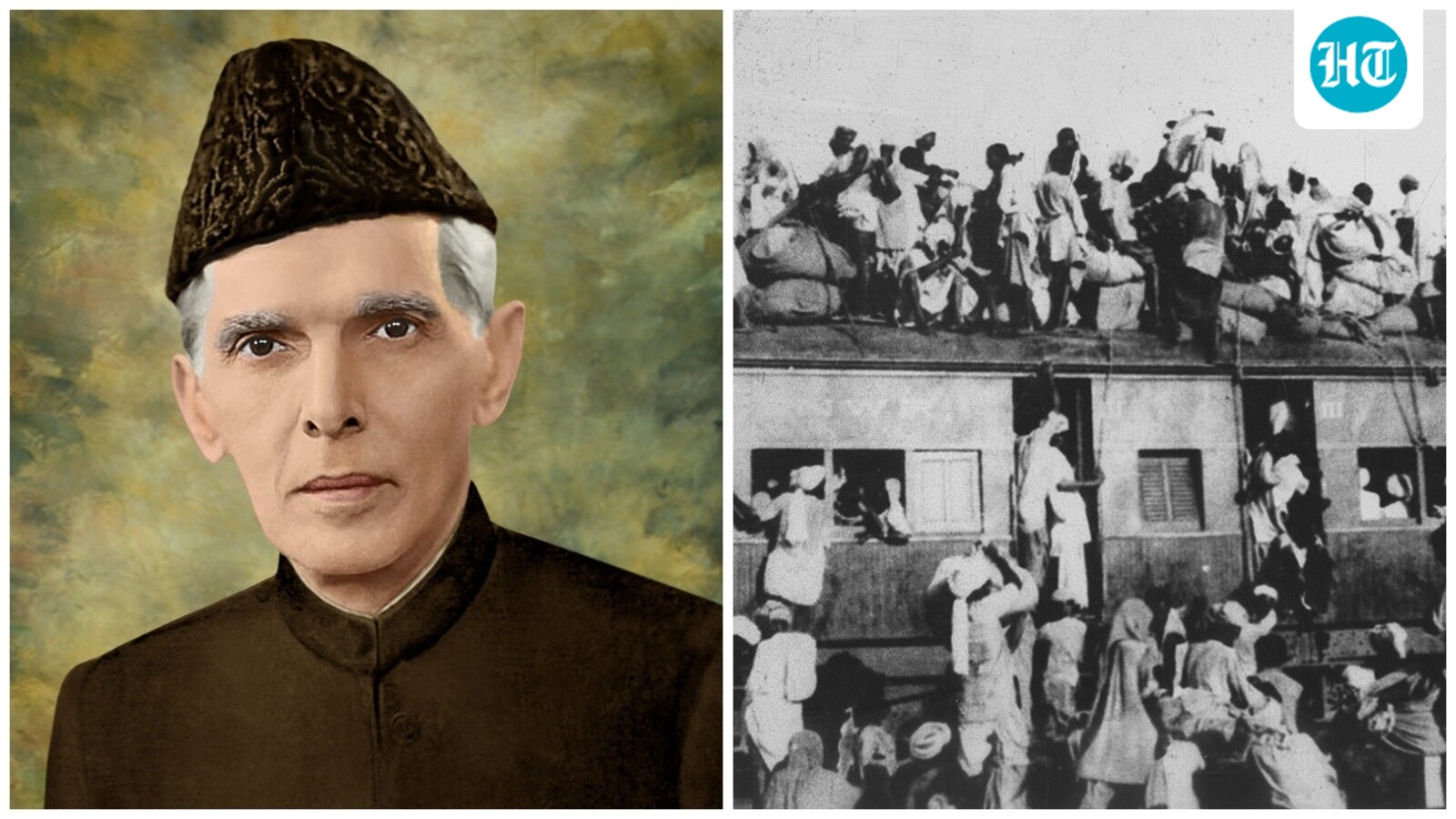
EVERY August, we raise the flag and call ourselves free. But on the first morning of that freedom, in 1947, Faiz, in Subh-i-Azadi, looked at the long-awaited dawn and said it was not the one: ‘yeh daagh daagh ujala, yeh shab-gazida sehar’ — this stained, night-bitten dawn is not the morning we had set out for. Seventy-nine years on, our national day deserves an honest question: did we win a country and quietly postpone its freedom? In 1947, we changed the nationality of our rulers and left the harder task — changing the nature of rule — to a later generation. That is our unfinished independence — still ours to finish.
Begin with the one thing the British empire left behind that no repeal can reach: not a law, but a habit of mind. Colonial rule does not merely occupy a land; it occupies the imagination of those it governs, teaching them to see themselves through the ruler’s eyes — as subjects to be managed, not citizens to be served; supplicants at a counter, not owners of the state. Ashis Nandy called colonialism, above all, a colonisation of the mind — a condition that outlives the flag.
This servility was not an accident of empire; it was its design. In 1835, Lord Macaulay told the British that education in India should produce a class of persons, Indian in blood and colour, but English in taste, in opinions, in morals, and in intellect — trained not to rule but to serve. That reflex — to defer, to request rather than require, to treat power as something that happens to us rather than something that belongs to us — is the empire’s most durable export.