News
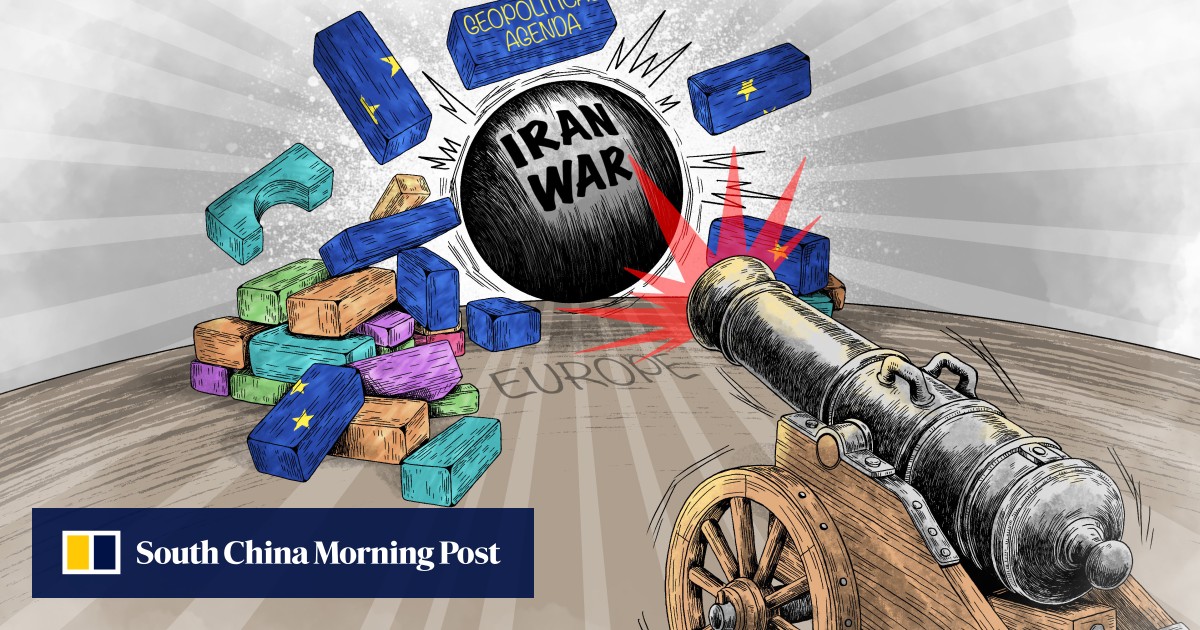
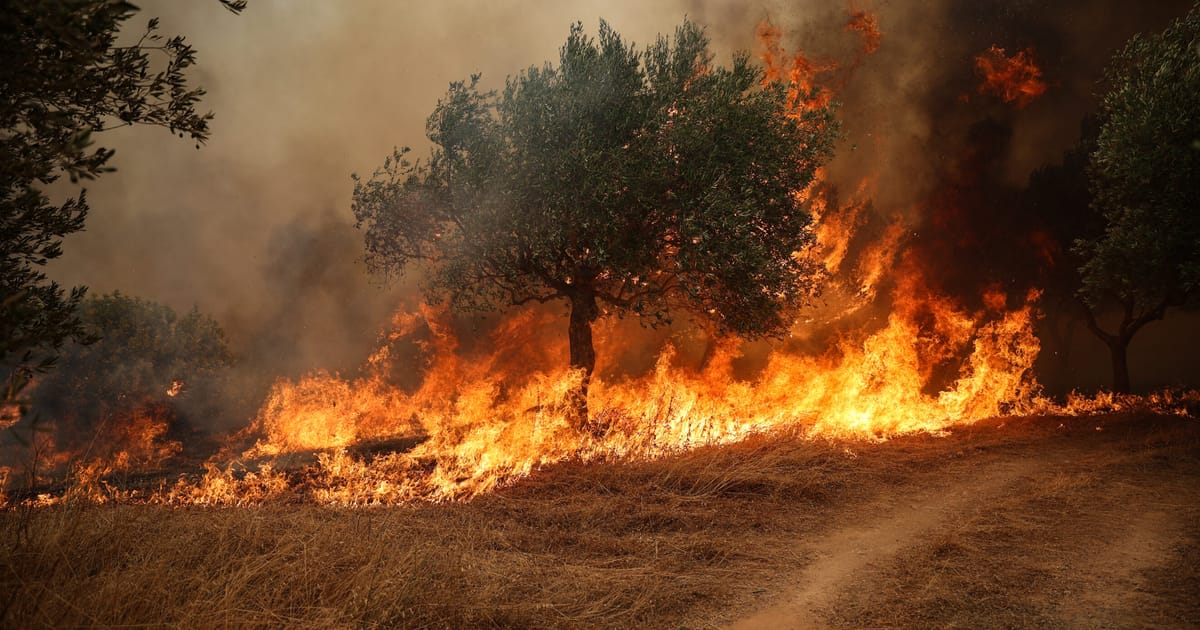
BRUSSELS — Geopolitical crises and natural disasters have an annoying habit of rocking Europe in the middle of summer, when the bloc’s political leaders are off soaking up the sun or unplugging in some bucolic retreat.
While the continent’s governments have proved remarkably adept at functioning with their leaders on holiday, in a crisis, being seen to be present can matter almost as much as actually being there.
“Emotions play an important role in crisis communication,” said Olga Eisele, a crisis-communications researcher at the University of Amsterdam. “People are likely insecure, anxious, maybe furious or depressed about having lost things or even people, and want these emotions to be heard by those in charge.”
“Physical presence can signal much more effectively that these emotions are taken seriously and are heard,” she added.