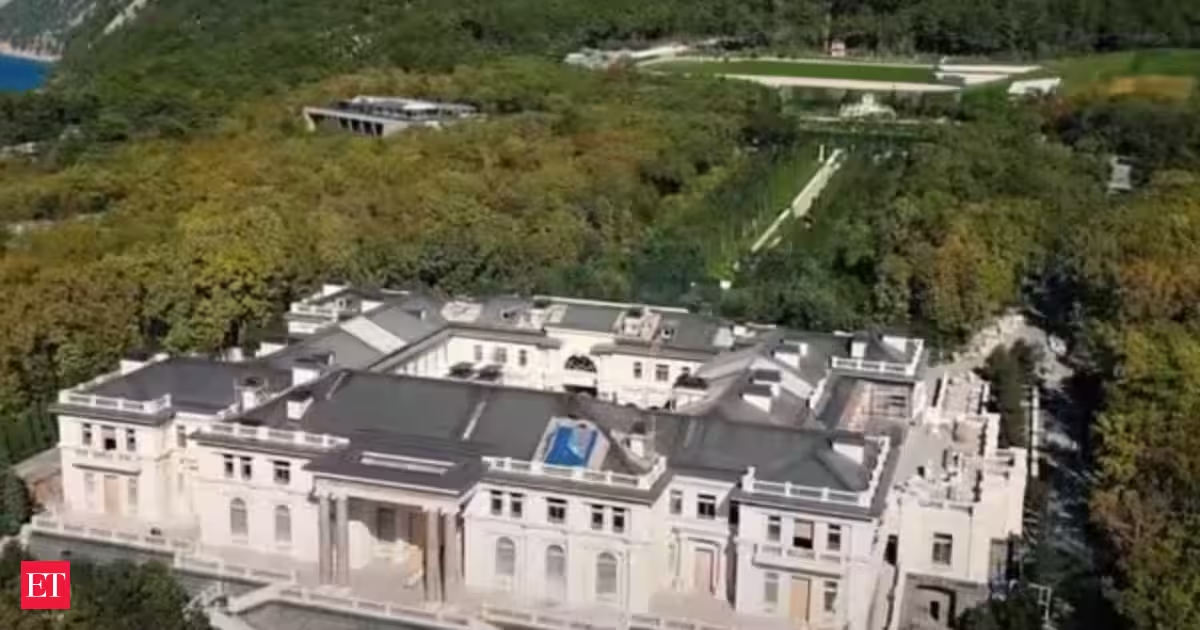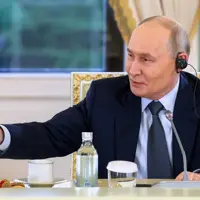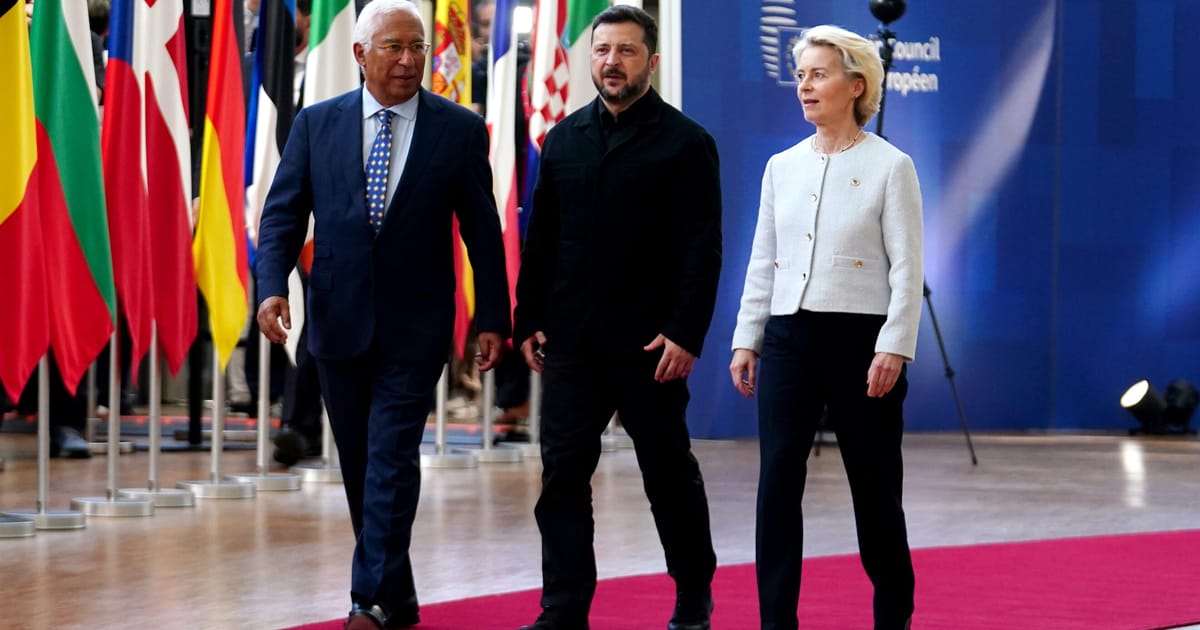
Some EU leaders are heading to fancy hotels and mansions around Europe as politics slows down for summer, but Russian president Vladimir Putin is not expected at his beloved Black Sea palace due to Ukrainian drones.
The slow-down will see the EU Council, European Commission, and European Parliament in Brussels cut activity to a minimum, as many EU officials leave the city in mid-July.
The Irish EU presidency will still invite ministers to Dublin for informal talks on education on Monday (20 July) and the environment on Thursday (23 July), as well as fish (28 July), defence (31 July), and foreign affairs (1 September) later on, but the next executive meeting will be a “general affairs” council on 22 September.
EU diplomats in Brussels will also keep holding “working group” meetings (some 15 a day, on various issues, in late July), while hoping to pin down new Russia and Israel sanctions, but these meetings taper off to five a day, then one a day, to zero in August.
“Special meetings and video conferences have been convened during August when required [in the past], including at ministerial level where necessary [if there was an unforeseen crisis],” an EU official said.