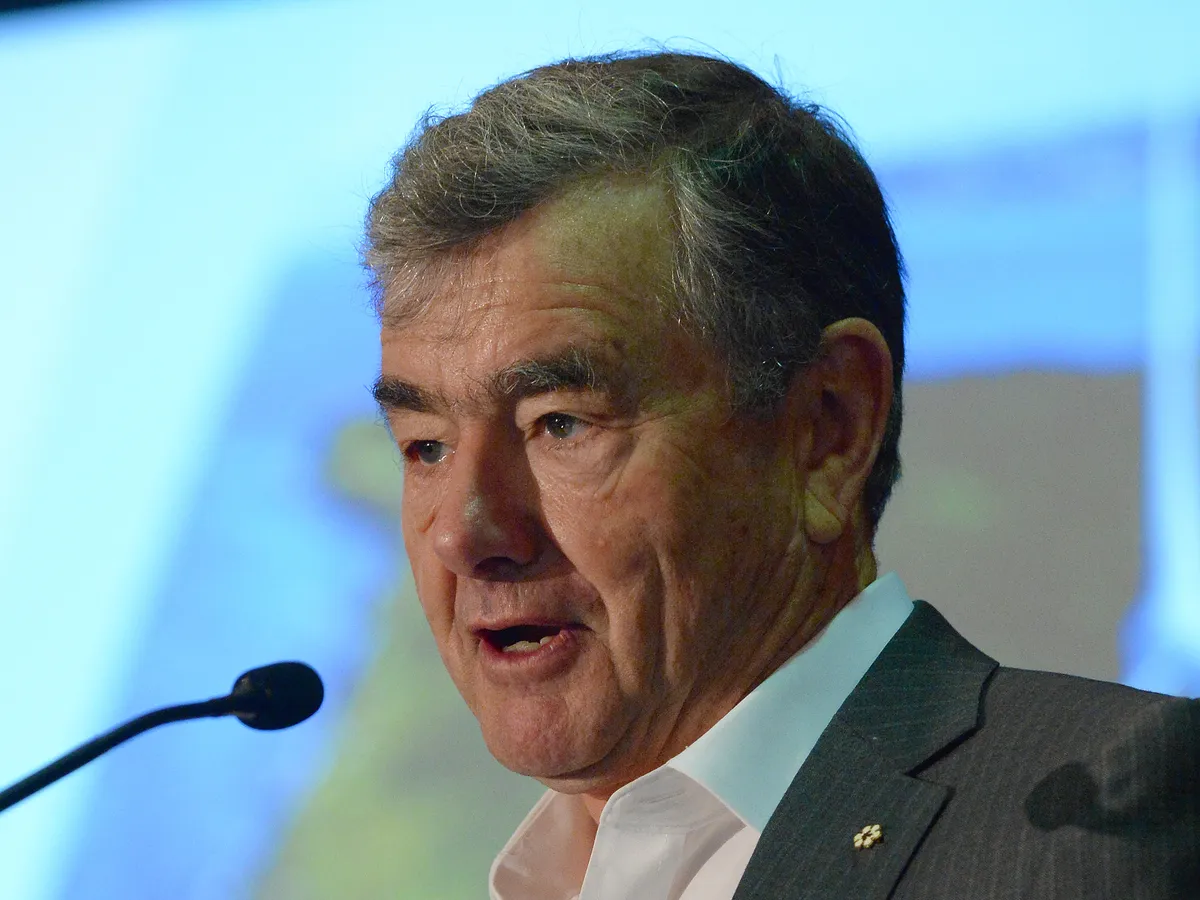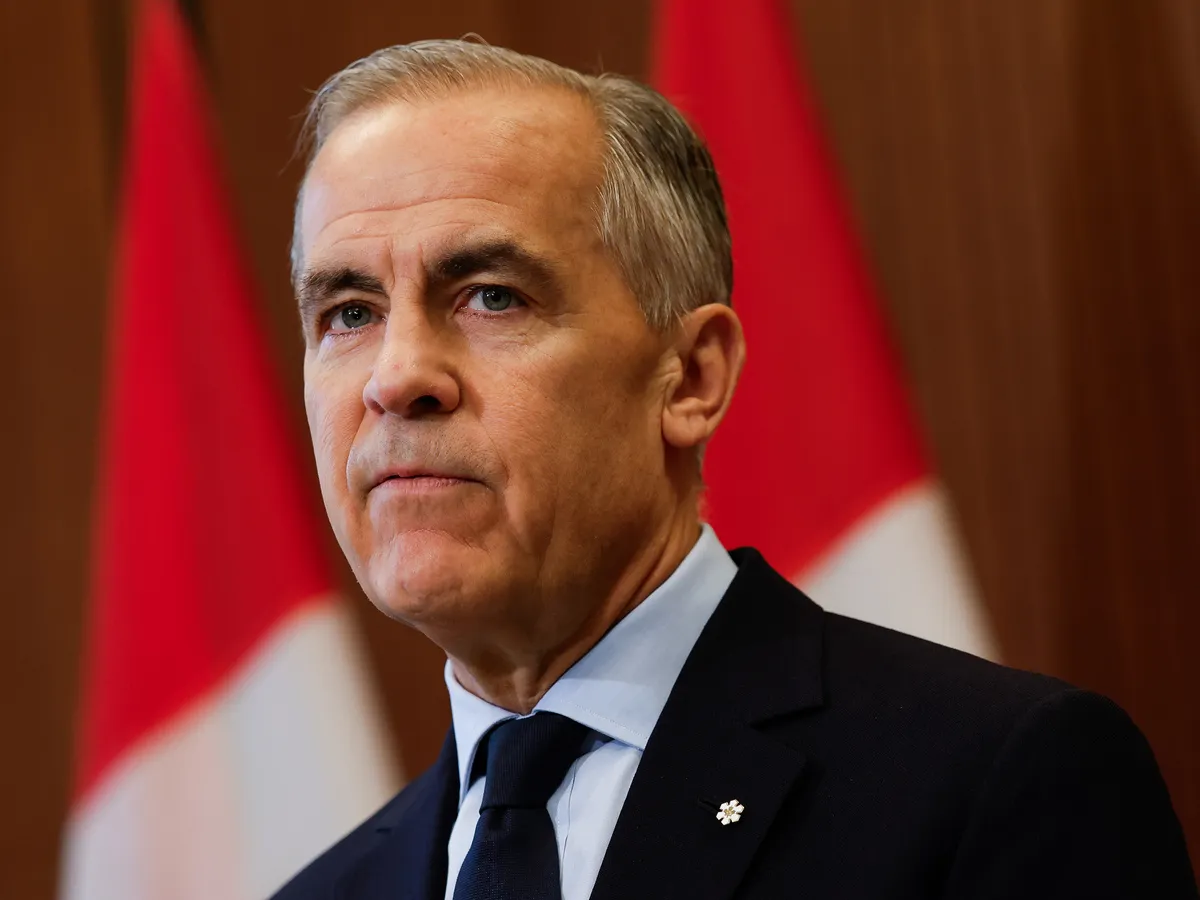
Skip to Content News Archives Economy Energy Oil & Gas Renewables Electric Vehicles Mining Commodities Agriculture Real Estate Mortgages Mortgage Rates Finance Banking Insurance Fintech Cryptocurrency Work Wealth Smart Money Wealth Management Investor Personal Finance Family Finance Retirement Taxes High Net Worth FP Comment Executive Women Puzzmo Newsletters Financial Times Business Essentials More Innovation Information Technology FP500 Podcasts Small Business Lives Told Tails Told Shopping Financial Post Store Obituaries Place a Notice Advertising Advertising With Us Advertising Solutions Postmedia Ad Manager Sponsorship Requests Classifieds Place a Classifieds ad Working Profile Settings My Subscriptions Saved Articles My Offers Newsletters Customer Service FAQ News Economy Energy Mining Real Estate Finance Work Wealth Investor FP Comment Executive Women Puzzmo Newsletters Financial Times Business Essentials HomeFinanceBrookfield's Bruce Flatt says wider industry's private credit woes aren't a systemic problemFocus on hard assets in which Brookfield has operational expertise limits underwriting risk, CEO says You can save this article by registering for free here. Or sign-in if you have an account.Brookfield Corp. CEO Bruce Flatt in May 2026. Photo by Patrick T. Fallon/AFP via Getty Images/FileThe head of Brookfield Corp. doesn’t think there is a systemic problem in the private credit sector, which has expanded rapidly but faces concerns due to its lack of transparency and increasing default rates.Subscribe now to read the latest news in your city and across Canada.Exclusive articles from Barbara Shecter, Joe O'Connor, Gabriel Friedman, and others.Daily content from Financial Times, the world's leading global business publication.Unlimited online access to read articles from Financial Post, National Post and 15 news sites across Canada with one account.National Post ePaper, an electronic replica of the print edition to view on any device, share and comment on.Daily puzzles, including the New York Times Crossword.Subscribe now to read the latest news in your city and across Canada.Exclusive articles from Barbara Shecter, Joe O'Connor, Gabriel Friedman and others.Daily content from Financial Times, the world's leading global business publication.Unlimited online access to read articles from Financial Post, National Post and 15 news sites across Canada with one account.National Post ePaper, an electronic replica of the print edition to view on any device, share and comment on.Daily puzzles, including the New York Times Crossword.Create an account or sign in to continue with your reading experience.Access articles from across Canada with one account.Share your thoughts and join the conversation in the comments.Enjoy additional articles per month.Get email updates from your favourite authors.Create an account or sign in to continue with your reading experience.Access articles from across Canada with one accountShare your thoughts and join the conversation in the commentsEnjoy additional articles per monthGet email updates from your favourite authorsSign In or Create an Accountor“We do not … view today’s environment as a systemic problem, the area attracting the most attention represent only a very small part of the broader credit market,” Brookfield chief executive Bruce Flatt said in a letter to shareholders following the release of the company’s second-quarter results on Thursday. “What we are seeing is merely a healthy adjustment following a period in which abundant capital led underwriting standards to become too loose in parts of the market.”Private credit, or lending by non-banks through privately negotiated deals, has proliferated in recent years.Breaking business news, incisive views, must-reads and market signals. Weekdays by 9 a.m.By signing up you consent to receive the above newsletter from Postmedia Network Inc.A welcome email is on its way. If you don't see it, please check your junk folder.The next issue of Posthaste will soon be in your inbox.We encountered an issue signing you up. Please try again“Strong investor demand has allowed private credit to expand into larger loans and a wider set of borrowers,” the Bank of Canada said in a report in May.But because many of the lenders are not publicly traded, they are not obligated to make regular disclosures. That gives regulators less visibility into where risks may be building and how losses could spread through the financial system.“High‑profile bankruptcies of several U.S. firms financed by private credit have raised questions about underwriting standards,” the Bank of Canada said. “Growing links between private credit funds and banks could allow stress in the sector to spread to the broader financial system.”Private credit lending to businesses in Canada remains limited, but the potential for spillovers through global markets and financial institutions reinforces the need for continued monitoring, the central bank said.In July, Brookfield completed its acquisition of Oaktree Capital Management Inc., a U.S.-based investment firm that specialized in alternative investments, including private credit.Flatt said in the letter that the risks in private credit have received a lot of attention, but that the concerns are mainly about loans given to private equity-backed borrowers and software businesses. Brookfield, he said, is focused more on hard assets such as real estate and infrastructure, in which it has decades of experience.“Lending against the same types of assets and businesses that we own and operate gives us a better understanding of asset values, cash flows and downside risk,” he said. “That understanding is especially valuable when markets become more complex and underwriting discipline matters most.”The acquisition of Oaktree has also significantly expanded Brookfield’s presence in the United States. More than 60 per cent of its investment and asset management employees are now based in the U.S., the letter said.Flatt said that the global economy has held up well despite the conflict in the Middle East and the resulting energy supply constraints. Investments related to artificial intelligence have also continued to support growth.Factors such as high energy prices and the uncertainty around interest rates may be causing some tension in the short term, but he said none of these will matter too much in the long term.“There’s no shortage of noise in the markets today,” he said on a conference call with analysts on Thursday. “While these factors may influence markets in the near term, our focus remains on firmly building long-term value across the business.”For the second quarter, Brookfield Corp. reported 15 per cent growth in distributable earnings before realizations per share, which measures the cash earnings the company could pay to shareholders. Its DE of 66 cents per share was ahead of analysts’ expectations of 64 cents. The company’s distributable earnings increased to US$1.4 billion, compared to US$1.25 billion during the same period last year. Its net income for the quarter was $364 million.nkarim@postmedia.com Join the Conversation This website uses cookies to personalize your content (including ads), and allows us to analyze our traffic. Read more about cookies here. By continuing to use our site, you agree to our Terms of Use and Privacy Policy.
Brookfield's Bruce Flatt says wider industry's private credit woes aren't a systemic problem
Focus on hard assets in which Brookfield has operational expertise limits underwriting risk, Bruce Flatt says
TL;DRAI
Brookfield CEO dismisses private credit sector risks as a healthy correction, not systemic, following Oaktree's acquisition. The firm's focus on hard assets (real estate, infrastructure) versus troubled PE/software loans gives better underwriting discipline and risk visibility.
1,098 words~5 min read