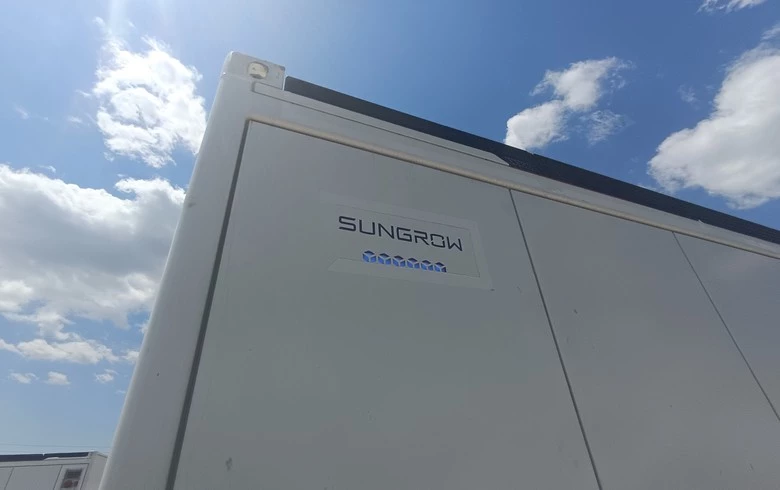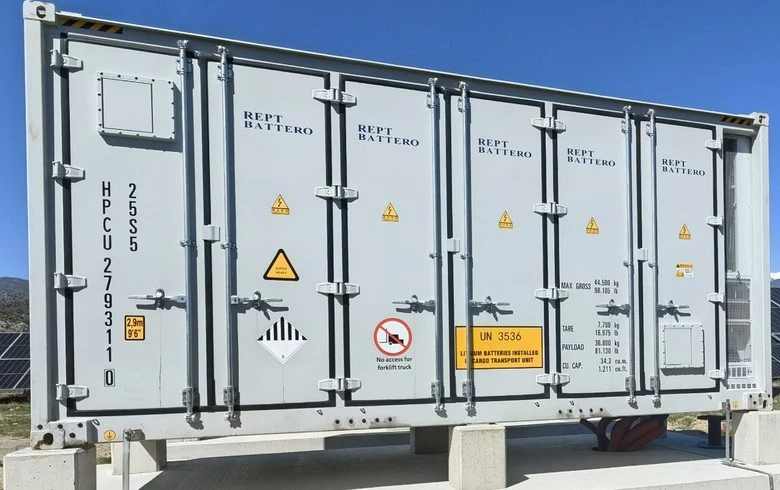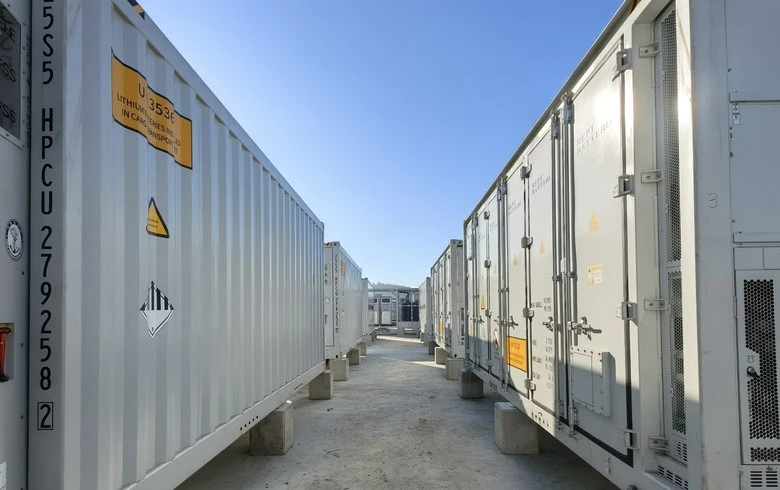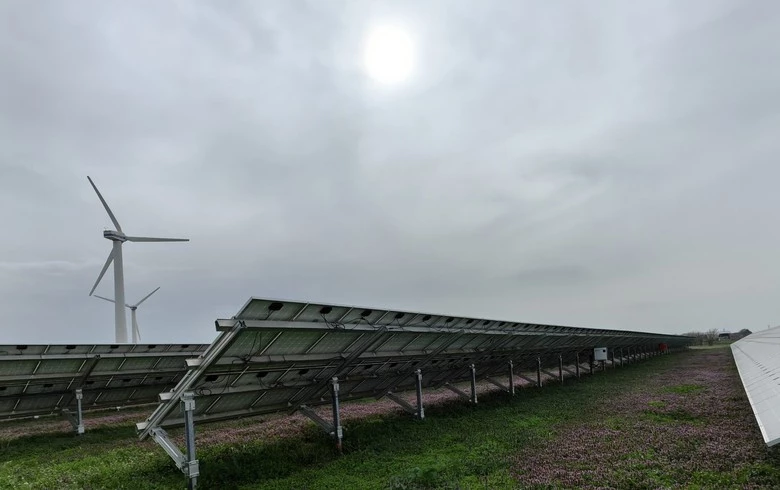
Skip to Content News Archives Economy Energy Oil & Gas Renewables Electric Vehicles Mining Commodities Agriculture Real Estate Mortgages Mortgage Rates Finance Banking Insurance Fintech Cryptocurrency Work Wealth Smart Money Wealth Management Investor Personal Finance Family Finance Retirement Taxes High Net Worth FP Comment Executive Women Puzzmo Newsletters Financial Times Business Essentials More Innovation Information Technology FP500 Podcasts Small Business Lives Told Tails Told Shopping Financial Post Store Obituaries Place a Notice Advertising Advertising With Us Advertising Solutions Postmedia Ad Manager Sponsorship Requests Classifieds Place a Classifieds ad Working Profile Settings My Subscriptions Saved Articles My Offers Newsletters Customer Service FAQ News Economy Energy Mining Real Estate Finance Work Wealth Investor FP Comment Executive Women Puzzmo Newsletters Financial Times Business Essentials HomeRenewablesInvestorBrookfield sees energy deals targeting batteries displacing standalone solar, windThere are several reasons why a pairing of generation with storage might be preferable to simply procuring powerAuthor of the article:Last updated 1 hour ago You can save this article by registering for free here. Or sign-in if you have an account.Brookfield expects energy storage to play a central role in strengthening grid reliability and enabling the deployment of low-cost clean power to meet demand. Photo by Peter J. Thompson/PostmediaBrookfield Asset Management Ltd. says contracts that pair clean energy generation with battery storage options are starting to replace pure renewables deals.Subscribe now to read the latest news in your city and across Canada.Exclusive articles from Barbara Shecter, Joe O'Connor, Gabriel Friedman, and others.Daily content from Financial Times, the world's leading global business publication.Unlimited online access to read articles from Financial Post, National Post and 15 news sites across Canada with one account.National Post ePaper, an electronic replica of the print edition to view on any device, share and comment on.Daily puzzles, including the New York Times Crossword.Subscribe now to read the latest news in your city and across Canada.Exclusive articles from Barbara Shecter, Joe O'Connor, Gabriel Friedman and others.Daily content from Financial Times, the world's leading global business publication.Unlimited online access to read articles from Financial Post, National Post and 15 news sites across Canada with one account.National Post ePaper, an electronic replica of the print edition to view on any device, share and comment on.Daily puzzles, including the New York Times Crossword.Create an account or sign in to continue with your reading experience.Access articles from across Canada with one account.Share your thoughts and join the conversation in the comments.Enjoy additional articles per month.Get email updates from your favourite authors.Create an account or sign in to continue with your reading experience.Access articles from across Canada with one accountShare your thoughts and join the conversation in the commentsEnjoy additional articles per monthGet email updates from your favourite authorsSign In or Create an Accountor“There’s a lot of renewables being built in many markets, and the attractiveness of these renewable megawatt hours in the middle of the day is declining to a point where many large off-takers no longer want standalone solar,” said Arnaud Jouvin, who leads Brookfield’s global energy storage strategy.Instead, it’s all about “the ability to shift these lower value megawatt hours, or lower value energy, to the high-priced hours or high demand areas.” Doing so means stepping up deployment of batteries, Jouvin said in an interview.Canada's best source for investing news, analysis and insight.By signing up you consent to receive the above newsletter from Postmedia Network Inc.A welcome email is on its way. If you don't see it, please check your junk folder.The next issue of Investor will soon be in your inbox.We encountered an issue signing you up. Please try againWithout storage options, wind and solar can’t provide the uninterrupted power that fossil fuels deliver. Investing in ways to bridge that gap is key if the world is to transition to low-carbon energy sources. Brookfield, which oversees more than US$1 trillion in assets, is among a growing number of investors dedicating more resources to battery technology to underpin its bet on the energy transition.Brookfield and its portfolio companies have already secured three hybrid purchasing power agreements (PPAs), and Jouvin says such deal structures will be “the main way we’re looking to contract for our upcoming development pipeline.” The firm currently has a pipeline of more than 200 gigawatts of solar, wind, hydro and storage.Neoen SA, a renewable power producer owned by Brookfield, agreed in September to supply mining giant BHP Group Ltd. with renewable energy baseload power by combining output from a wind farm in southern Australia with storage from a new battery. Another Brookfield-owned developer — X-ELIO — announced an agreement in April for a solar and storage project for Amazon.com Inc., while a third company in India backed by Brookfield secured funding that same month to deliver round-the-clock renewable power.There are several reasons why a pairing of generation with storage might be preferable to simply procuring power. Solar and batteries “are perfectly complementary,” Jouvin said. If too much sunshine results in too much solar supply, prices can turn negative and a provider’s earnings suffer. Battery storage offers revenue protection by enabling charging during periods of excess generation. If the sun’s not shining, it can create supply.Hybrid deals also increase the availability of renewables, making it easier for companies to hit their clean-energy targets. Companies “don’t just value the clean megawatt hours, they value the ability to produce when you need it most,” Jouvin said. And they “want the ability to hedge themselves when prices are high during the evening peaks, and storage coupled to renewables provide that.”Brookfield expects energy storage to play a central role in strengthening grid reliability and enabling the continued deployment of low-cost clean power to meet accelerating demand. Its renewables arm has built a global storage portfolio of approximately 3,100 megawatts of installed capacity and a development pipeline of almost 55,000 megawatts.BloombergNEF has stated that for companies procuring clean power, “increasing power price volatility has exposed the limitations of traditional, single-technology structures, which often lack adequate protection against market risk.”Since 2022, the number of hours during which power prices have fallen below zero has risen rapidly in mature power markets across the United States and Europe, where renewables penetration has accelerated, according to BNEF. Meanwhile, many corporate PPAs signed before 2022 lacked protections against negative power prices, meaning off-takers would be forced to pay the PPA price when electricity is free or at a discount to the PPA price on the spot market.Jouvin says this dynamic creates a clear impetus for doubling down on hybrid energy deals. And while such structures are a relatively new development, they will “shape how renewables are being developed from now on,” he said.—With assistance from Mark Chediak. Join the Conversation This website uses cookies to personalize your content (including ads), and allows us to analyze our traffic. Read more about cookies here. By continuing to use our site, you agree to our Terms of Use and Privacy Policy.
Brookfield sees energy deals targeting batteries displacing standalone solar, wind
Brookfield Asset Management Ltd. says contracts that pair clean energy generation with battery storage are replacing renewables. Read here
1,141 words~5 min read