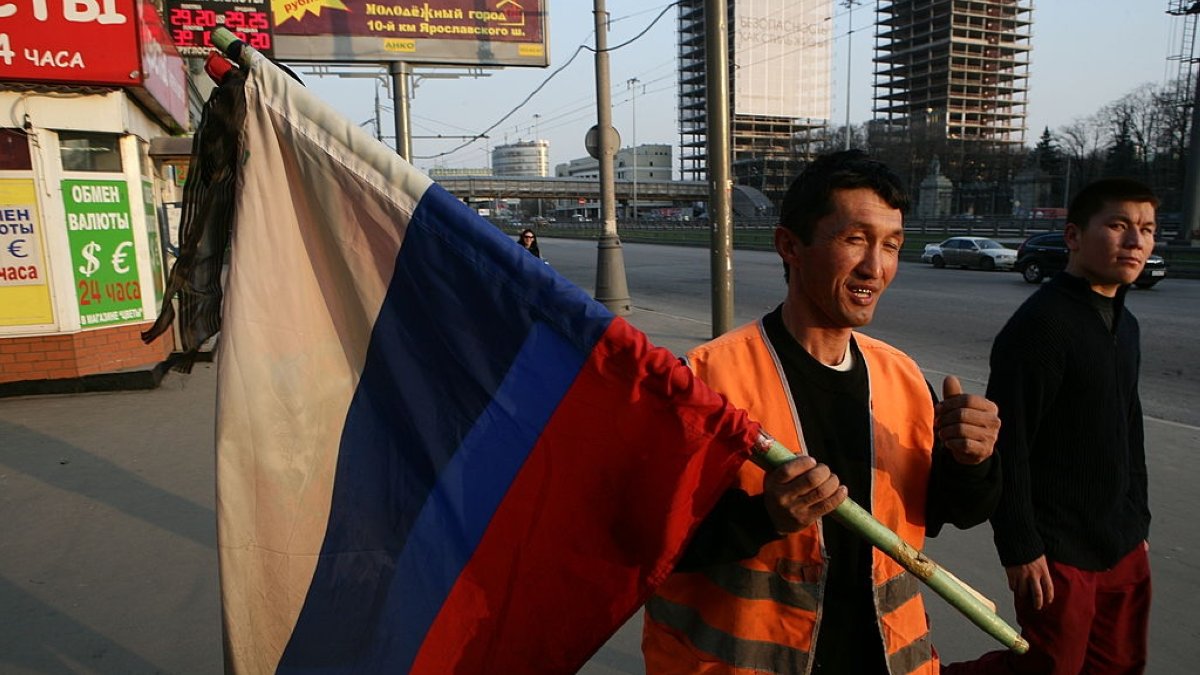
The Russian economy is facing a new front in the shadow of war: a labor shortage. An analysis published by the business daily Vedomosti, based on official data, revealed that the number of migrant workers arriving from Central Asia fell by 15% during the first half of 2026.
Work-related entries by citizens of Uzbekistan, Tajikistan and Kyrgyzstan dropped from 2.3 million to 1.9 million, with all three countries recording double-digit declines. Entries from Uzbekistan fell 13.2% to 1.1 million, from Tajikistan 17.9% to 494,500, and from Kyrgyzstan 16.7% to 289,100. As Moscow's war economy hungers for workers, the decline in migrant numbers lays bare the cost of the security-driven migration policy the Kremlin has pursued in recent years.
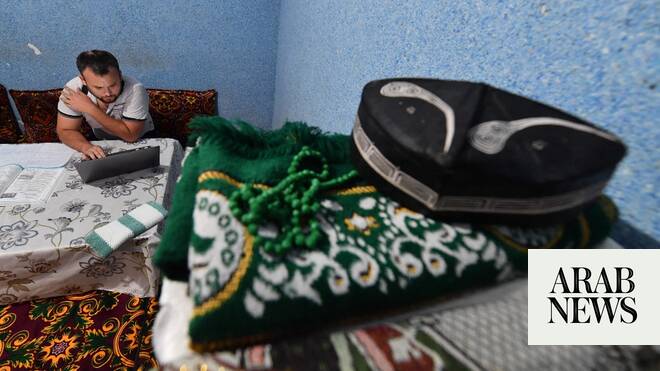
This decline can also be read as a sign of a quiet but determined shift underway in the migration policies of Tashkent, Bishkek and Dushanbe. Central Asian workers form the backbone of sectors such as construction, municipal services and sanitation, jobs Russians have long avoided. As this labor pool shrinks, disruptions are beginning to reach even the most basic functions of urban life.
Kremlin losing labor force
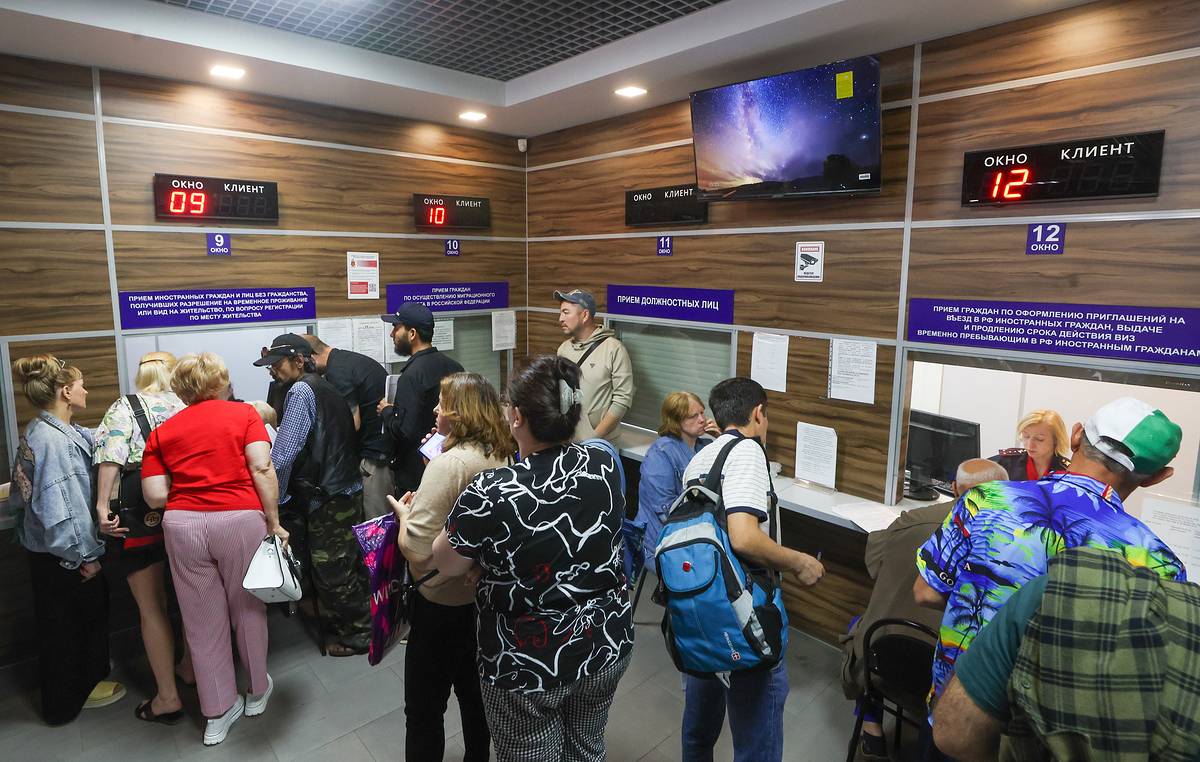
The first cause behind Russia's decline is bureaucratic. Work permit and medical certificate costs have multiplied in recent years, and registration procedures have grown more complicated. According to Alexander Safonov of the Financial University, whose assessment was cited by Vedomosti, tightened migration legislation and rising documentation costs rank among the main factors deterring workers. Yet the real story behind the numbers has less to do with legislation than with the broader social climate.