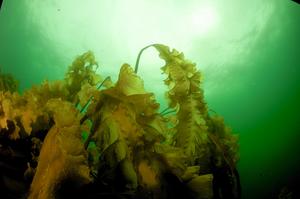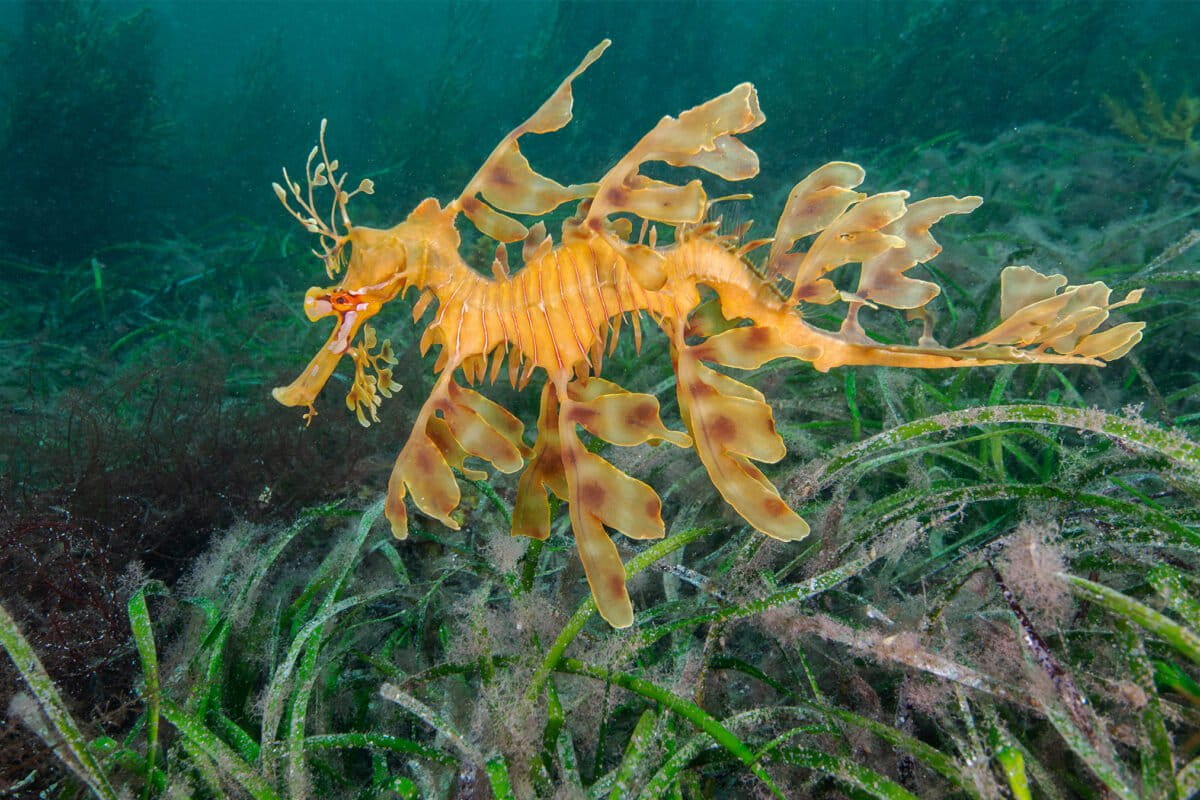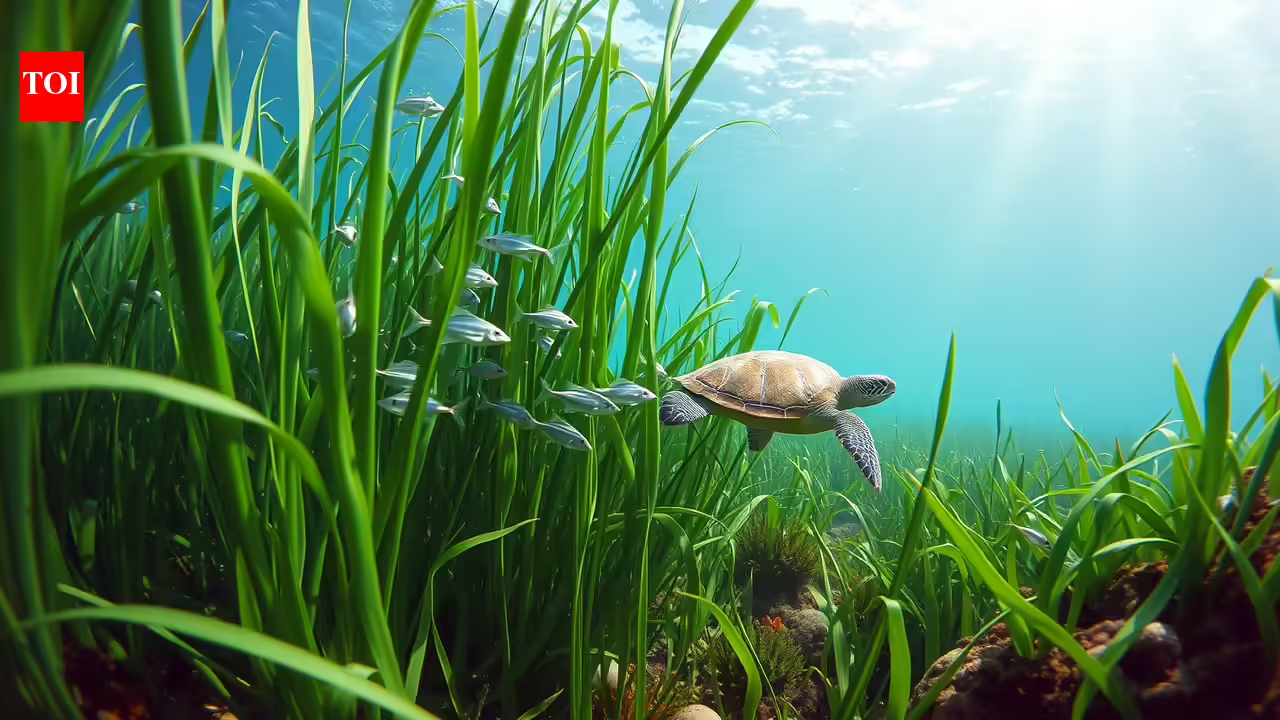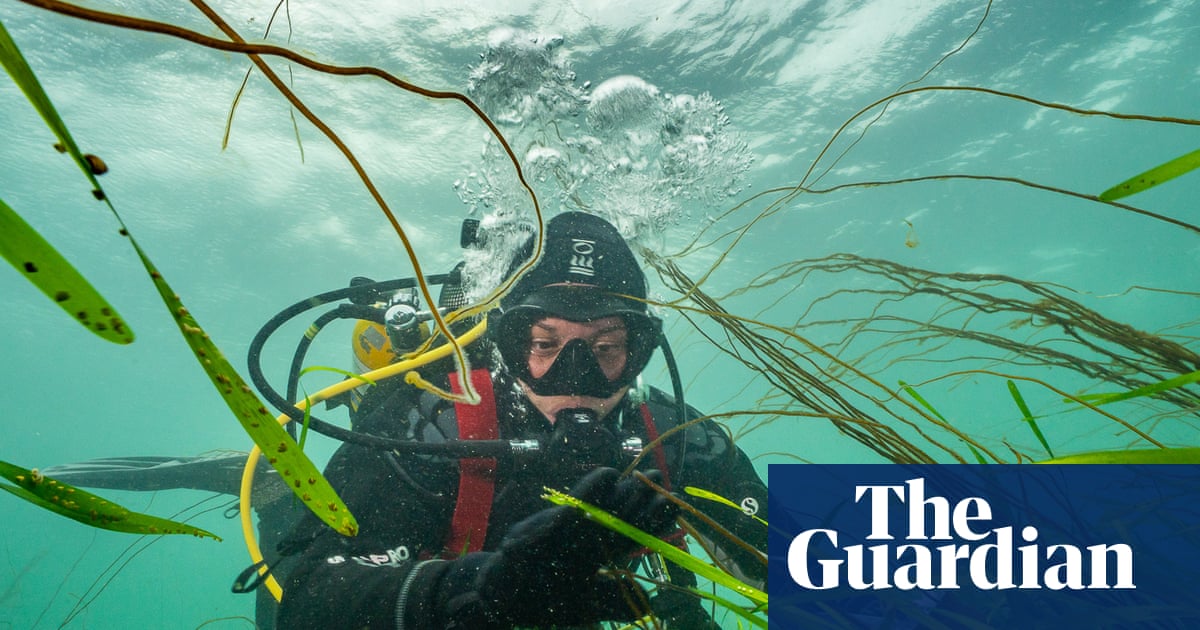
On a sunny afternoon in early August, the hot air rippled above a sandbar in Casco Bay as a group of researchers dove into the water. Wearing wetsuits and flippers, they swam out over sand, rocks and kelp until they reached their destination: a verdant seagrass meadow. Long, thin ribbons of bright green stretched out in the water, flattened by the strong current. Small fish swam in and out of the grass, as crabs and lobsters crawled underneath. At one point, a seal drifted by.The divers were there to collect a type of eelgrass called Zostera marina. It’s the predominant species of seagrass in Maine. Unlike kelp and other seaweeds, which are algae, seagrasses are flowering plants that grow underwater. Seagrass shelters the young of many marine species, improves water quality and stores some of the excess carbon released by the burning of fossil fuels. Beds of seagrass also absorb wave energy, reducing erosion and buffering coastal communities from storms.
These underwater meadows used to grow abundantly along the Maine coast. But they’ve declined significantly in recent decades. The data measuring this decline is imperfect, and efforts to track it are ongoing. But according to the Maine Department of Environmental Protection’s best estimates, the state had more than 30,000 acres of seagrass beds in the 1990s. Since then, some regions of Maine have lost more than half of their seagrass beds.Scientists say they haven’t collected enough data to pinpoint the exact cause of the decline, and they don’t expect to find one simple culprit. Rising temperatures, coastal development, nutrient pollution, harmful algal blooms, invasive species and worsening storms may all be playing a role. Seagrass meadows have declined not just in Maine but around the world, and are considered one of the ecosystems most vulnerable to climate change and other human activity.