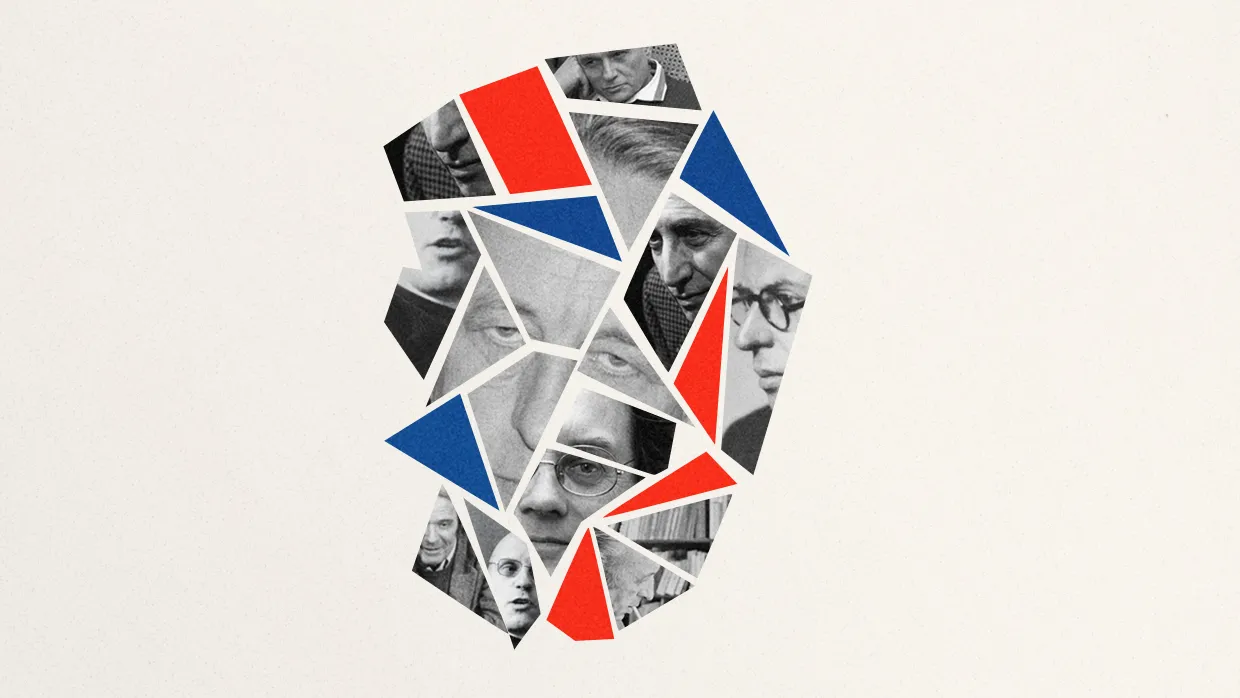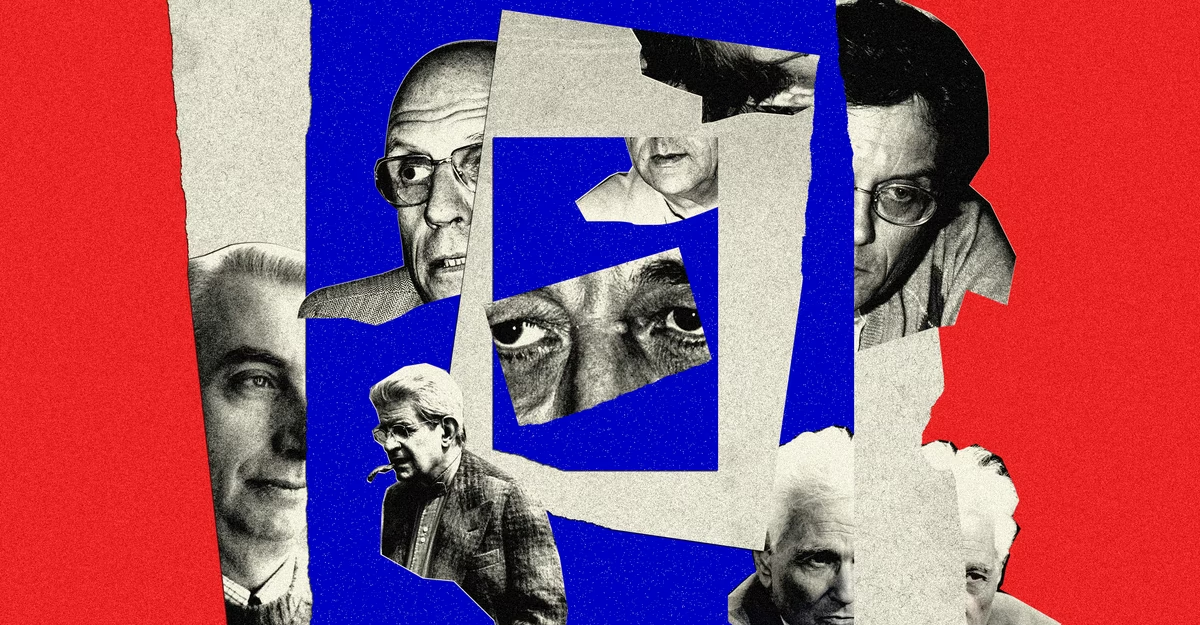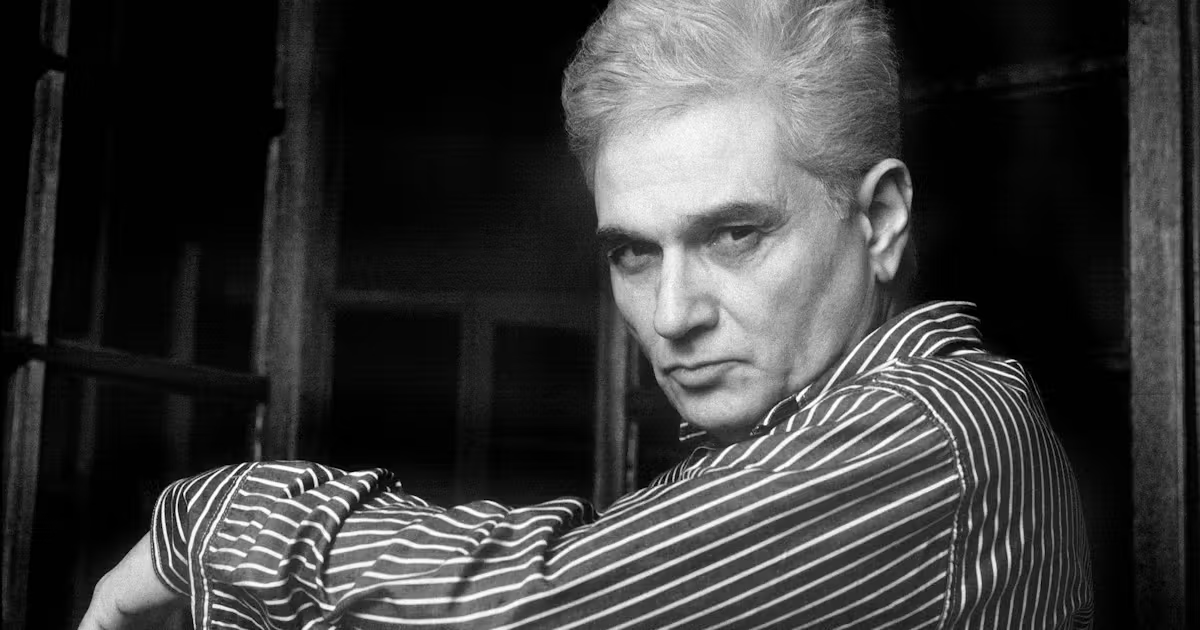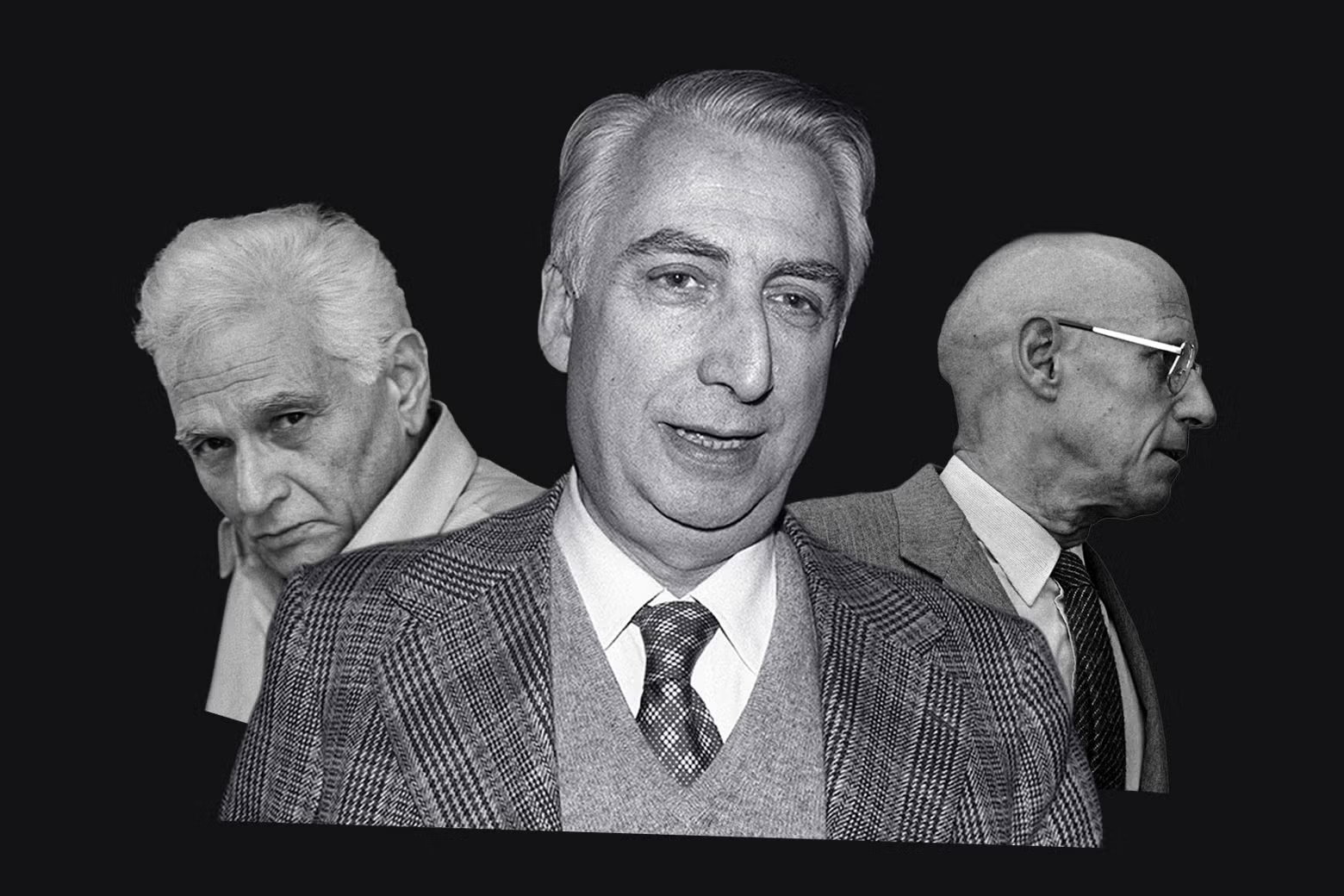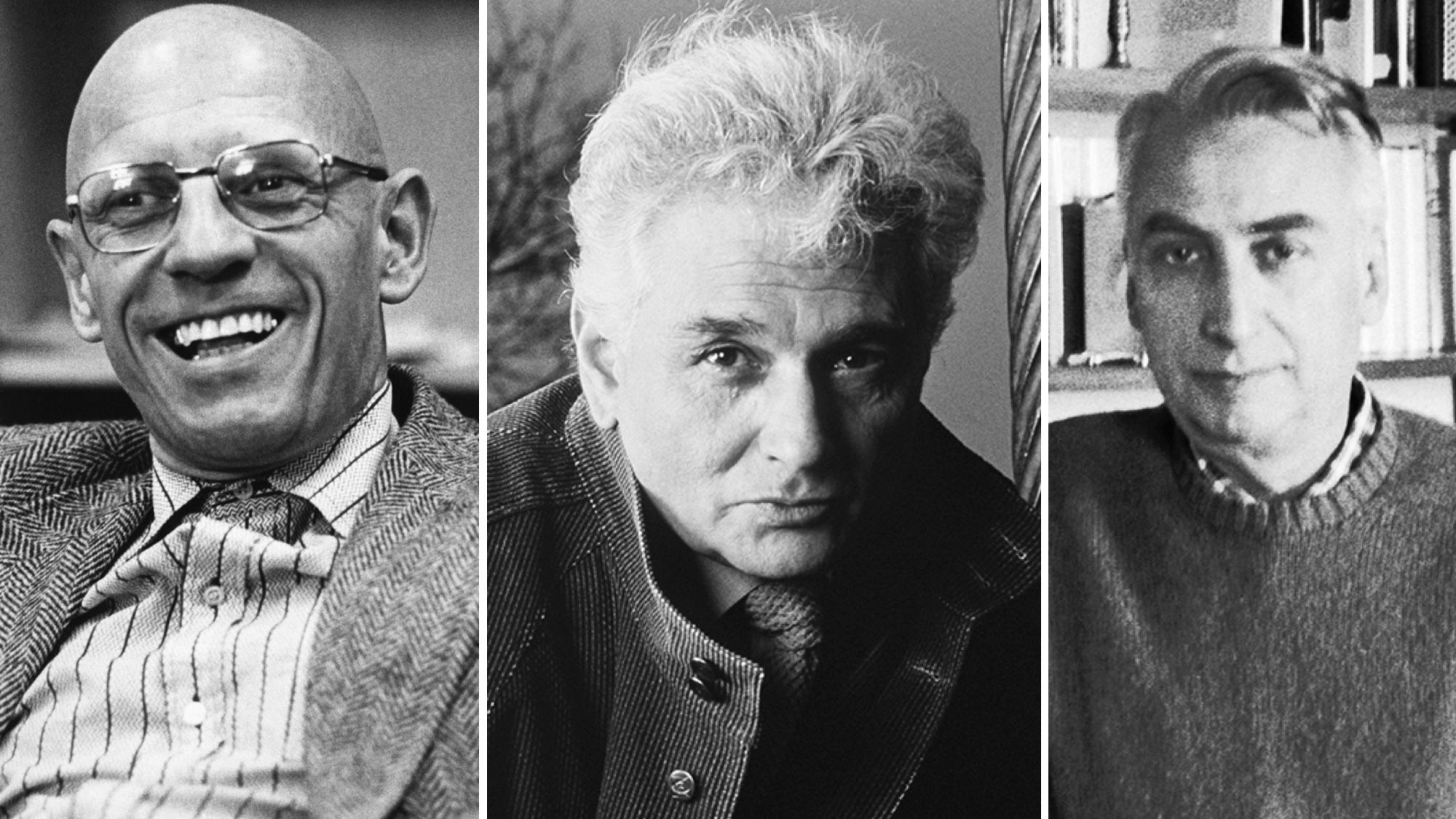
‘The Frenchmen: Or, My Life in Theory’ by Emily Eakin“It’s tempting to read The Frenchmen as atonement,” said Dayna Tortorici in The New Yorker. Some 22 years ago, author Emily Eakin betrayed one of the passions of her youth when she was working at The New York Times and she signed off on an obit for Jacques Derrida that ran under a headline dismissing the French philosopher as “abstruse.” Just a decade earlier, Eakin had been a devotee of the post-structuralists, the cohort of mostly French, mostly male thinkers who ignited a 1980s fad that had literature students at many of America’s top universities parroting the ideas that all meaning is contingent and words can’t be trusted. Eakin, who caught the “theory” bug as a Harvard undergrad, was pursuing a Ph.D. when she finally shook it. But was the entire movement nonsense? In her engaging new book, “Eakin argues persuasively that it wasn’t.”Not that Eakin is blind to her subjects’ many flaws, said Laura Miller in Slate. “Much of the entertainment offered by The Frenchmen comes from the tea Eakin spills on men who were once presented as disembodied monuments.” Jacques Lacan, Michel Foucault, and Louis Althusser were all “narcissistic, imperious, and histrionic—that is, they were very French.” In Eakin’s colorful character sketches, “only Roland Barthes comes off as remotely appealing.” Theory’s long downfall began around the time Eakin bought in, when it was revealed in 1987 that one of its stars, the Belgian-born Yale professor Paul de Man, had expressed antisemitic views while writing for a Nazi-affiliated newspaper during World War II. But while Eakin tired of theory, don’t expect her to join the critics on the Left and Right who remain eager to label post-structuralism absurd. “It taught us a new way to think,” she says. “Be skeptical. Be alert. Pay very close attention. Beware political claims posing as timeless truths.”As Eakin details, the battles over theory weren’t confined to academia, said Jonathan Derbyshire in the Financial Times. Philosopher Allan Bloom seemed to have the post-structuralists in mind when he railed against the influence of despairing European thinkers in The Closing of the American Mind, a 1987 best seller that remains a cornerstone of the Right’s case against American universities. Eakin isn’t afraid to admit that theory’s allure was its countercultural energy, said Geoff Shullenberger in Compact. She writes about her youthful indoctrination “with self-satirizing flair.” But when she defends theory’s luminaries, I can’t agree that their insistence that we vigorously question every story we’re told can help us recapture a sense of the common good in this moment. “Their imperative—to deconstruct—has been followed all too faithfully, for too long.”
Book reviews: ‘The Frenchmen: Or, My Life in Theory’ and ‘Catch the Devil’
An in-depth look at three major French philosophers and how a con man sent four people to death row
504 words~2 min read