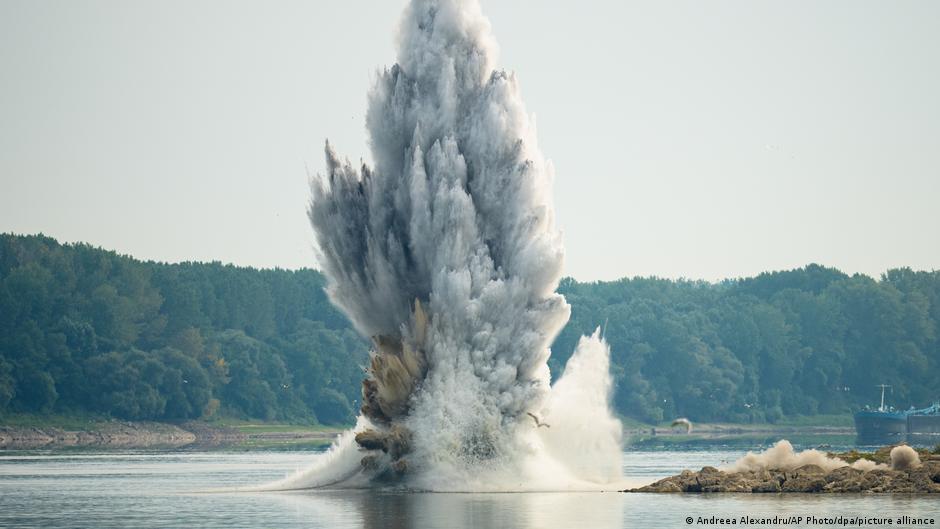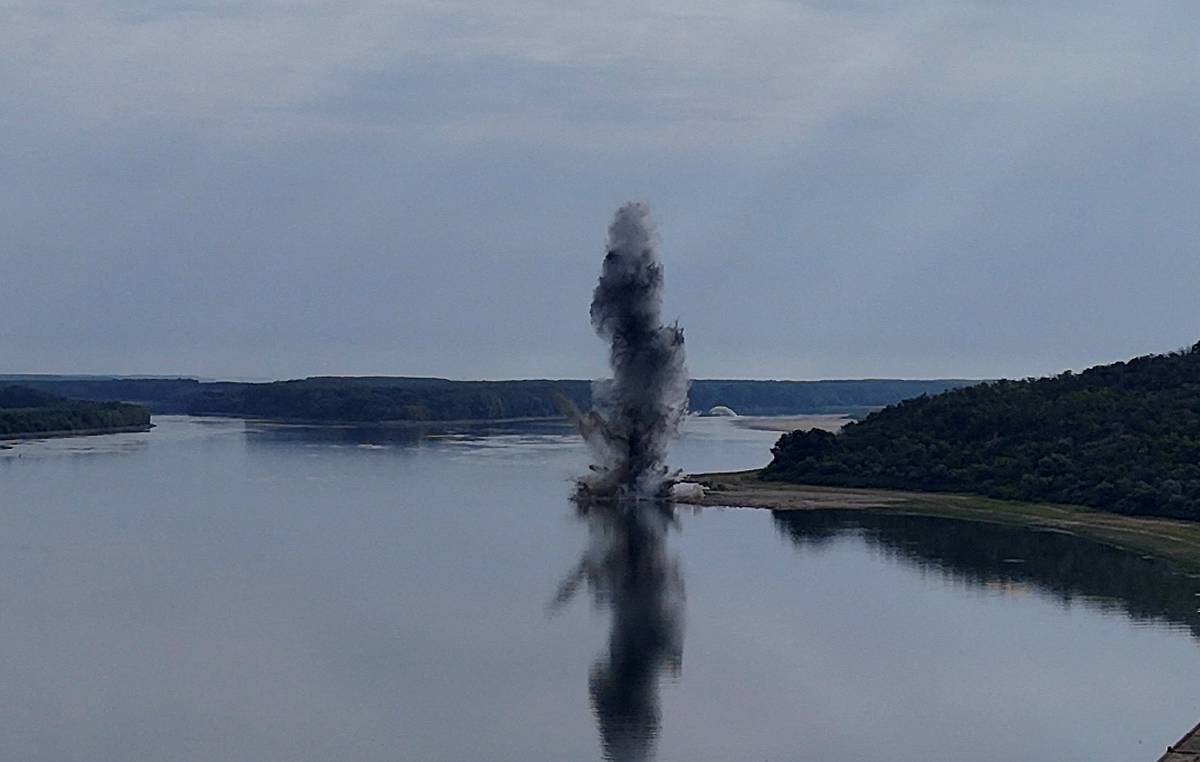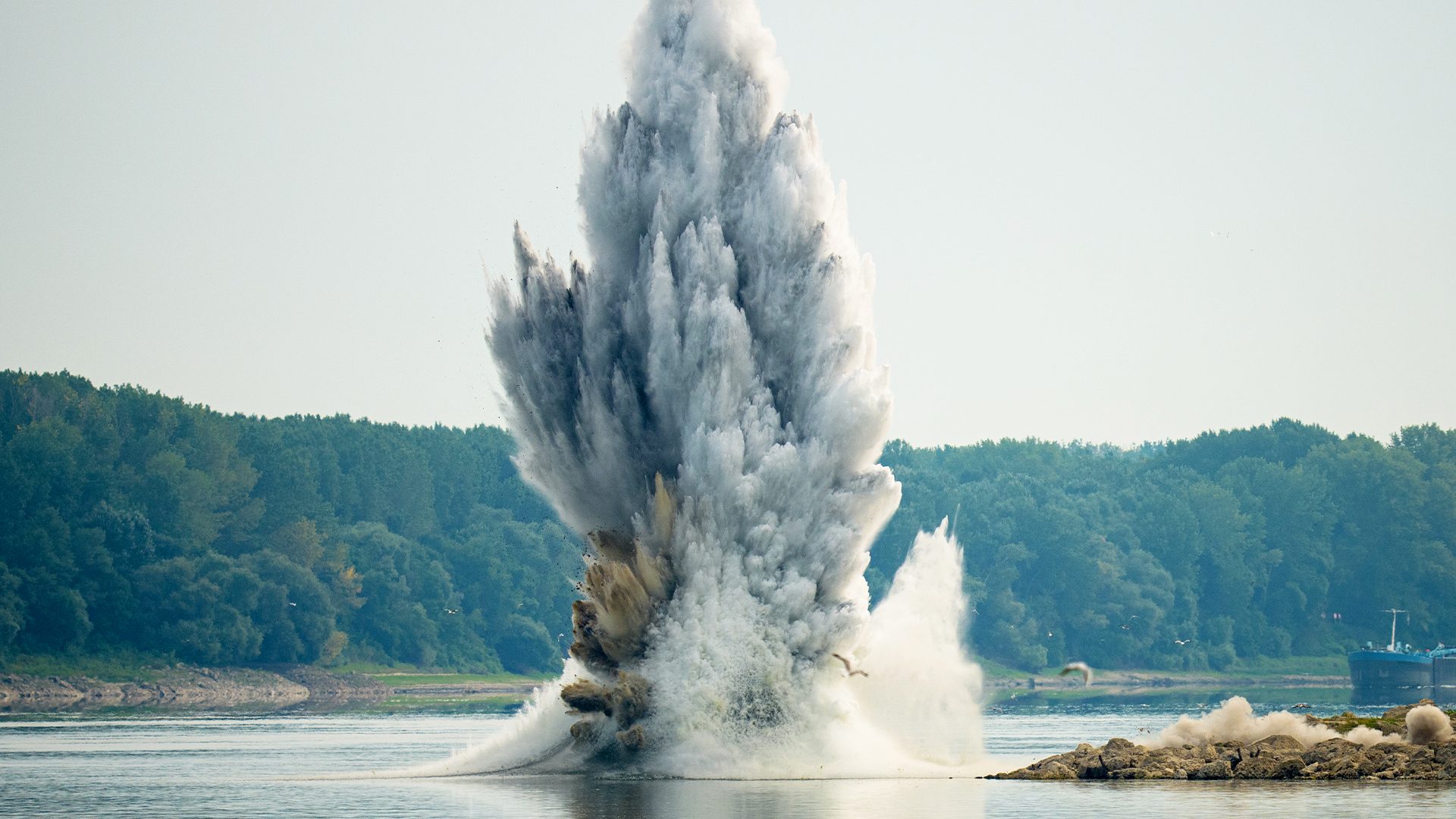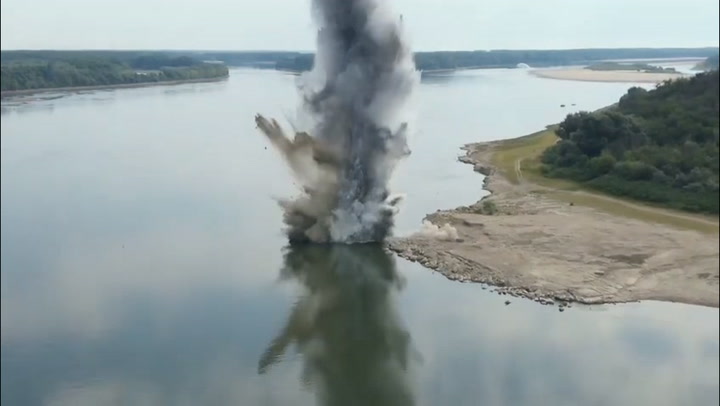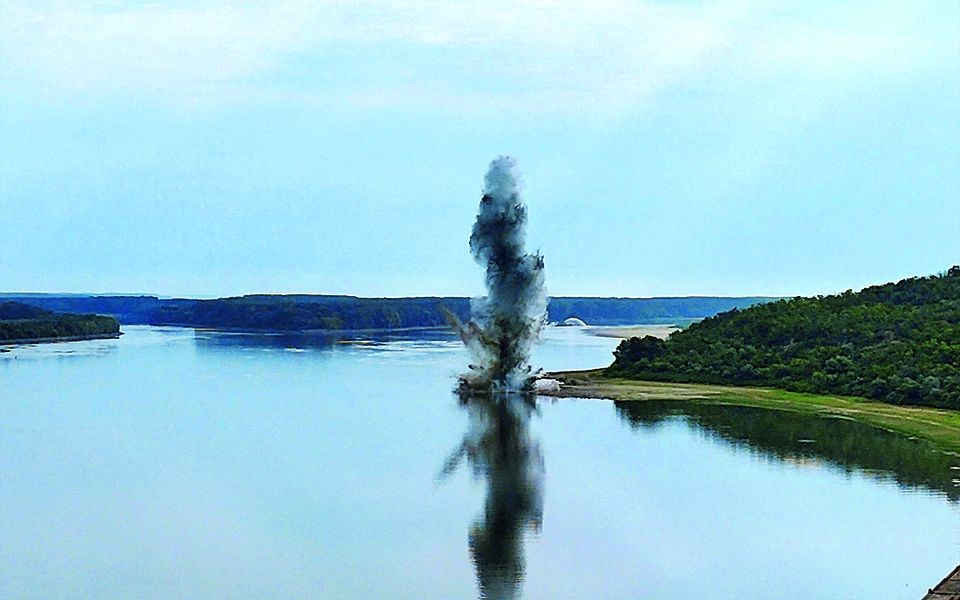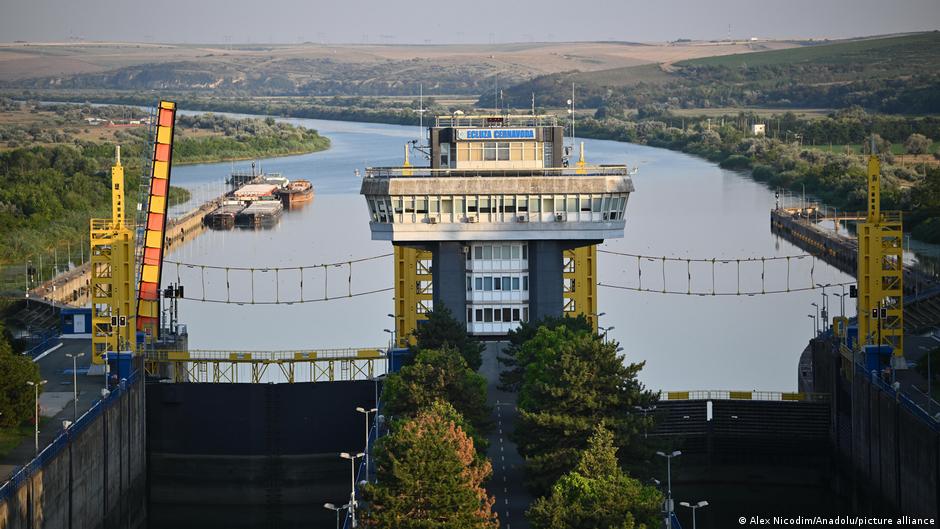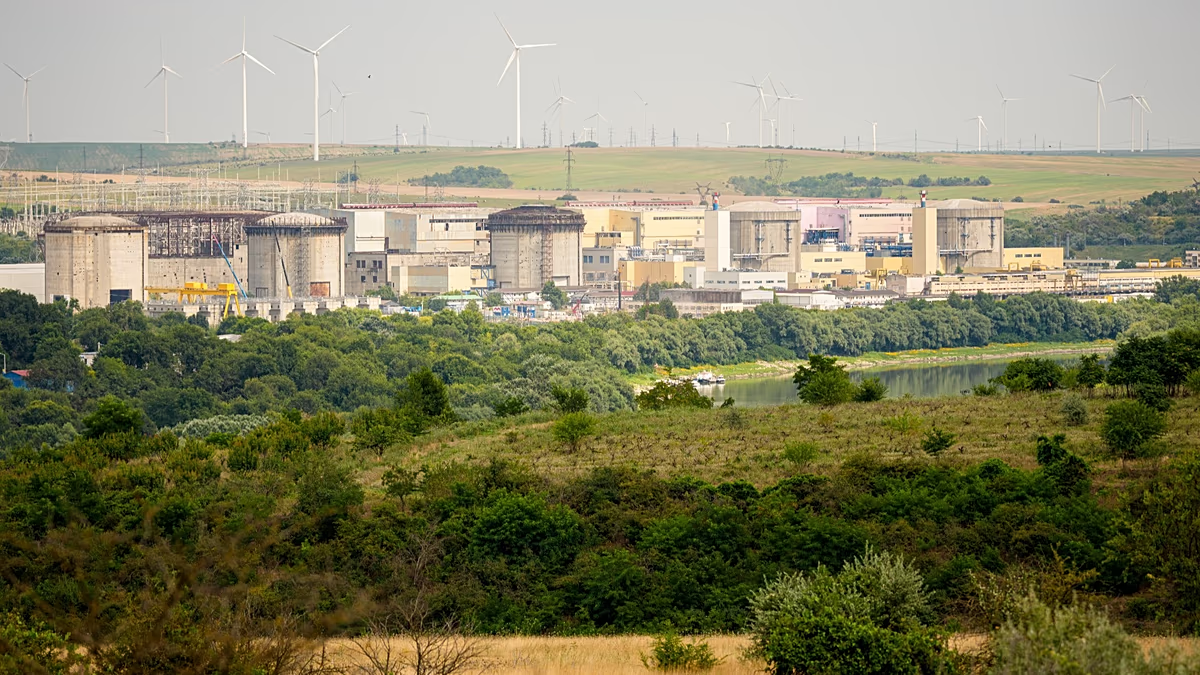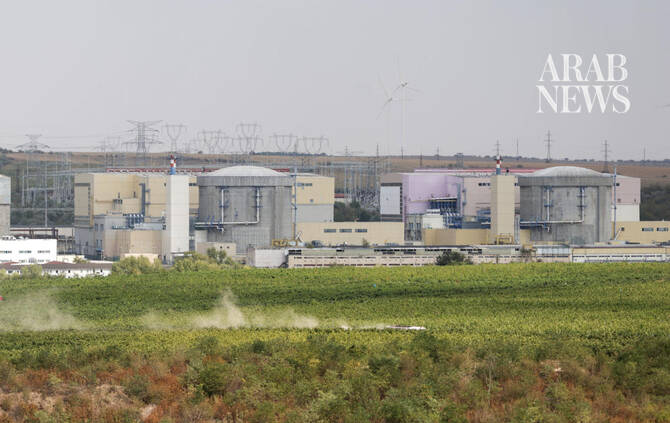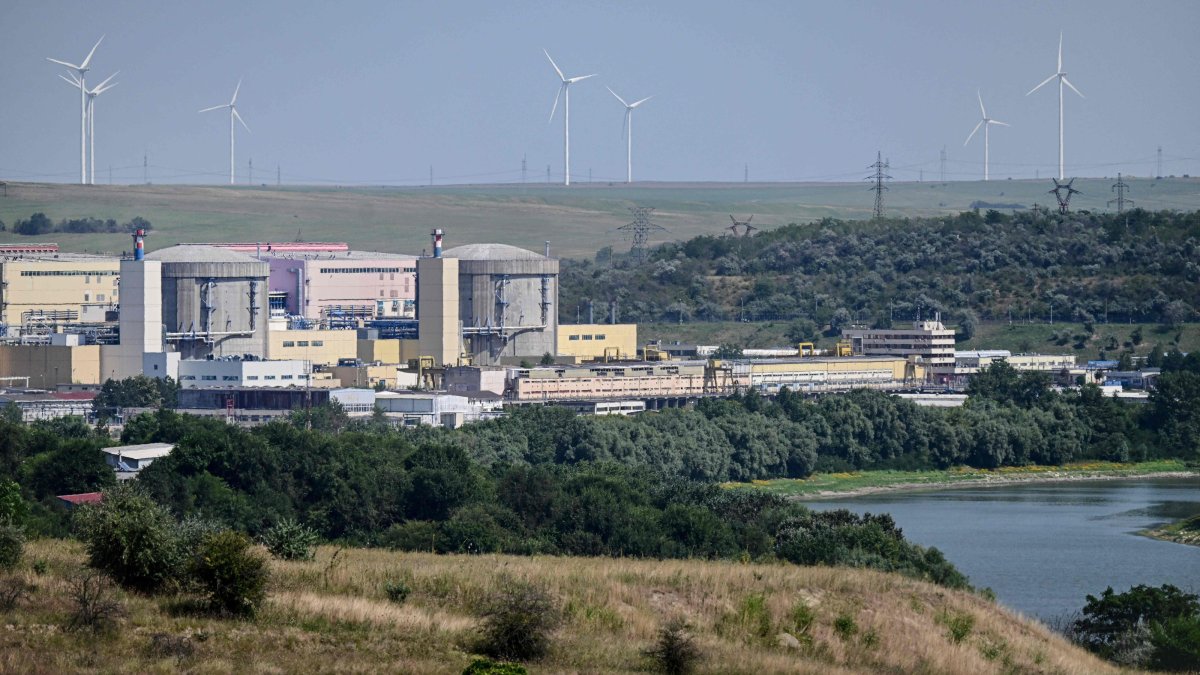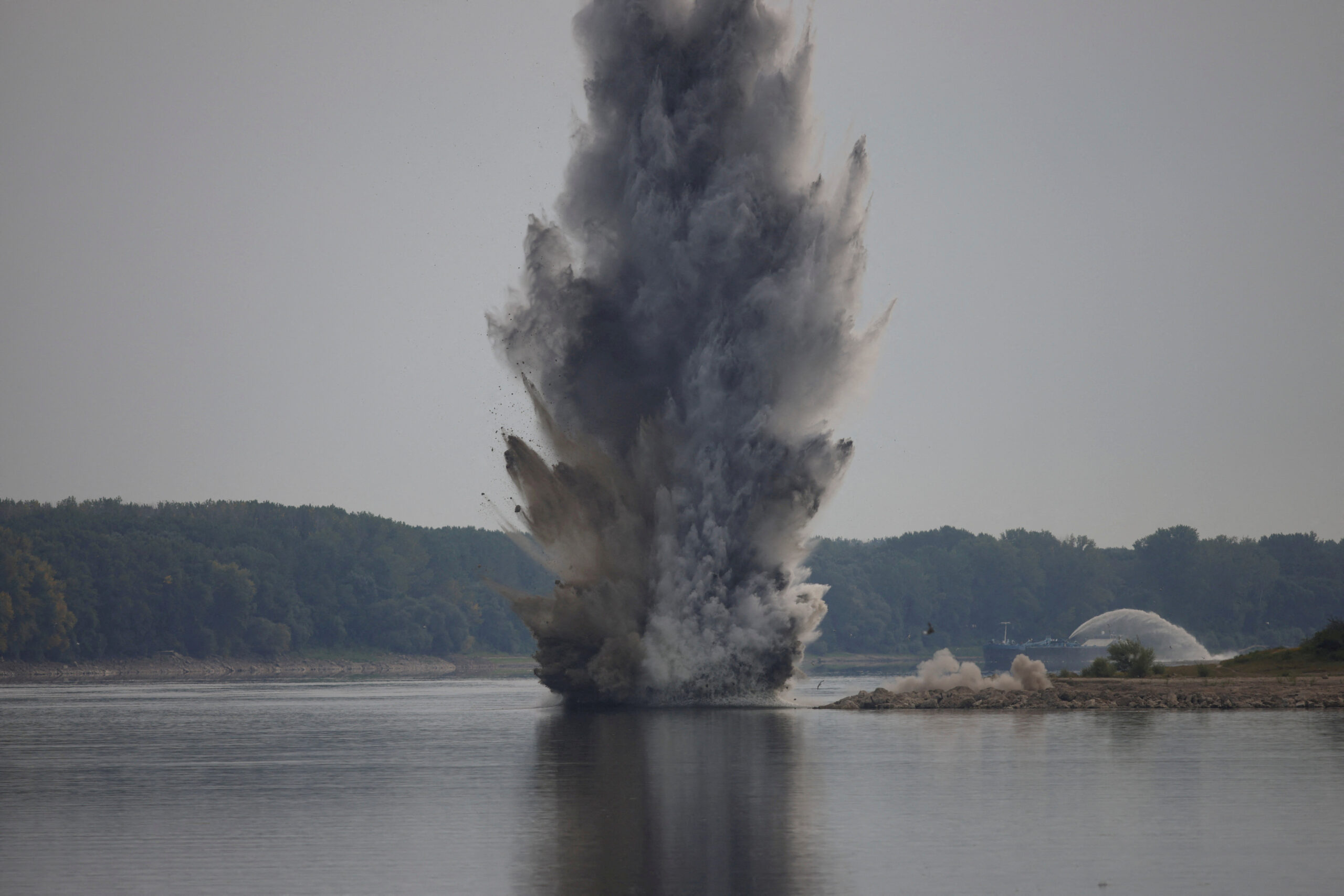
BUCHAREST—Last week, the Romanian navy used 180 kilograms of explosives to detonate a submerged rock in the Danube east of Bucharest. The limestone shelf was not a threat to navigation, but it had diverted a portion of the river away from the cooling-water intake at Cernavodă, Romania’s nuclear power plant.
The successful detonation raised the water level at the intake basin by two centimeters, buying the plant roughly two additional days of operation. Four barges loaded with stone were sunk across a side channel to push more flow toward the reactor.
These exceptional steps highlight a larger trend across Central and Eastern Europe, as countries work to secure their energy supply amid persistent drought, low rainfall, and dangerous heatwaves.
As the water level falls
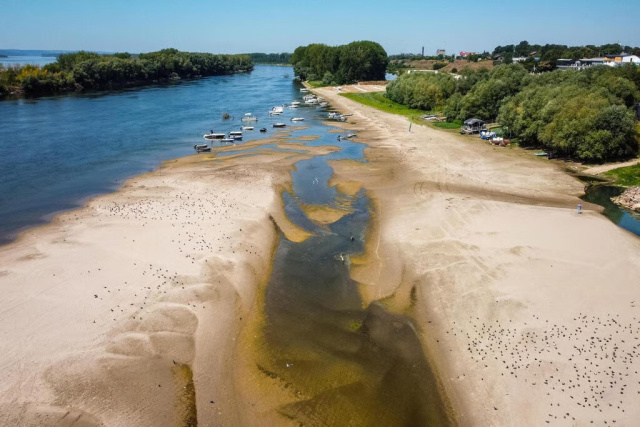
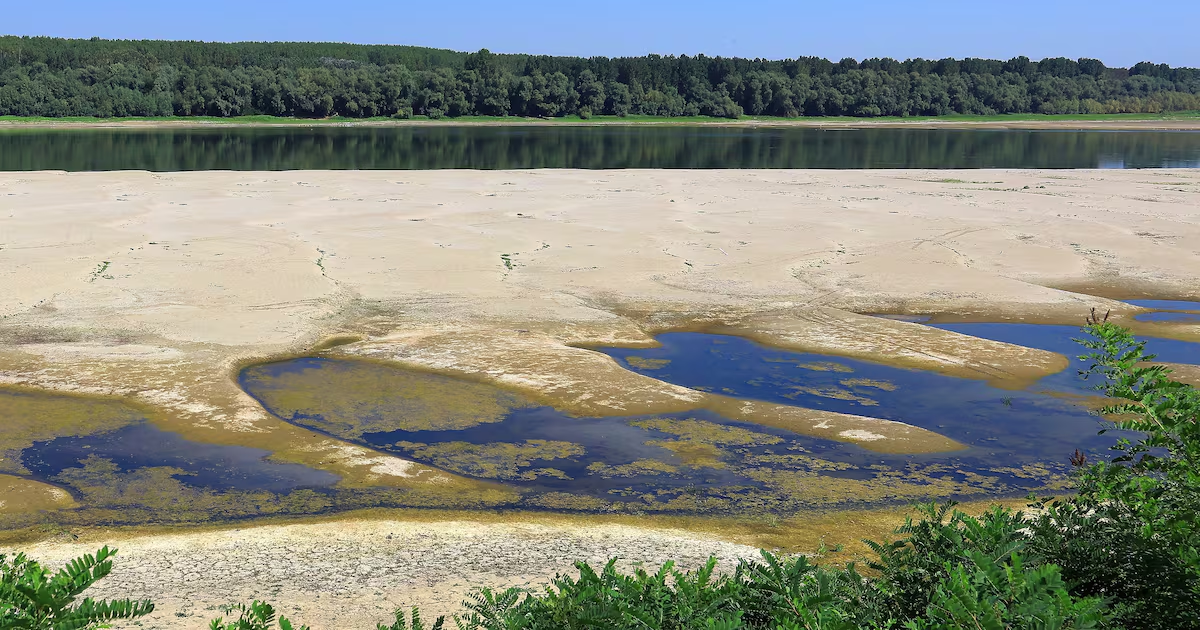
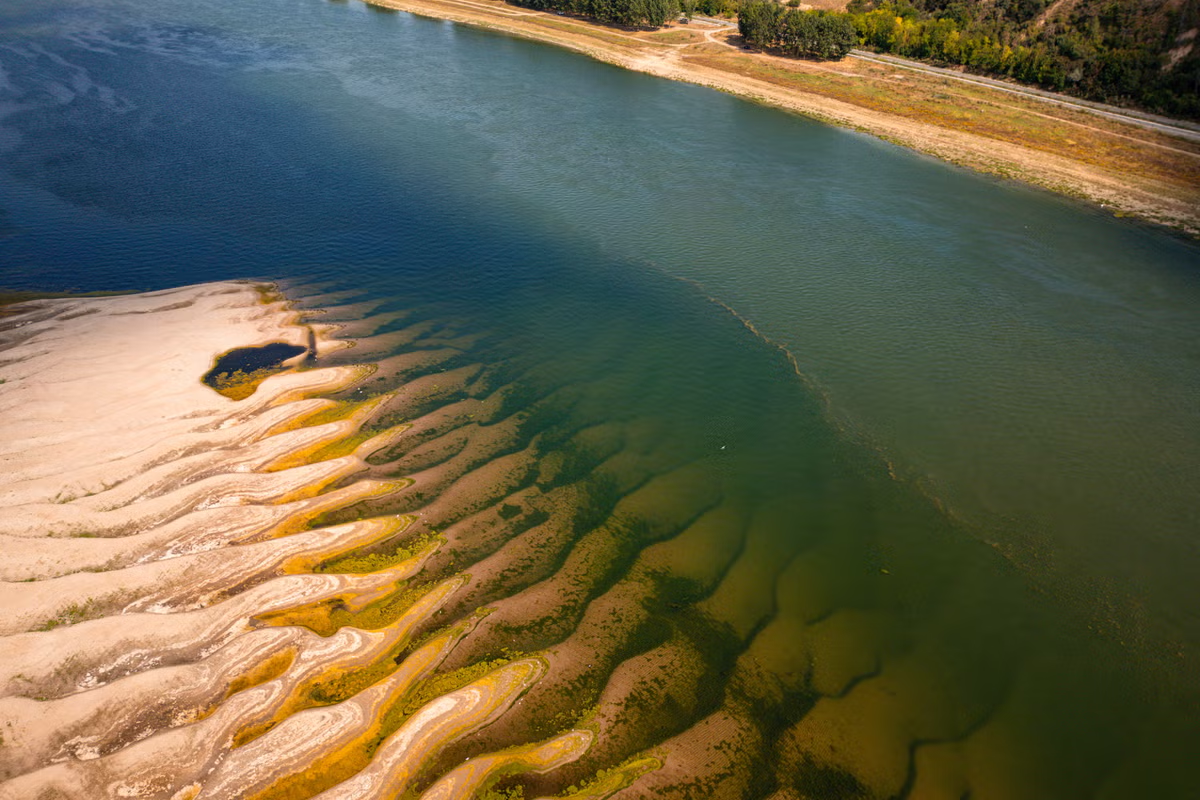
A drought that began in May across southern Germany, Austria, Slovakia, Czechia, and Hungary has pushed the Danube to some of the lowest levels on record along much of its length. At Pfelling in Bavaria, the gauge fell to 216 centimeters, below the previous low of 221 set in August 2022. In Budapest, the river dropped to roughly 10 centimeters last week, against a prior record of 33 centimeters from 2018.