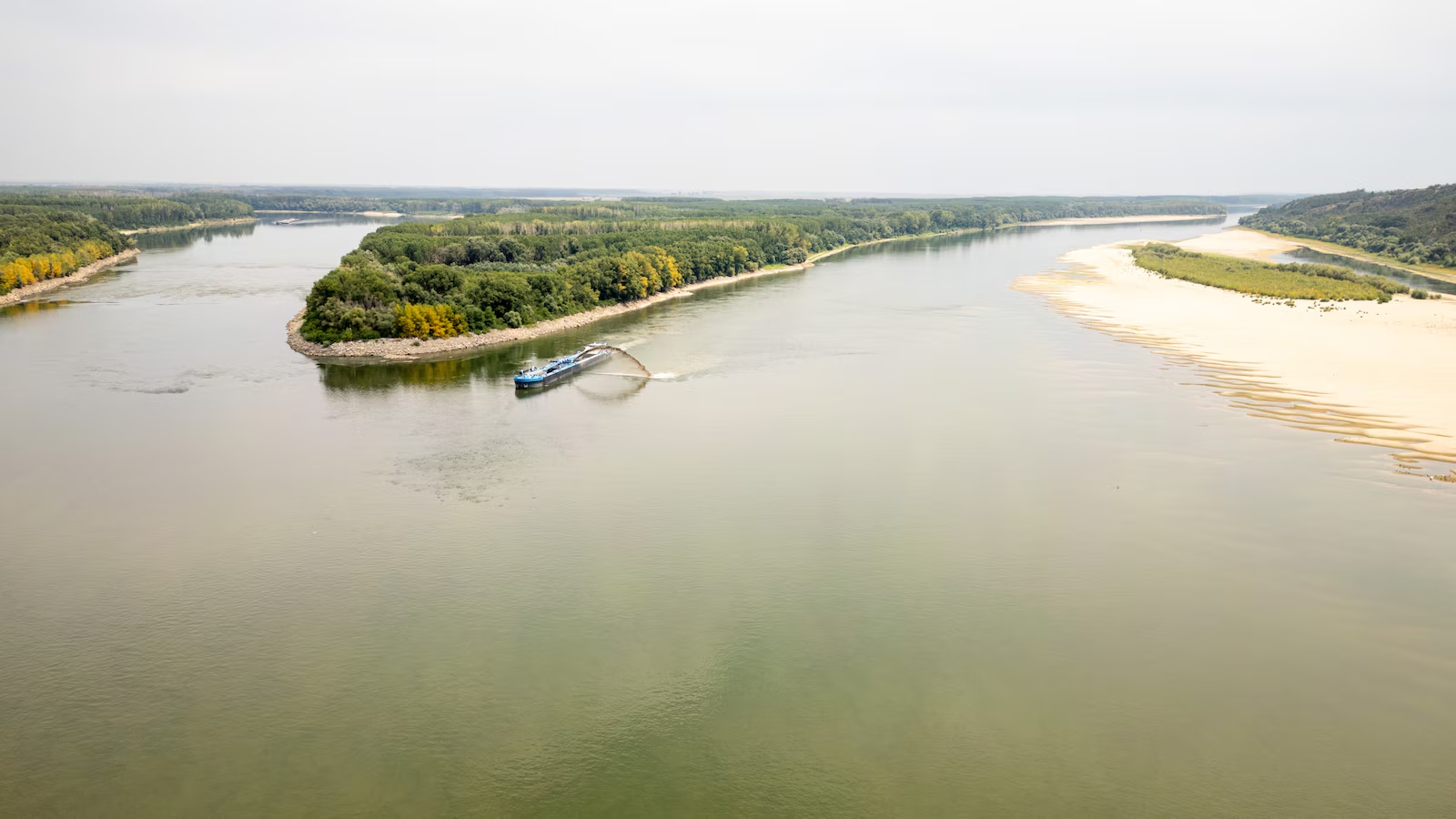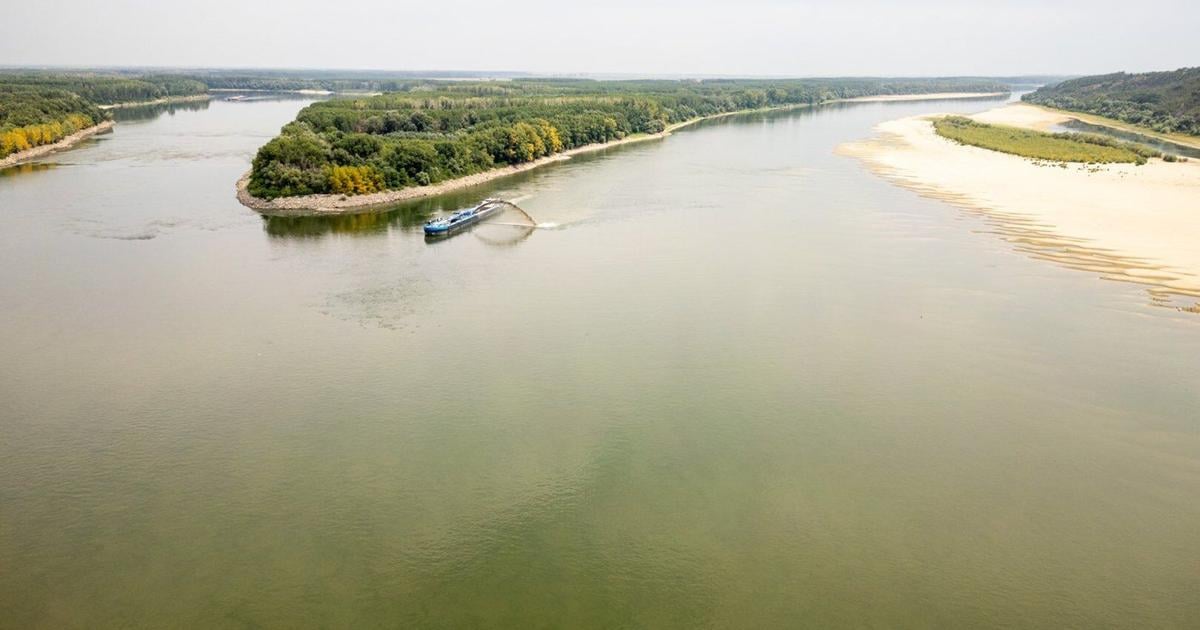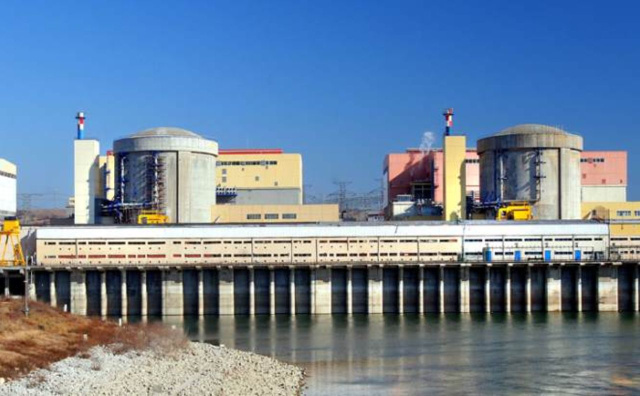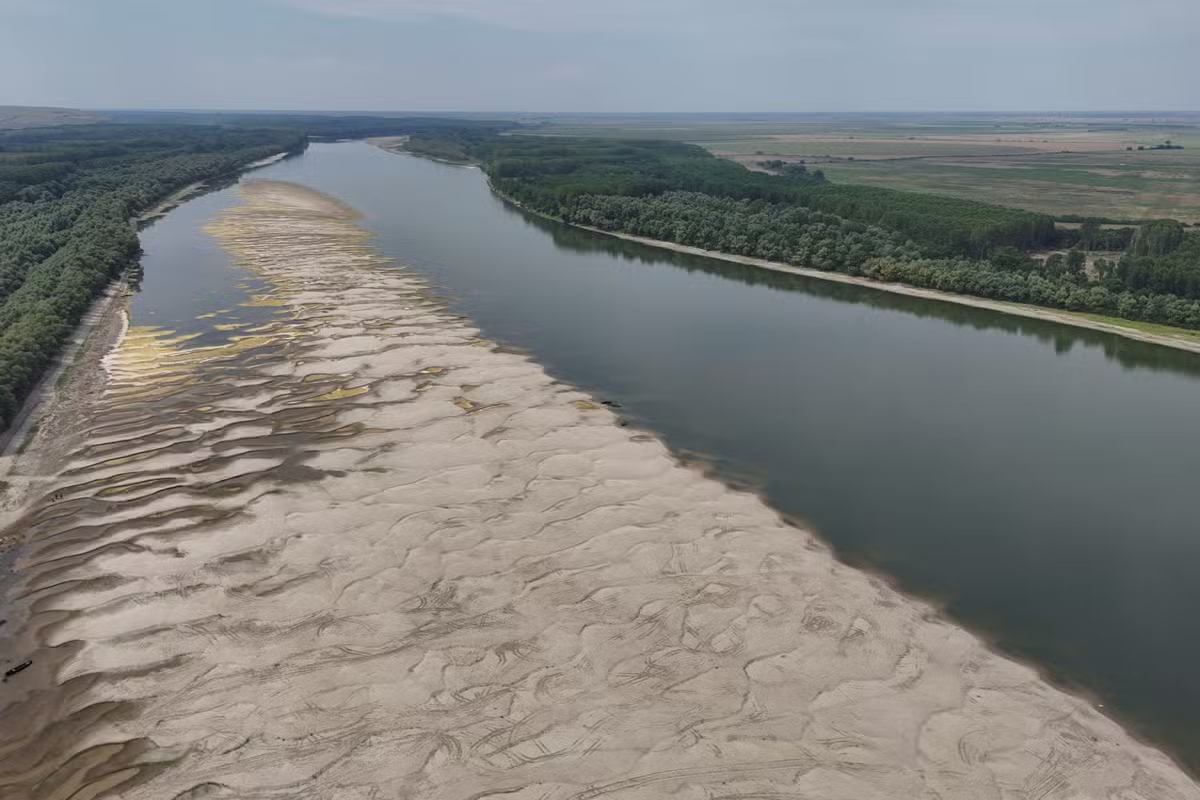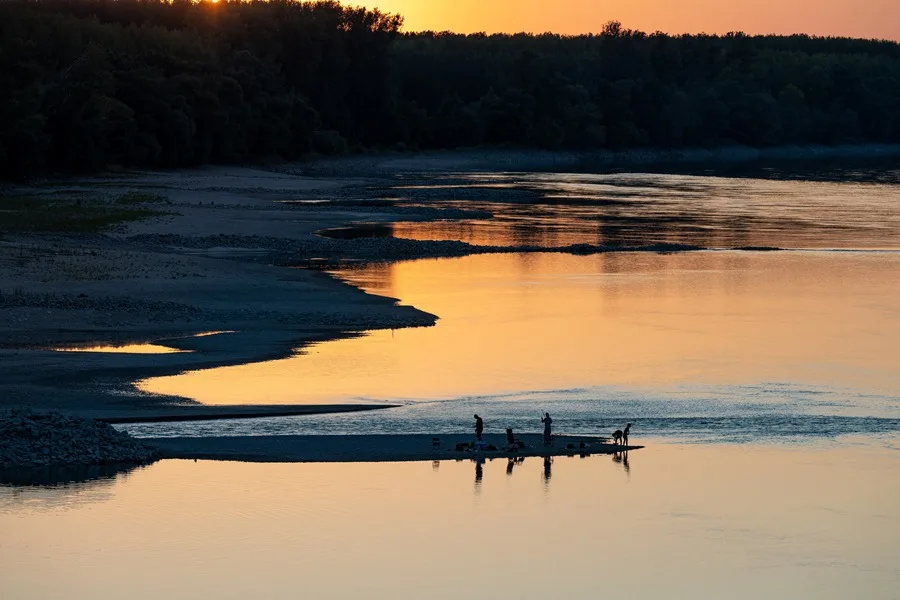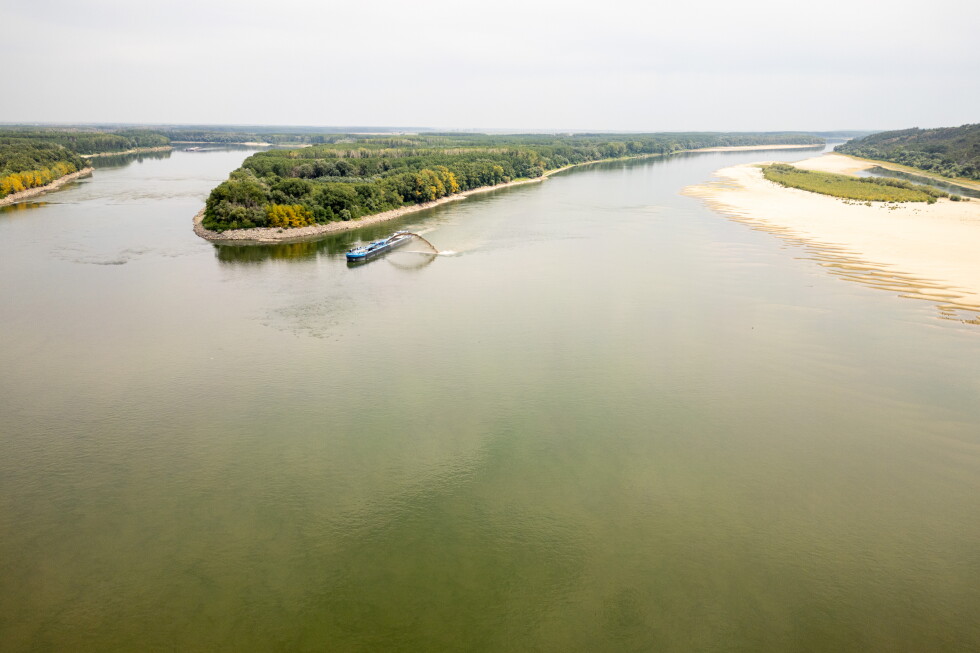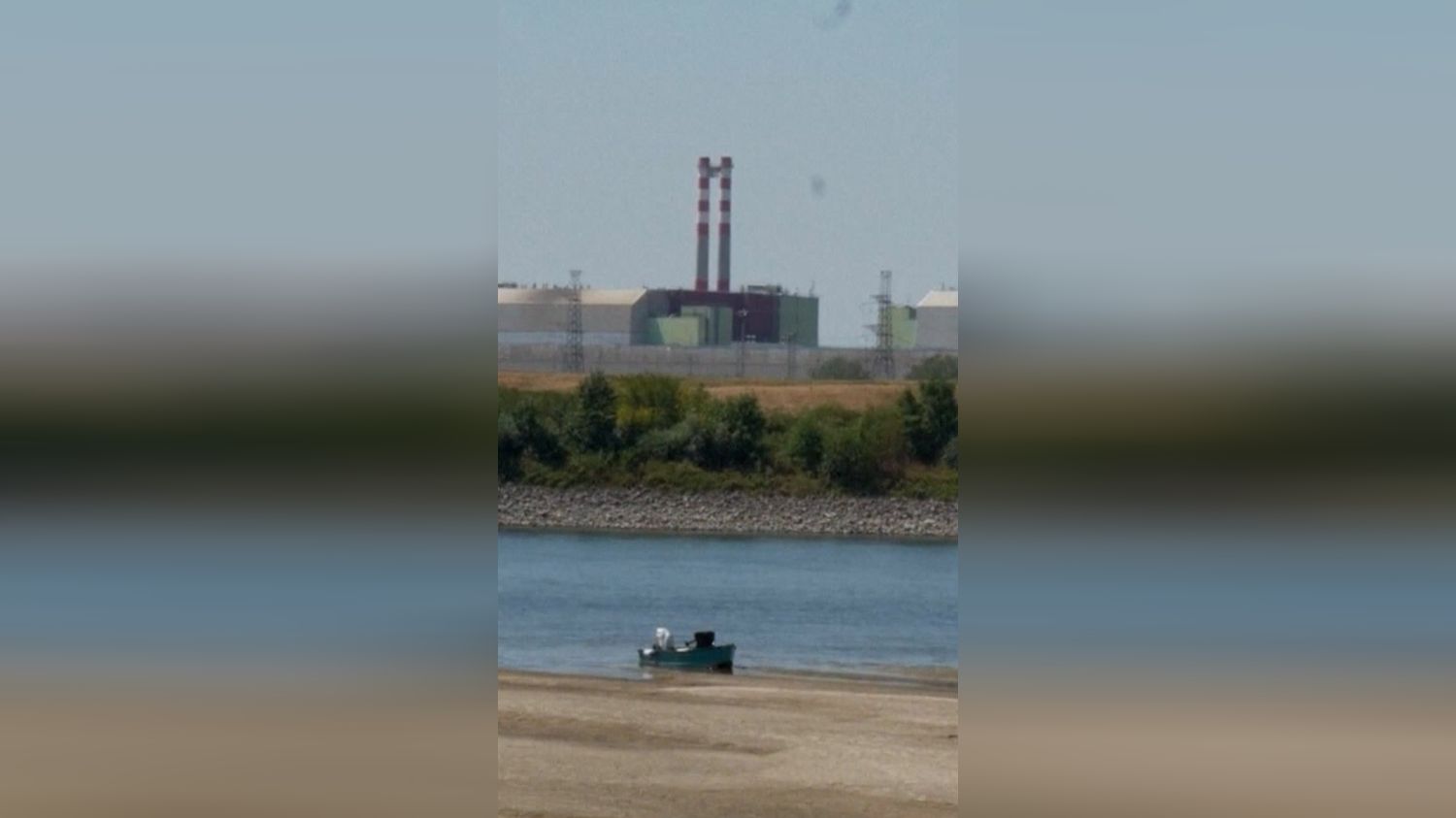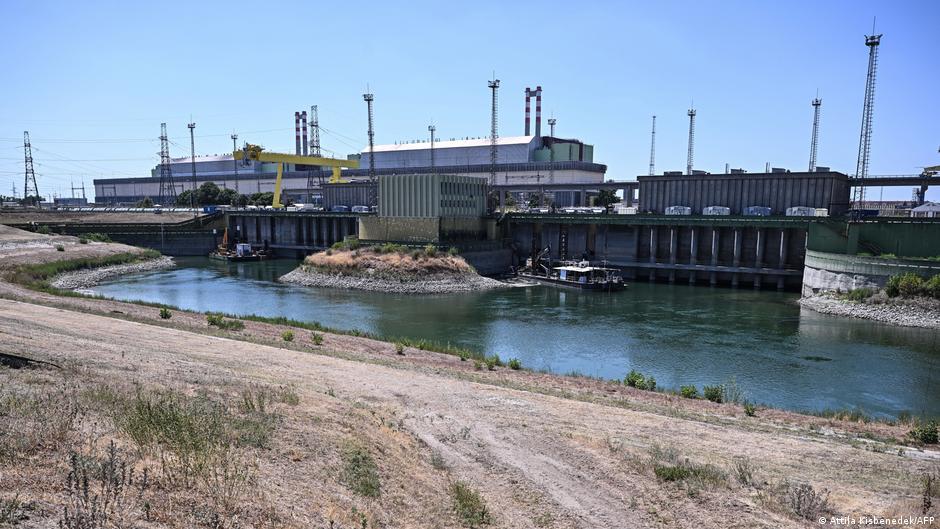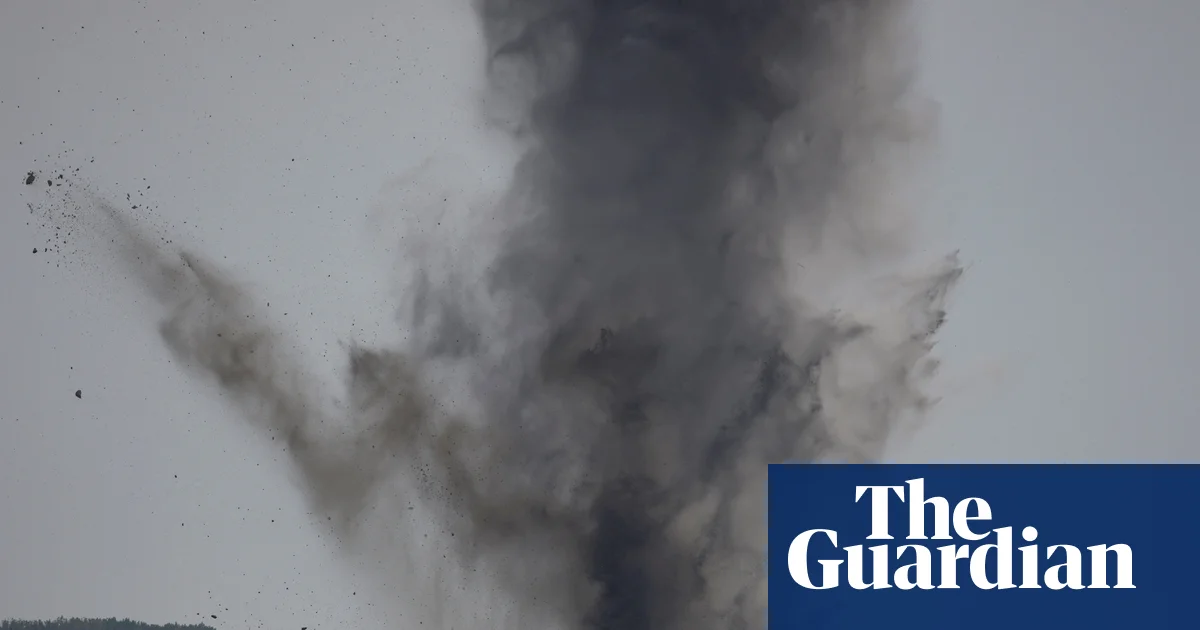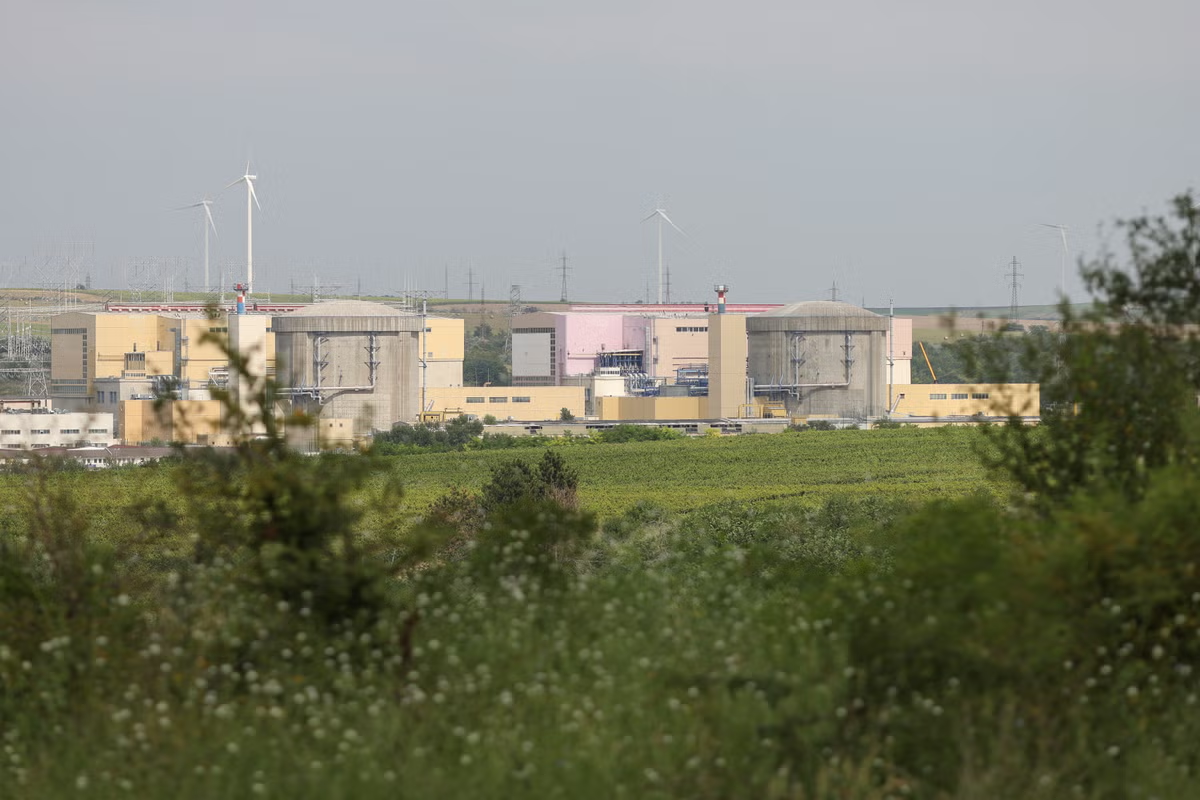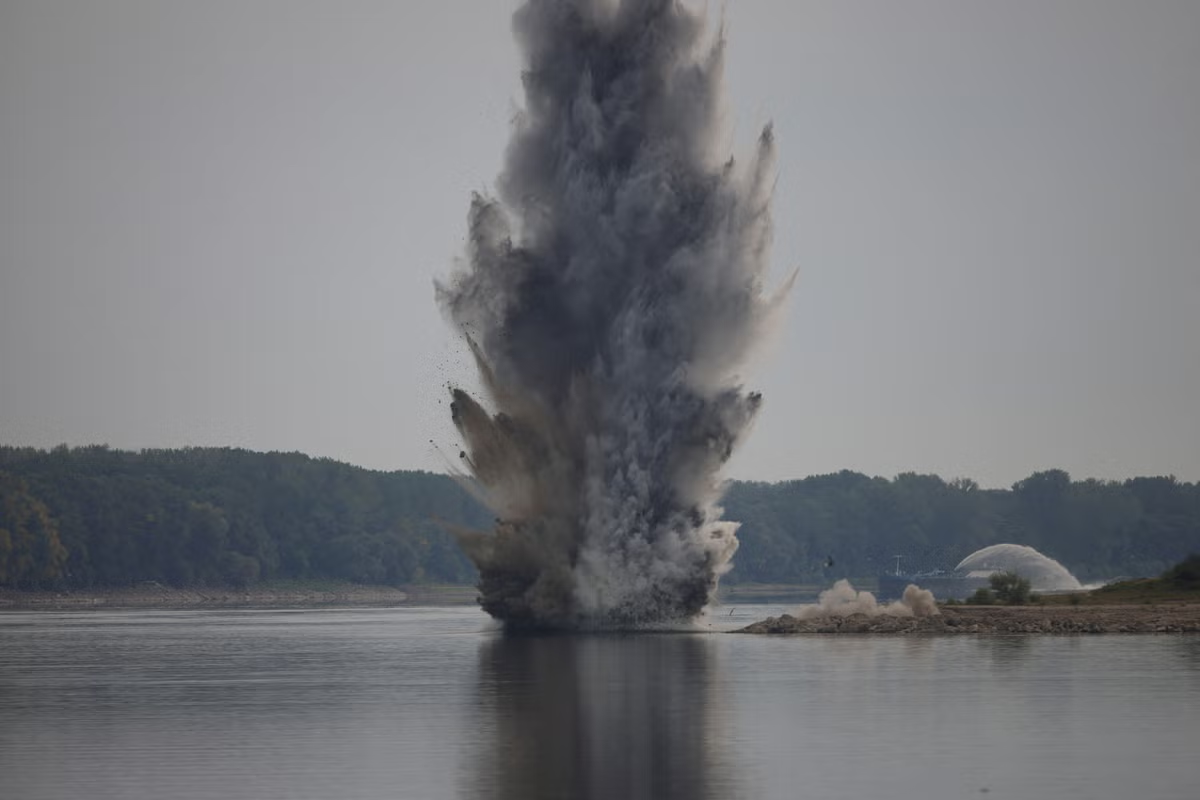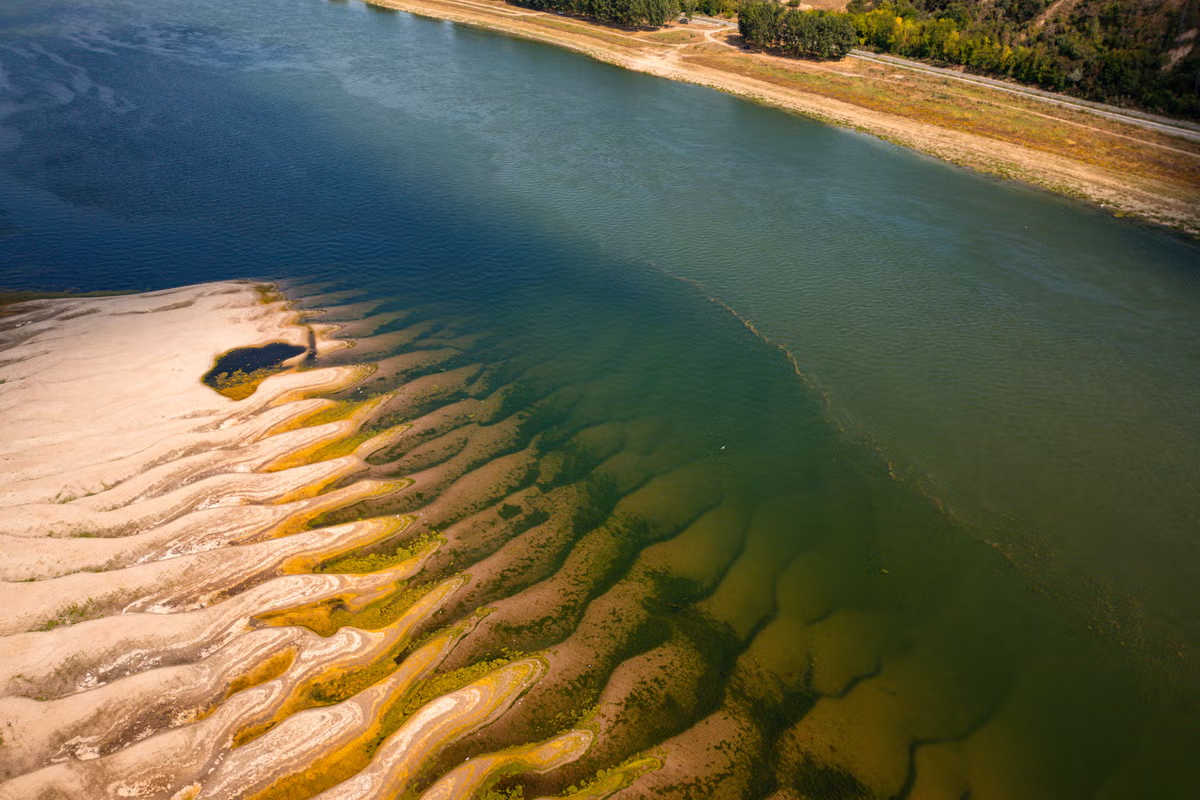
Romania has secured a further nine days of operation for its only working nuclear reactor after redirecting the flow of the drought-stricken Danube river to supply its turbines with water.The EU nation has already declared a state of energy emergency for the whole of August and requested households and companies voluntarily reduce usage during peak evening hours.To redirect water flows, the energy ministry blew up a rock obstruction, dredged the river bed and sank four rock-filled barges to create a dike, reporting that this raised water levels around the reactor by 4 centimetres (1.57 inches).Normally submerged areas of the Danube River are exposed amid exceptionally low water levels, in Rasova, Romania (AP Photo/Vadim Ghirda)The blast, carried out by the Romanian navy last Monday, sent a column of water skyward."Based on forecasts available at the moment this development allows for the necessary conditions for the reactor to function for at least the next nine days," the ministry said on Sunday after sinking the rock-filled barges.The level of the Danube at its Romanian entry remained at a record low on Monday, but the state water management agency has said it expected it to increase from August 15 as rain further upstream makes its way down.Satellite images show reduced water levels along the sandbanks of the Danube River at the Romanian-Bulgarian border (European Union/Copernicus Sentinel-2)Record low water levels on the Danube have already forced the shutdown of one reactor, impairing power output in Romania and upstream in neighbouring Hungary. Romania's two reactors normally account for 20% of the country's power output.Both Romania and its neighbour Hungary are increasingly dependent on costly power imports as their nuclear facilities operate at reduced capacity amid soaring electricity demand driven by the heatwave.The Danube, Europe’s second-longest river, serves as a vital coolant source for both countries’ atomic plants.The blast was carried out by the Romanian navy last Monday (Reuters)Romania relies on a mix of gas, coal, hydro, nuclear and renewables for electricity generation but needs billions of euros in investment to replace ageing facilities and boost battery storage and grid interconnections.The European Union country has agreed to phase out coal in exchange for recovery and resilience funds from Brussels, and replace it with renewable and gas-powered plants.However, earlier this month lawmakers approved an amendment banning the country from shutting down coal generation, reversing reforms and endangering access to EU funds.
Romania issues update on nuclear reactor after redirecting flow of Danube river
The EU nation has already declared a state of energy emergency for the whole of August
393 words~2 min read