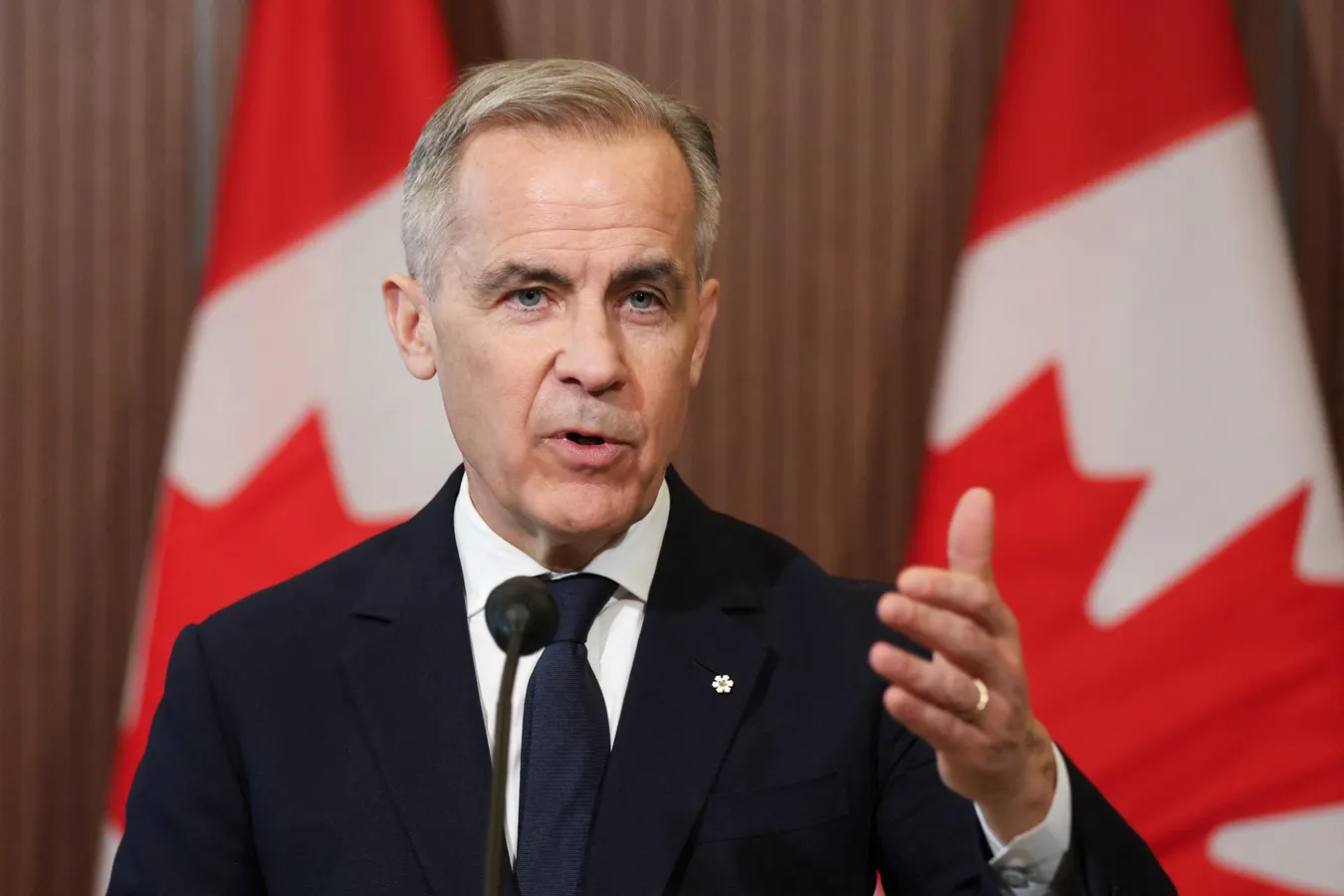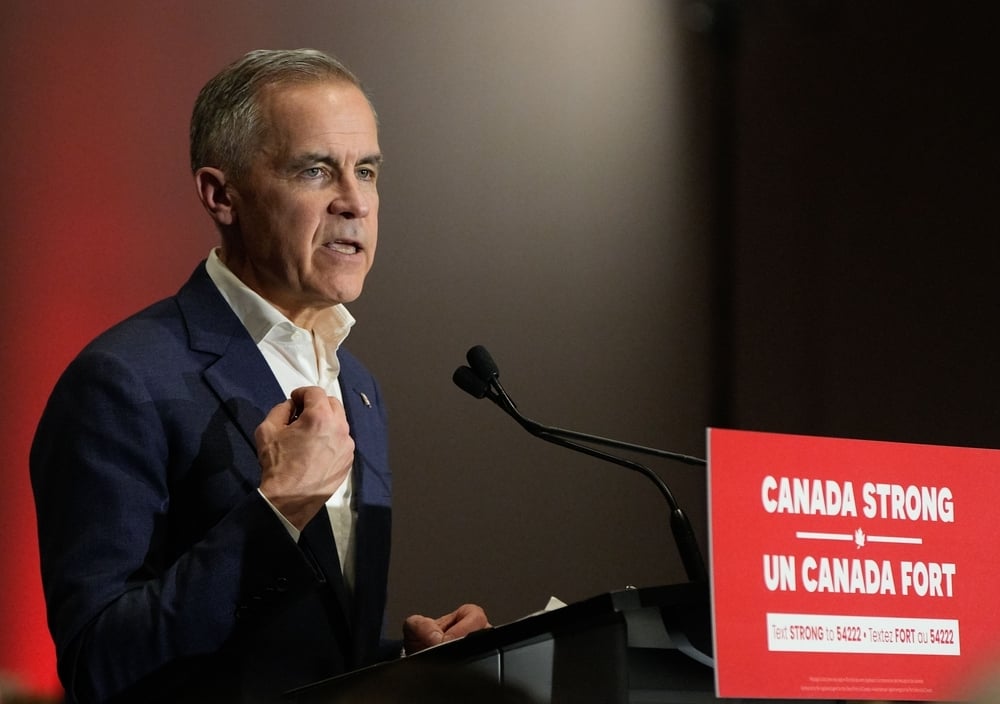
Canada’s Prime Minister Mark Carney is drawing a line in the sand as his trade officials sit across the table from their American counterparts, trying to negotiate relief from tariffs that could reshape North American commerce. The message from Ottawa is clear: a deal is preferable, but not at any price.
The stakes are hard to overstate. The US announced 50% tariffs on most Canadian imports on July 20-21, and roughly 85% of Canada’s exports flow south across the border. Those goods previously moved tariff-free under existing trade frameworks.
What Canada is putting on the table
Carney’s negotiating strategy involves offering to repeal Canada’s retaliatory tariffs on US-made automobiles. The move is designed as a gesture of good faith, a signal that Ottawa is willing to de-escalate if Washington reciprocates with meaningful reductions in its own tariff schedule.
But there’s a catch. Carney has emphasized that he wants comprehensive trade agreements covering multiple sectors, not piecemeal deals that leave Canadian industries exposed. Speaking in early August, the prime minister made clear his preference for broad arrangements that protect Canadian jobs across the board.