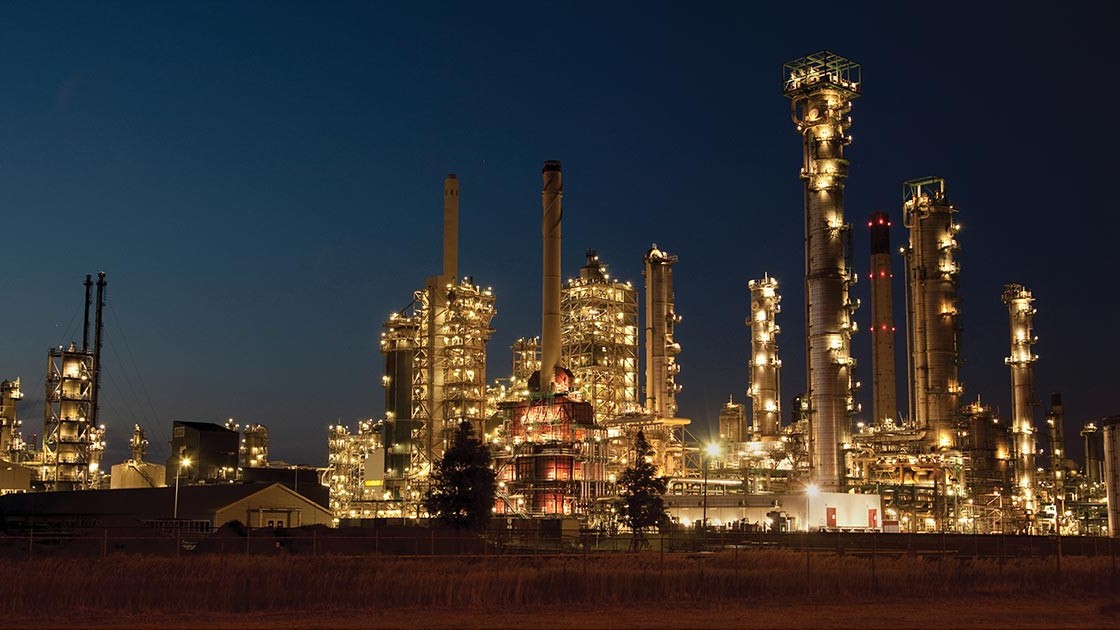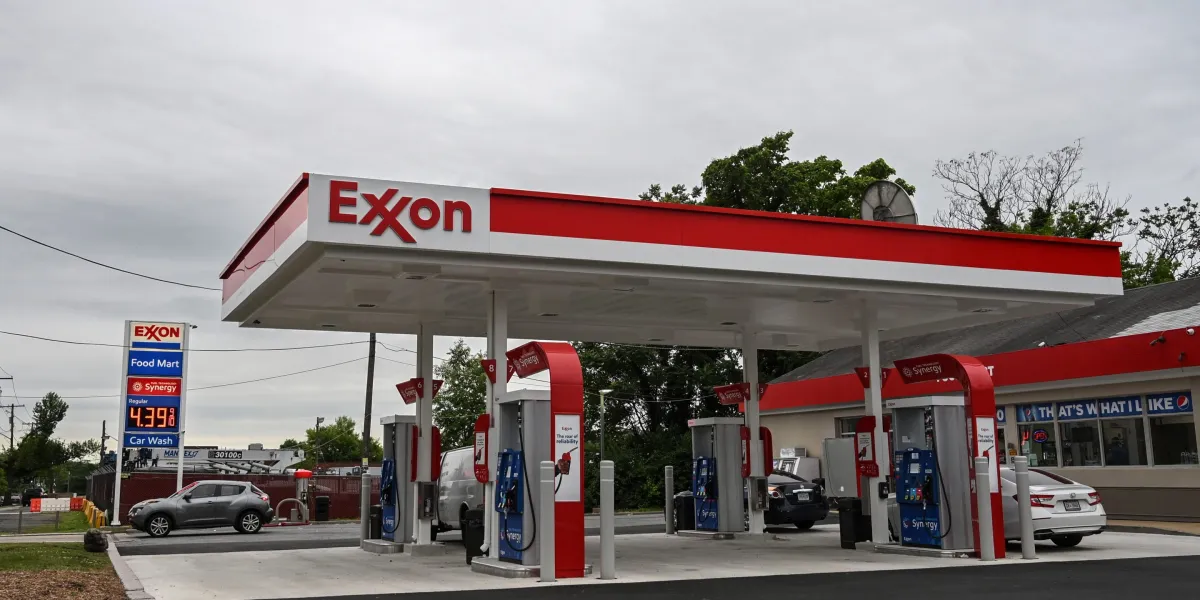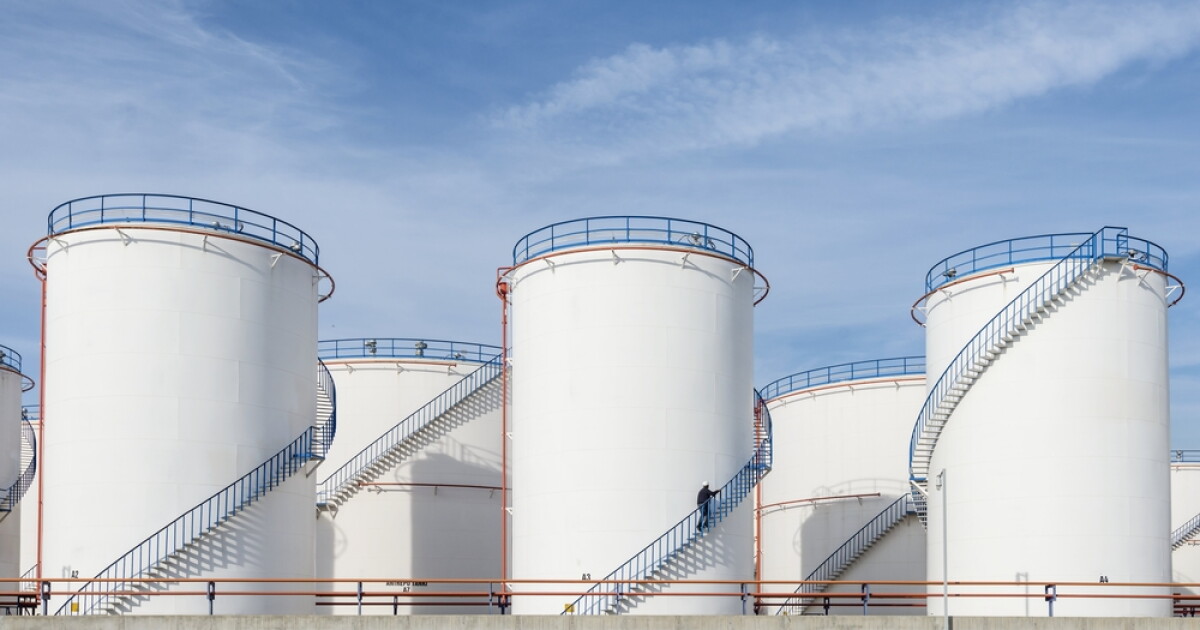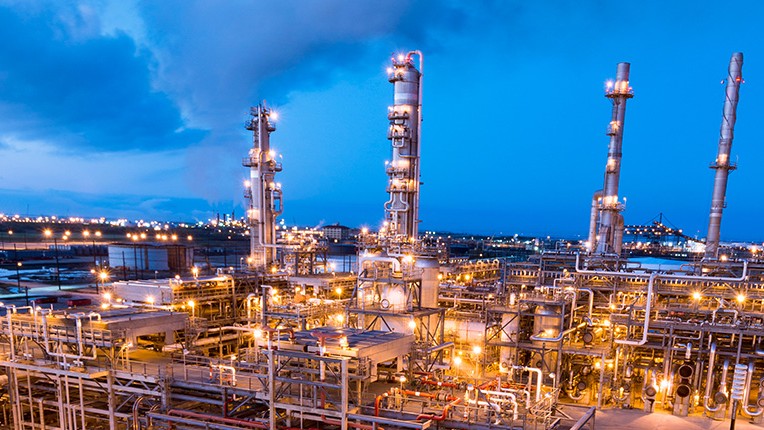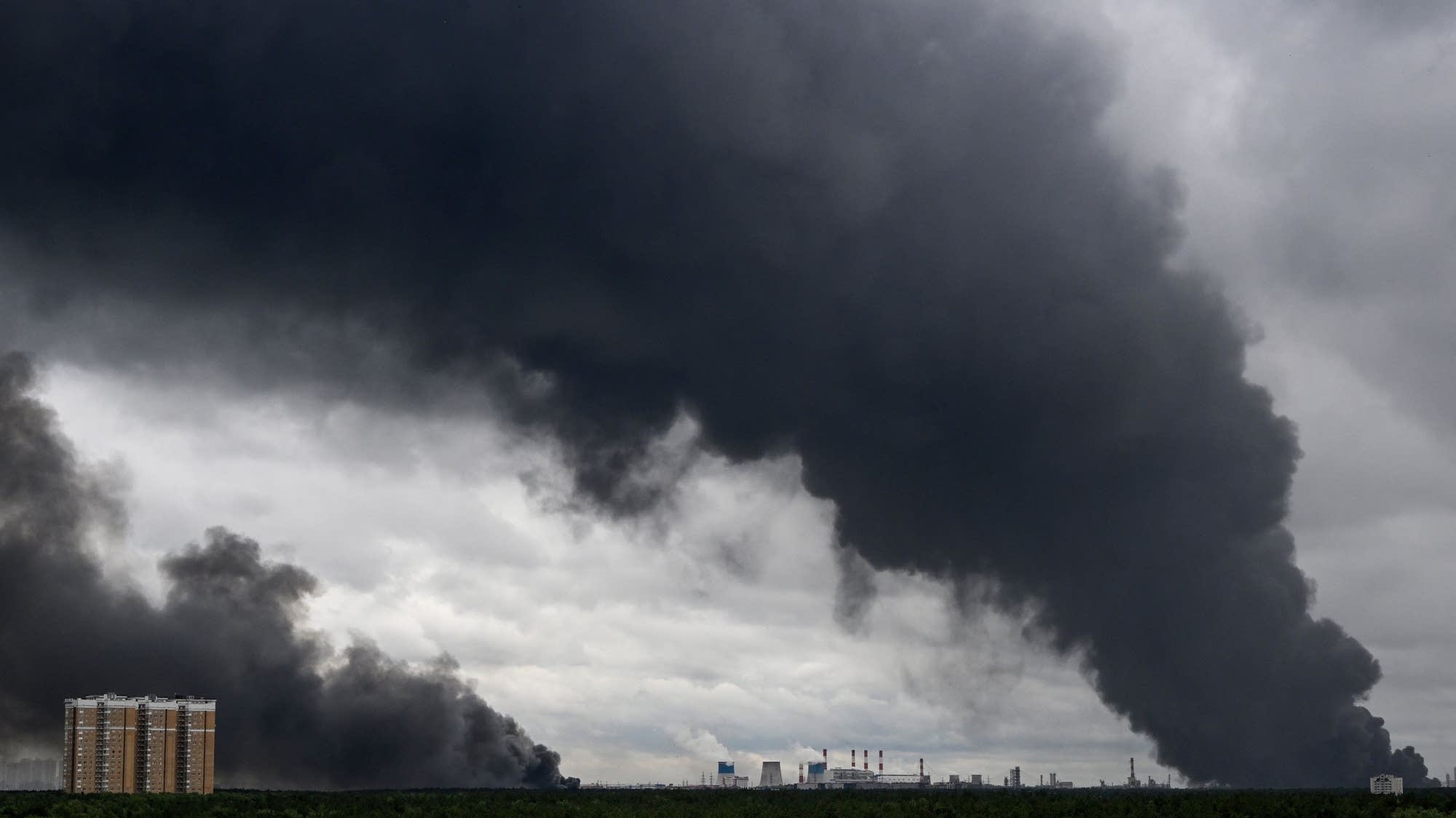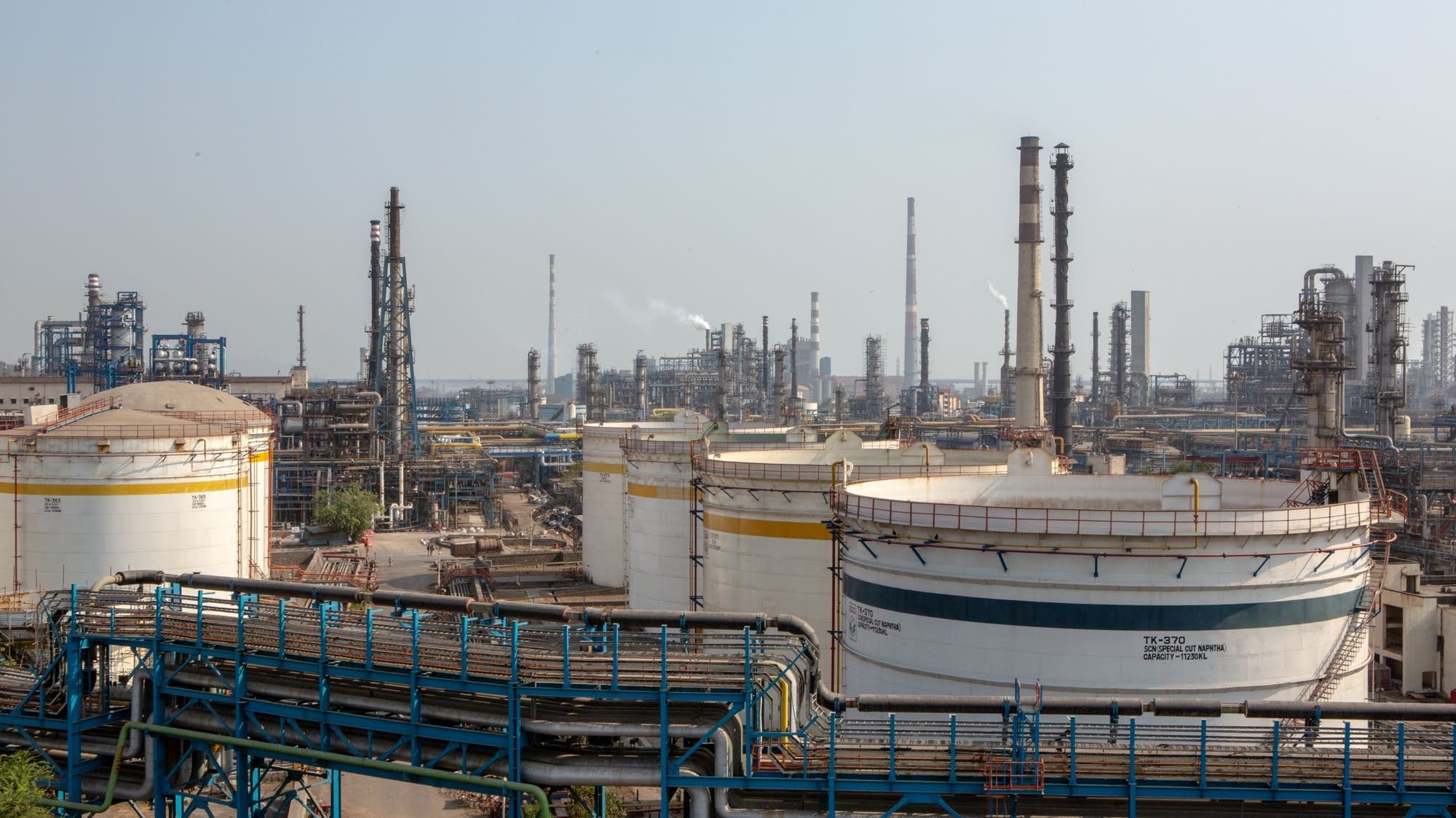
Crude oil prices are elevated — West Texas Intermediate was at around $83 a barrel on Wednesday — but they’re far from recent price peaks. Meanwhile, refined products — gasoline, diesel, and jet fuel — are in a different boat. They’re hitting $130 to $170 a barrel, closer to price peaks from 2022, as these markets face a big supply squeeze, according to new analysis by S&P Global Energy.Even before attacks on Iran earlier this year, the world wasn’t exactly overflowing with refining capacity. “The market was sort of structurally tight, because what we'd seen was that refineries had shut down,” said Dan Evans, global head of fuels and refining research at S&P Global Energy. “They'd shut down in the U.S. There'd been some closures in Europe as well, and yet demand was still growing.”That tightness made the refined products market sensitive to disruptions, and there have been some big ones. “The closure of the Strait of Hormuz,” Evans said.And Ukrainian strikes on Russian refining infrastructure, “which has reduced Russia's ability to export products,” he said. “We've seen them ban exports of diesel, and also the constraints that China is placing on product exports as well.” The crude oil market, on the other hand, is feeling less pressure. Gregory Brew, an analyst for the Eurasia Group, said for one, there’s a sense that the U.S. has backed away from escalation in Iran. “The other factor is the fact that Hormuz is not completely closed,” Brew said. “Available data suggests that a reasonable amount of crude is getting out of the Strait.”But most consumers, businesses, and producers don’t buy crude oil. They buy jet fuel, gasoline, or diesel.“Even if we see de-escalation in the Middle East and crude prices falling relative to that, product prices are probably going to remain high,” Brew said. Susan Bell, senior vice president of downstream research with Rystad Energy, also believes higher prices are here for a while. “Gasoline might weaken a little bit just because of seasonality,” Bell said. “[But] we do expect all of those key products to be very strong into the fall.” And those elevated prices are not great for strong GDP growth globally. “Because of the inflationary pressures, and consumers will feel the pinch,” Bell said. “They'll have to spend more money on the gasoline that they need to buy to get their kids to and from school and to get to and from work.”
Refined oil prices face more pressure than crude, and consumers will pay the price
Experts say there's not enough refining capacity to go around while geopolitical conflict drags on, leading to a supply squeeze.
404 words~2 min read