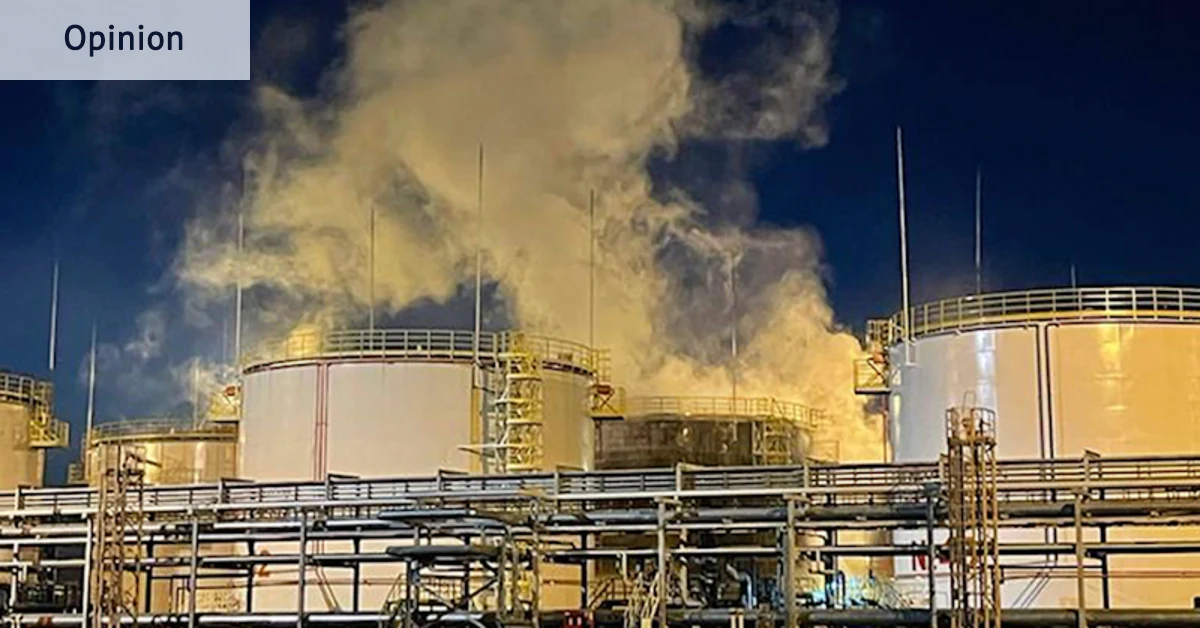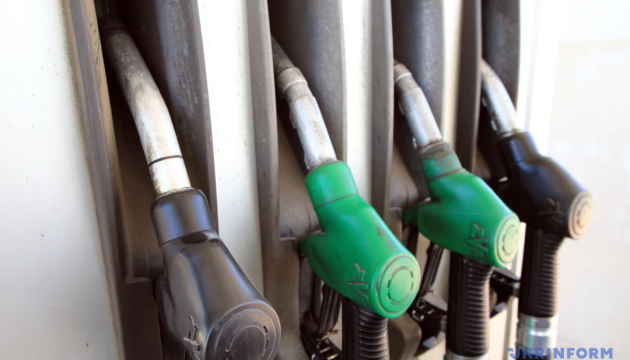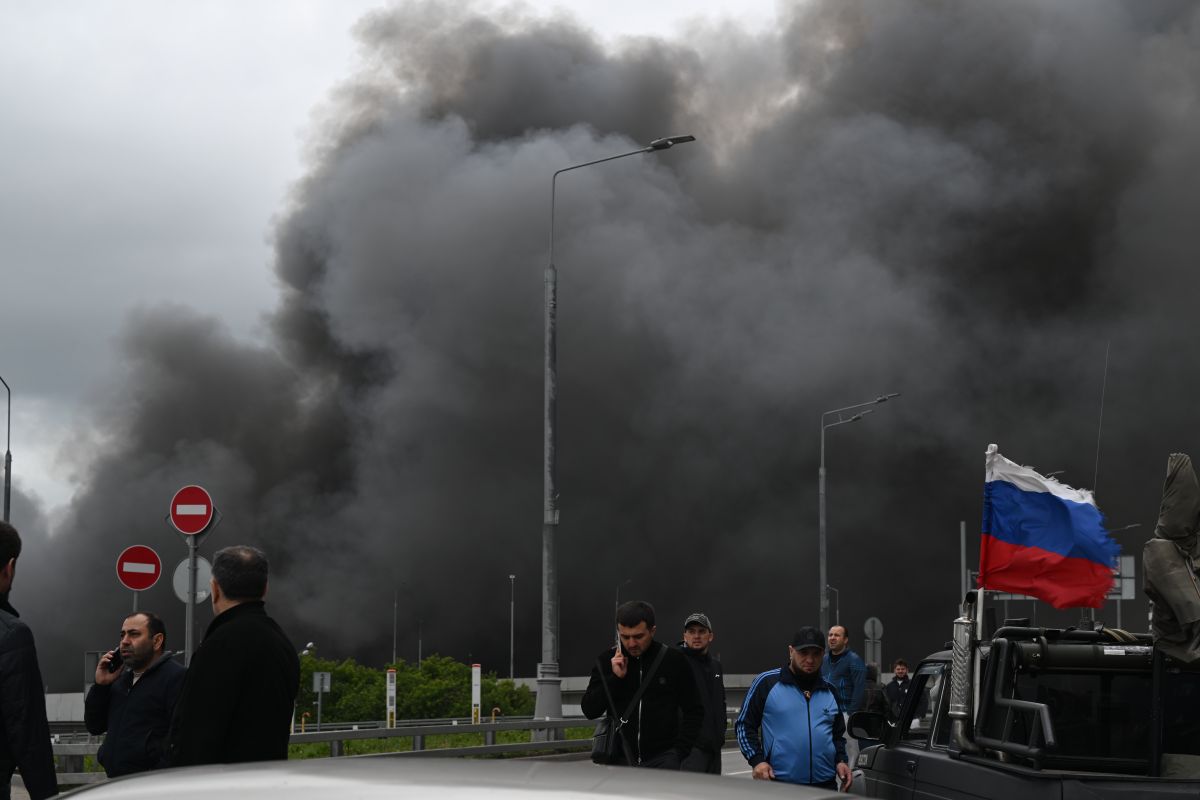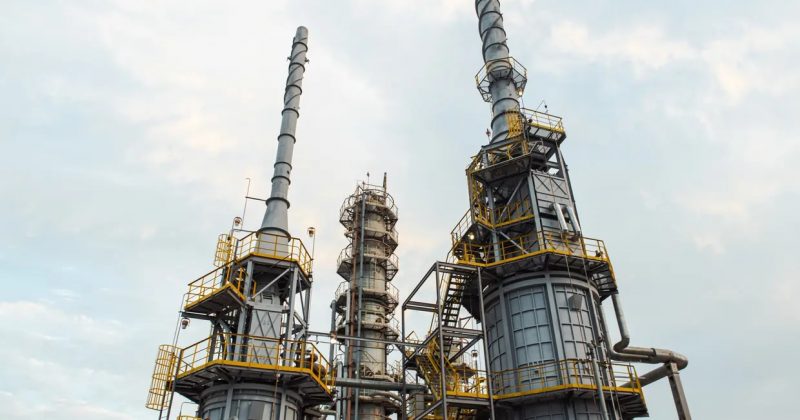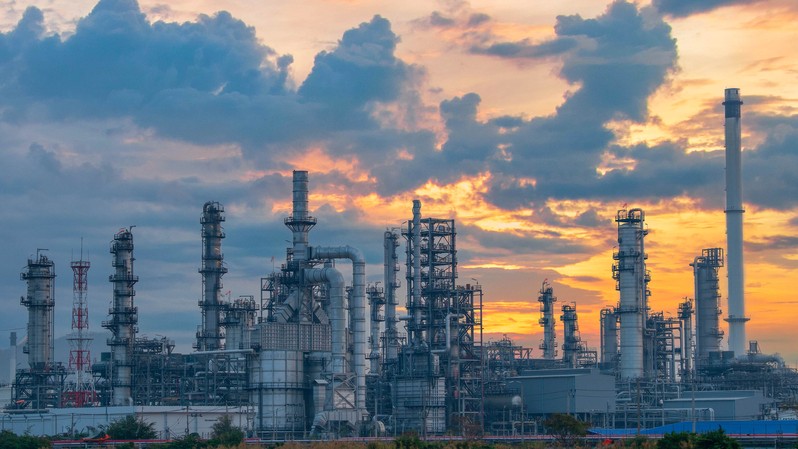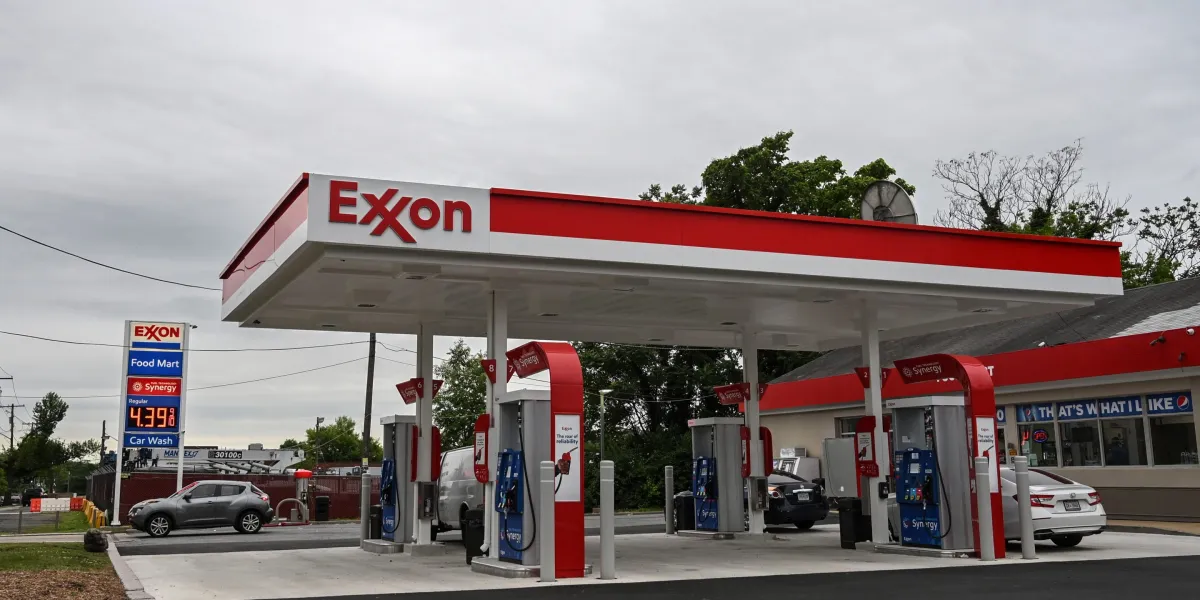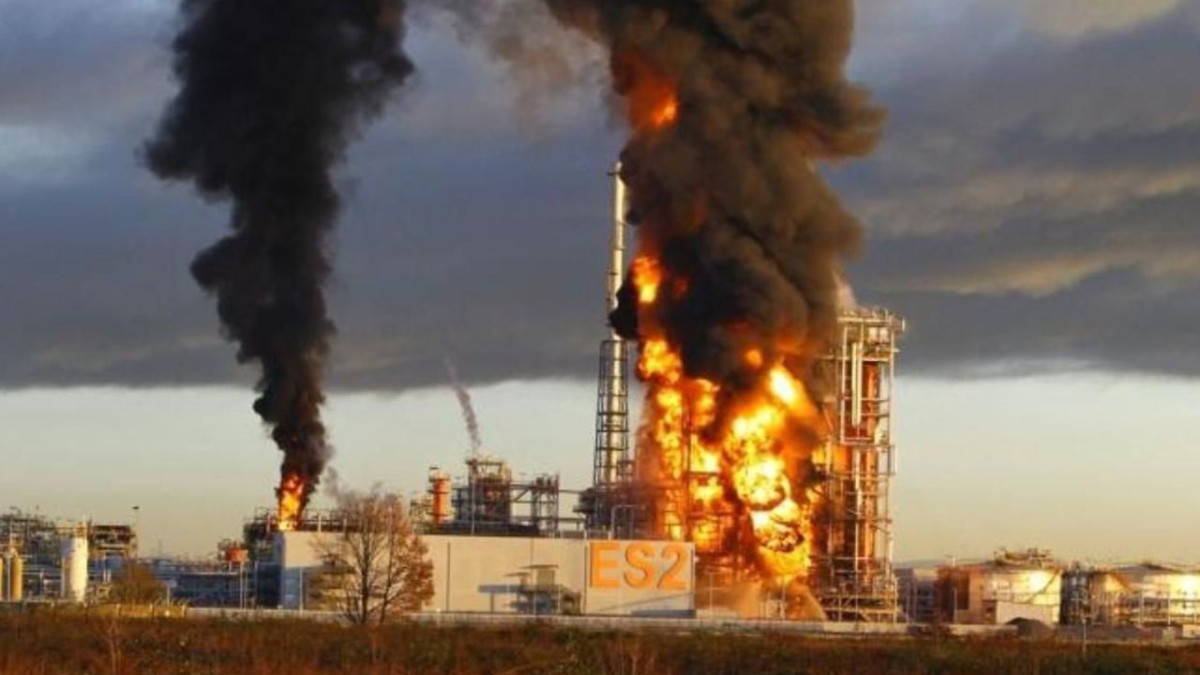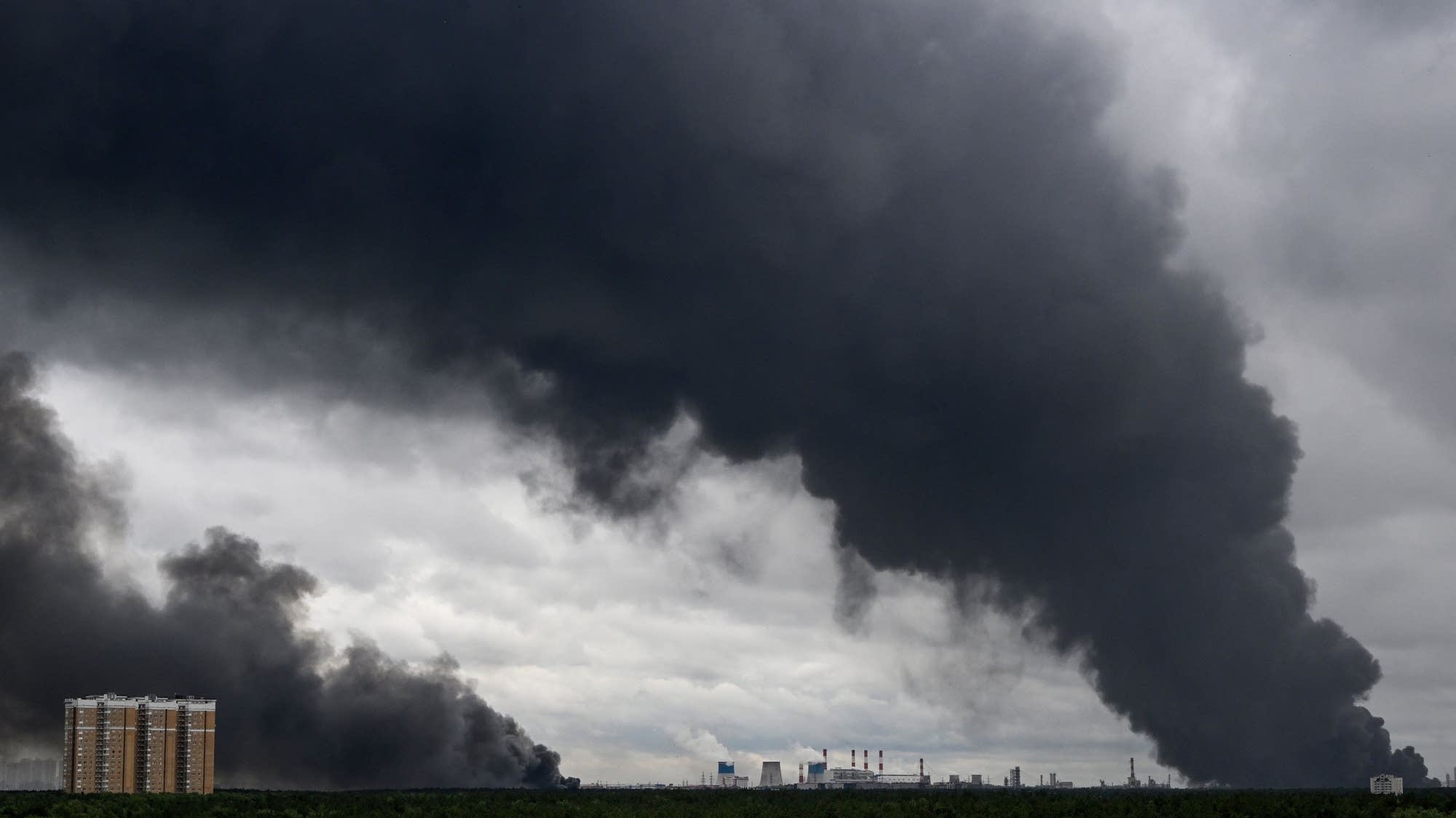
Prices of refined fuels — gasoline, diesel, jet fuel — are still pretty high, despite the price of West Texas Intermediate (U.S. crude oil) hovering at around $70 a barrel. Refiners in the U.S. are cashing in, but consumers are paying more at the pump. This does have to do with war — but maybe not the one you have in mind. Recent Ukrainian attacks on Russian refineries are rippling through global energy markets, according to Tom Kloza, chief energy advisor for Gulf Oil.“People might think that, you know, the Russia-Ukraine war has gone off their radar screens, but it's rearing its head in these high refined products prices,” Kloza said.Refinery outages have reached some of the highest levels in Russia since the war started, said Debnil Chowdhury, head of refining and marketing in the Americas for S&P Global Energy. “Now it's greater than 35% of their refining capacity has come down because of recent attacks in the country” Chowdhury said. That’s tightening the global supply of fuels and increasing what refiners can charge — while they’re also paying less for crude oil. That means in the U.S., “All major refining markets are north of $40 at this point a barrel, which is very strong margins,” Chowdhury said. That high margin per barrel is also affected by the Iran war. There’s still less refined product coming out of the Middle East. While inventories of crude oil have helped keep those prices lower, “We don't have the same buffer for refined products,” Chowdhury said.The timing here also matters.“We're at peak summer demand,” said Tom Seng, a professor of energy finance at Texas Christian University. “So you can say that essentially refined products are at a premium.” Seng said gasoline and aviation fuel demand typically drop after labor day, which could end the gravy train for refiners.
The war driving up refined fuel prices might not be the one you're thinking of
Ukrainian attacks on Russia’s refineries have contributed to lower global capacity for products like diesel and gasoline.
305 words~1 min read