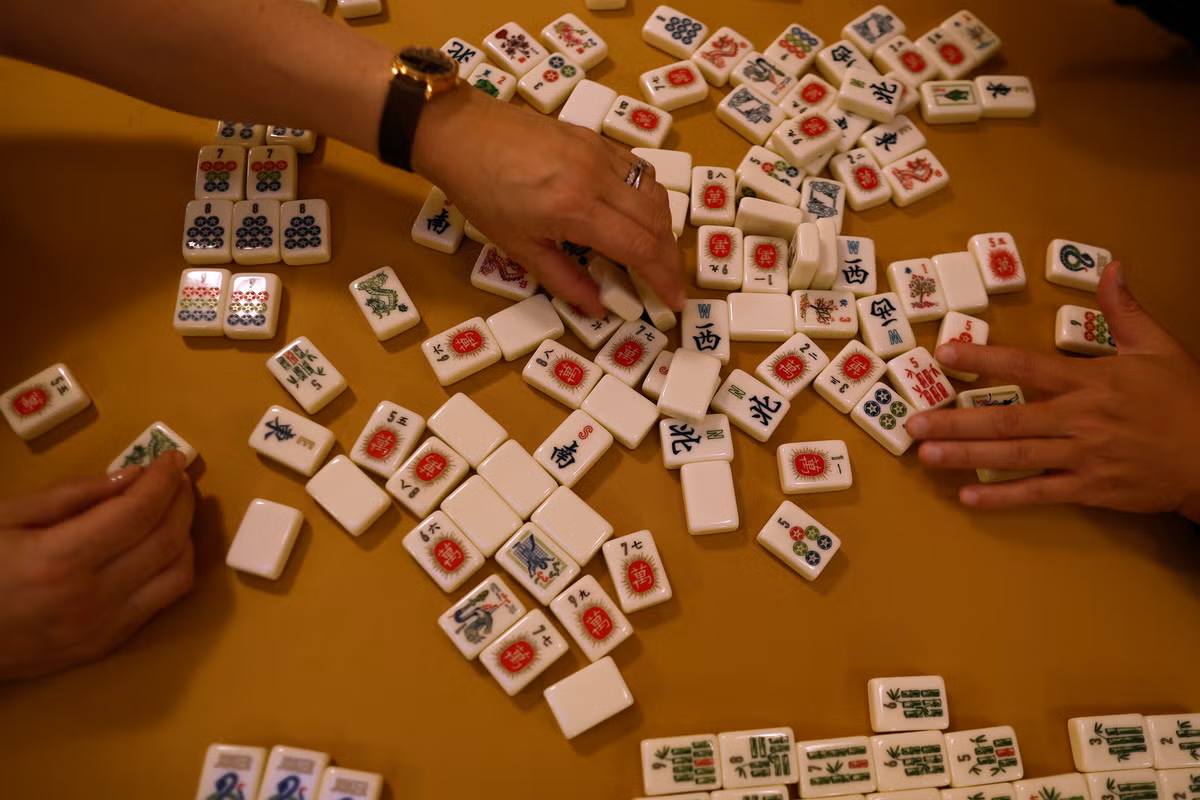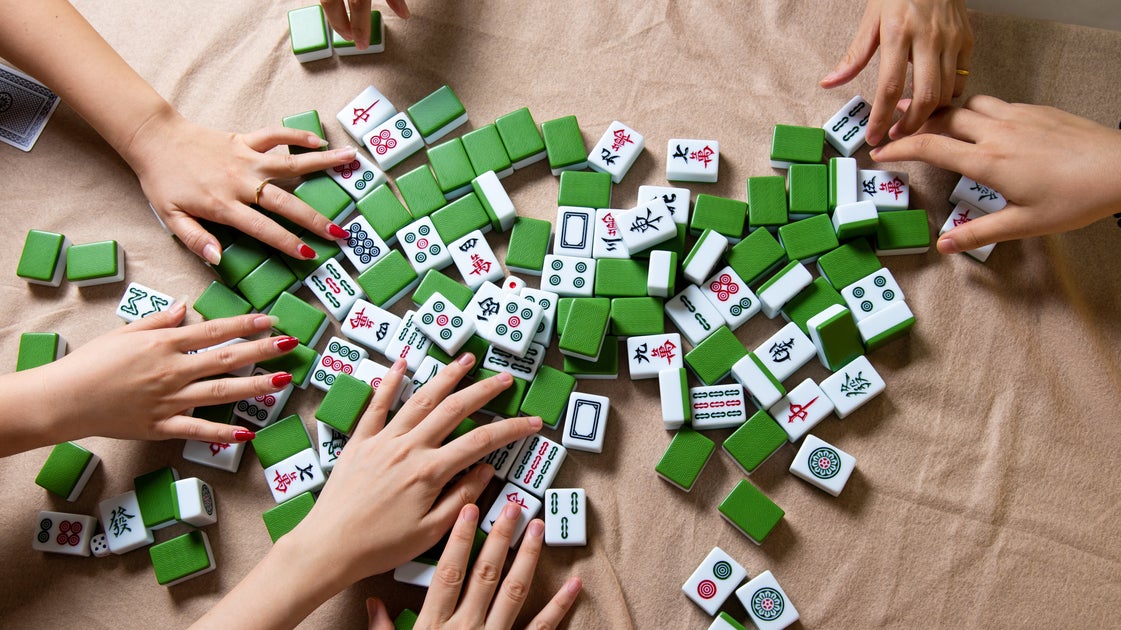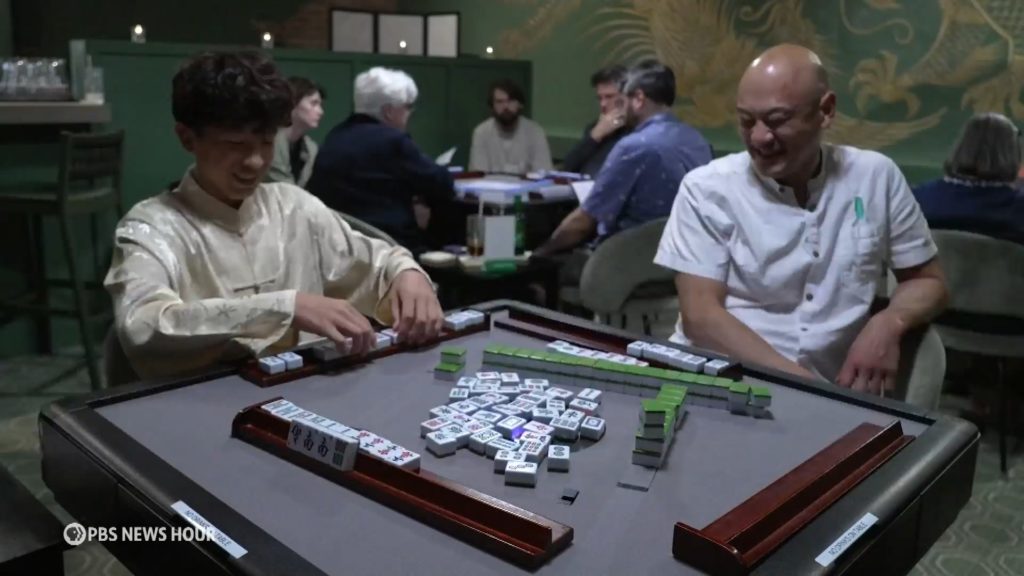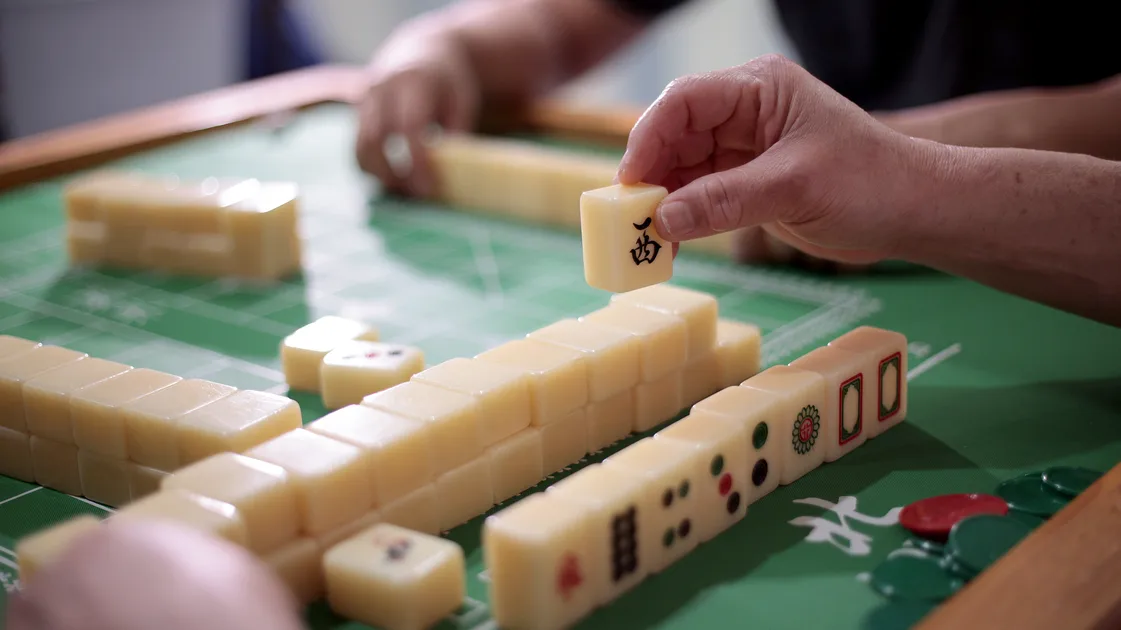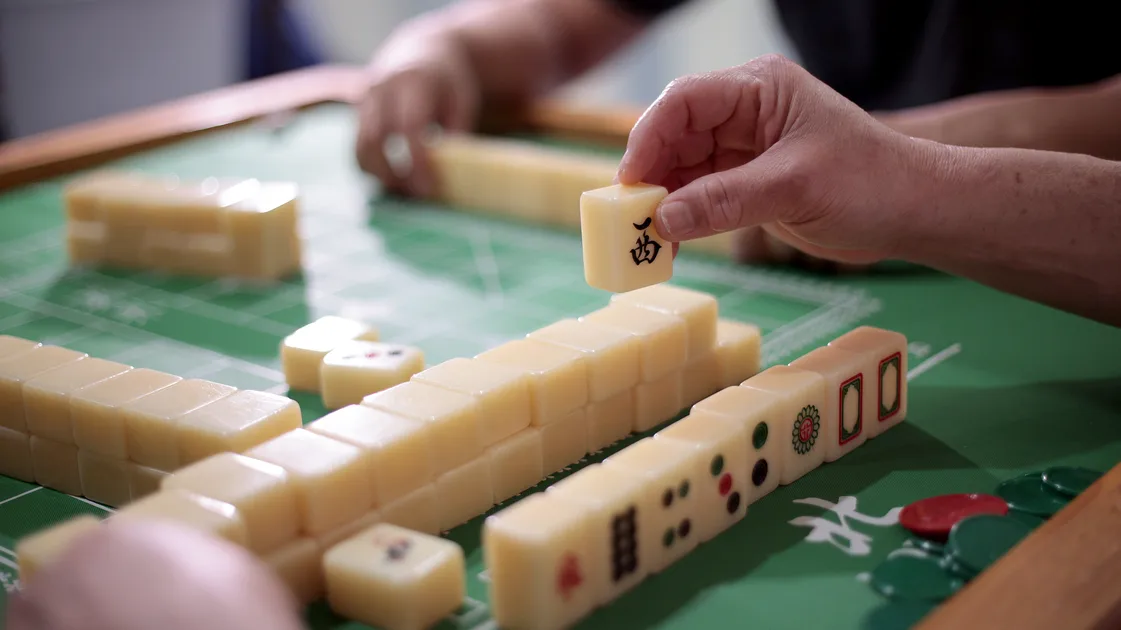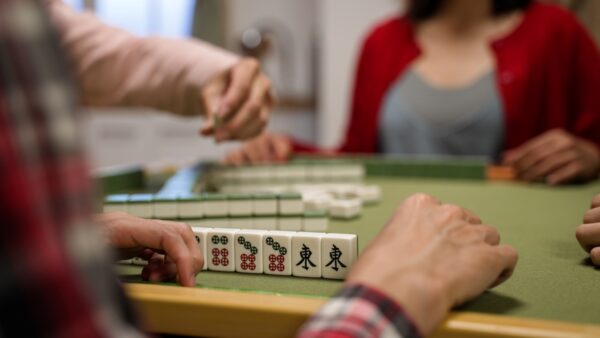
Mahjong is having a global moment. From designer tile sets and “mahjong parties” to growing numbers of clubs and classes, the centuries-old Chinese tile game is becoming trendy once again. But its resurgence raises questions about cultural exchange, commercialization, and what happens when a tradition rooted in Chinese history becomes a “lifestyle trend.”
Mahjong emerged in eastern coastal China in the mid 1800s, towards the end of the Qing Dynasty. Although its exact origins are debated, historians agree the game developed from earlier Chinese tile-based games.
In the early 1900s, mahjong spread across China and internationally, including to the United States, France and the United Kingdom. Annelise Heinz, historian of modern America, explained how American businesses marketed the game as an exotic Chinese novelty, often using Orientalist imagery in related advertisements and media.
American companies such as Abercrombie & Fitch helped commercialize mahjong. But Heinz argued that their success depended on Chinese manufacturing, commercial networks, and cultural expertise. Chinese merchants and community members imported and sold mahjong sets, and taught many White Americans how to play – yet their contributions are often overlooked.