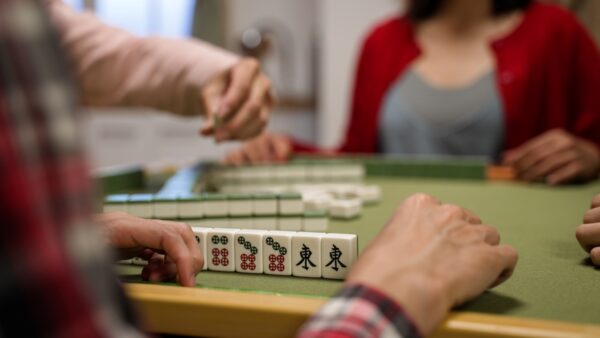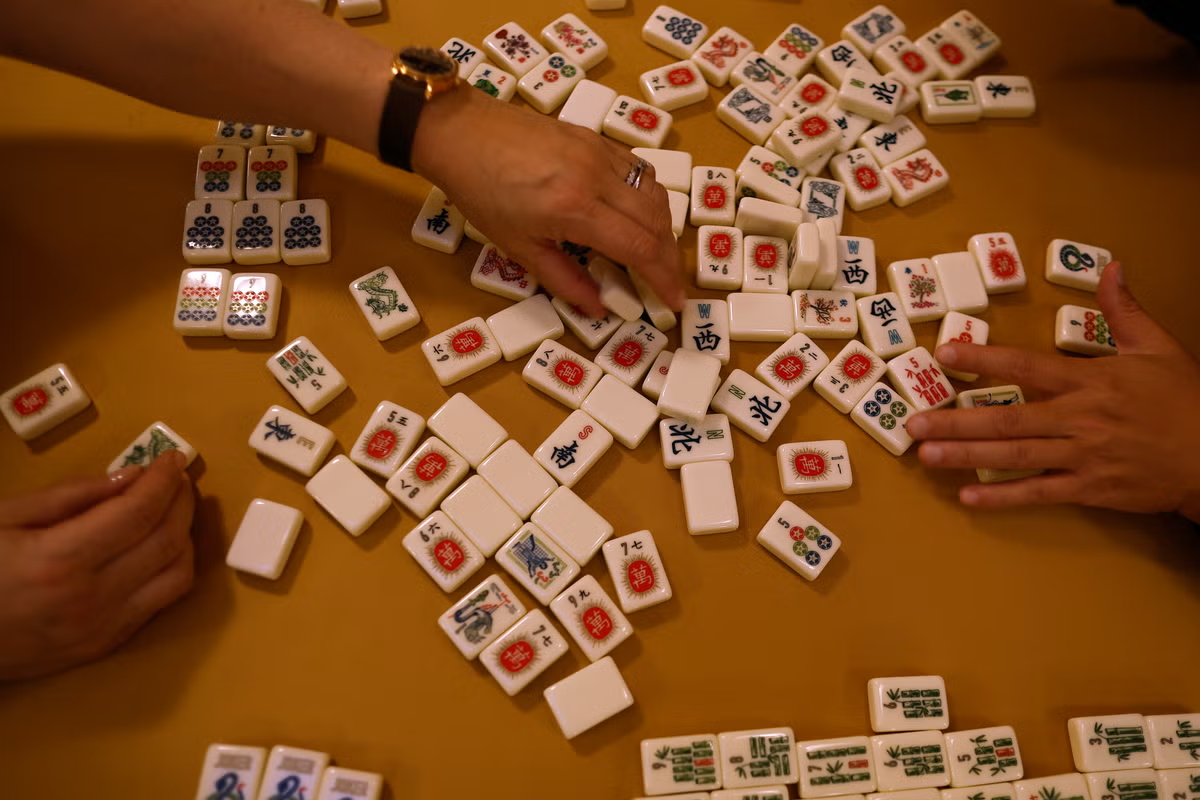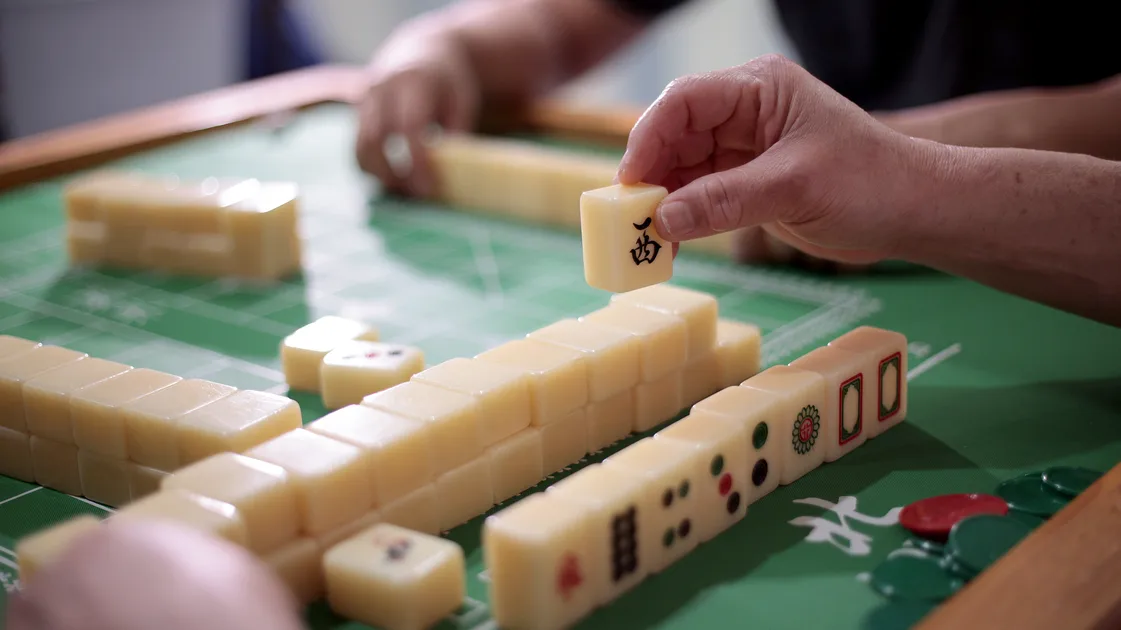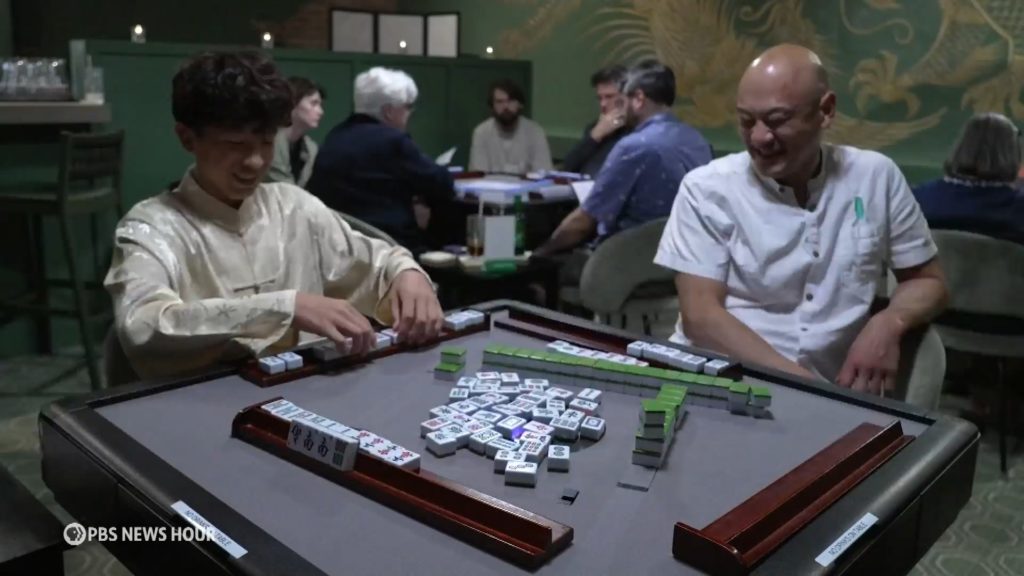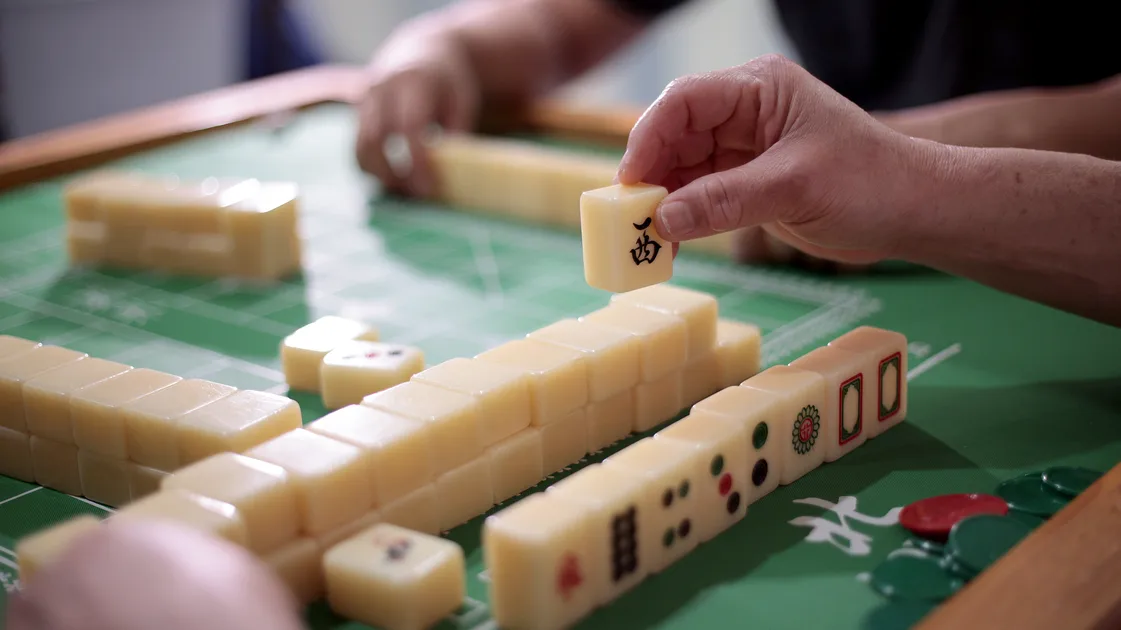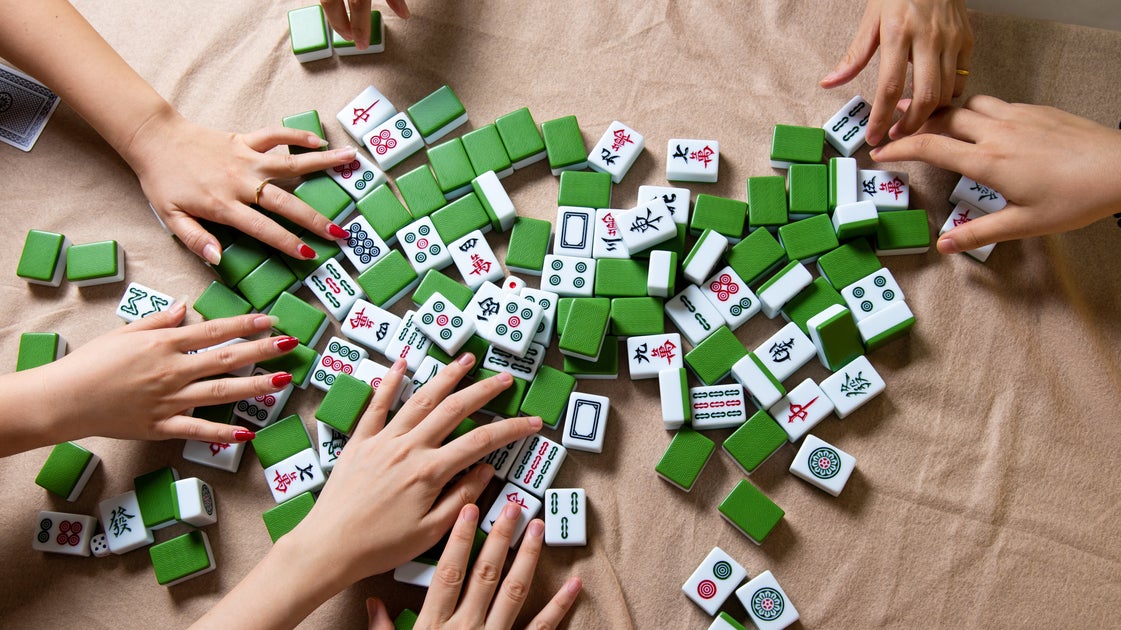
Designer mahjong sets. A mahjong-themed Hallmark movie. Scores of mahjong clubs popping up in major cities. A century after its first boom in the United States, the nearly 200-year-old tile game with origins in China is having another moment stateside.
This resurgence has not come without criticism. As the game grows in popularity among younger, often non-Asian players, many in the AAPI community have raised concerns about cultural erasure and commercialization.
“It’s important to remember that mahjong isn’t ‘new,’” Han Ren, a psychologist and author of “The Hyphenated Life: Bridging the In-Between Spaces of Intersectional Identities,” told HuffPost. “There is a deep, rich, longstanding and powerful cultural history around mahjong in China, Taiwan, Singapore, Malaysia and other Asian countries. This is not a new fad or game.”
Indeed, many credit the hit 2018 rom-com “Crazy Rich Asians” ― set in Singapore ― with boosting the popularity of the game. In one notable scene, the protagonist squares off against her love interest’s mother in a symbolism-ridden sequence of gameplay.
More recently, critics have pointed to a lack of Asian representation in projects like Hallmark’s upcoming “All’s Fair in Love and Mahjong,” as well as the rise of “modernized” sets that strip away traditional symbols and meaning in favor of aesthetic trends.