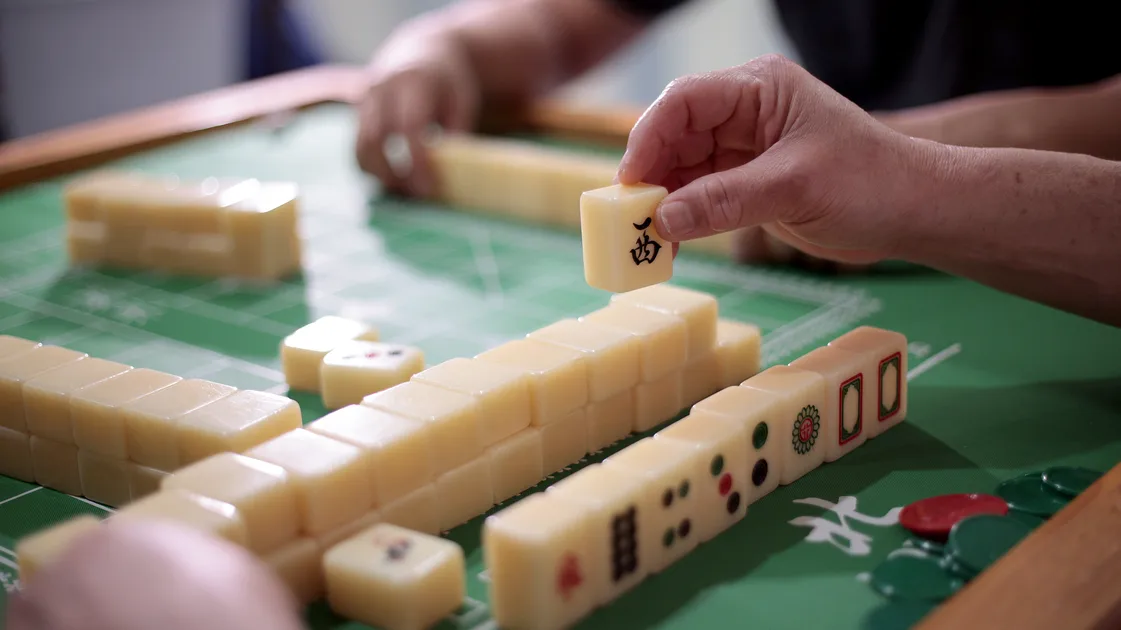
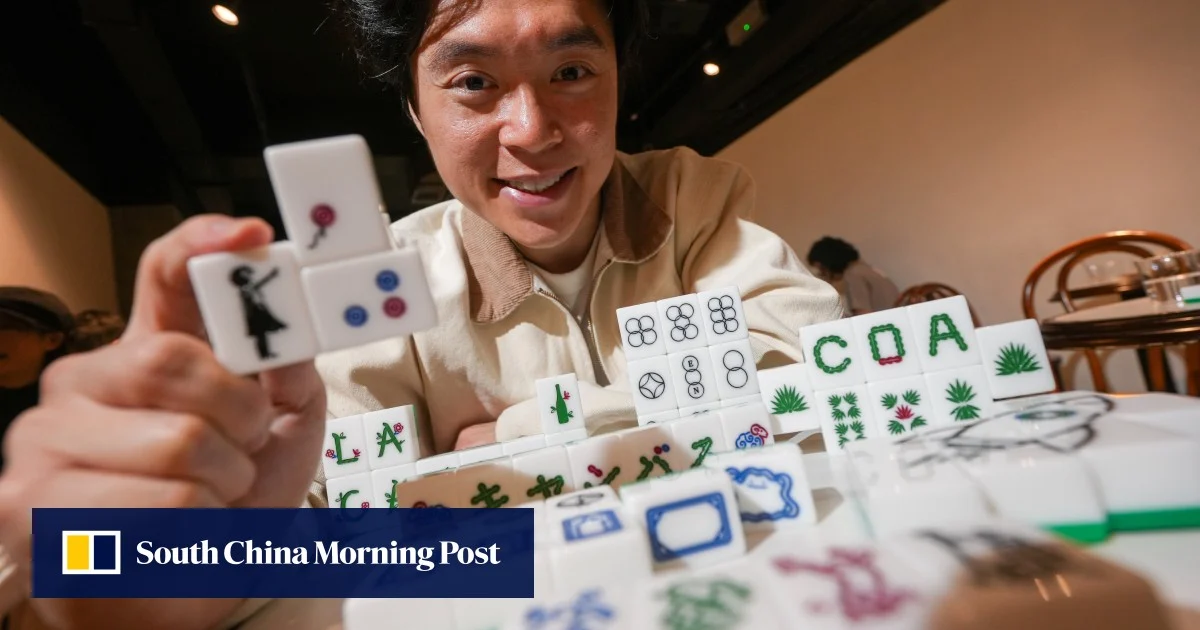
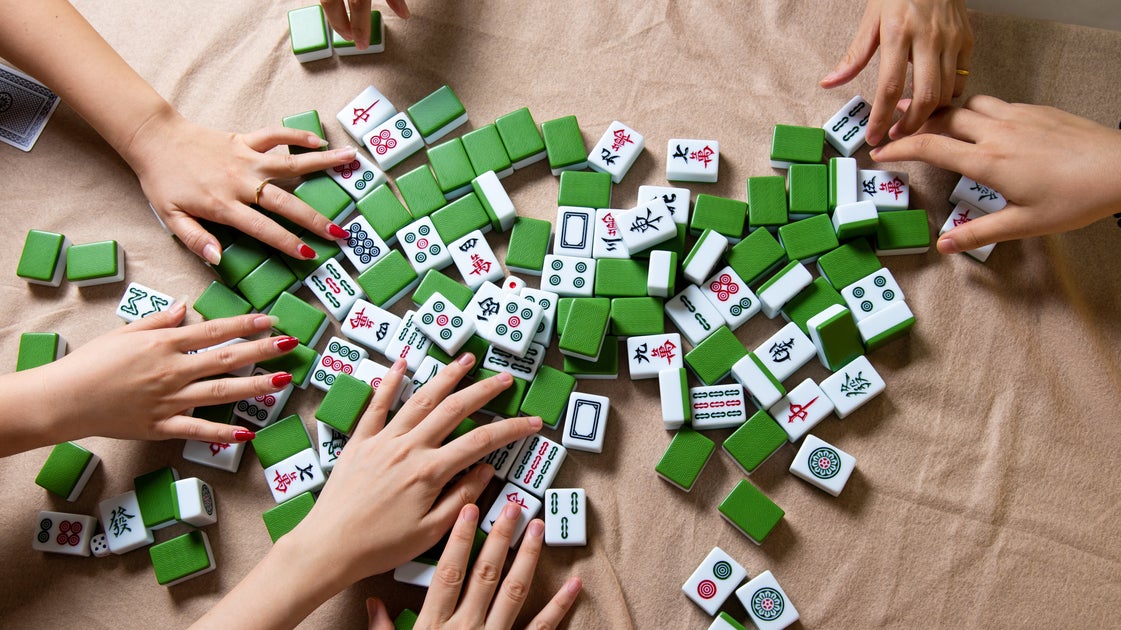
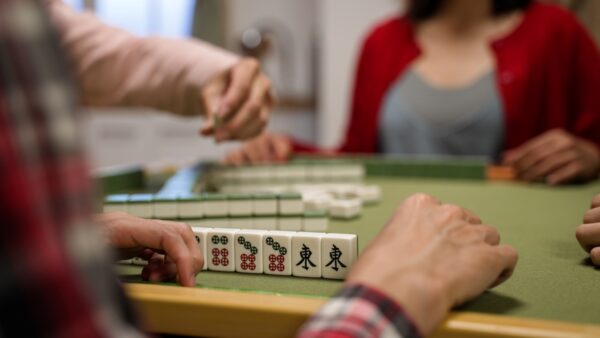
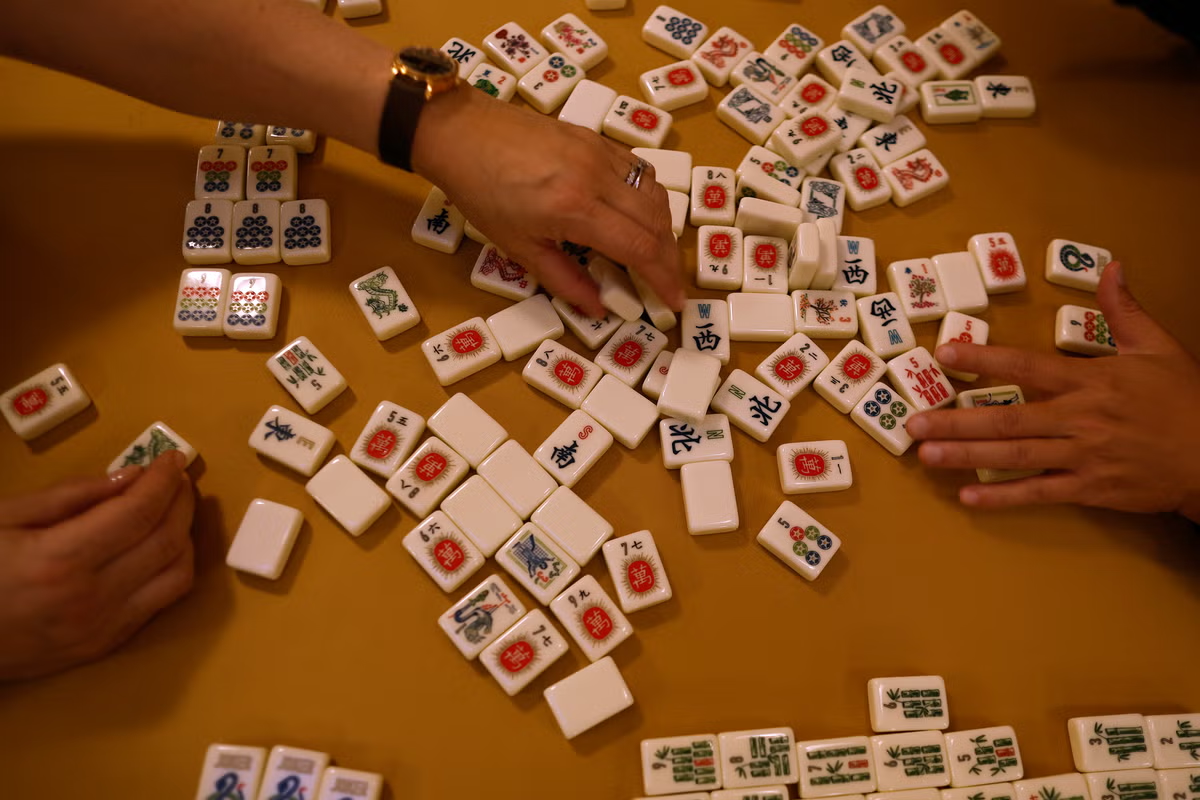
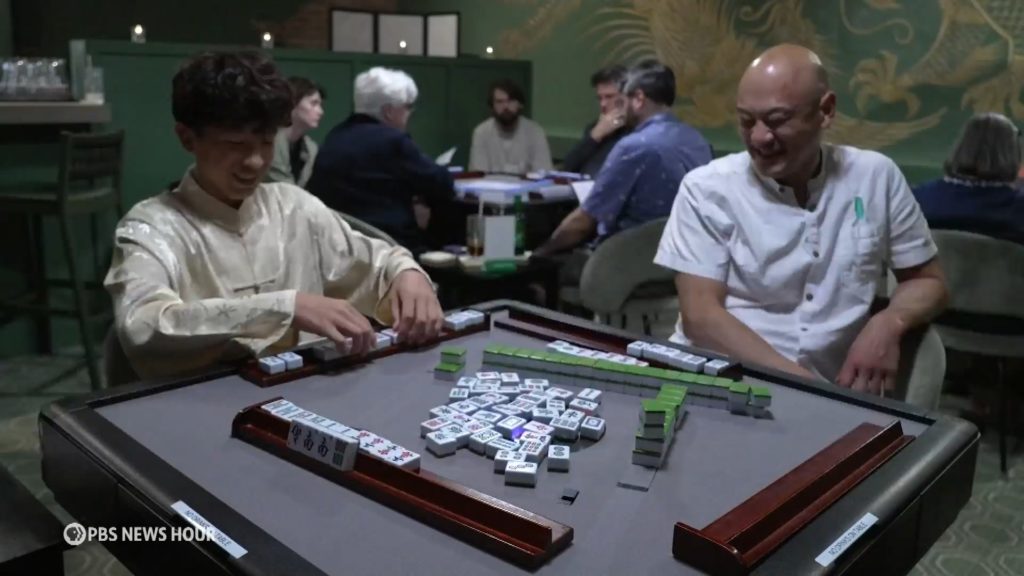
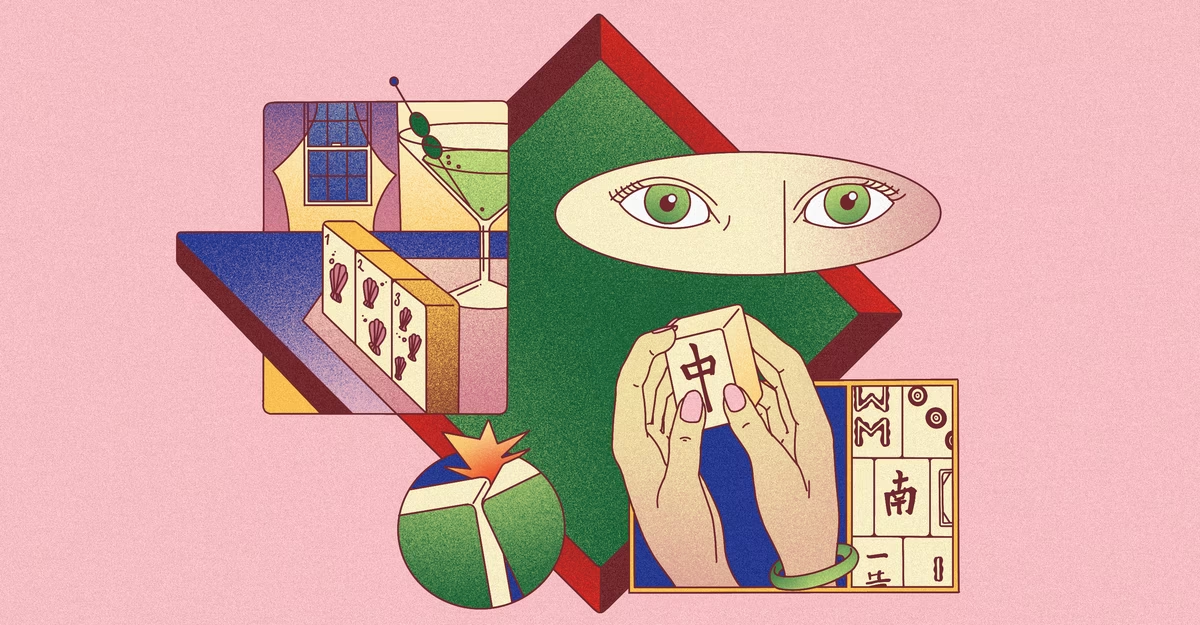
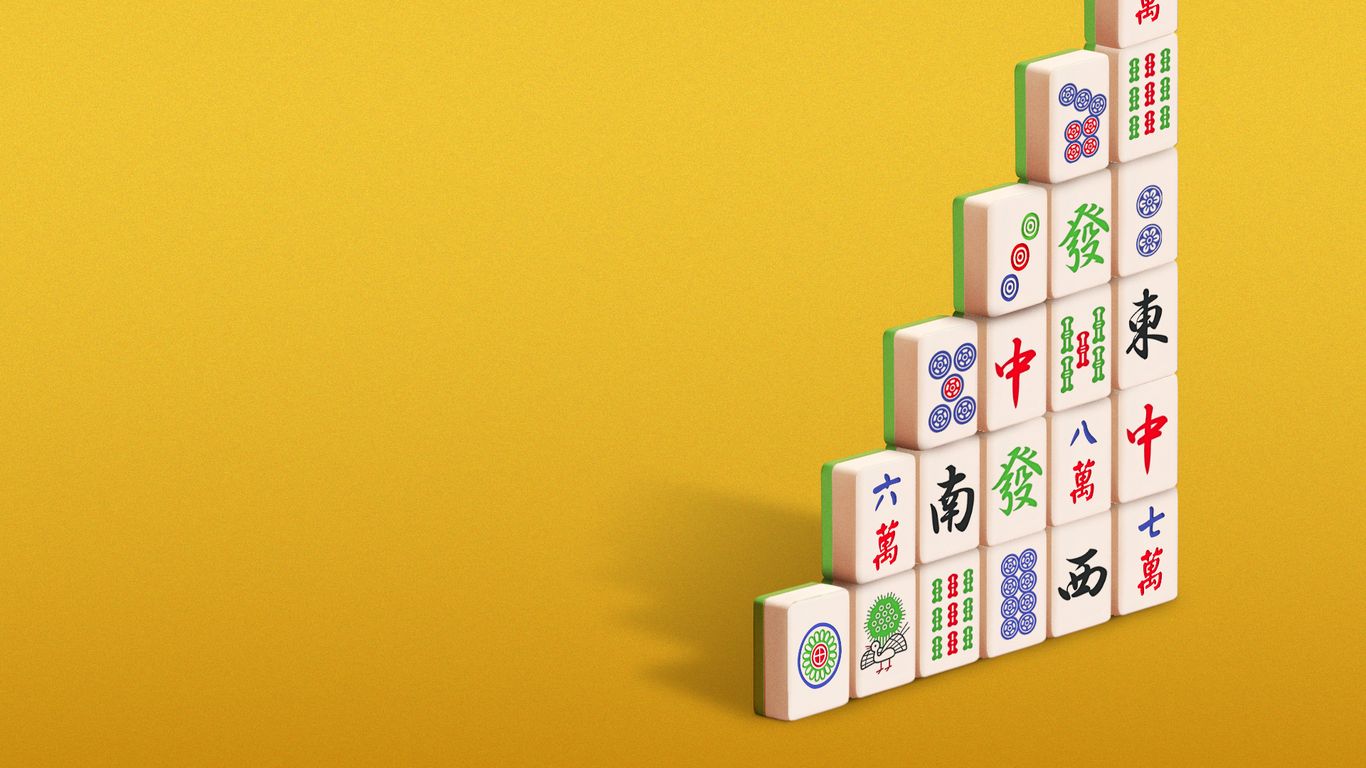
Mahjong, the Chinese tile game, is having a mainstream moment in the US. Online, you may have already seen ads for luxury designer sets; pricey instructor-training courses; and the new Hallmark movie, All’s Fair in Love & Mahjong, featuring a mostly non-Asian cast. Nicole Wong, author of Mahjong: House Rules from Across the Asian Diaspora and creator of The Mahjong Project, examines the growing divide between Asian diasporic communities—for whom mahjong is a cultural inheritance—and those who have newly embraced the game as a lifestyle trend, a demographic that skews largely white and female. As the game grows in popularity, Wong acknowledges holding two very different feelings at once: “feeling intensely empowered and seen by our community while also grieving that a part of it is being taken away.”
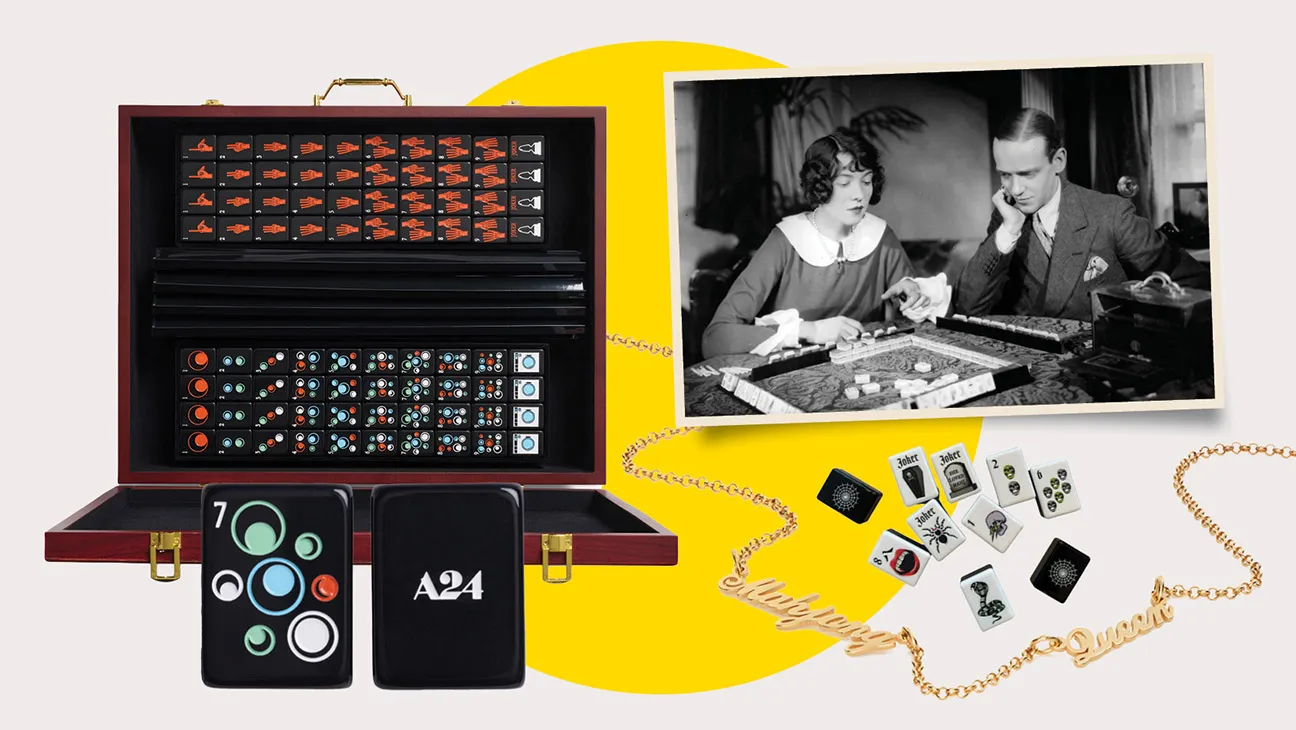
Perhaps most telling, though, was something that did not go as viral. On Lunar New Year’s day, A24 opened pre-orders for an American mahjong set inspired by Everything Everywhere All At Once — a quintessentially Asian American film. The tiles are redesigned thematically for the film, but the flower tiles are unnumbered (which is typical for the American style), rendering the set unplayable for many popular versions of Chinese and Hong Kong-style mahjong. It’s a set for a version of the game that many Asian Americans — and presumably the central characters of the film — do not play.