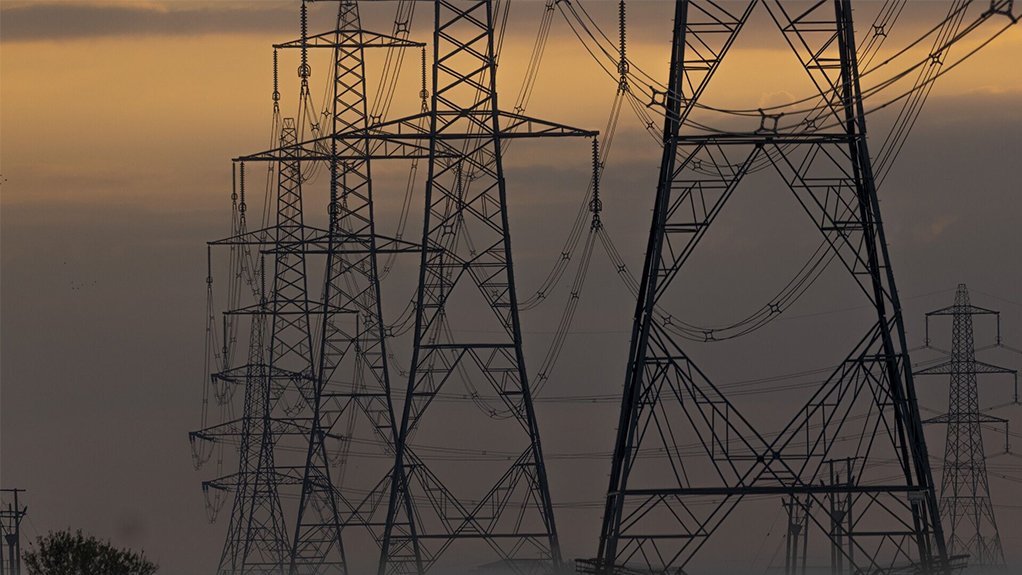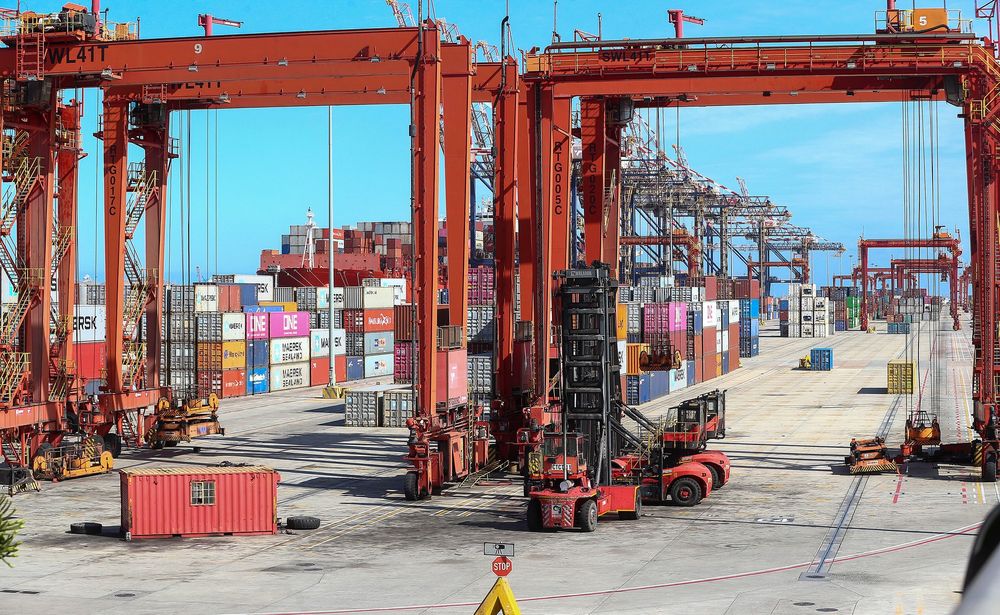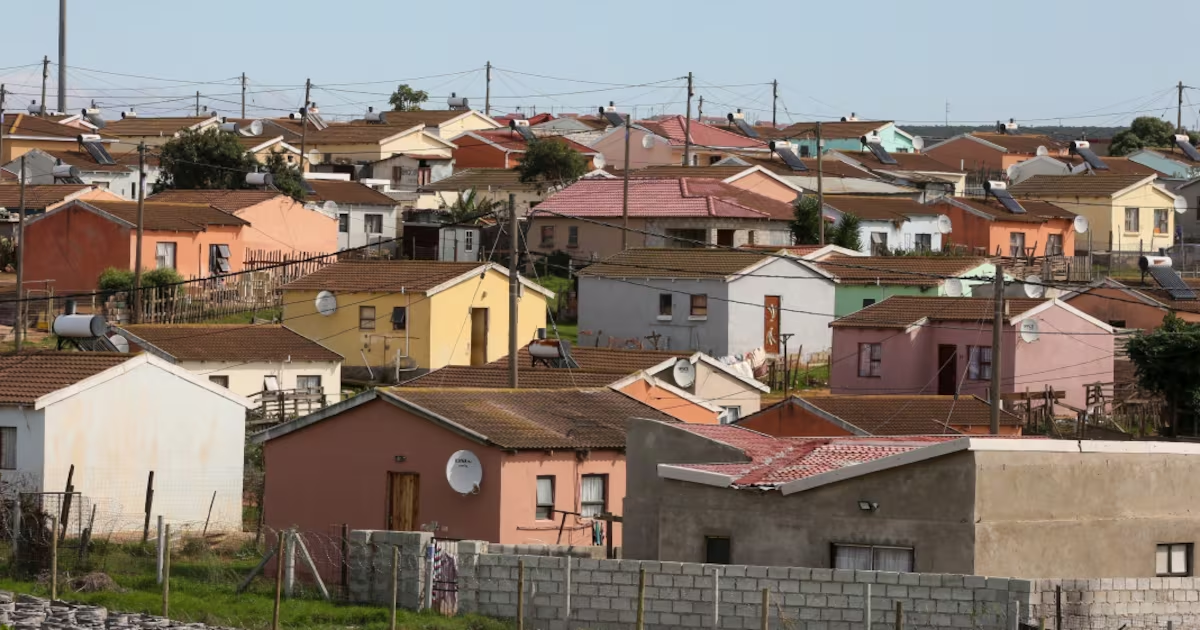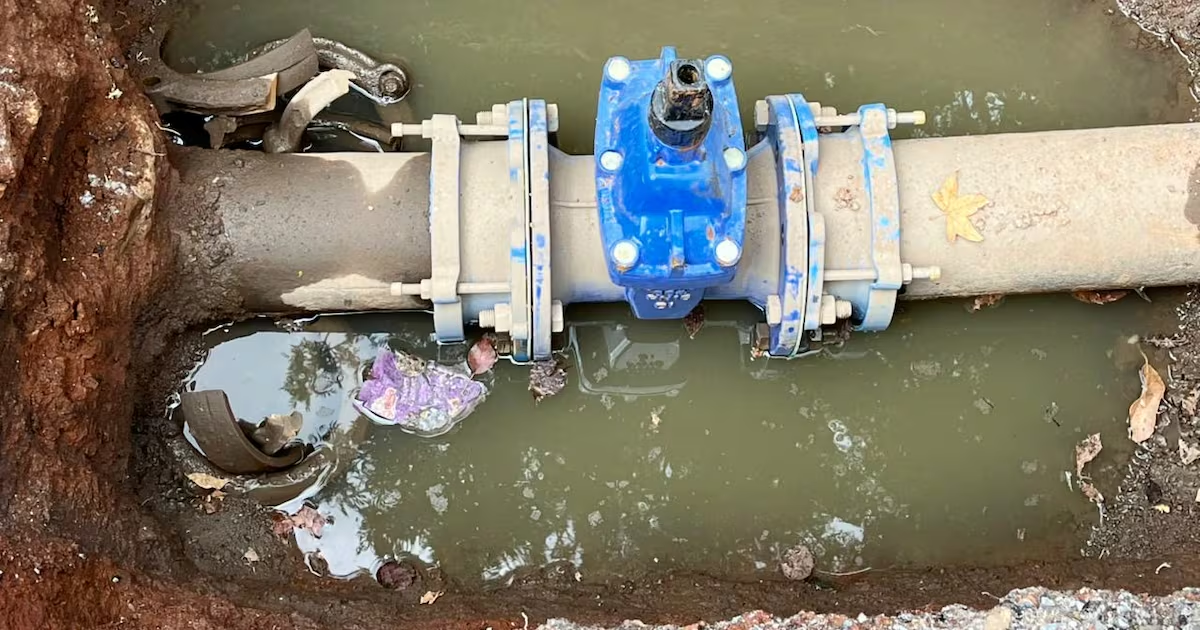
Operation Vulindlela was launched in 2020 after a stark diagnosis: South Africa’s economy could not grow while electricity, freight logistics, water, telecommunications and the visa system were trapped in institutional paralysis. A small joint team in the Presidency and National Treasury was formed to identify blockages, convene decision-makers, escalate resistance and drive implementation where ordinary government processes had repeatedly failed. The model delivered real gains. Private electricity generation was liberalised; the energy project pipeline expanded; water-use licence processing was accelerated; spectrum was released; visa administration was modernised; and freight rail was, at least in principle, opened to private operators. Phase 2 has now moved into more difficult territory: local government. Here, the problem is not a single obstructive regulation but an intergovernmental fiscal system in which constitutional mandates, revenue powers, transfers, political accountability and administrative capacity increasingly pull in different directions. The constitution created three spheres of government and gave municipalities a protected mandate. Three decades later, much of the system is failing. The scale of the decay is not disputed. The 2026 Budget Review records 29 municipalities under mandatory financial recovery plans and 88 with unfunded budgets and limited capacity to maintain infrastructure. Operation Vulindlela’s latest report concedes progress has been uneven and, in places, slower than planned. Electricity distribution reform, the fault line running through Eskom debt, municipal revenue and service failure, remains behind schedule. There has, nevertheless, been progress. The first cohort covers 12 water and electricity trading services across seven metros. Performance plans have council approval, incentive allocations are included in municipal budgets, and grants are tied to independently verified results. However, credit for that verification layer is not entirely Operation Vulindlela’s to claim. The World Bank’s $925m (about R14.9bn) Metro Trading Services Programme, approved by its board in November 2025, disburses funds only against independently verified results, and the agent now assessing metros’ 2025/26 ring-fencing performance, due to report by October 2026, was appointed to satisfy that loan covenant. The domestic reform agenda also poses a difficult constitutional choice, and the white paper is unusually candid about it. Its “proposed end state”, which replaces the two-tier district-local system outside metros with single-tier municipalities, requires, by its own account, two constitutional amendments: one to permit single-tier municipalities nationally, and another to empower an organ of state to reassign functions between spheres. Tellingly, the white paper also sets out a fallback that needs no constitutional change at all, retaining two tiers outside urban areas with firmer differentiation should the single-tier path be rejected. The risk is not that the reform is unconstitutional, it is that Treasury and Operation Vulindlela may spend years building fiscal and institutional machinery for an end state parliament has not yet agreed to enable. Read against the white paper itself, Operation Vulindlela converges with the policy on substance. The paper’s trading-services chapter expressly builds on the metro trading services reform initiative, while its proposals on professionalisation and independent regulation align with the direction of Operation Vulindlela’s reforms. However, because the initiative predates the revised white paper, the paper codifies and extends the reform rather than providing its original policy basis. Sequencing is therefore less a contradiction than an implementation risk. The white paper calls for early stabilisation and institutional readiness before reforms are scaled up from 2027 to 2031. Meanwhile, the auditor-general reports only 39 of 257 municipalities achieved clean audits in 2024/25. Audit outcomes and programme coverage are not directly comparable, but the contrast is a warning: a promising metro pilot should not be mistaken for a system-wide municipal turnaround. The utility model at the heart of phase 2 may strengthen service delivery by protecting water and electricity revenues from diversion. However, separating profitable trading services from the wider municipal budget could weaken redistribution unless the rules protect cross-subsidies and support for the indigent. Stronger national conditions can improve accountability; excessive central direction can leave municipalities answerable to voters for decisions they no longer control. As Operation Vulindlela enters this terrain, the corrective agenda should have four parts:National Treasury must publish a costed intergovernmental fiscal diagnostic that matches each municipal function to its expenditure needs, revenue base and required capability. The equitable share cannot be reviewed in isolation from electricity market reform, water regulation, climate adaptation or the realities of rural municipalities with limited own-revenue potential. Grants and ring-fencing rules should reward measurable results, not paper compliance. Municipalities should receive incentives for reducing water and electricity losses, improving collections, funding maintenance and publishing credible asset management plans. Ring-fencing needs enforceable rules governing debt, assets, staffing, procurement, indigent subsidies and transfers to the municipal budget. Otherwise financial separation will merely shift liabilities between municipal pockets. The public dashboard must report results by municipality: collection rates, distribution losses, service interruptions, maintenance expenditure, creditor arrears and verified infrastructure investment. A colour-coded status system is too blunt for reforms with significant fiscal and constitutional consequences. Operation Vulindlela must institutionalise itself out of existence. Government cannot be permanently run by a small team armed with presidential escalation. Departments, provinces and municipalities need durable delivery systems, transparent data and intervention mechanisms that operate before collapse. That requires confronting the constitutional choices directly rather than hoping elegant policy will outrun the law. Operation Vulindlela opened the road. Local government will determine whether it leads anywhere. If phase 2 merely adds another layer of plans and conditions, reform will stall at the municipal boundary. If it realigns money, mandates and accountability, and reckons honestly with its constitutional choices, it may yet repair the part of the state citizens struggle with every day. • Ngozo, an independent economist and fiscal policy specialist, is founder of Eoza Consultancy.
THANDO NGOZO | Municipal reforms test Operation Vulindlela’s promise of progress
Uneven progress and audit warnings signal deeper challenges for municipalities
936 words~4 min read