Story audio is generated using AI
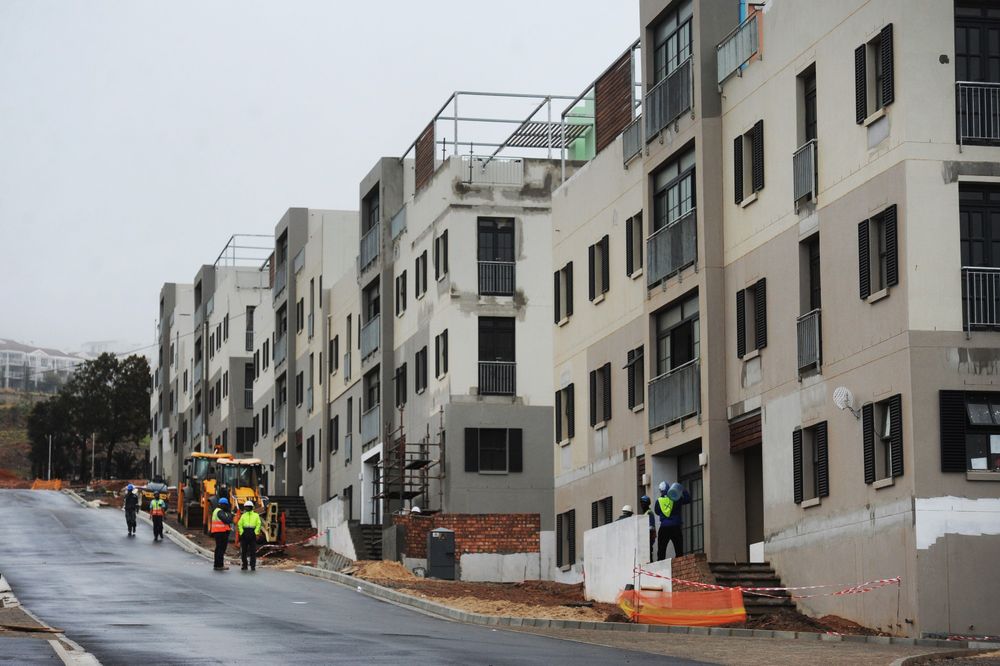
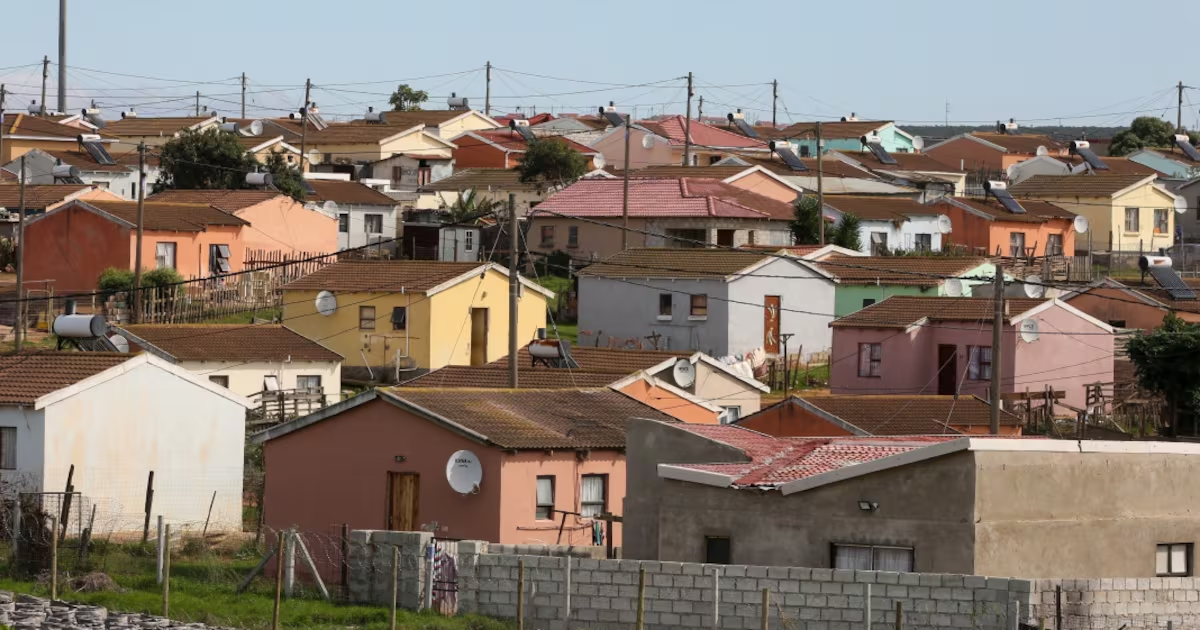
About 80% of the reforms outlined in the second phase of Operation Vulindlela to address South Africa’s spatial inequality are either delayed or off track, underscoring the Herculean task of addressing the lingering legacy of apartheid.Following the success of the first phase of Operation Vulindlela, the joint initiative of the presidency and National Treasury to accelerate structural reforms, the second phase targeted persistent spatial inequality by shifting housing subsidies toward demand-driven models.Among the central reforms are accelerating the release of well-located public land for affordable housing and clearing title deed backlogs to secure property ownership. However, the progress report on the reforms covering the period from April shows this is one area where Operation Vulindlela is struggling to make headway, though it has made significant progress in areas such as visa reform.Releasing public land and buildings for affordable housing and other development, clearing the backlog of title deeds and making the titling system more accessible and affordable, as well as reviewing land use, building and other regulations to enable low-cost property developments, are all marked as falling into the “delayed or off track” category.“While work has been undertaken to develop a new approach to housing policy, progress in implementing new demand-side and capital subsidies for affordable housing, as well as clearing the backlog of title deeds, has been slower than expected due to overlapping responsibilities across national, provincial and local government, as well as the need to build capacity within government to implement the proposed reforms,” the progress report notes.“Instruments to support investment in affordable housing will be finalised in the next quarter and introduced at a pilot scale in the next financial year, to be scaled up over the medium term.”When President Cyril Ramaphosa launched the second phase of Operation Vulindlela last year, he noted that the poorest South Africans spend as much as 40% of their income on transport to get to work, more than almost any other country globally. To address this, the president said the success of Operation Vulindlela should be measured in its ability to address the apartheid legacy of spatial inequality, which has forced millions of South Africans to live far from economic opportunity.The progress report lays out the plan to achieve this, despite a slow start. It says the department of human settlements will launch two new housing subsidies at a pilot scale in the next financial year — a demand-side subsidy and a capital subsidy for affordable housing — with participating provinces and metropolitan municipalities.“The analysis of deeds data to determine the scale of the title deeds data backlog and required actions to address the backlog is under way. “This includes the mapping and digitisation of the titling process and measures to address the legislative challenges to township establishment and proclamation as well as beneficiary administration, which have held up the issuance of title deeds for subsidised housing,” the progress report reads. “These measures will be introduced in the City of Ekurhuleni and the City of Johannesburg to support access to title deeds.”A model approach to the release of public land is being developed that will be implemented with two to three priority properties, held by different entities, over the coming year to unlock investment in affordable housing at scale. The report outlines the next steps and deadlines to make headway in meeting the objectives of addressing spatial inequality:Complete the design of two pilots for the affordable rental housing model to test the effectiveness of demand-side and capital subsidies (December 2026).Complete analysis of deeds data and address key constraints to inform the prioritisation and sequencing of interventions to clear the backlog (October 2026).Implement township establishment and beneficiary verification pilots in the cities of Ekurhuleni and Johannesburg (October 2026).Develop an asset registry and dashboard to identify priority land and properties for release to the market (October 2026).Last month the Constitutional Court handed down a landmark unanimous ruling that the Western Cape government and the City of Cape Town had failed in their constitutional duty to address apartheid spatial planning by providing well-located affordable housing as South Africa continues to grapple with redress. In March the IMF weighed in on South Africa’s spatial planning landscape, noting in a paper that South Africa exhibits one of the highest levels of income inequality globally, reflected in persistent spatial exclusion.Read: ConCourt deals apartheid’s spatial planning a fatal blow over Sea Point landThe paper said reducing commuting costs could meaningfully lower unemployment and inequality, as transportation and housing policies were effective tools to promote spatial integration and reduce income inequality.The Operation Vulindlela progress report also highlights progress being made in getting the Passenger Rail Agency of South Africa (Prasa) to improve its performance as the country’s pre-eminent passenger rail service.“Prasa estimates that passengers save on average R29.14 per trip compared to alternative transport, increasing disposable income and easing household expenses,” the report reads. “Prasa has made significant progress in restoring passenger rail services, having recovered 35 of its 40 priority rail corridors. “This marks a substantial improvement from 2021/22, when only a quarter of the lines were operational following extensive infrastructure damage caused by the Covid-19 pandemic and widespread vandalism. As a result, passenger journeys increased almost fivefold, from approximately 17-million in 2021/22 to 101-million in 2025/26. Over the same period, on-time train performance improved markedly, rising from 50% to 91%.”The standout outperformer in the progress report is in the area of visa reform, championed by the department of home affairs. Half of the reforms in this area have been met, while the other half are on track to meet their objectives.Some of the achievements in this area include the introduction of the Trusted Tour Operator Scheme, the Trusted Employer Scheme, Electronic Travel Authorisation and the Meetings, Exhibitions, Events and Tourism Scheme.Since the introduction of the Trusted Tour Operator Scheme, 114 tour operators have been approved, “enabling visa applications to be finalised within five days. The scheme has supported the issuance of visas for more than 77,000 tourists from China and India to date, helping to boost tourist arrivals and support growth in South Africa’s tourism sector.”The department of home affairs has now set a target of clearing the waivers and appeals backlog by March next year and extending Electronic Travel Authorisations, which enable the processing of travellers at airports in under 60 seconds through dedicated lanes, to all countries by next month.Business Day