Sustained structural reforms are improving South Africa's competitiveness and laying the foundations for higher levels of private investment and more inclusive economic growth.
Operation Vulindlela is making tangible progress in tackling South Africa's long-standing structural bottlenecks, but economists say translating those reforms into stronger economic growth and higher investment will take time.
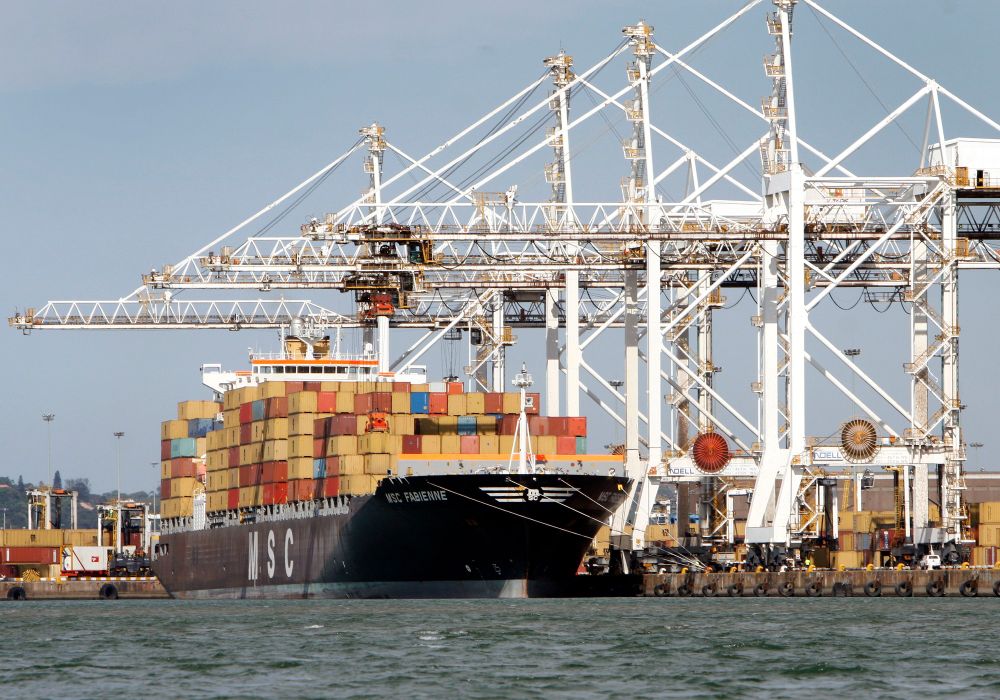
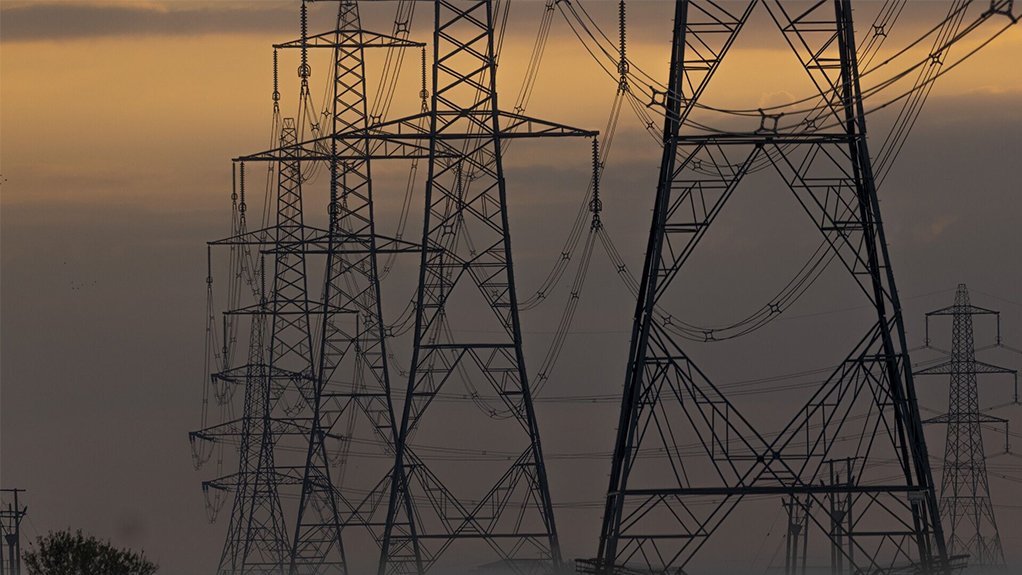
The Presidency and National Treasury's latest quarterly progress report for the first three months of the year shows continued momentum across electricity, freight logistics, water, visa reform and local government as government pushes ahead with Phase II of Operation Vulindlela, its flagship structural reform programme.
The report says the reforms are aimed at reducing constraints to growth, improving service delivery and creating a more attractive environment for private investment.
“This quarter saw continued progress in advancing reforms to improve the performance of network industries, address challenges in local government, and create an enabling environment for investment,” the report stated.