Story audio is generated using AI
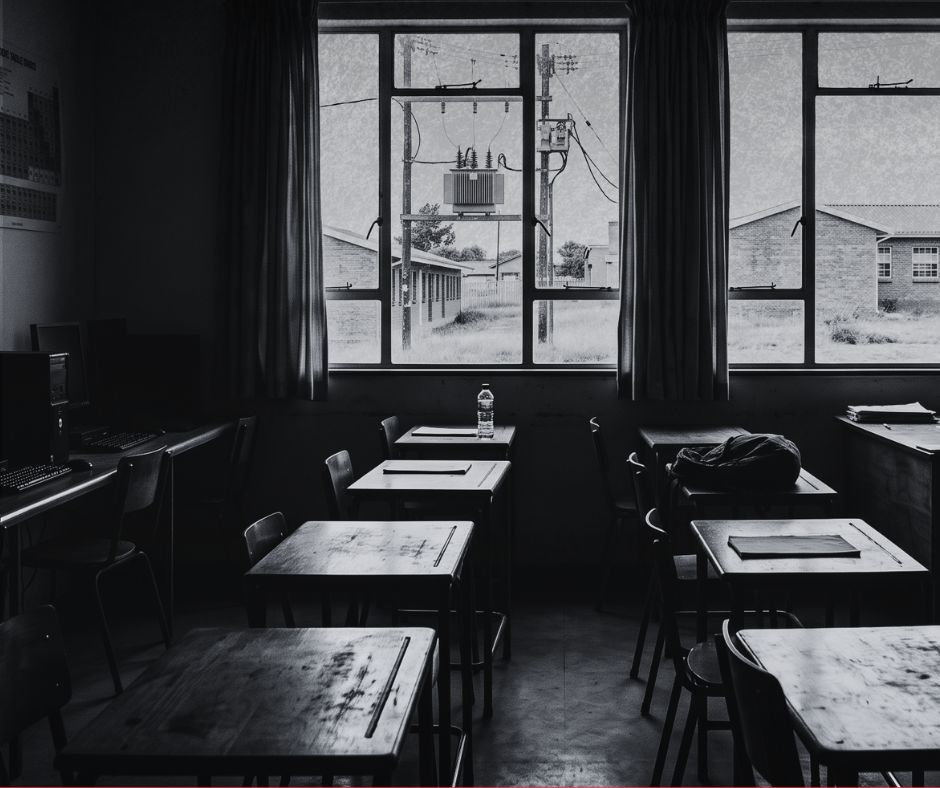
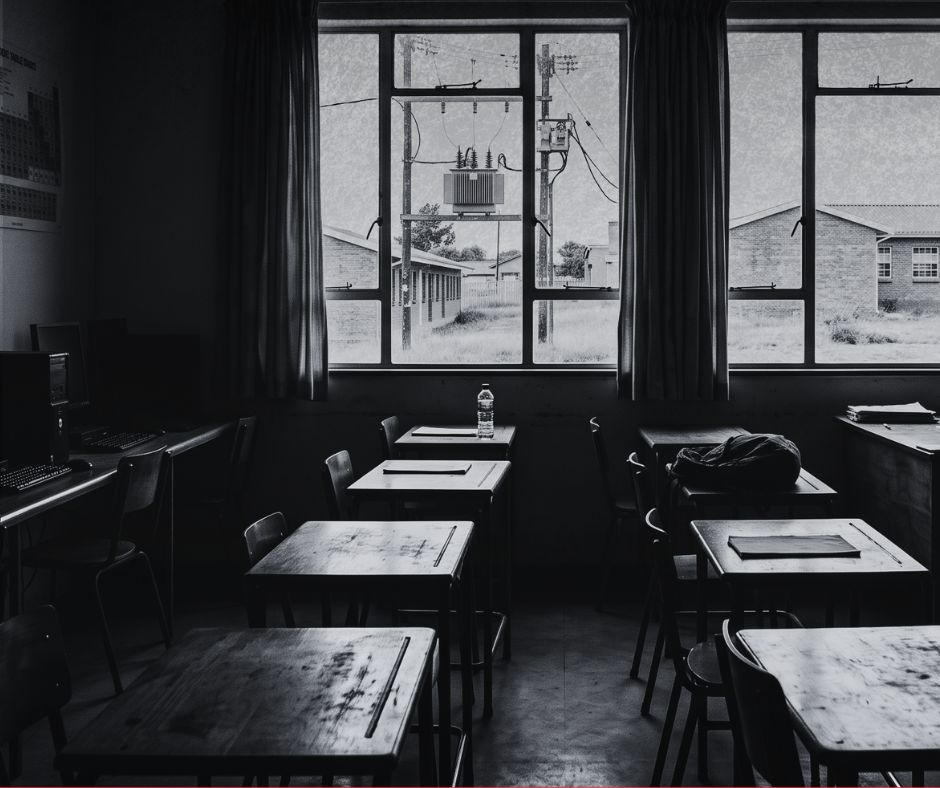
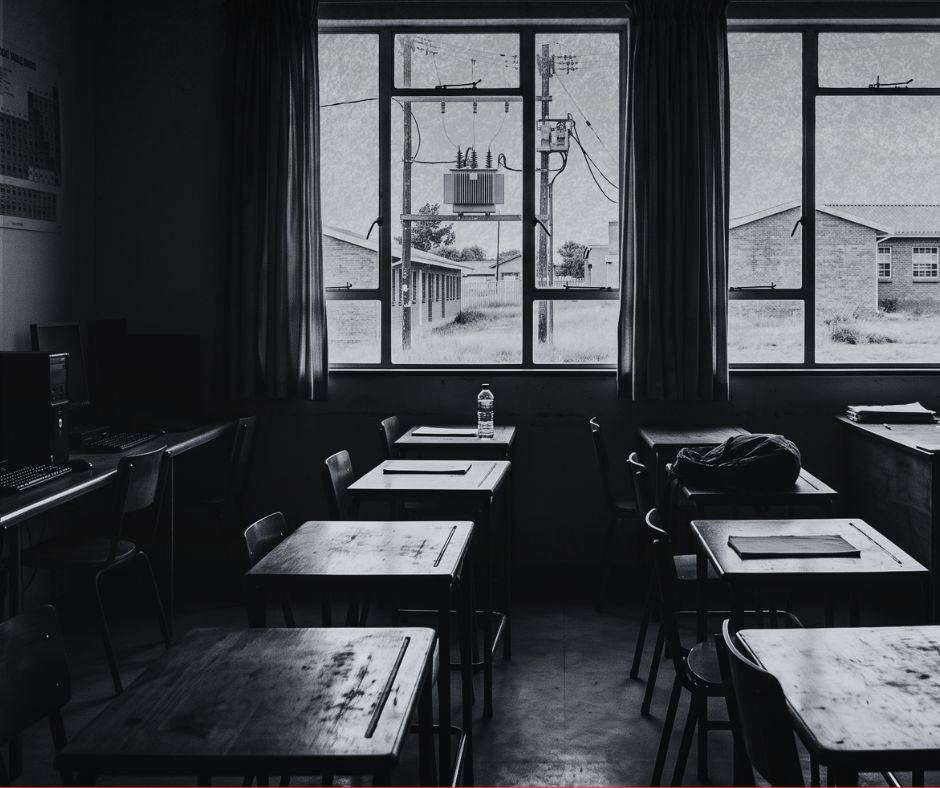
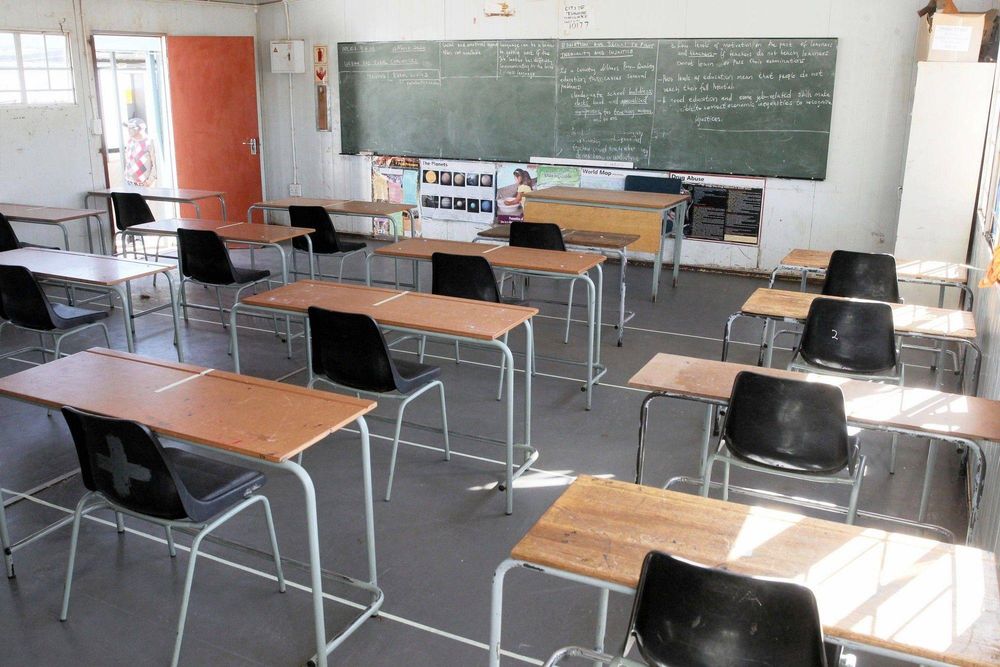
Gauteng pupils have lost 8,925 school days in 2026 due to electricity disconnections at public schools across the province, according to the Gauteng department of education (GDE).The figure is included in a written reply by Gauteng education MEC Lebogang Maile to questions tabled by DA member of the provincial legislature Michael Waters. Waters said the party will submit this as new evidence to the public protector against the GDE, in its complaint against the department over electricity disconnections at public schools. The party believes this strengthens the case that the department failed to exercise effective oversight to prevent schools from reaching the point at which essential services were disconnected.Waters said this exposes that the department initially misled the public by denying that electricity cuts were taking place and affecting learning in the province.“This also highlights the devastating consequences of the department’s failure to oversee school finances. It confirms that electricity disconnections are not isolated incidents but a province-wide crisis affecting schools across multiple education districts,” he said.According to Waters, each of the 8,925 school days lost due to electricity cuts represents a day when pupils were denied access to quality education because lessons were disrupted, smartboards and computers could not be used, photocopiers and internet connectivity were affected, security systems were compromised and, in many cases, pupils were forced to learn in unsafe and unsuitable conditions.“Even more concerning is that, while the department acknowledges widespread municipal debt and claims to provide oversight and intervention, it has now admitted in a separate reply that it does not maintain a central register of schools’ outstanding debts to service providers, including amounts owed, the duration of those debts, or their causes.”In the written reply, the department said that individual public schools are responsible for managing their own payments to service providers.It said it does not keep a central record of outstanding debts owed by schools, nor does it routinely track the age or disputes related to these debts. Such information is maintained by each school and its governing body.The department further indicated that it offers support to schools experiencing financial difficulties by advising on budgeting and invoice validation, engaging service providers on repayment and improving financial controls. However, the department clarified that it does not assume responsibility for contractual debts incurred by schools.The department also confirmed that it could not provide a verified total amount owed by all schools, nor a breakdown by expenditure category, due to the decentralised nature of debt management.“How can the department intervene before schools lose essential services if it doesn’t know which are financially distressed? Surely, it cannot claim effective oversight while admitting it lacks the information needed to identify schools at risk of financial collapse.”“The GDE must get its house in order, stop denying the failures in its oversight of school finances and urgently implement lasting solutions. Learners should not have to suffer the consequences of the department’s never-ending failures and poor oversight,” said Waters.TimesLIVE