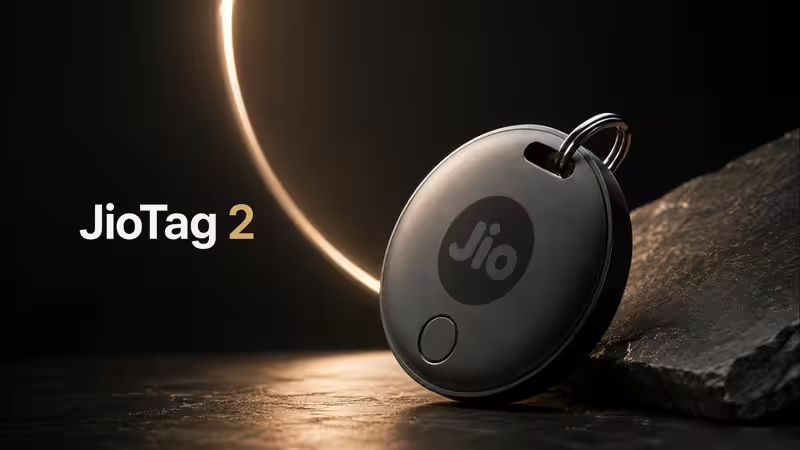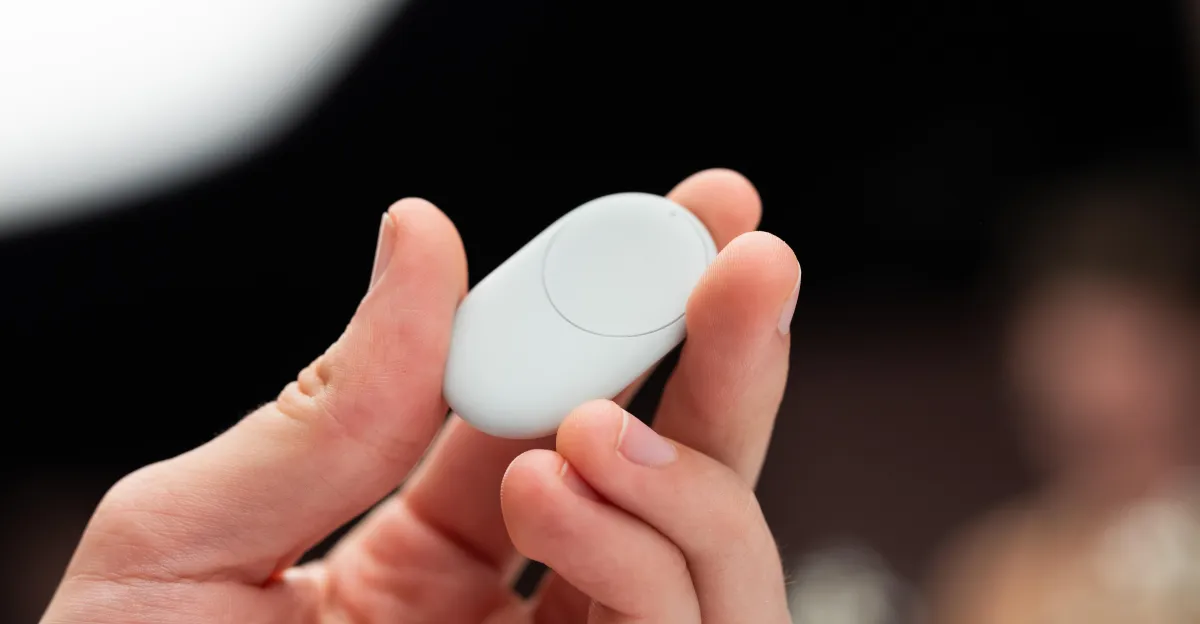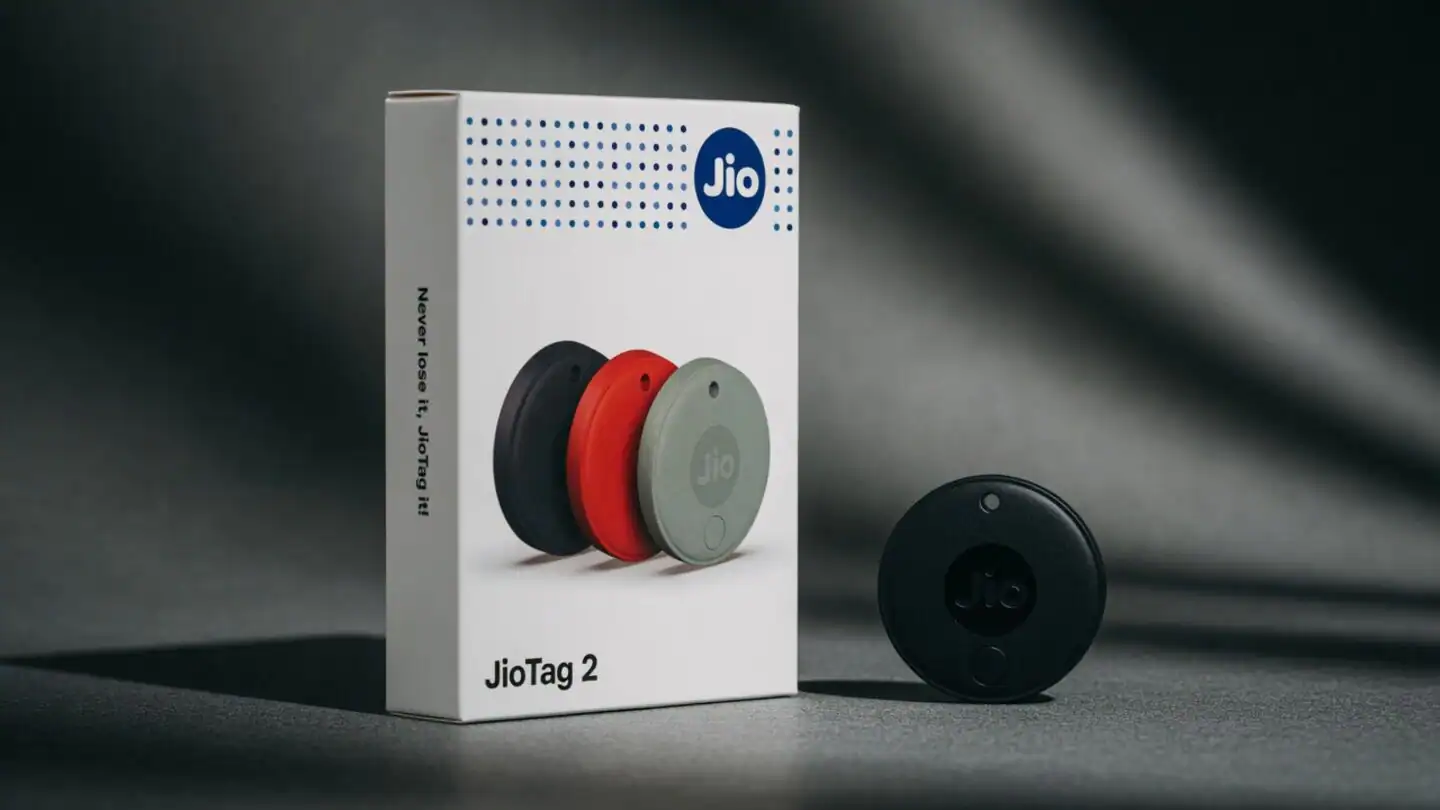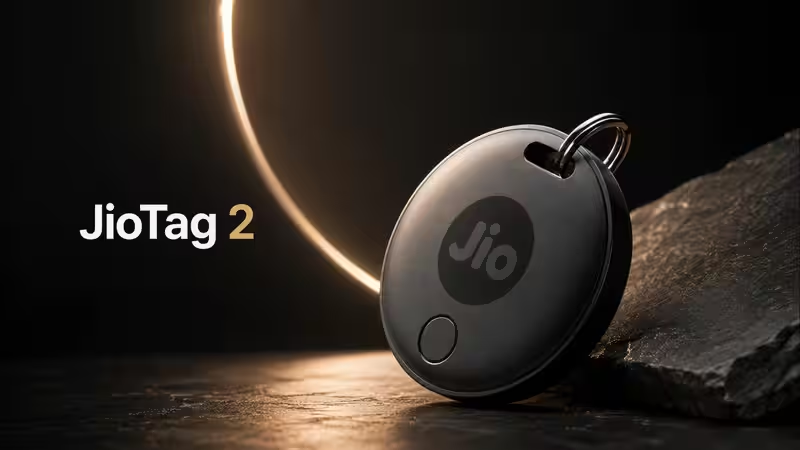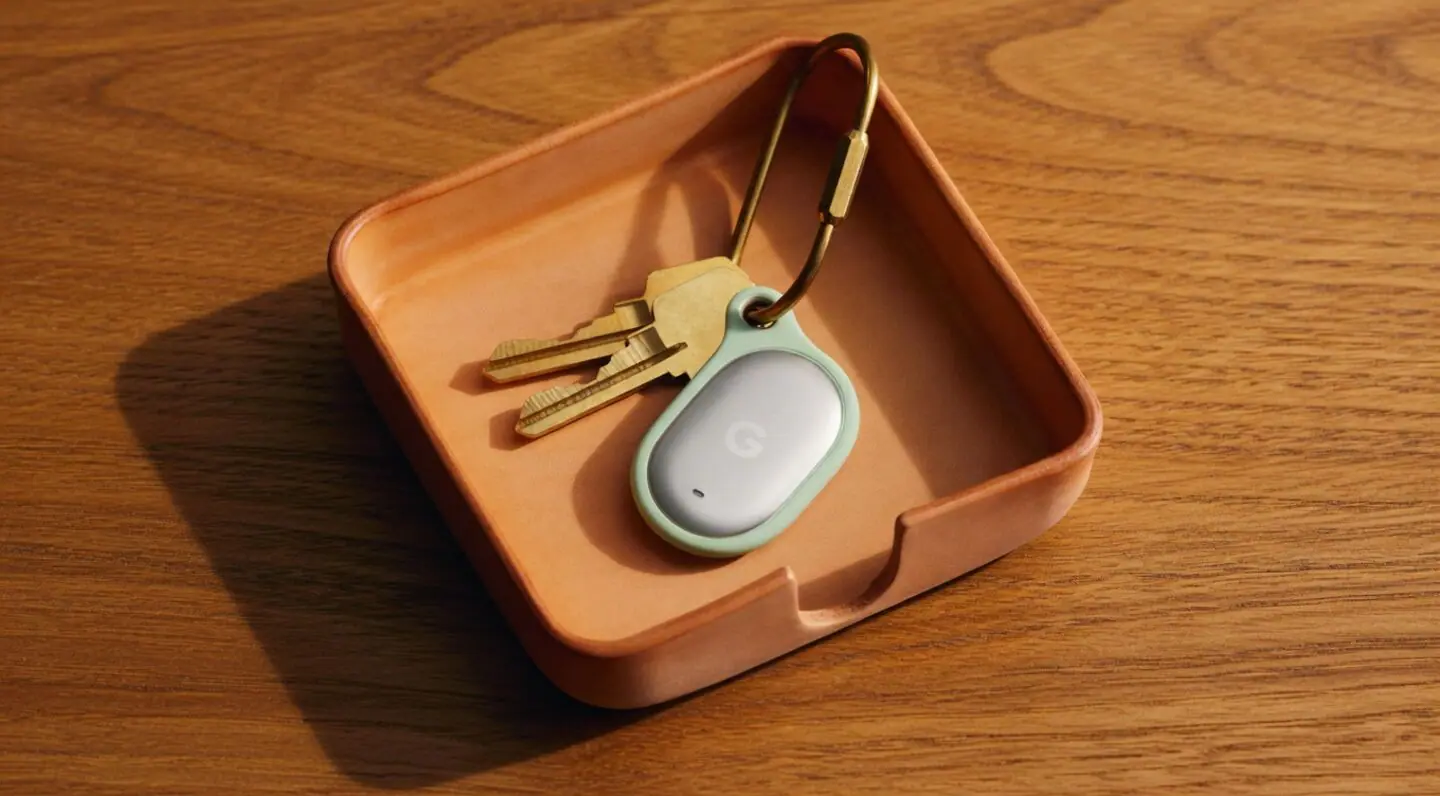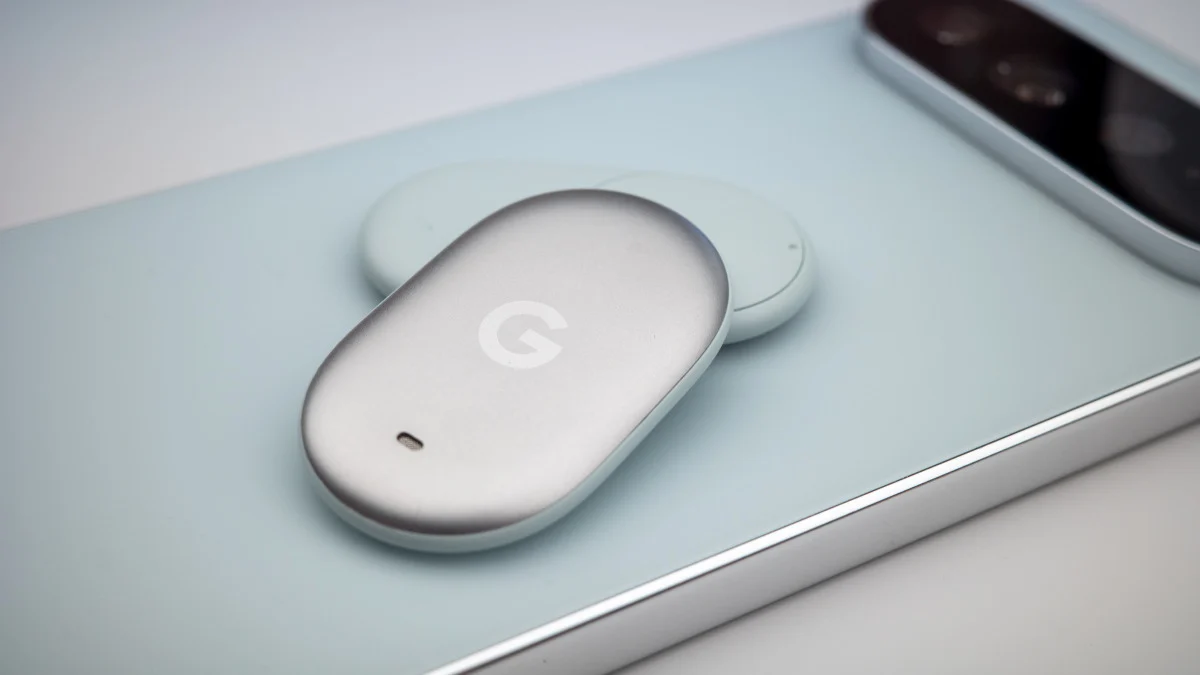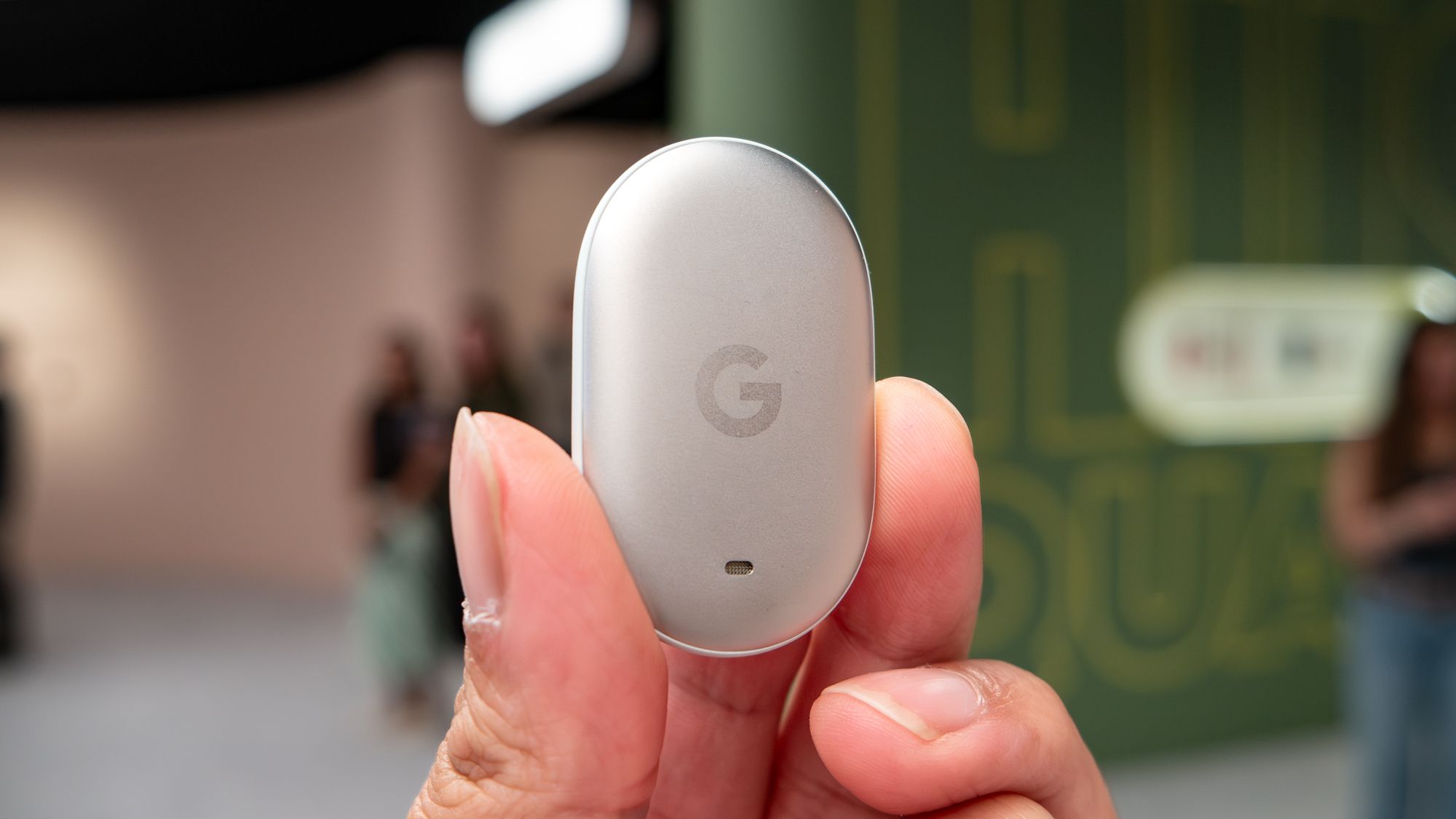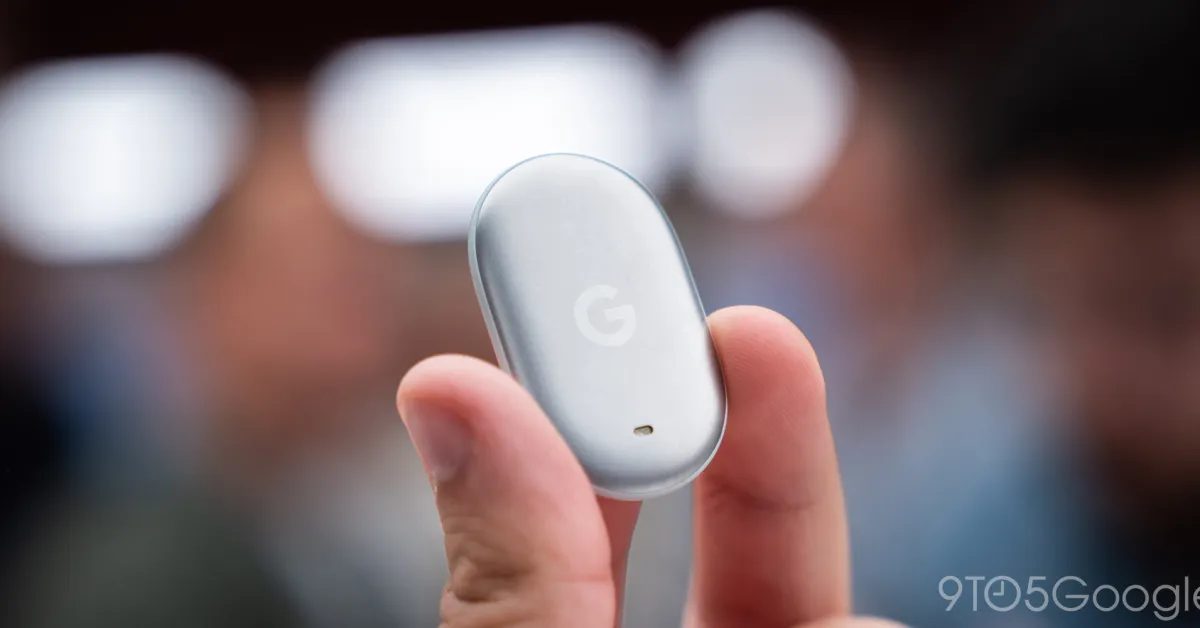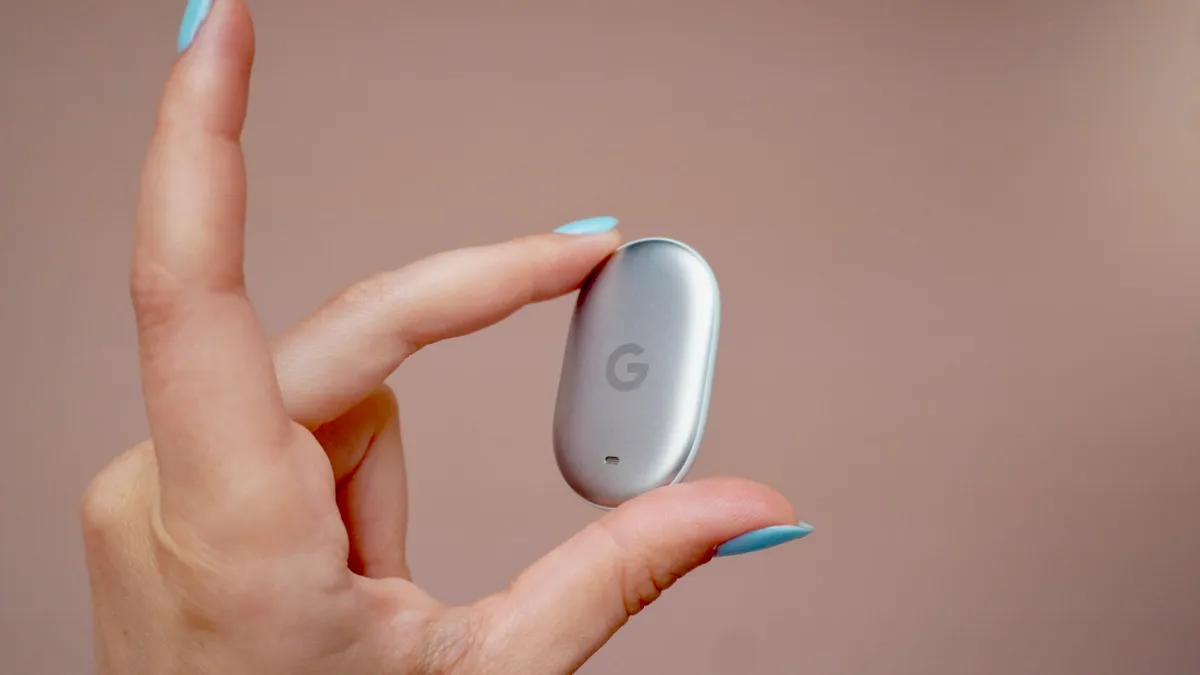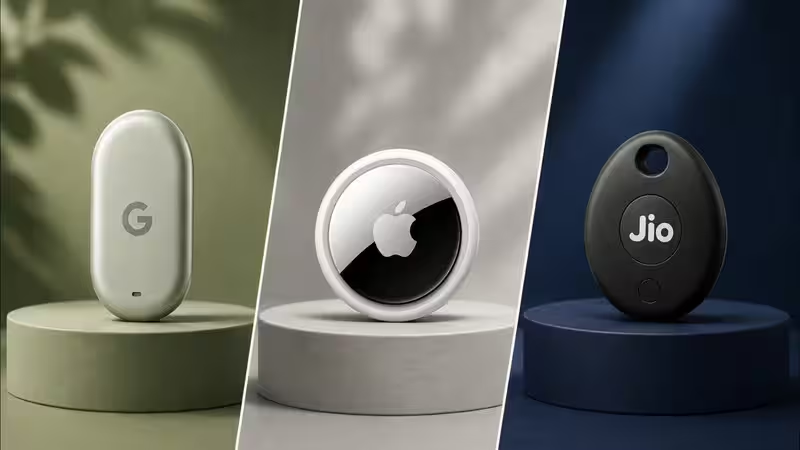
Google just walked into a fight that Apple and Jio have been having for years. With the Pixel Tag launching alongside the Pixel 11 series, India now has three serious Bluetooth trackers competing against each other. Two of them are ecosystem-locked. One of them plays both sides. All three do fundamentally the same job but in different ways, and the differences matter more than the marketing suggests.Until now, buying a tracker in India was a fairly simple decision. iPhone owners bought an AirTag; everyone else either did without or picked up a JioTag out of convenience and price. The Pixel Tag changes that equation, not because it reinvents what a Bluetooth tracker does, but because it's the first serious attempt at bringing Android's own version of Apple's playbook to market, complete with the ultra-wideband precision that used to be an iPhone-only party trick.About The AuthorAshna is a content writer who focuses on making everyday choices easier and smarter. With a strong eye for detail and a natural sense of what works in real life, she creates content that feels honest, relatable, and genuinely helpful. She is a geek for writing stories around fashion, beauty, and influential products, while bringing the same depth and detail in reviewing tech products and gadgets of day-to-day use.
Google Pixel Tag vs Apple AirTag 2 vs JioTag 2: Which Bluetooth Tracker is Best for You?
Google's Pixel Tag has entered the Indian market, taking on Apple's AirTag and JioTag. The Pixel Tag specializes in precise tracking for Android devices, while AirTag is tailored for iPhone users. In contrast, JioTag offers cross-platform functionality at a more affordable price. Each device uses different tech to help locate lost objects, so users should select based on their OS and individual tracking preferences.
1,895 words~9 min read