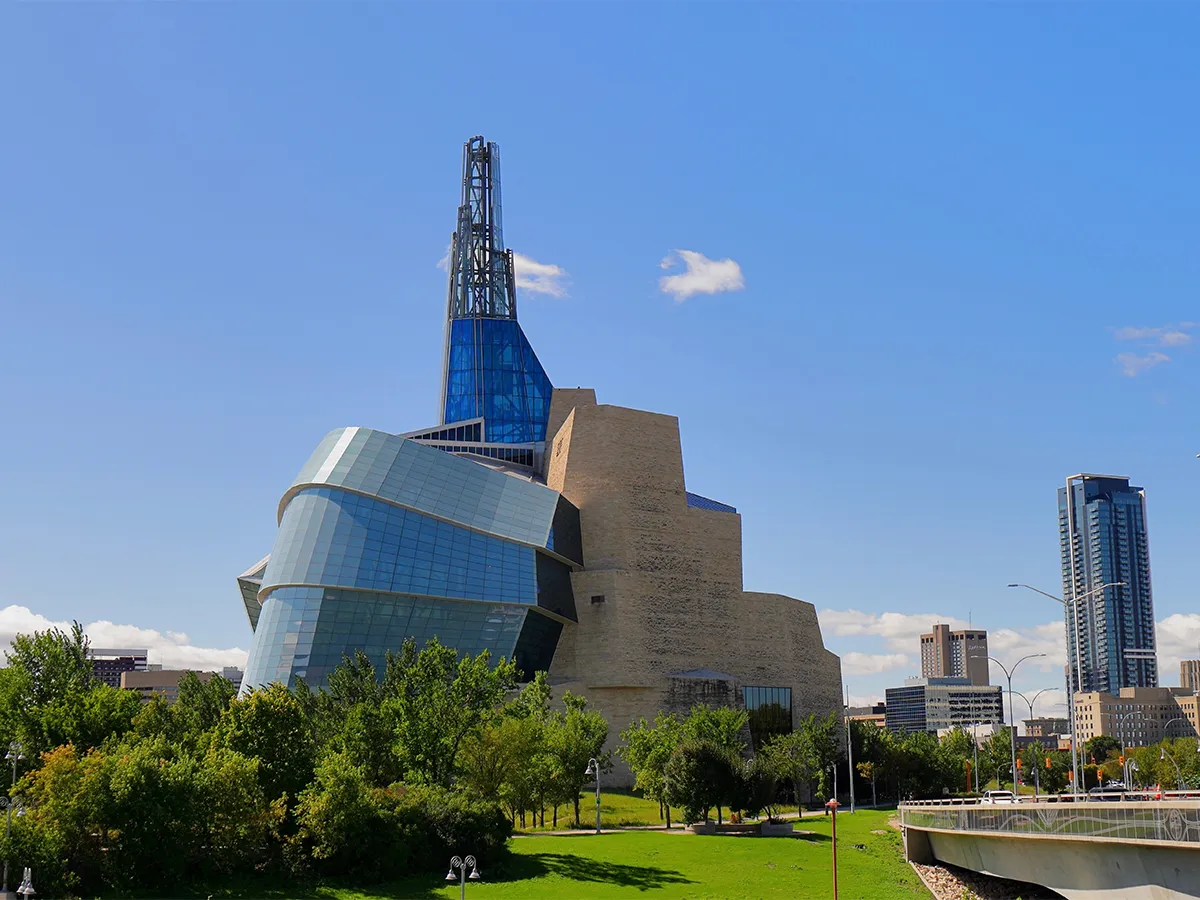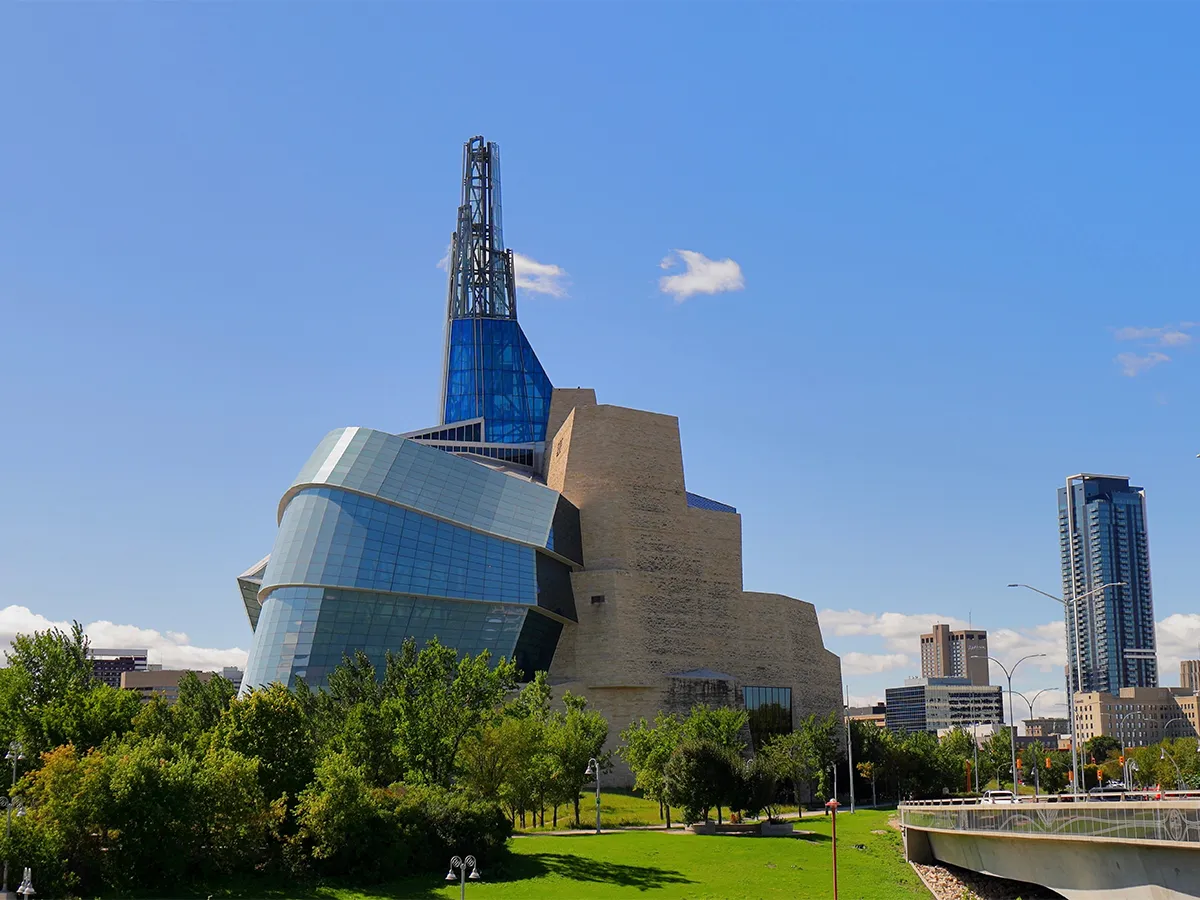
Skip to Content Subscribe Our Offers My Account Manage My Subscriptions FAQ Newsletters Canada Canadian True Crime Canadian Politics Health World Israel & Middle East Financial Post NP Comment Longreads Puzzmo Diversions Comics NP News Quiz New York Times Crossword Horoscopes Life Eating & Drinking Style Sponsored Play for Ontario Travel Travel Canada Travel USA Travel International Cruises Travel Essentials Culture Books Celebrity Movies Music Theatre Television Business Essentials Advice Lives Told Tails Told Shopping Buy Canadian Home Living Outdoor Living Kitchen & Dining Tech Style & Beauty Personal Care Entertainment & Hobbies Gift Guide Travel Guide Amazon Prime Day Deals Savings National Post Store More Sports Hockey Baseball Basketball Football Soccer Golf Tennis Driving Vehicle Research Reviews News Gear Guide Obituaries Place an Obituary Place an In Memoriam Classifieds Place an Ad Celebrations Working Business Ads Archives Healthing Epaper Manage Print Subscription Profile Settings My Subscriptions Saved Articles My Offers Newsletters Customer Service FAQ Newsletters Canada World Financial Post NP Comment Longreads Puzzmo Diversions Life Shopping Epaper Manage Print Subscription HomeNewsCanadaHuman rights museum's Palestinian displacement exhibit 'falls short of the facts,' report claimsThe ‘Nakba’ exhibit at the Winnipeg Canadian Museum for Human Rights doesn't properly describe the complex issues that led to the Palestinian refugee crisis, authors argueLast updated 19 minutes ago You can save this article by registering for free here. Or sign-in if you have an account.The Canadian Museum of Human Rights in Winnipeg. Photo by David Lipnowski/PostmediaA new study claims that the Nakba exhibit at the Canadian Human Rights Museum “falls short of the facts,” arguing that the displacement of Palestinian people was the result of a complex conflict that forced hundreds of thousands of Jews and Arabs alike from their homes.Enjoy the latest local, national and international news.Exclusive articles by Conrad Black, Barbara Kay and others. Plus, special edition NP Platformed and First Reading newsletters and virtual events.Unlimited online access to National Post.National Post ePaper, an electronic replica of the print edition to view on any device, share and comment on.Daily puzzles including the New York Times Crossword.Support local journalism.Enjoy the latest local, national and international news.Exclusive articles by Conrad Black, Barbara Kay and others. Plus, special edition NP Platformed and First Reading newsletters and virtual events.Unlimited online access to National Post.National Post ePaper, an electronic replica of the print edition to view on any device, share and comment on.Daily puzzles including the New York Times Crossword.Support local journalism.Create an account or sign in to continue with your reading experience.Access articles from across Canada with one account.Share your thoughts and join the conversation in the comments.Enjoy additional articles per month.Get email updates from your favourite authors.Create an account or sign in to continue with your reading experience.Access articles from across Canada with one accountShare your thoughts and join the conversation in the commentsEnjoy additional articles per monthGet email updates from your favourite authorsSign In or Create an AccountorIn a report co-written by David Bercuson and Logan Jaspers for the Calgary-based Aristotle Foundation for Public Policy, the authors lay out a detailed history of the causes and effects of the 1948 Israeli-Arab war, which triggered a massive refugee crisis whose effects continue to define the region.The study comes after the Winnipeg-based museum, which is majority funded by the federal government, has come under scrutiny in recent weeks for its exhibit about the displacement of Palestinian people. The “Nakba” — Arabic for “catastrophe” — describes the displacement of some 750,000 Palestinian people following the 1948 Israeli-Arab war.Get a dash of perspective along with the trending news of the day in a very readable format.By signing up you consent to receive the above newsletter from Postmedia Network Inc.A welcome email is on its way. If you don't see it, please check your junk folder.The next issue of NP Posted will soon be in your inbox.We encountered an issue signing you up. Please try againCritics have said that the exhibit focuses too centrally on the plight of Palestinian refugees, while glossing over or failing to describe the similar experiences of Jewish peoples, who were also displaced during the conflict.“The popular view of the Nakba presented by the Canadian Human Rights Museum falls short of the facts regarding events in Palestine following the U.N. partition vote of 1947,” the authors of the Aristotle study write in their opening remarks.The pair argue that Palestinian displacement was partly the result of “weak leadership and military unpreparedness” of the Arab nations who were at war with the newly founded nation of Israel, among a long list of other factors. The authors also point out that Israeli refugees who fled conflict in the 1940s were welcomed in Israel and eventually assimilated, while Arab refugees were treated as “symbols of the heartlessness and murderous intent of the Jews.”That in turn created a lasting divergence between the experience of the two groups, the authors argue. In the years following the 1948 war, the authors said by way of example, Iraq began placing “restrictions on Jewish life, commerce [and] religious practice,” causing many Jews to seek refuge in Israel.“Jewish presence was virtually extinguished in just a few years,” the report said. “Those who fled to Israel were eventually absorbed, given Israeli citizenship, and began to play important parts in Israeli life. There was neither desire nor expectation that they would return to Iraq, unlike the desires and expectations of the Palestine Arab refugees in 1948.”In the years following the outbreak of war, more than 700,000 Palestinians fled their homes and sought refuge in various Arab nations. Some historians say that many fled in response to violence against Arab civilians, most notably the alleged massacre of Palestinian people in the village of Deir Yassin, when Jewish paramilitary forces were alleged to have killed around 100 villagers (some accounts claimed that Jewish forces had thrown bodies down the village’s wells).The Canadian Museum of Human Rights launched the exhibit, called “Palestine Uprooted: Nakba Past and Present,” in June. Assembled around a short, 12-metre stretch of the sprawling seven-level museum, the exhibit uses photos, video testimonies, artworks and family heirlooms to describe the plight of Palestinian refugees, both in the 1940s and carrying forward to today. While it is relatively small, the exhibit has caused an uproar from critics — many in the Jewish community — who argue that it omits key facts and context about the displacement.For one, some have pointed out that a nearly equal number of Jews (around 800,000) have also been displaced from ongoing conflict in the region. Others point to the exhibit’s description of the Oct. 7 attacks, saying it fails to describe the victims as mostly Jewish people who Hamas targeted explicitly for their Jewishness (the exhibit describes the victims generally as “people.”)Criticism of the exhibit, as well as public support for it, have been unusually public. Former CMHR board member Mark Berlin stepped down from his role earlier this year, citing what he called the exhibit’s omission of certain facts as the reason for his departure. Gail Asper, one of the chief philanthropists behind the CMHR, has said she is temporarily pulling funding. Minister of Canadian Identity and Culture Minister Marc Miller said it had “errors” that “must be rectified.”Meanwhile, a coalition of 74 civil society groups has called on Miller to retract his statements, saying they amounted to political interference in the museum’s operations.In an interview with National Post last month, CMHR chief executive Isha Khan defended the exhibit, saying it is explicitly designed to centralize Palestinian experiences, as similar exhibits in the space had done before.The focus on the Palestinian experience is not intended to come at the expense of Jewish people, she said. She also pointed out that the museum had dedicated a much larger permanent space to remembering the Jewish CAP H:holocaust. The “Nakba” exhibit is now scheduled to run until Nov. 30, 2028.The Aristotle authors note that the “Nakba” term was first used by Syrian historian Constantine Zurayk in his essay “The Meaning of the Disaster,” first published in 1948.While they say that Zurayk leaned heavily on ANTISEMITIC tropes, he also “argued that the Arabs were disunited [and] militarily weak.” It was partly that weakness, the authors argue, that created a complex set of motivations behind the original refugees to leave their homes — even if many of those issues stemmed from the original conflict.The authors cite Israeli historian Benny Morris’s “The Birth of the Palestinian Refugee Problem, 1947-1949,” which argued that much of the Palestinian displacement was due to local issues as well as the wider war.“What then can we conclude from this brief history?” the authors ask in the conclusion of the report. “First, that the Arab refugees left for several complicated reasons, including weak leadership and military unpreparedness, but the root cause of their flight was the war itself.”National PostOur website is the place for the latest breaking news, exclusive scoops, longreads and provocative commentary. Please bookmark nationalpost.com and sign up for our daily newsletter, Posted, here. Join the Conversation This website uses cookies to personalize your content (including ads), and allows us to analyze our traffic. Read more about cookies here. By continuing to use our site, you agree to our Terms of Use and Privacy Policy.
Human rights museum's Palestinian displacement exhibit 'falls short of the facts,' report claims
The "Nakba" exhibit doesn't properly describe the complex issues that led to the Palestinian refugee crisis, the authors argue.
1,532 words~7 min read