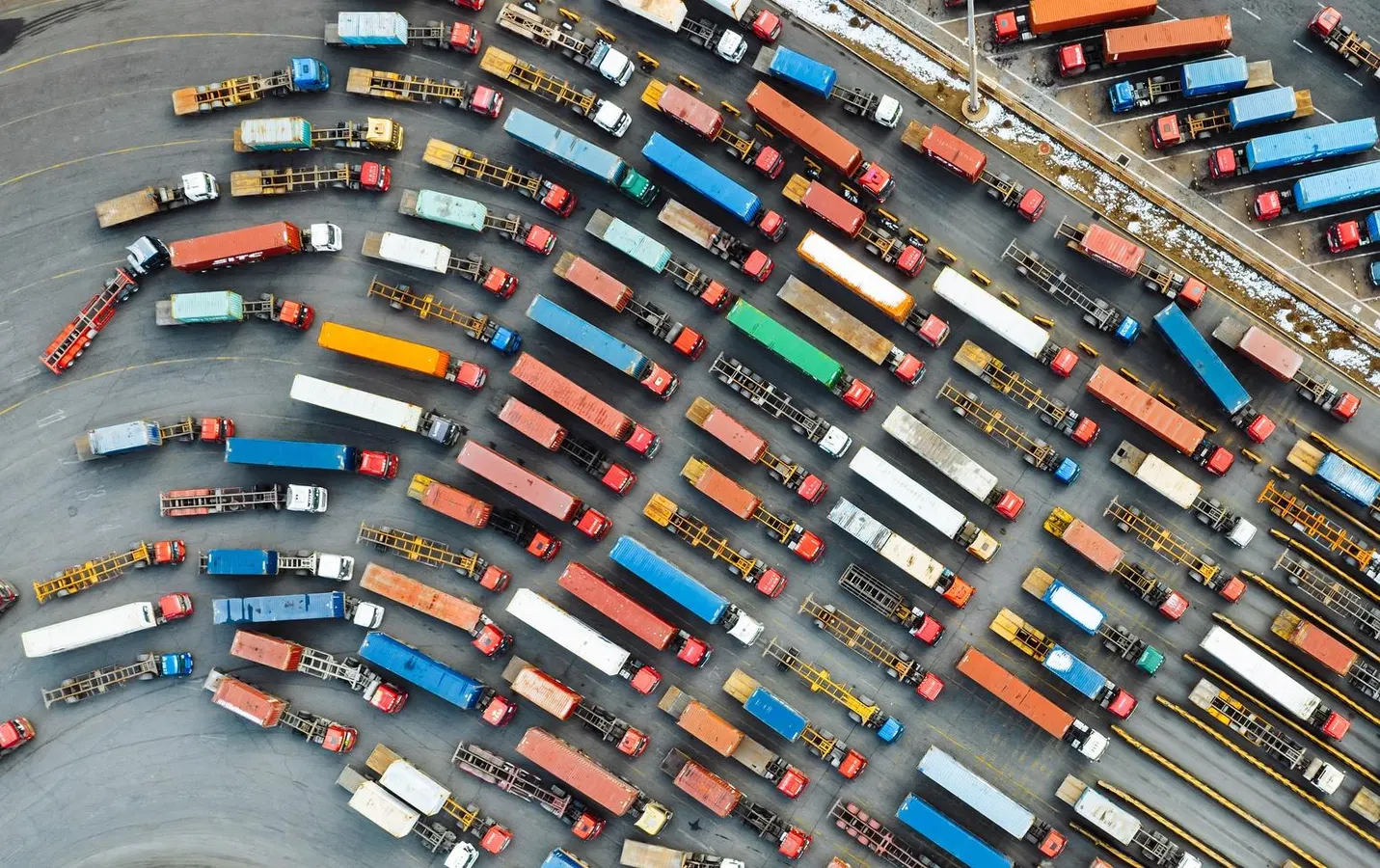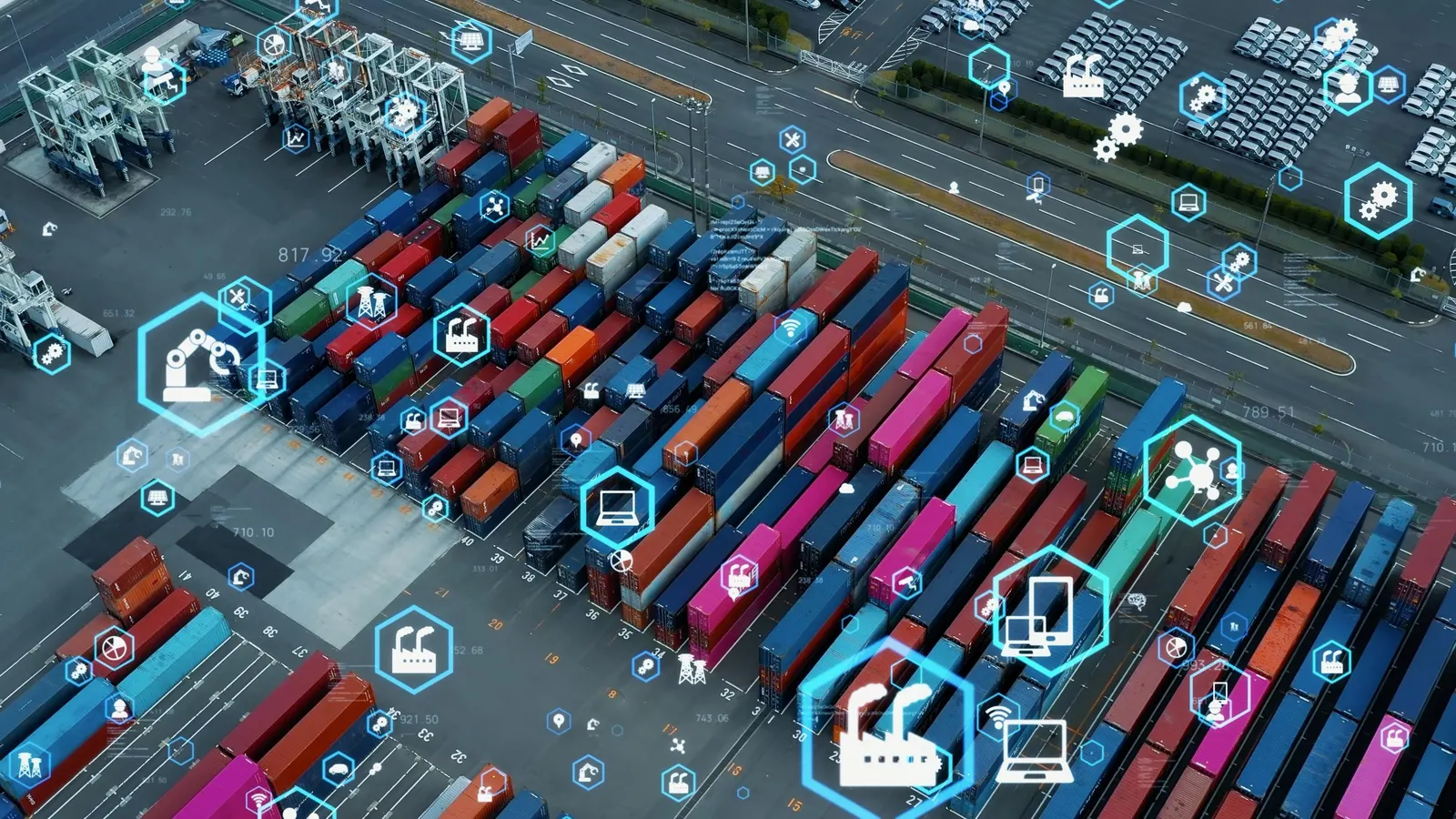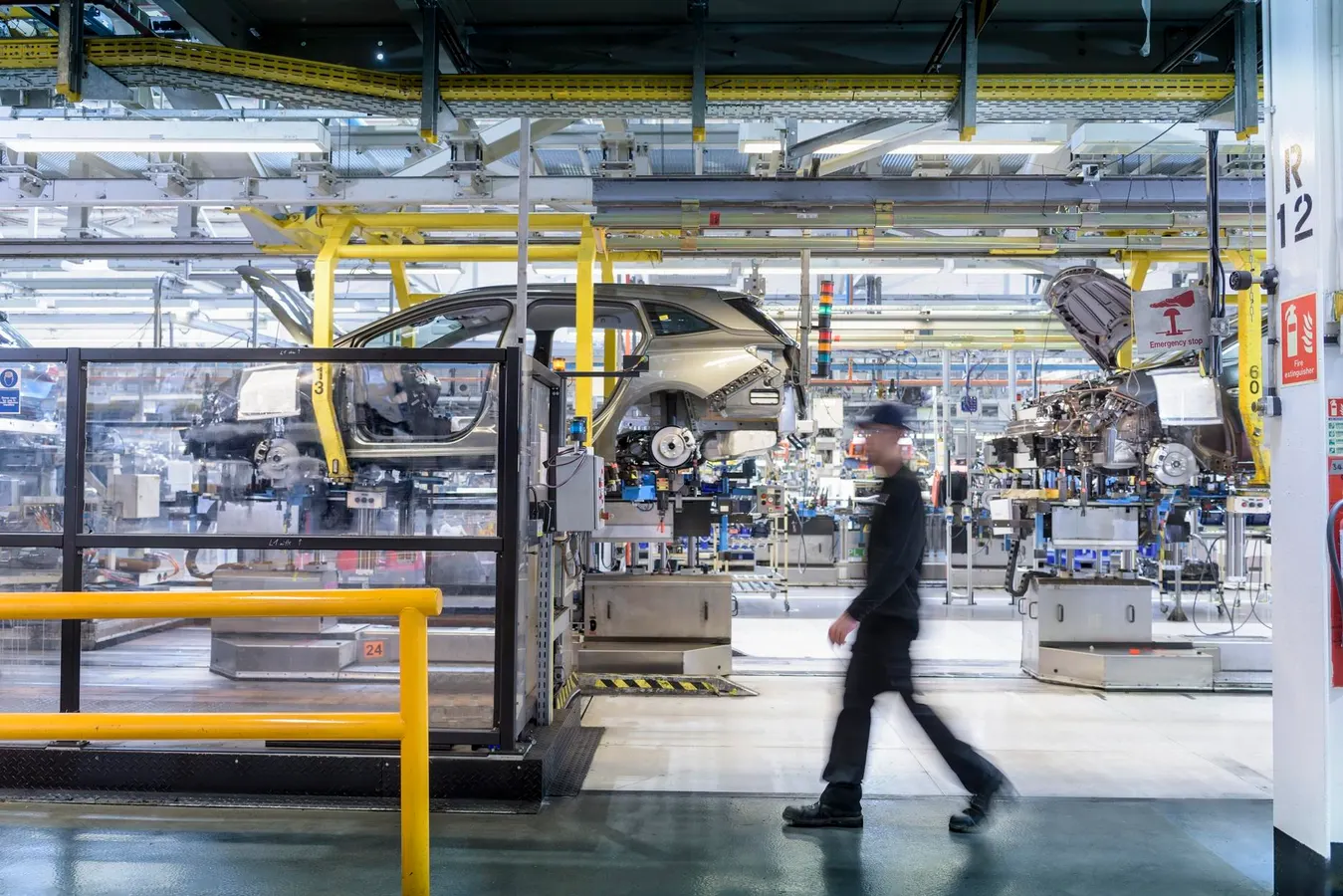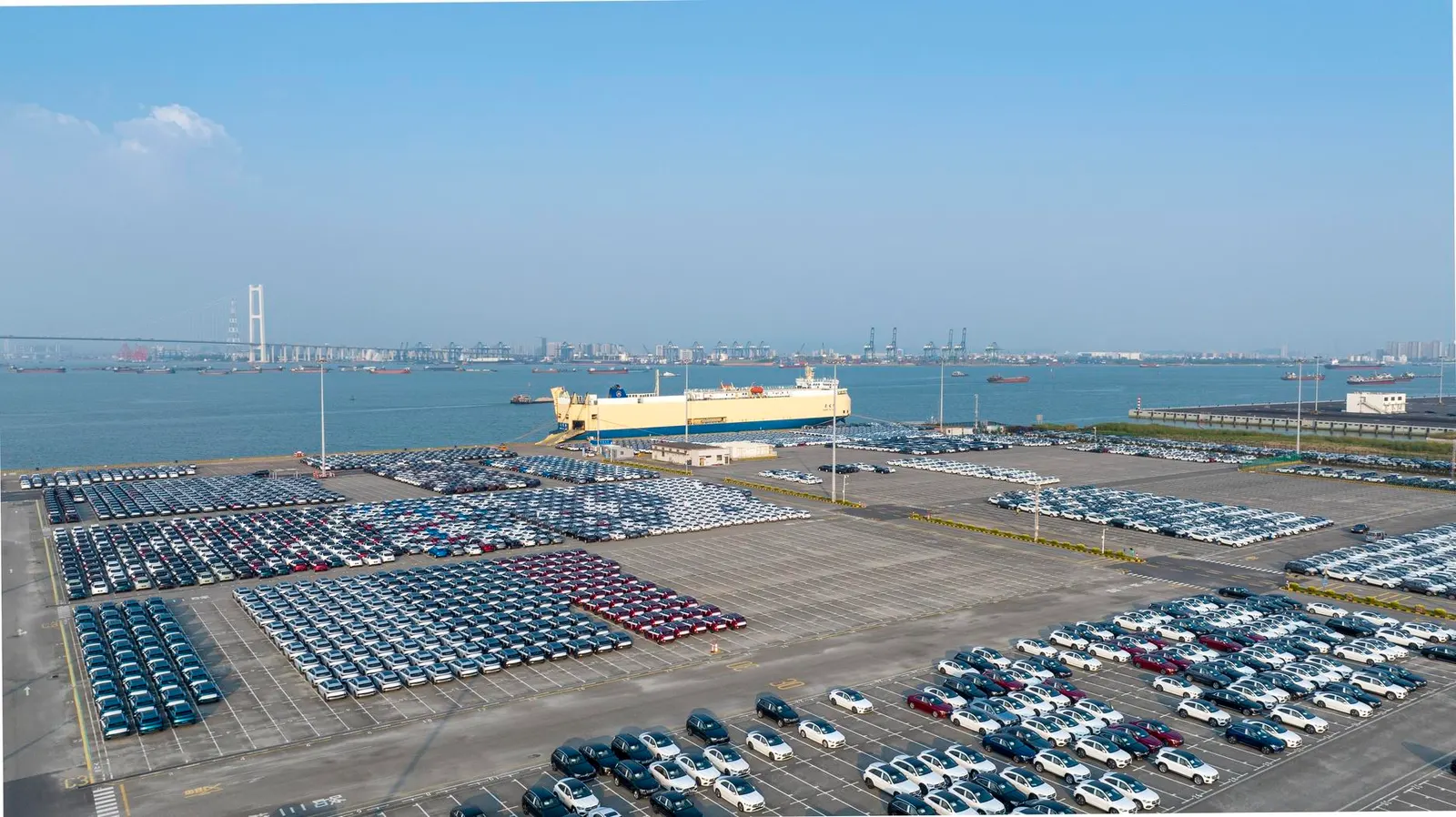
Justin Newell, Chief Executive Officer of the Software Company, INFORM North America.gettyThe finished vehicle logistics (FVL) sector is currently navigating a perfect storm. Automotive supply chains are facing a compounding crisis: severe shortages of skilled labor, aggressive sustainability and carbon-reduction mandates, and an unprecedented surge in operational and supply chain complexity.For decades, the movement of vehicles from manufacturing plants to ports, yards and dealer lots has relied heavily on the "institutional knowledge" of seasoned dispatchers, logistics planners and yard managers. These experts possess invaluable intuition on how to reroute fleets during a disruption or optimize a crowded yard. However, as this veteran workforce reaches retirement age, that institutional knowledge is walking out the door.In order to survive this transition, the automotive logistics industry must evolve. The traditional "plan-and-react" model is no longer sustainable. To build true crisis resilience, executives must shift their strategy from basic automation to next-generation decision intelligence.Moving Beyond 'Digitalization 1.0'A survey our company conducted of 111 professionals and managers spanning automotive manufacturers, logistics service providers, vehicle carriers, terminal operators and port authorities identified that "79% of respondents expect vehicle transport volumes ... to increase over the next five years." Additionally, 95% of respondents expect AI and machine learning to significantly impact efficiency for the industry moving forward.However, organizations often mistake basic digitalization or visibility for optimization. They invest heavily in tracking software, static dashboards and basic automation tools that excel at executing repetitive, linear tasks but do not necessarily translate into increased efficiency or untapped capacity.These investments carry incredibly high stakes, especially since the digital transformation spending market in logistics is expected to reach nearly $76 billion by the end of this year. We had 84% of our survey respondents citing "increasing costs as the dominant challenge, followed by growing efficiency requirements (68%) and fluctuating volumes (52%)."When a port gets delayed, a rail line stalls, a quality action occurs or a sudden labor shortage hits a critical yard, these static systems break down, forcing teams into costly, reactive troubleshooting. This is where the industry should embrace "Digitalization 2.0." Instead of software that merely records data, FVL operations require AI-assisted decision intelligence—advanced systems trained specifically to analyze, contextualize and optimize multistep business operations in real time.By leveraging an AI approach that combines machine learning, fuzzy logic and operations research, decision intelligence acts as a "digital mentor." It codifies the informal logic of your most experienced personnel into a centralized master dataset with clearly mapped process matrices. When a younger, less-experienced workforce enters the yard, the software doesn't just display a list of tasks; it also guides them through complex daily operations with the foresight of a 30-year veteran.The Symphony Of Real-Time OptimizationIn a high-velocity FVL environment, such as a port or rail yard with 100,000 parking locations, a plan is only good until the first delay. Real-time AI-driven software acts as the "eyes and ears" of an operation, constantly interpreting changing states to achieve a critical trifecta: maximizing resource efficiency, driving bottom-line ROI and meeting strict sustainability targets.By synchronizing time-slot management and inbound truck control, dynamic route optimization can "reduce fuel usage by up to 10%." The "why" is clear—with average logistics AI ROI hovering around 190% in 2026, the question for automotive leaders is no longer whether to adopt decision intelligence but how to execute the transition seamlessly.The Human-In-The-Loop Framework And Responsible And Explainable AIDespite the powerful computational capabilities of advanced digital systems, there is a persistent and understandable fear surrounding an AI-driven future: Where does the average worker fit into a world managed by algorithms?The answer is simple: The individual remains the backbone of the operation, acting as a strategic "navigator" rather than a sidekick to automation. The goal of AI-assisted decision intelligence is not to replace human judgment but to elevate and support it. The relationship between human planners and optimization software should be entirely symbiotic—operating via an "observation-thought-action" loop where the machine handles multi-variable mathematical calculations, but the human maintains ultimate control and accountability.This human-machine partnership is a core component of responsible AI. The most resilient vehicle logistics networks are those that leverage a "human-in-the-loop" strategy to support—rather than bypass—the dispatcher.When organizations invest in upskilling and reskilling programs, they successfully bridge the operational gap, transition employees from reactive to proactive mindsets and turn highly stressed dispatchers fighting fires into strategic leaders who drive long-term supply chain success and growth without sacrificing the institutional brand knowledge built over decades.A Roadmap For Automotive LeadersTransitioning to an AI-driven logistics ecosystem requires more than just deploying a new piece of software; it requires a cultural and operational shift. As you audit your current vehicle logistics network, challenge your leadership team with these foundational questions:1. Are we capturing our institutional knowledge and key competitive advantages? If your top yard manager retired tomorrow, does your software possess the logic required to replicate their decision-making?2. Is our software reactive or predictive? Can your current system adapt mid-operation to a rail disruption or quality action campaign, or does it require manual human intervention to rebuild the schedule from scratch?3. Are we empowering our workforce? Are you treating AI as a tool to replace headcount or as an advanced mechanism to upskill your team into high-value strategic roles that increase employee satisfaction?4. Are we layering or replacing? Can this new decision intelligence integrate seamlessly via API over your existing legacy systems, or does it force a disruptive, costly rip-and-replace overhaul?5. Do we have a continuous improvement loop? Are you establishing a process to actively feed real-world outcomes and market edge cases back into the system, ensuring the algorithm evolves and grows smarter alongside your operations?The future of finished vehicle logistics belongs to those who can successfully marry the creative ingenuity and foresight of human judgment with the relentless optimization power of machines. By embedding decision intelligence into the very DNA of your supply chain, your organization can do more than just survive market volatility—it can actively navigate it.Forbes Technology Council is an invitation-only community for world-class CIOs, CTOs and technology executives. Do I qualify?
The Impact Of Decision Intelligence On Finished Vehicle Logistics
To build true crisis resilience, executives must shift their strategy from basic automation to next-generation decision intelligence.
1,001 words~5 min read