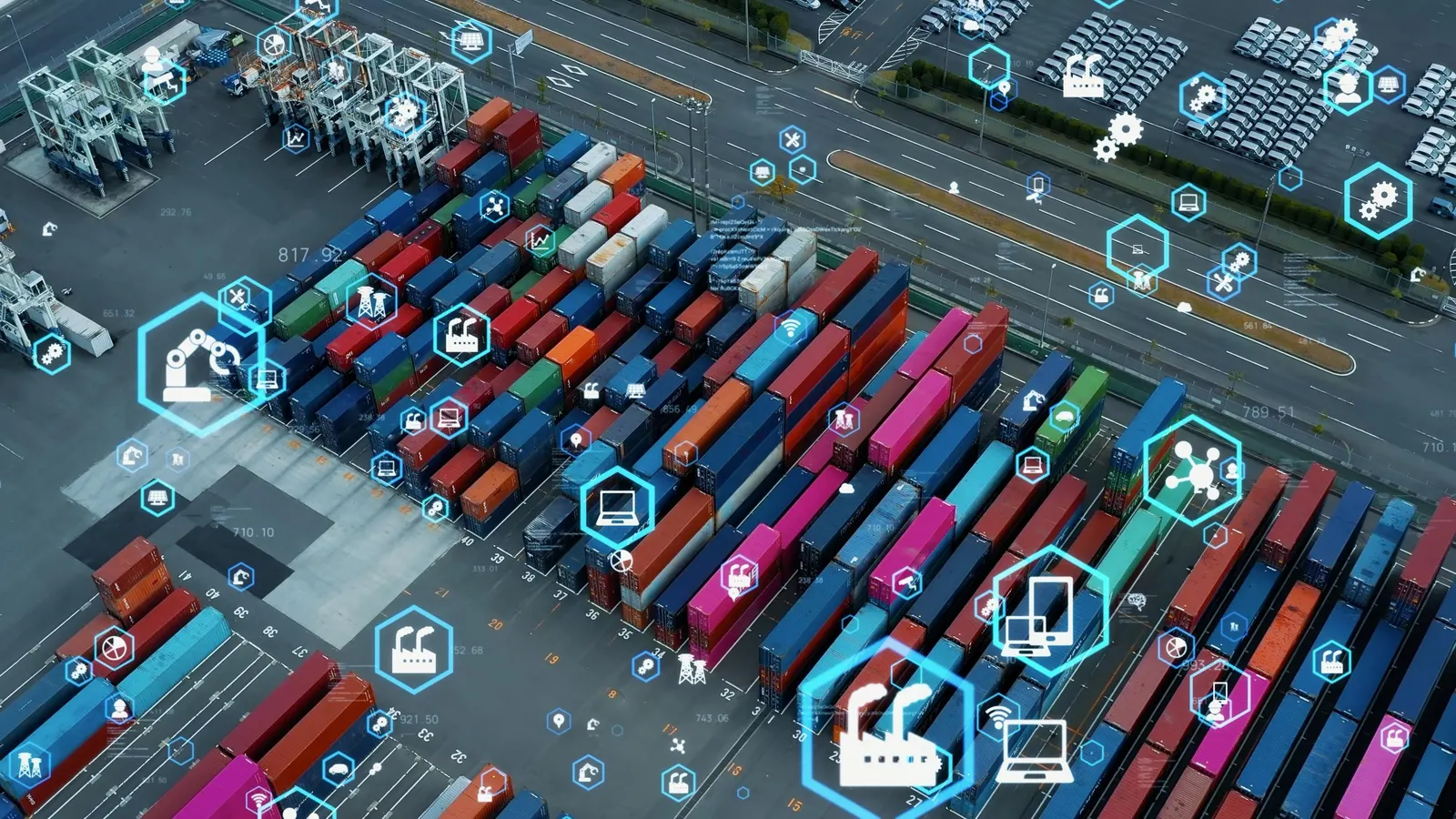
Supply chain leaders are facing a defining moment. The conversation has largely moved from disruption and resilience to operational orchestration that transforms isolated functions into a unified, agile system capable of responding to real-time challenges and delivering measurable business impact. This shift is reflected in new research from IDC based on a global study of 300 C-level executives, published in the whitepaper Orchestrating the End-to-End Supply Chain: Strategic Priority, Practical Reality. End-to-end orchestration is no longer a distant ambition. For many organizations, it is becoming critical.
At the same time, the research also makes clear that ambition and vision are not enough.
The orchestration gap
Nearly half of the executives surveyed by IDC recognize the substantial benefits of end-to-end orchestration—but many have yet to take decisive action. The true challenge lies not in understanding its value, but in bridging the gap between strategic intent and effective execution.
IDC surveyed C-level leaders across industries and regions. The message was consistent. Leaders understand the destination, but they want clearer guidance on the blueprint to execution. As one executive told IDC, the value of supply chain orchestration is evident, but the challenge is defining and executing the path to get there.