In corporate America, AI has moved far past the hype cycle into practical implementation. Autonomous agents are handling complex, real-world tasks on behalf of companies that go beyond simple data insights.
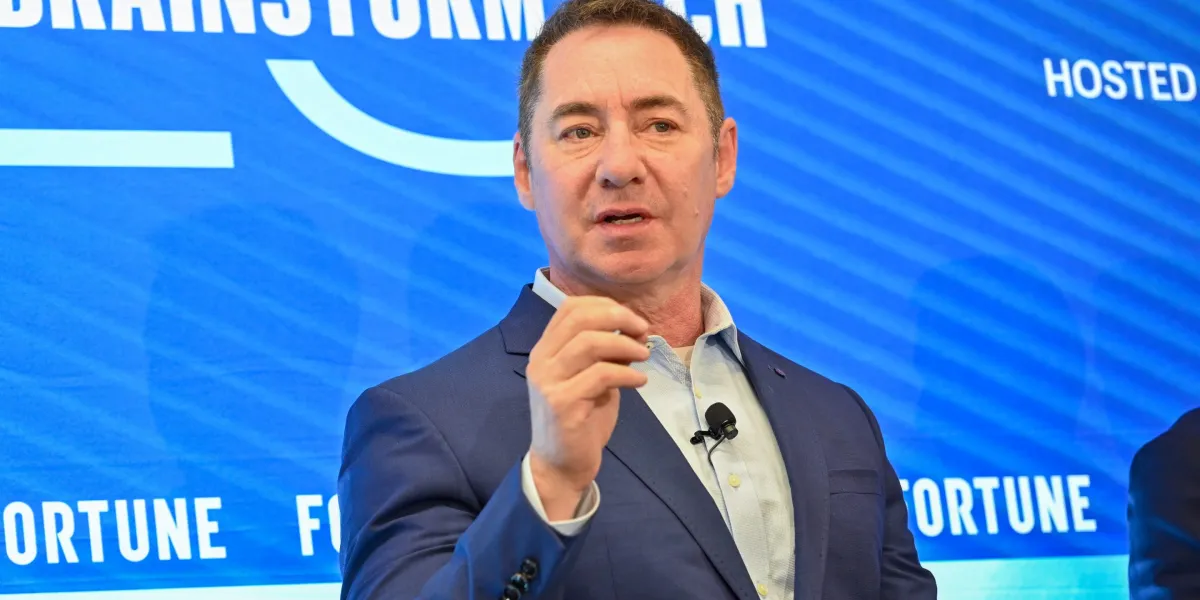
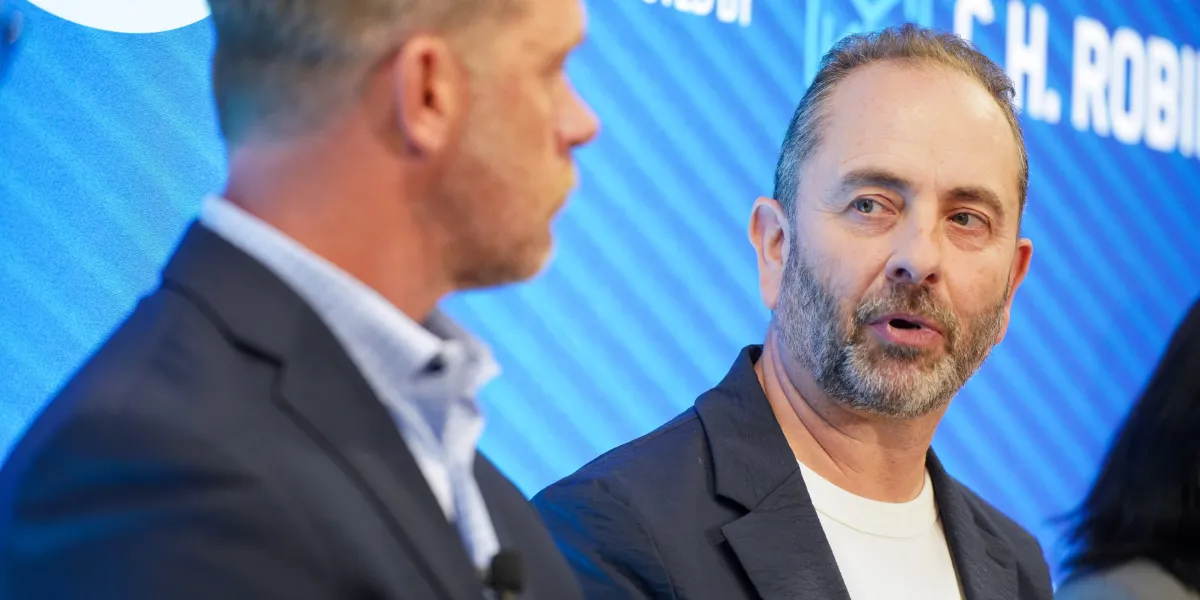
But building operational AI at scale requires more than just raw algorithmic power. At Fortune Brainstorm Tech this week, executives from third-party logistics giant C.H. Robinson, Gap, AI lending platform Upstart, and object storage firm MinIO argued that true enterprise success requires treating AI as a strategic partner. This involves implementing something like a digital supervisor that acts like a centralized safety layer above AI models to enforce guardrails, ensure compliance, and guarantee error-free results for enterprises.
For C.H. Robinson, this shift has rewritten their rules of logistics. The company is using AI to manage the thousands of natural-language emails customers send daily, which previously could not be automated effectively with traditional software code, according to Chief Technology Officer Mike Neill. By deploying a tool known as an AI classifier to instantly identify customer intent, C.H. Robinson has slashed response times to as little as 32 seconds, he said. This automated pipeline handles everything from booking orders to securing appointments, driving what he called massive efficiency gains.