From hallucinations to rogue agents, there are some very clear risks that come with using AI.
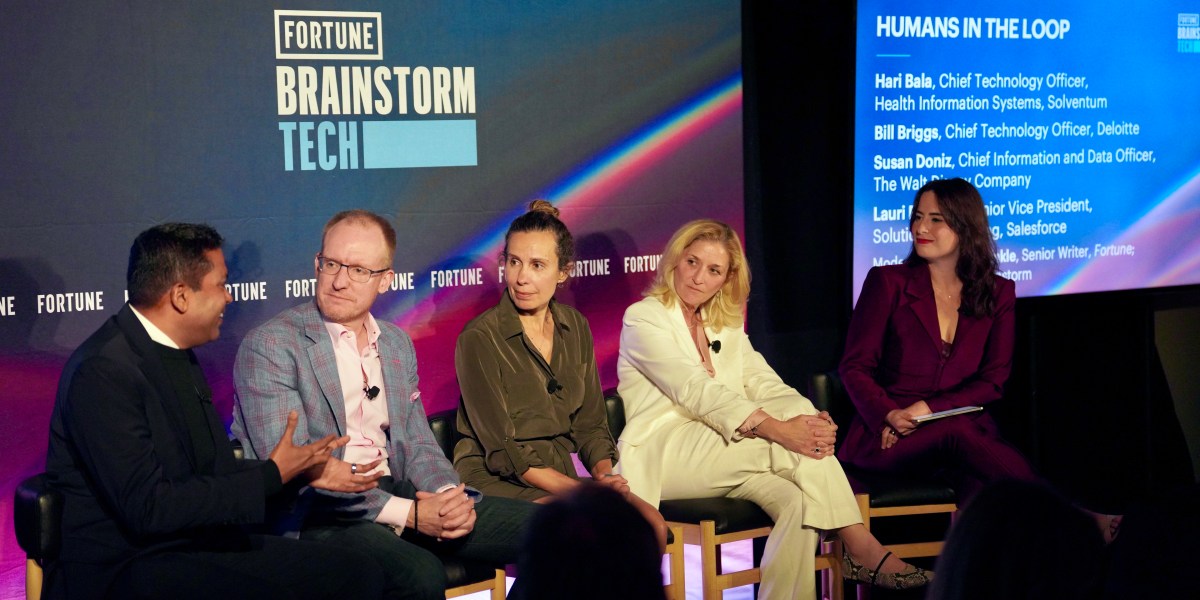
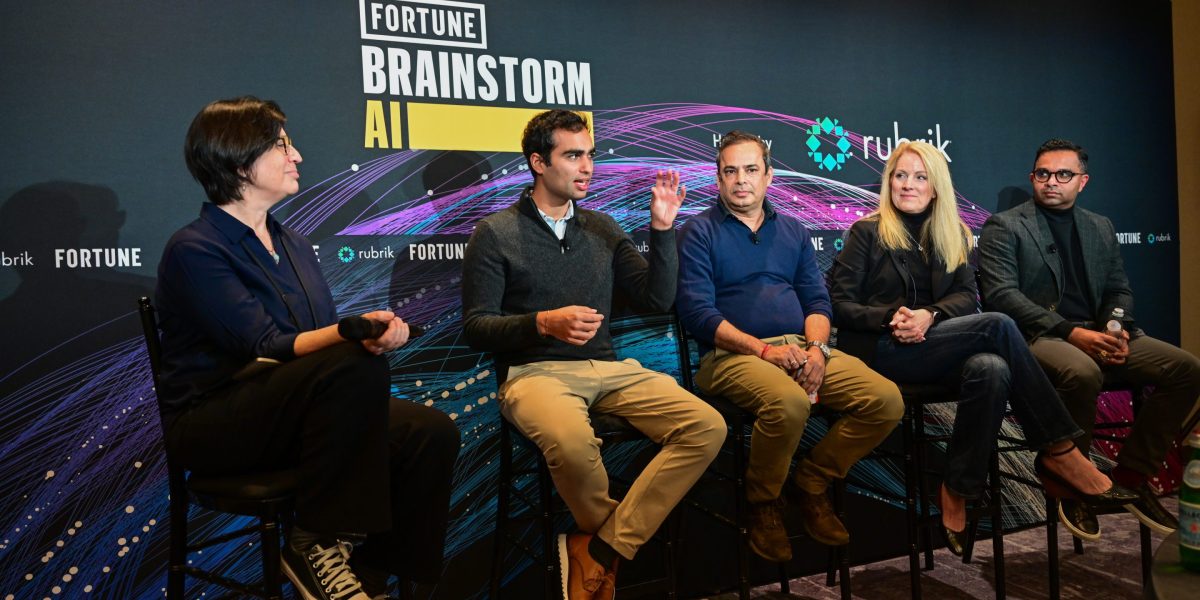
And yet, most businesses cannot afford to sit out the AI revolution. Managing this thorny reality is a fundamental challenge for business leaders today, and executives at several leading companies came together to share their insights and experience at Fortune Brainstorm Tech in Apsen, Colorado.
At the top of the priority list is accountability. That is, being able to follow—and if necessary re-trace—all the steps that an AI or agentic AI system took in performing a particular task.
“A key thing that we worry about is how do you build a system that is as right as often as you can possibly make it,” said Edwin Olson, the founder and CEO, autonomous driving technology firm May Mobility. “But also, critically, because you know it’s going to eventually make mistakes, how do you create the transparency and introspectability, so you can understand why it made a mistake and then talk to regulators about how you know that you fixed that issue moving forward.”
Caitlin Halferty, the chief data officer at Thomson Reuters, echoed the sentiment, stressing the importance of transparent output from AI: “I do this with my teams, myself, I encourage this with my clients, making sure there’s a way in which you can validate the output of any model that you’re using.”