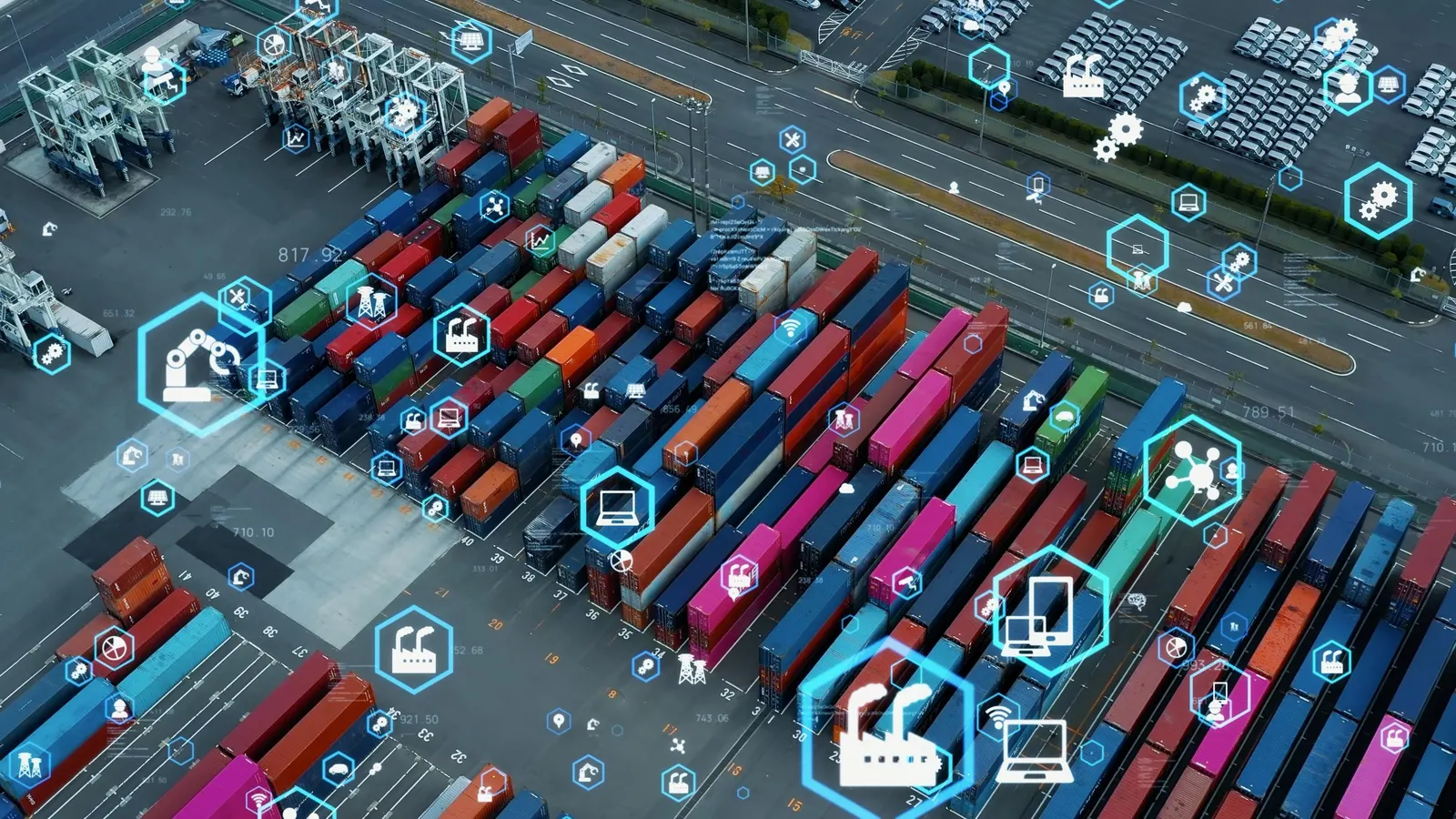
Mahesh Rajasekharan is the President and CEO of Cleo.gettyFor decades, supply chain leaders have pursued efficiency by optimizing individual functions: planning systems to optimize demand and supply, execution systems to move goods, visibility tools to monitor performance, and automation to reduce manual work. Each layer delivered incremental gains, yet now many organizations are discovering a troubling reality: Their supply chains are “working” on paper, but profits are leaking, disruptions are frequent, and teams are overwhelmed.What’s changed is disruption itself. Geopolitical conflicts, whipsawing tariff shifts, labor shortages in some markets versus oversupply of talent in others, tighter margins and rising customer expectations are all creating nonstop volatility. In fact, recent industry studies show that some 80% of organizations experienced significant supply chain disruptions in the past year. In this environment, the companies that outperform aren’t those with the most tools, but those that can coordinate action across their extended supply chain ecosystem.This is where AI-powered supply chain orchestration becomes a strategic advantage for growth and profitability.The Performance ParadoxMany business leaders believe their supply chains are operating largely as designed. Yet disruptions have become more commonplace, and true end-to-end visibility across suppliers, logistics partners, customers and financial flows remains the exception, not the rule.This disconnect reveals a “performance paradox”: IT and business managers believe their supply chains are well designed, but in reality, they’re not performing as well as they should.This is because supply chains break down not within individual systems, but at the intersections between them. For example, gaps often emerge between planning and execution, between physical, informational and financial flows, and between when events occur and when decisions are made.I frequently encounter situations where a company might accurately forecast demand and release a production plan, but a given supplier delay isn’t reflected in downstream logistics or customer commitments, resulting in late deliveries that are often penalized despite “accurate” planning. To close this gap, many organizations double-down on automation. But instead of reducing friction, automation initiatives add more systems and integrations, alerts and exception queues, manual handoffs between teams, and manual intervention to reconcile conflicting data.While it’s great to have cool dashboards, these solutions aren’t sufficient. Companies miscalculate. The increased activity may feel good, but in reality, teams experience “cognitive overload” managing hundreds of alerts, exceptions and fragmented insights daily. The desired business outcomes don’t materialize. It’s perpetual firefighting mode.Orchestration: The Missing LinkThe root cause is the gap between supply chain planning and supply chain execution. Orchestration could be defined as “real-time coordination of data, processes and decisions across a supply chain network of suppliers, manufacturers, logistics providers, distributors and customers.”Unlike traditional integration platforms, which connect systems—or visibility tools, which surface data—orchestration links events directly to recommended actions, ensuring decisions are made and executed in context alongside proper correlation. Then AI-powered supply chain orchestration solutions can recommend what should happen next based on real-time conditions, while execution systems—drawing on Agentic AI—can carry out routine or well-defined tasks. However, it is important to remember that orchestration does not replace human judgment. Strategic decisions, such as prioritizing customers or managing trade-offs across revenue and cost, still require human oversight. Data quality gaps, inconsistent business rules or lack of cross-functional alignment can also limit effectiveness.Supply chain orchestration bridges planning and execution by bringing context to action. It connects events to consequences, insights to actions and decisions to outcomes. Done well, orchestration doesn’t replace existing investments, it amplifies them. But success depends on clean data, aligned workflows and cross-functional governance. Without these, orchestration can introduce as much complexity as it resolves. AI: Accelerating The Shift Toward Real-Time CoordinationA recent industry press release noted that supply chain software powered by agentic AI is expected to grow significantly in the coming years. Agentic AI goes beyond pattern recognition or prediction. It understands context, operates across systems and can initiate or recommend actions, not just surface alerts.This enables exceptions to be guided toward resolution rather than simply flagged, and risks to be addressed earlier in the process. However, edge cases, partner variability and unexpected disruptions still require human judgment, reinforcing that AI augments rather than replaces decision-making. What’s in it for you? Competitive advantage and growth! Why? Because in any supply chain, the majority of transactions flow silently. It’s the small percentage that break—late shipments, incomplete orders, missing documentation—where value is either created or destroyed.Orchestration changes the equation. By coordinating real-time data across workflows, AI-driven systems can identify errors quickly and recommend the fastest path to recovery. This could mean that a delayed inbound shipment could automatically trigger inventory reallocation and updated delivery commitments, reducing downstream disruption and preserving customer trust.Organizations often see improvements in on-time delivery performance and reductions in manual intervention, though results vary depending on data quality and process maturity. Alignment improves when teams operate from a shared, real-time view, but can still break down if incentives or metrics are not aligned across functions. What Should You Do?Given ceaseless volatility and disruption, leaders should focus first on improving coordination across existing systems before adding new ones. Start by assessing readiness across three areas:• Visibility With Context: Do teams share a real-time and trustworthy view of operations?• Decision Latency: How quickly can issues be surfaced and resolved?• Cross-Functional Alignment: Are teams working from the same priorities and definitions? Does the left hand know what the right hand is doing?From there, consider three initial steps. First, start with a high-impact workflow (e.g., order fulfillment or exception management). Second, standardize key data definitions across teams. Finally, introduce AI-driven decision support while keeping humans in the loop. Final ThoughtsThe successes of the next decade will be those who design their supply chains for coordination first: where intelligence flows with context, decisions move quickly to action, and humans are empowered rather than overwhelmed.As disruption continues to test supply chains, the critical question for leaders is not how many tools they deploy, but how effectively they connect decisions to outcomes across their ecosystem.Forbes Technology Council is an invitation-only community for world-class CIOs, CTOs and technology executives. Do I qualify?
Orchestrating Your AI-Powered Supply Chain For Growth And Profitability
As supply chain disruptions intensify, AI-powered orchestration is helping organizations move beyond fragmented systems and reactive firefighting toward real-time coordination, faster decisions and more resilient operations.
998 words~5 min read