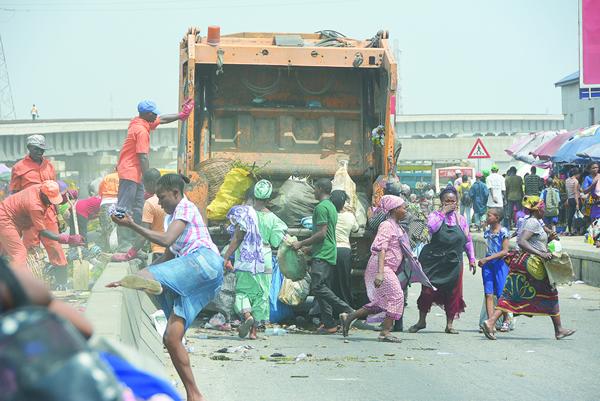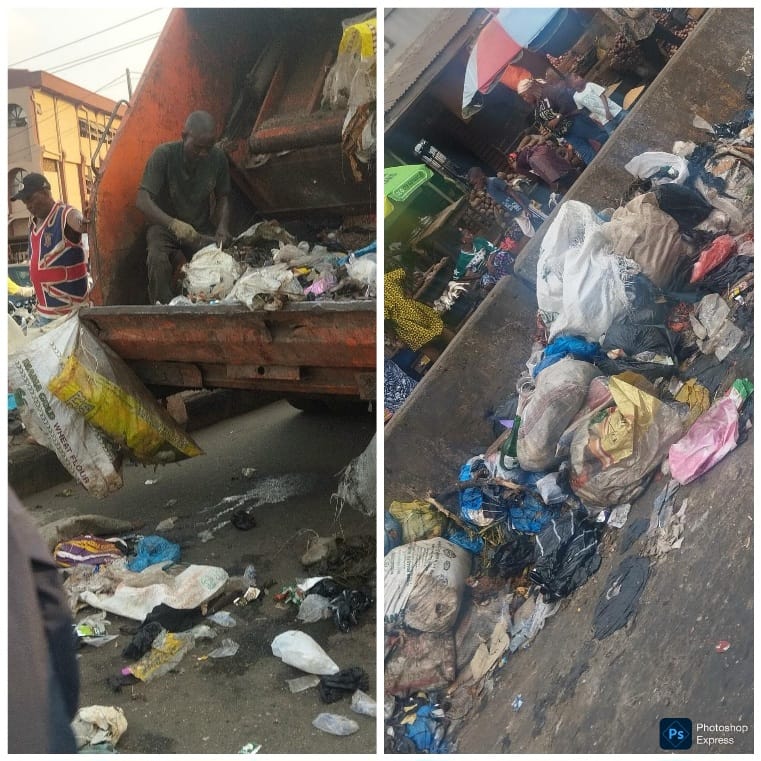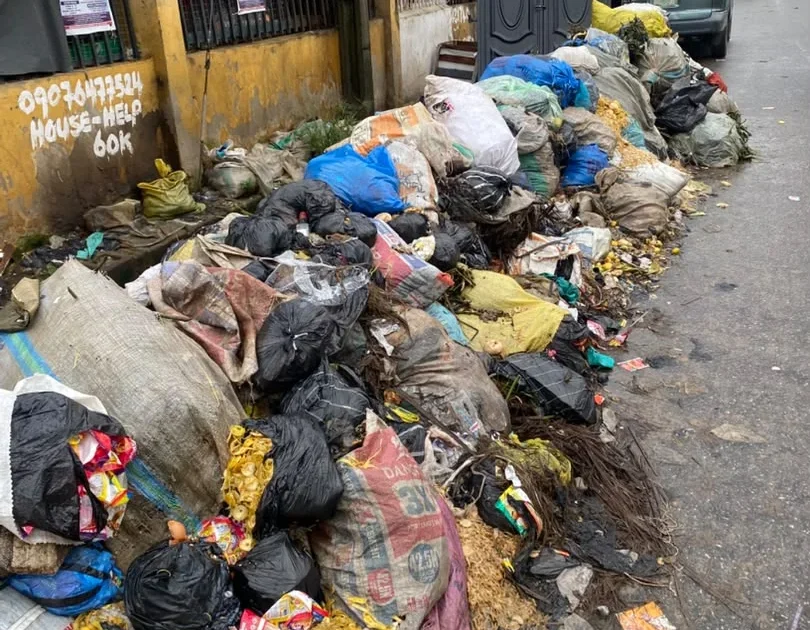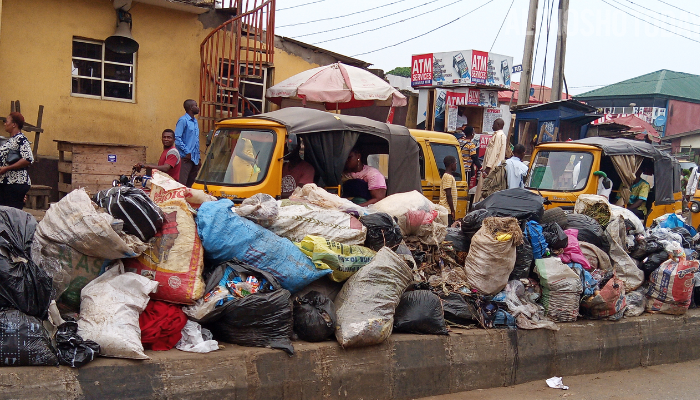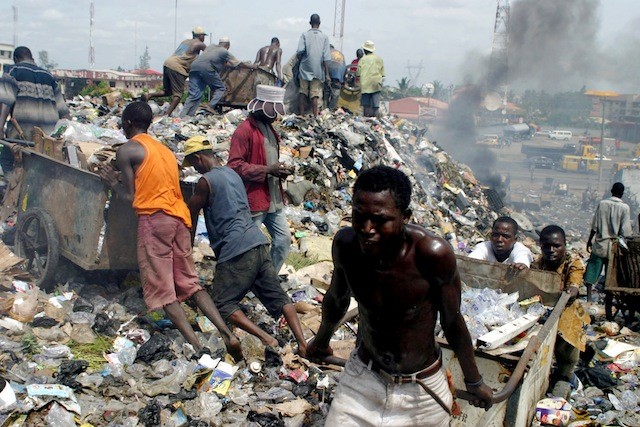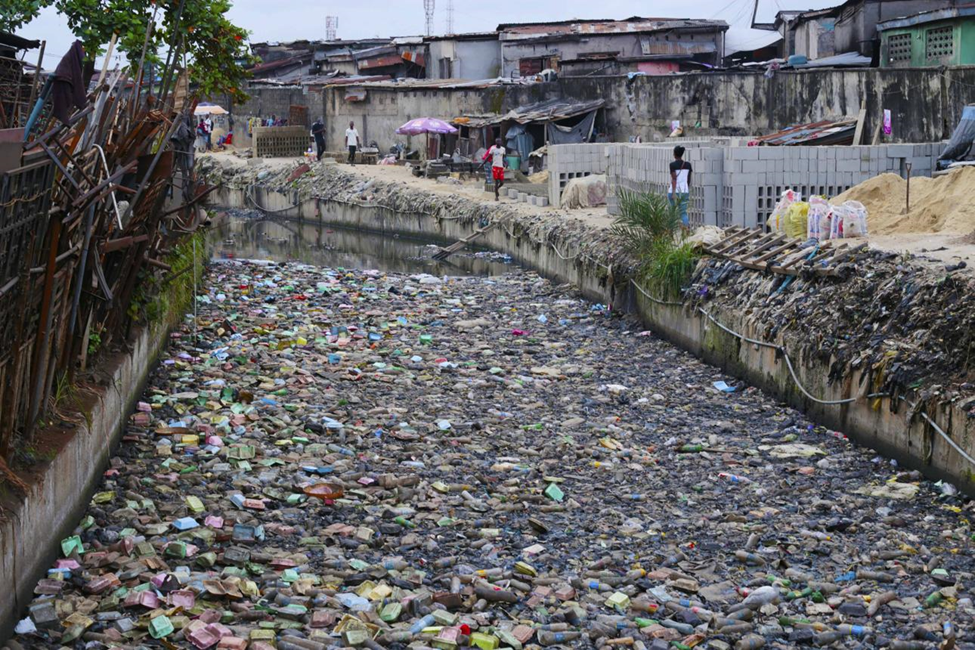
Nigerian youth have become exceptionally good at making institutions listen. The harder challenge is making them change. That gap is visible in Lagos. In parts of Mushin, Ojuelegba, Yaba, Agege and other densely populated areas, heaps of refuse and clogged drainage are not merely environmental nuisances. They are evidence of a deeper question about how cities are planned, waste is collected, infrastructure is maintained and public money is spent.
Lagos is moving enormous quantities of waste. The Lagos Waste Management Authority said it evacuated 418,500 tonnes in May 2026, an average of about 13,200 tonnes a day, through its own operations and licensed private-sector operators. Indeed, persistent waste accumulation and blocked drains remain visible in parts of the city. LAWMA itself identifies insufficient waste compactors, poor road infrastructure, indiscriminate dumping and difficulties in waste collection as continuing challenges.
The contradiction is important. The problem is no longer simply whether Lagos generates too much waste. It is whether the institutions responsible for managing it are delivering what they are supposed to deliver. That is where environmental, social and governance principles can give youth activism a more powerful purpose.