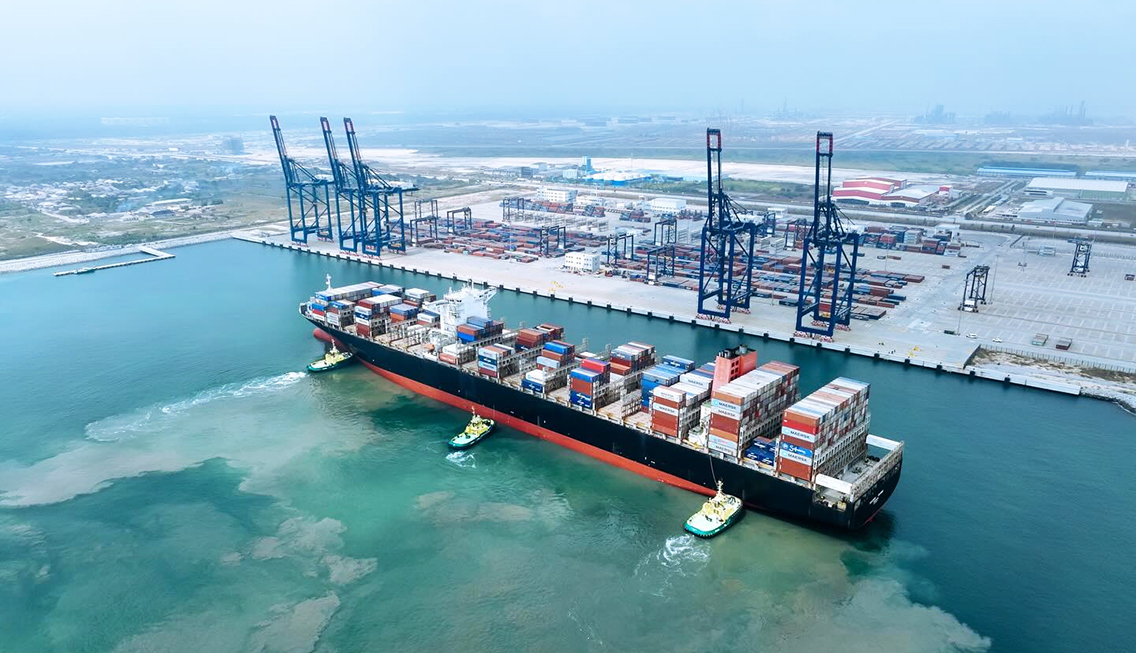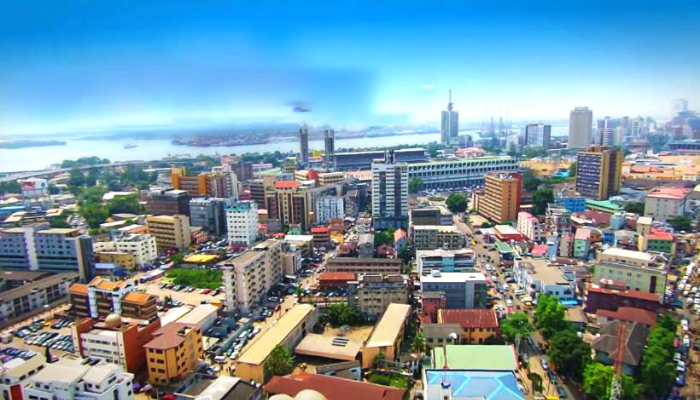
Lagos is a city of paradoxes. Though Nigeria’s smallest state by landmass, it boasts the nation’s largest economy and serves as the commercial and financial hub of West Africa.
Home to over 23 million people, with its population expected to grow significantly in the coming decades, Lagos continues to attract investors, entrepreneurs and tourists.
Successive administrations have promoted inspiring visions such as “Centre of Excellence,” “Eko Oni Baje,” and “State of Aquatic Splendour.” The city has also strengthened its global profile through initiatives like the Lagos City Marathon, the GTCO Food and Drink Festival, its vibrant fintech ecosystem and major infrastructure projects.
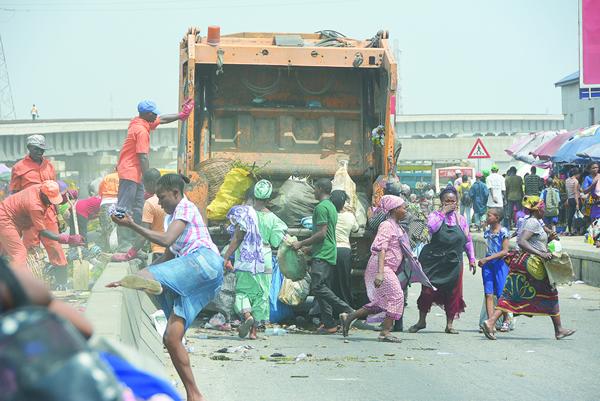
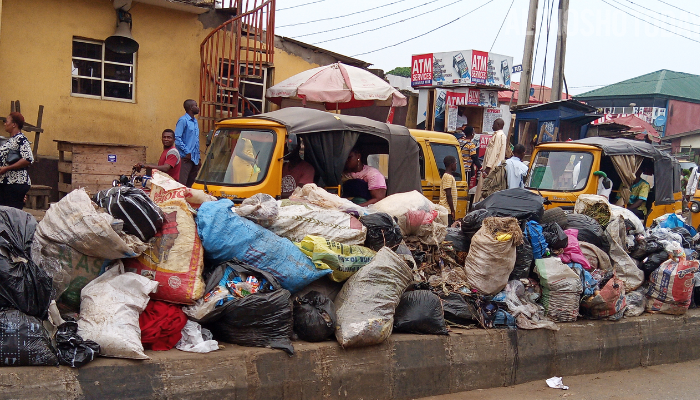
Yet, a global brand must be built on more than slogans and events. Rapid population growth has placed enormous pressure on roads, housing, drainage and, most importantly, waste management.
Despite the efforts of the Lagos Waste Management Authority (LAWMA) and Private Sector Participation (PSP) operators, overflowing refuse bins, illegal dumpsites and blocked drainage channels remain common across many parts of the city.