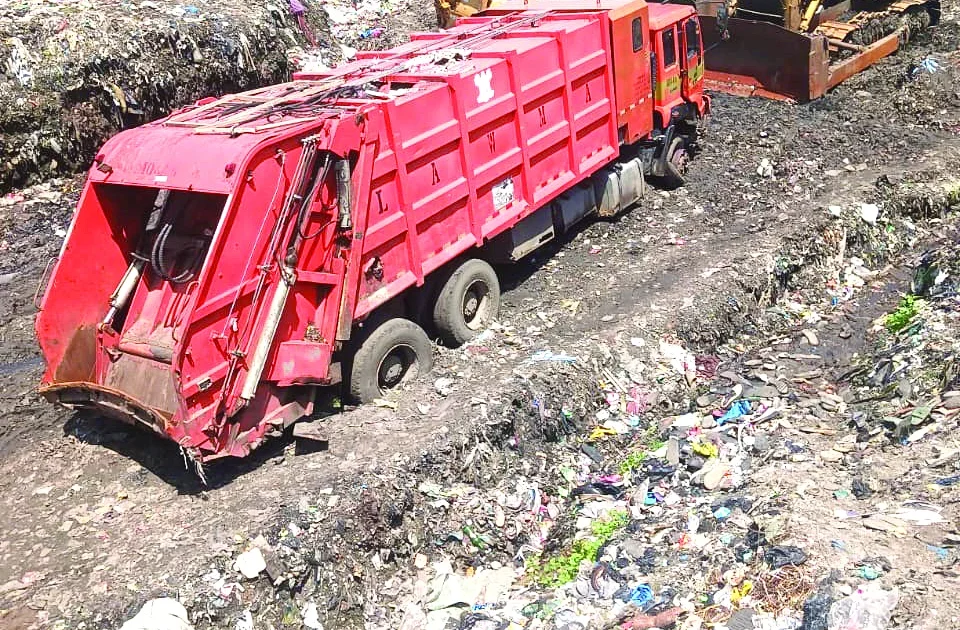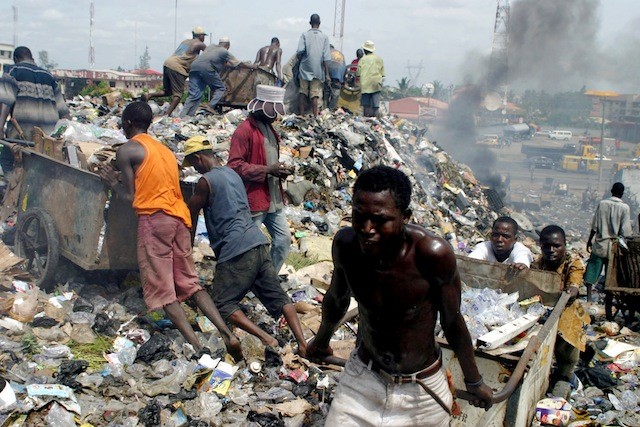
As you know, every city has its own unique sound, and I have come to associate it with that unique sound that makes Lagos what it is. Having stayed here for over four decades, I have every right to call myself “Omo Eko”. However, through these years, one issue has become a recurring decimal – waste and its management. This has been a spot in whatever sacrifices the state has made to make residents and investors thrive.
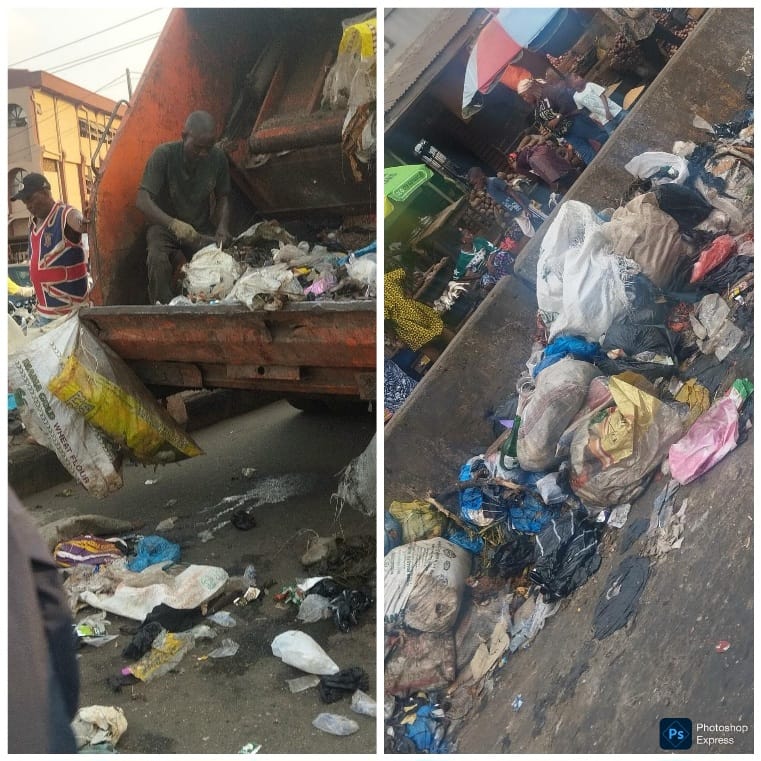
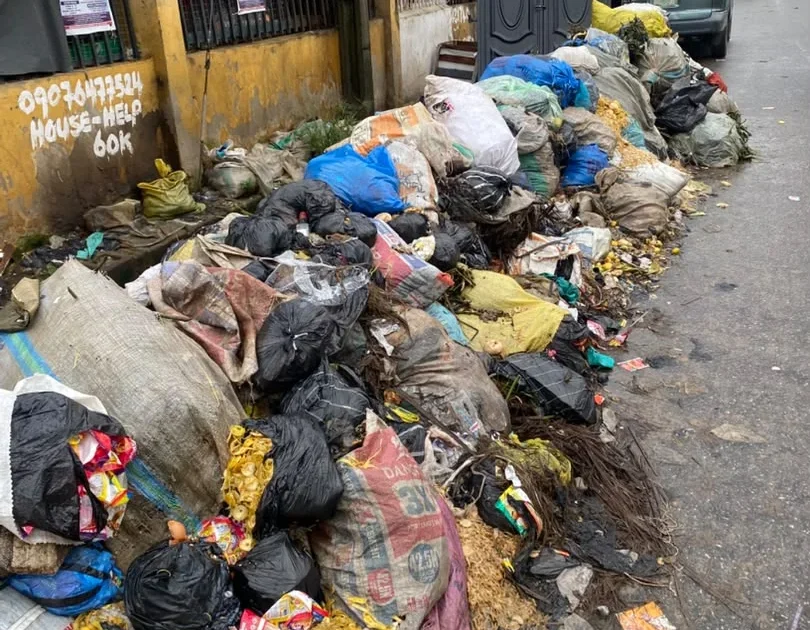
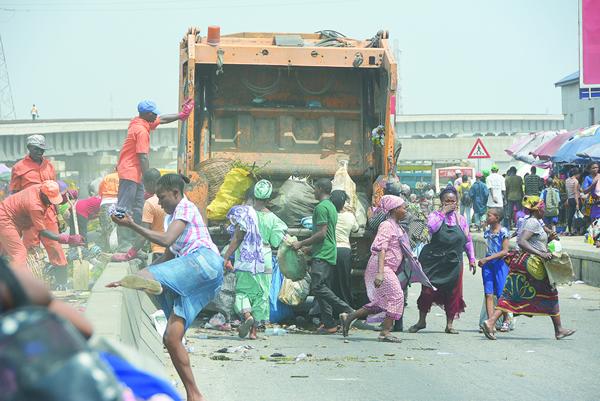
For decades, Lagos has battled with the challenge of waste management. Unfortunately, what was once an environmental concern has now evolved into a full-scale public health emergency. Across major roads, markets, residential environments, and business districts, heaps of refuse have become a common sight. This rainy season, the situation has worsened as blocked drains force floodwaters to carry garbage onto roads, into homes, and across the environment.
The consequences are more dangerous than we think, as a city buried under waste creates the perfect breeding ground for disease-carrying objects, with rats, cockroaches, flies, and mosquitoes thriving in such environments. The possibility of outbreaks of cholera, typhoid, diarrhoea, dysentery, and other water-borne diseases becomes significantly higher when refuse accumulates unchecked, and drainage systems become blocked.