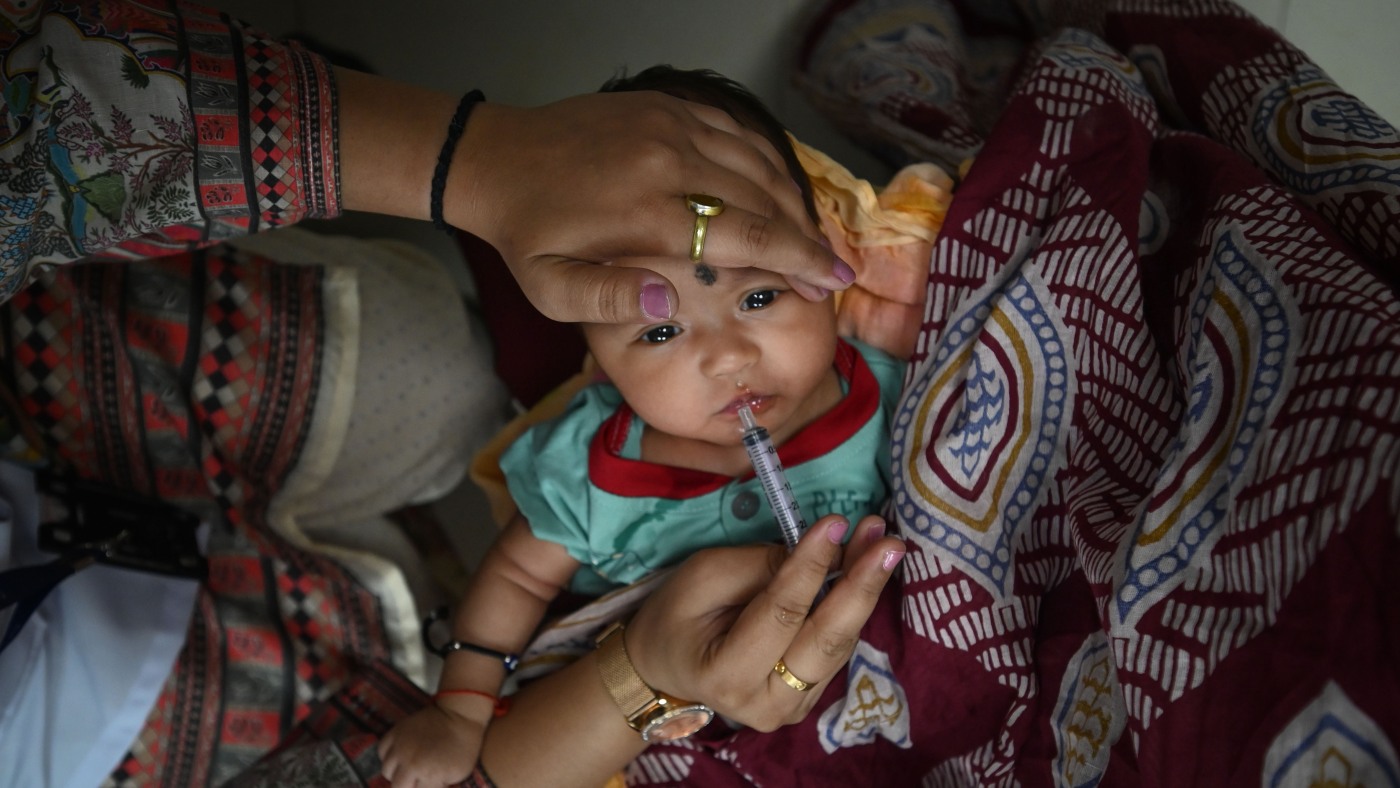
I have spent much of my career responding to infectious diseases in places where vaccines were desperately needed but not always available.
In Haiti, I watched a patient die of tetanus, their body seized by violent, agonizing spasms until they could no longer breathe. Watching someone die that way from a disease a simple vaccine can prevent is something I have never forgotten.
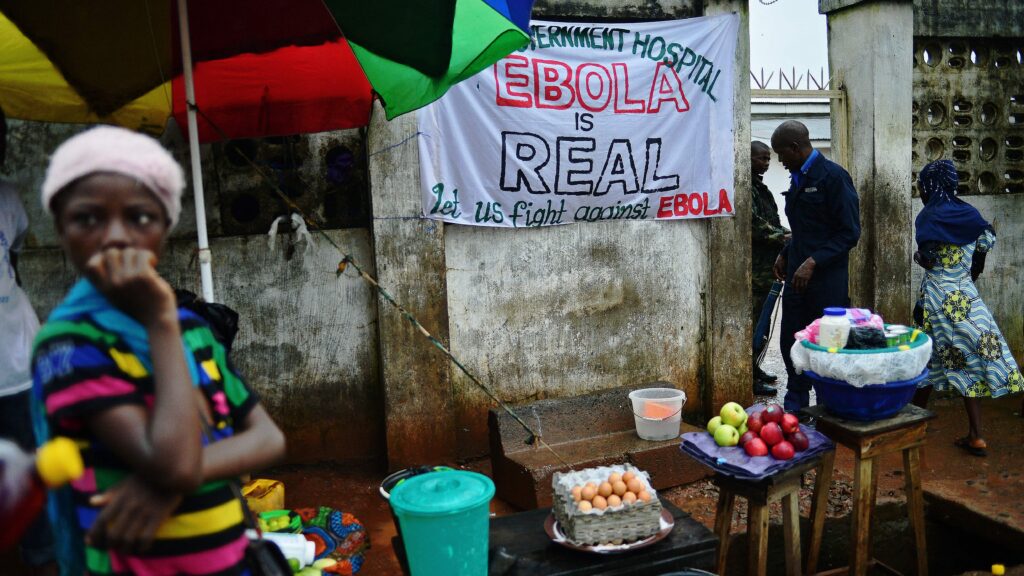
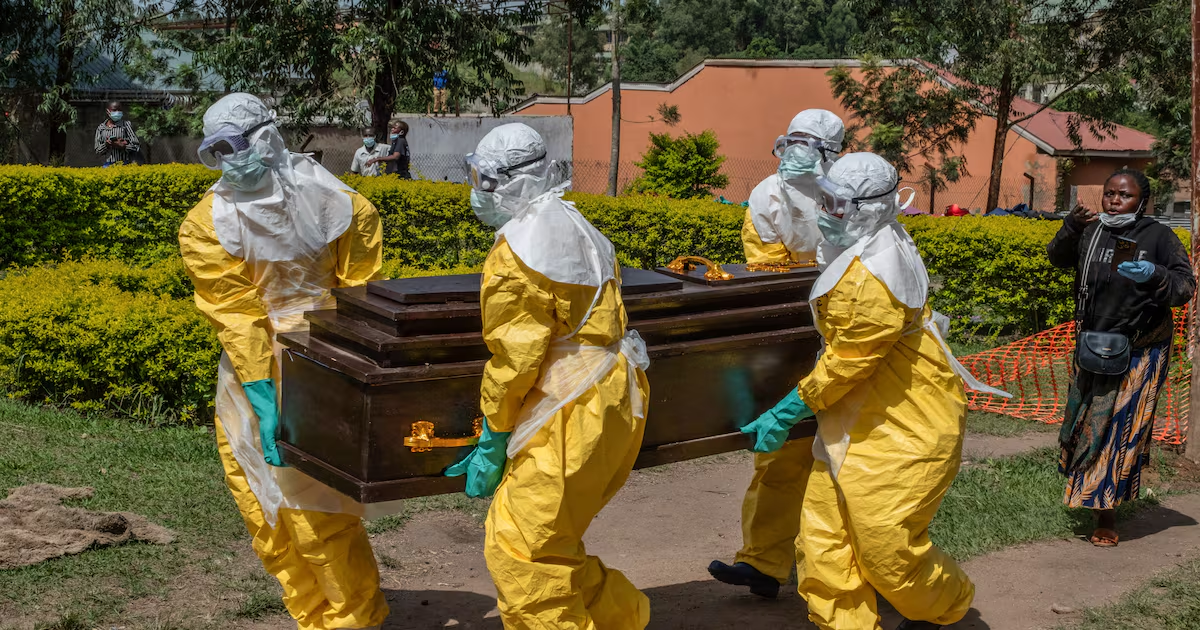
In 2014, I worked in an Ebola treatment unit established within a local hospital in Sierra Leone. I watched mothers travel for hours through communities devastated by the epidemic to bring their children to the hospital for whatever vaccines were available. They understood something Americans increasingly seem to be forgetting: The ability to prevent a deadly infectious disease is an extraordinary privilege.
I have also seen what happens when science gives us that ability.
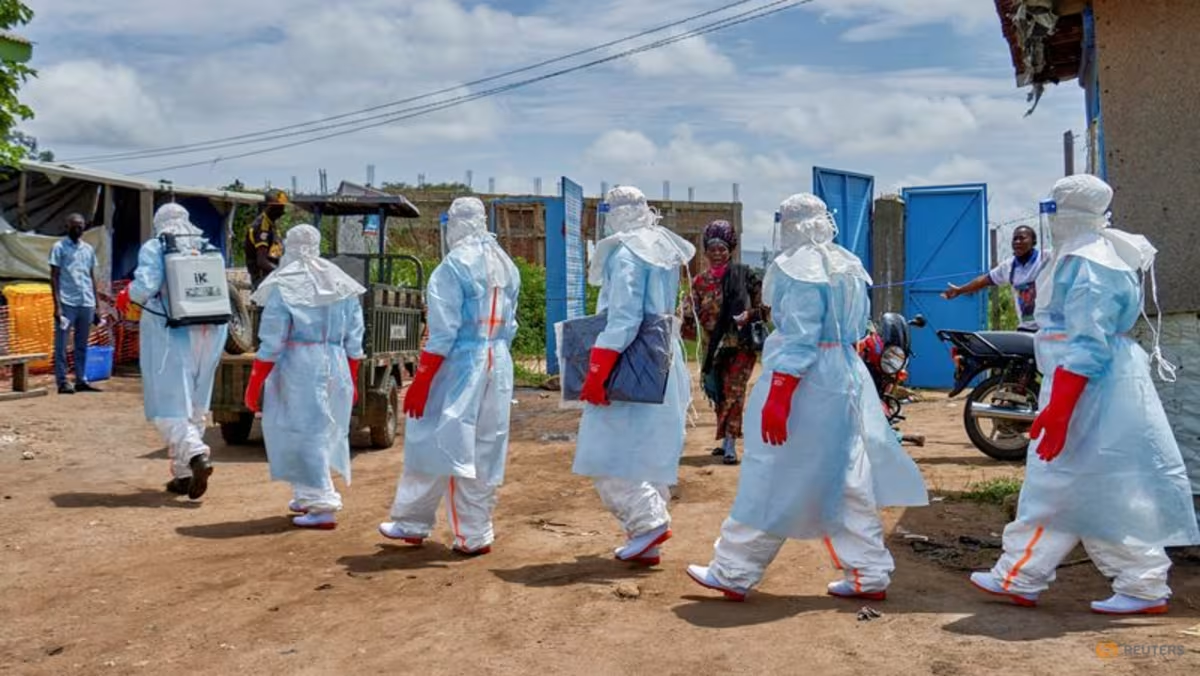
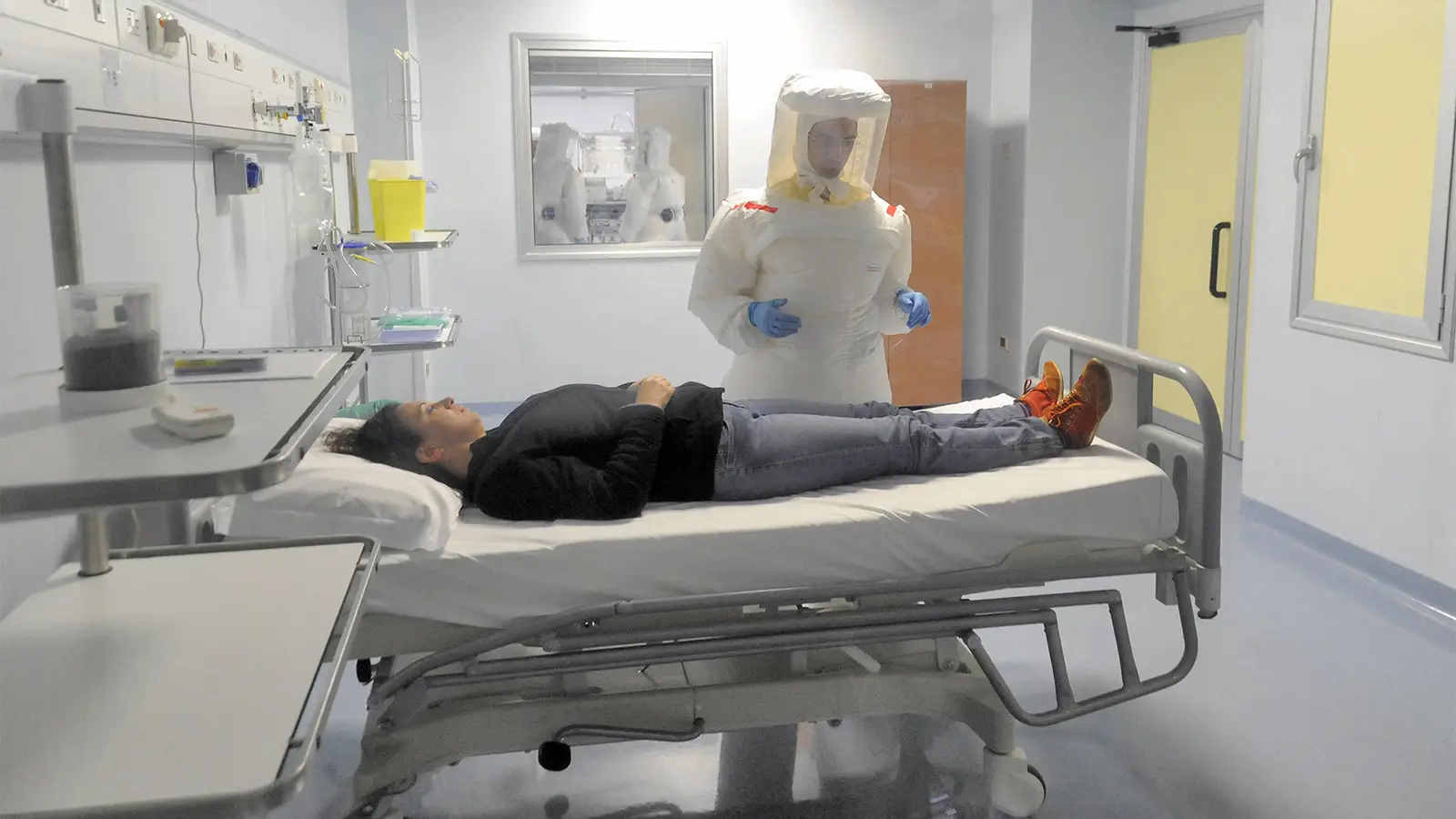
The development of an effective vaccine against Zaire ebolavirus (EBOV) transformed our ability to respond to Ebola. During the 2018-2020 outbreak in the Democratic Republic of the Congo, more than 300,000 people were vaccinated, helping protect those at risk and slow transmission. Since then, the vaccine has been deployed successfully in multiple outbreaks, helping break chains of transmission and prevent countless infections and deaths.