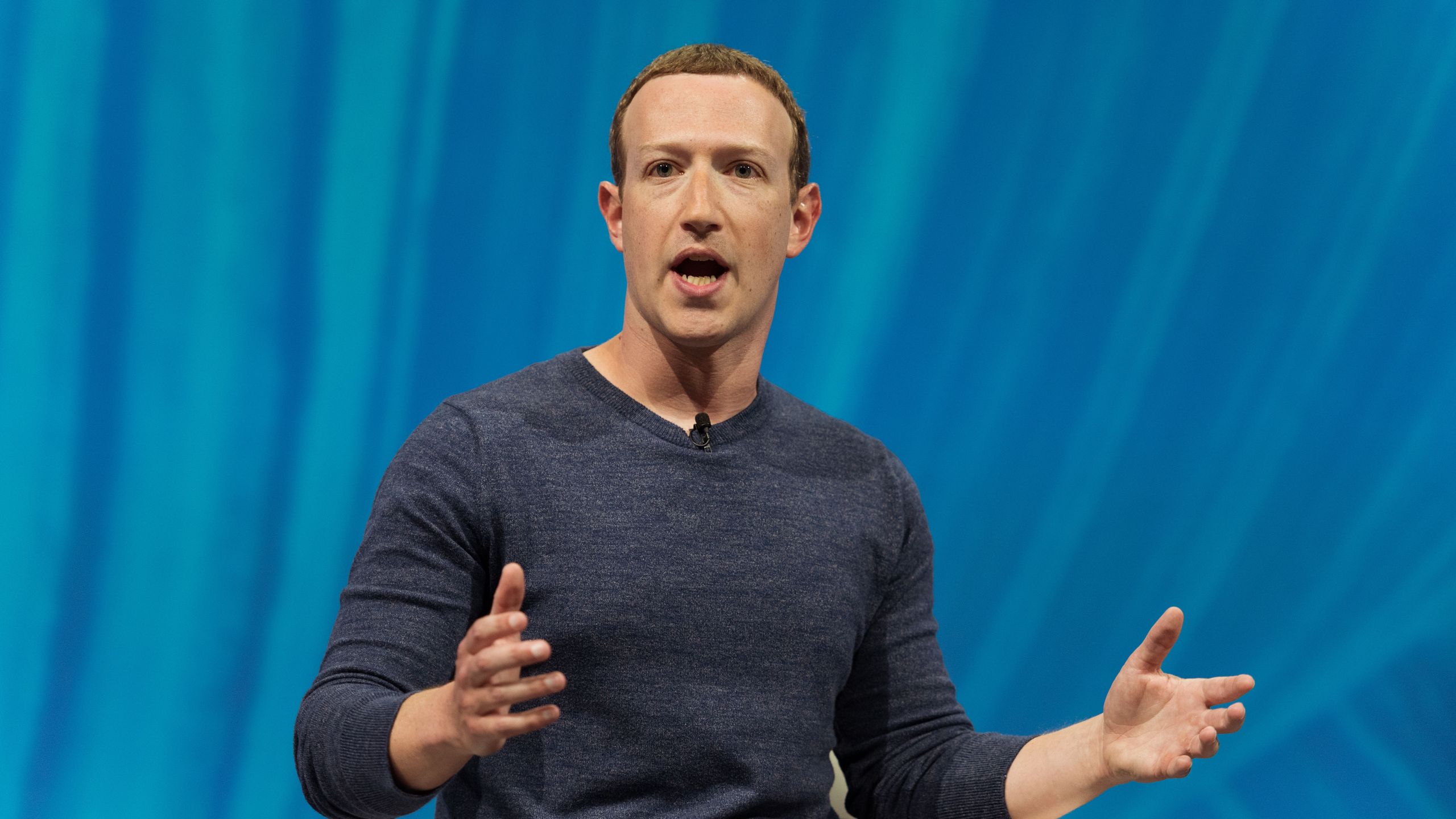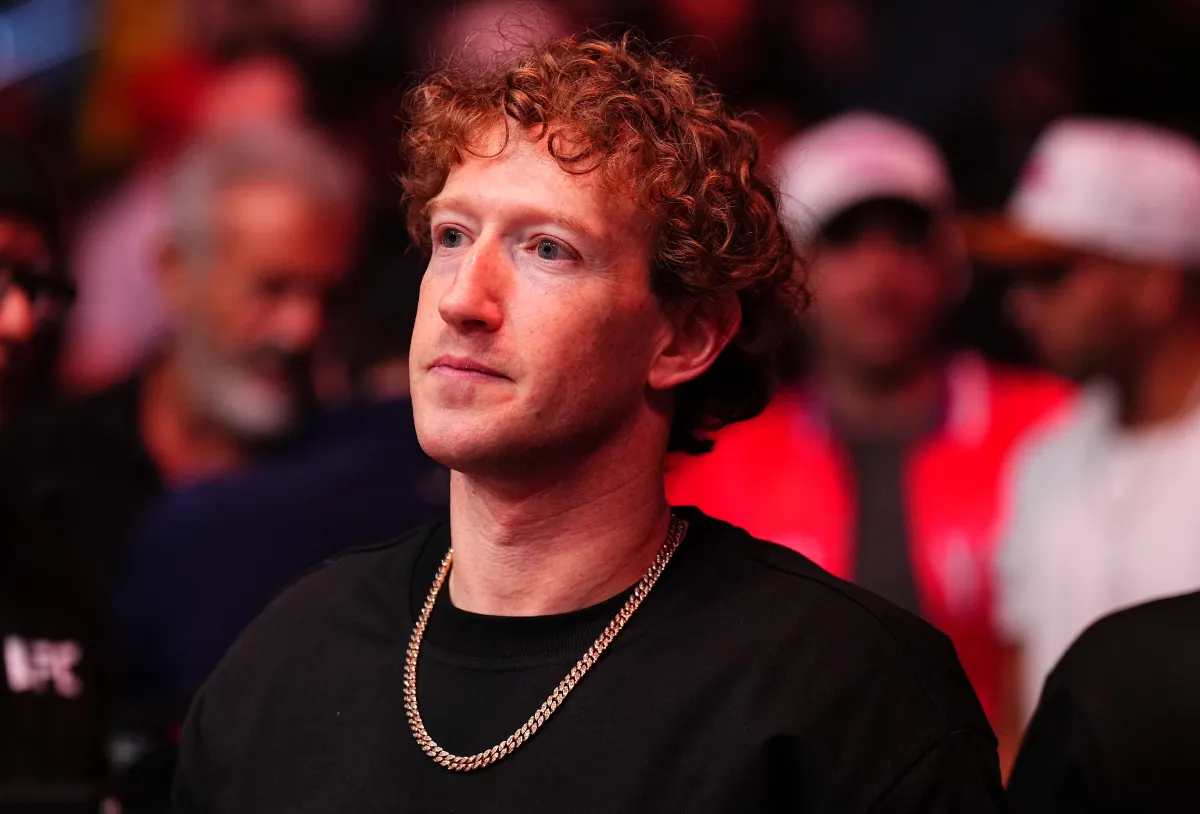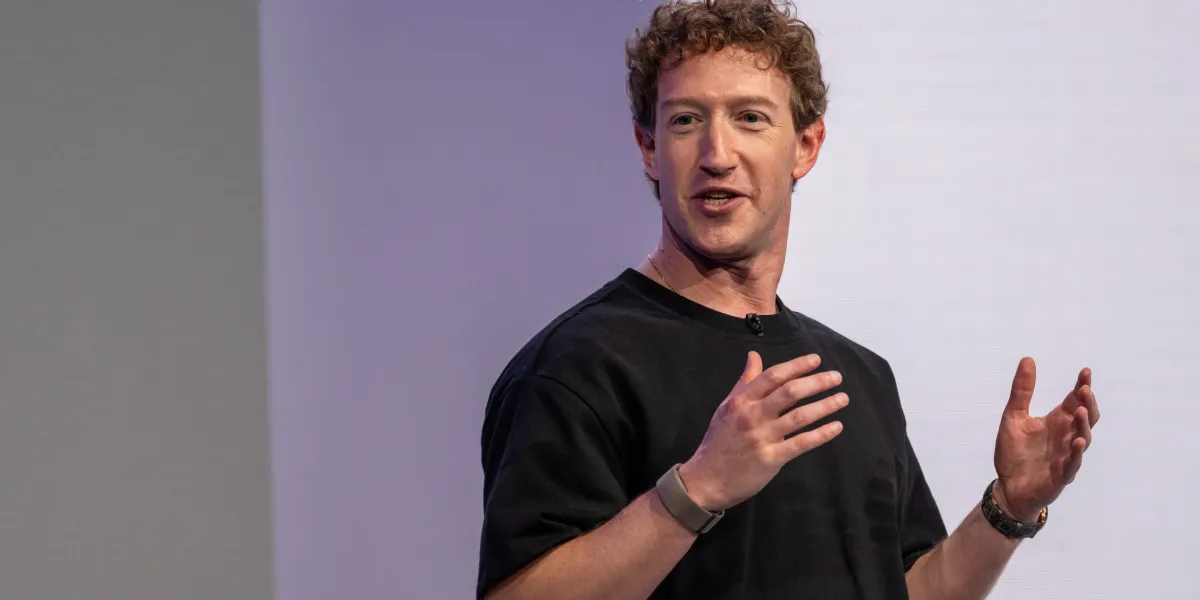
Good morning. Phil Wahba writing this morning from New York. Earlier this week, Meta founder and CEO Mark Zuckerberg published a few of his thoughts. Specifically 6,500 words outlining ways to spread the wealth and opportunity from AI to all people, including skeptics such as residents of communities that host data centers.
That word count made the piece about one-tenth the length of the average novel—and 10x his article on Personal Superintelligence a year ago.
And Zuckerberg is not alone: Anthropic CEO Dario Amodei delivered the longest piece in this genre so far in 2024 with his 13,000-word “Machines of Loving Grace” essay, while Nvidia’s Jensen Huang has also joined in, as have other AI CEOs. The official explanation is high-minded: with Wall Street scrutinizing Meta’s tens of billions in spending and rival labs racing for dominance, these founders want to lay out their vision in exacting detail and bring regulators and the public along. As Columbia Business School professor Dan Wang told me, “They have to draw the boundaries around why AI can be useful even before they begin selling products.”
But there’s a less flattering read, and communications specialist Patrick Riccards put it best. “CEOs, particularly tech CEOs, believe that their words are gospel,” he told me. These essays, he says, are flags planted in the ground: “You essentially have five or six tech CEOs that are trying to demonstrate whose…[shall we say essay] is bigger.” In our era of short attention spans, that raises an obvious problem. Do people other than AI titans even read these? And if not, what’s the point?