First published in Respekt.
On the front line, it is not just a single best and most accurate weapon that decides, mass also matters, explained security expert Ondřej Rosendorf from the University of Hamburg.
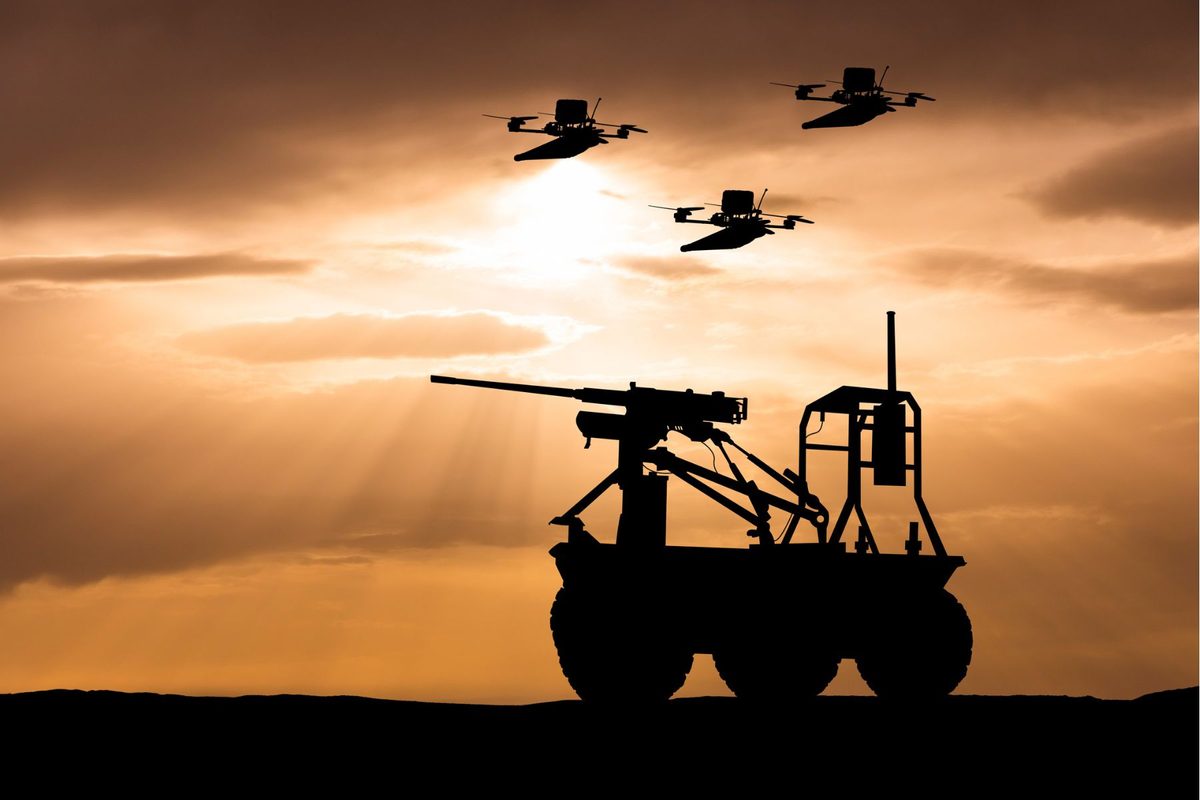
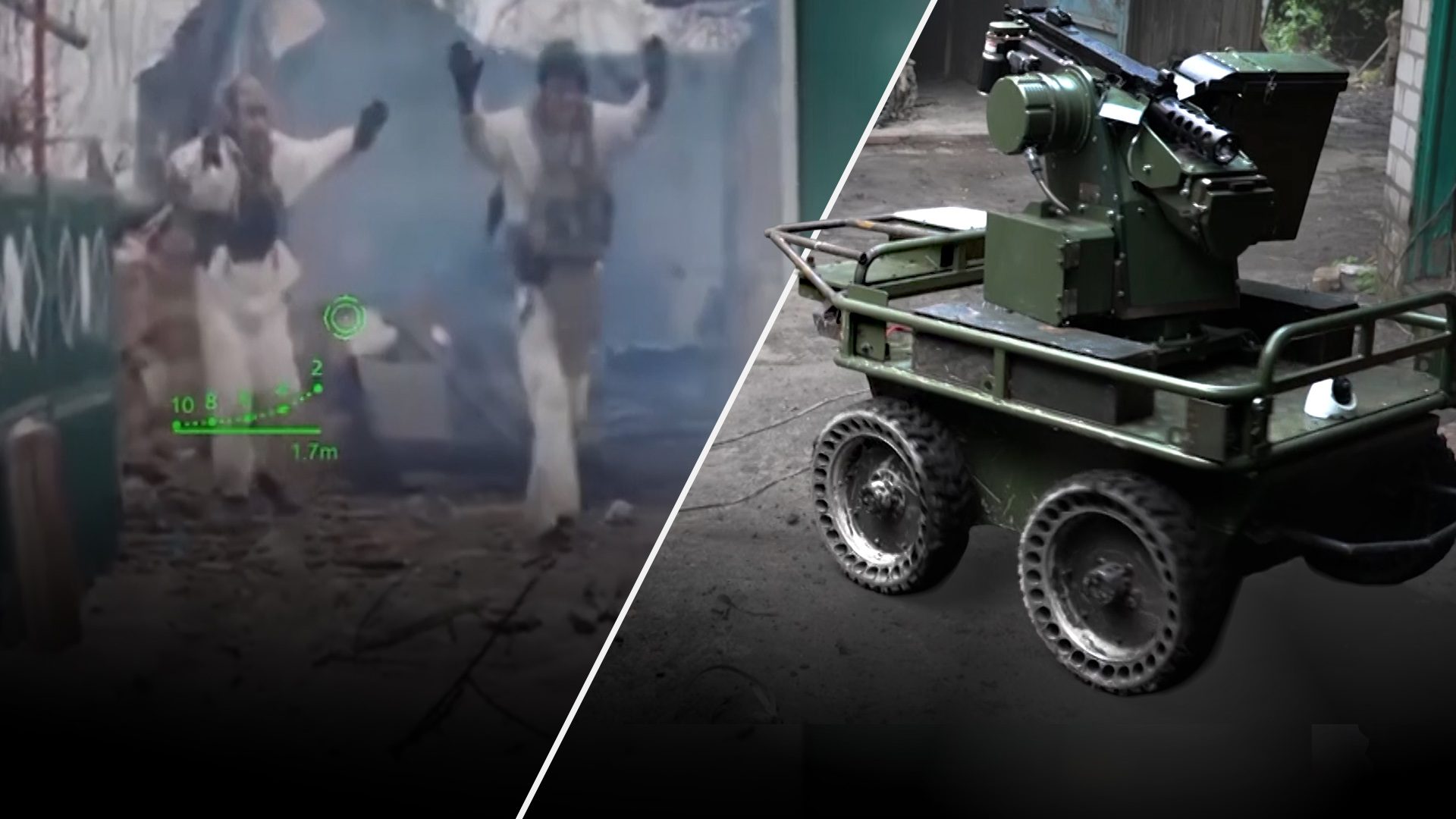
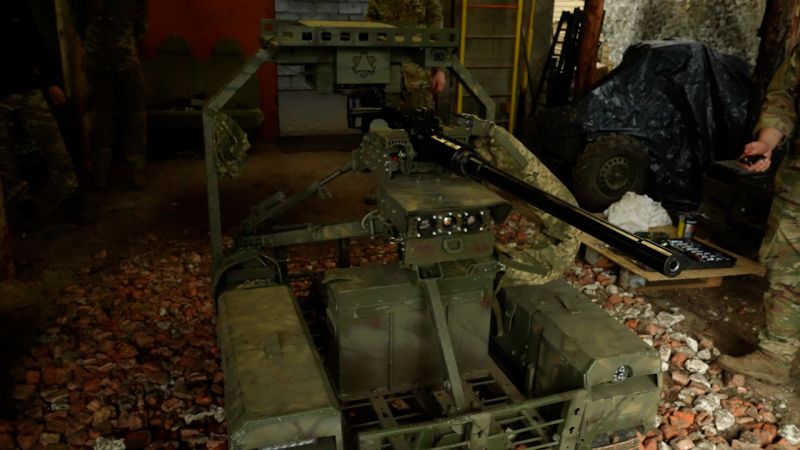
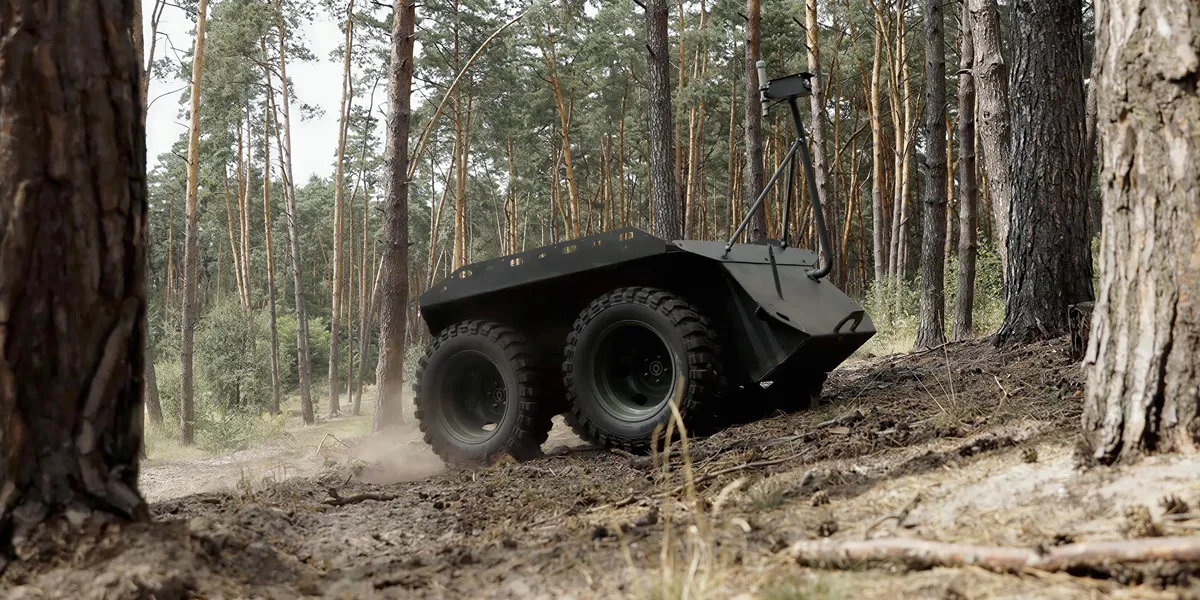
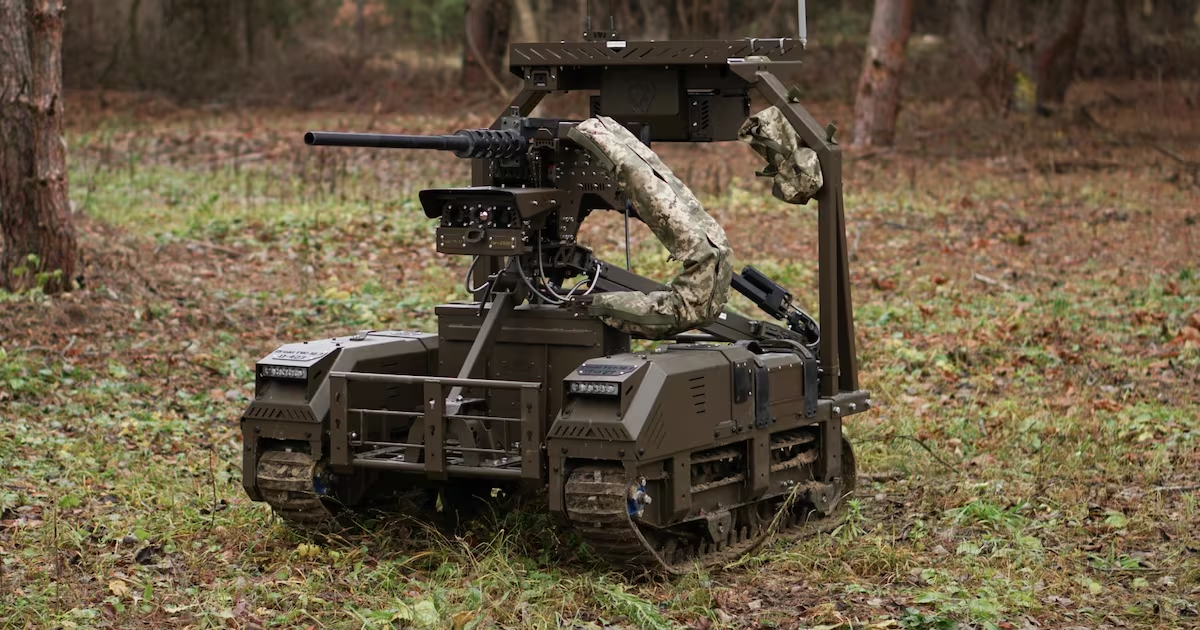
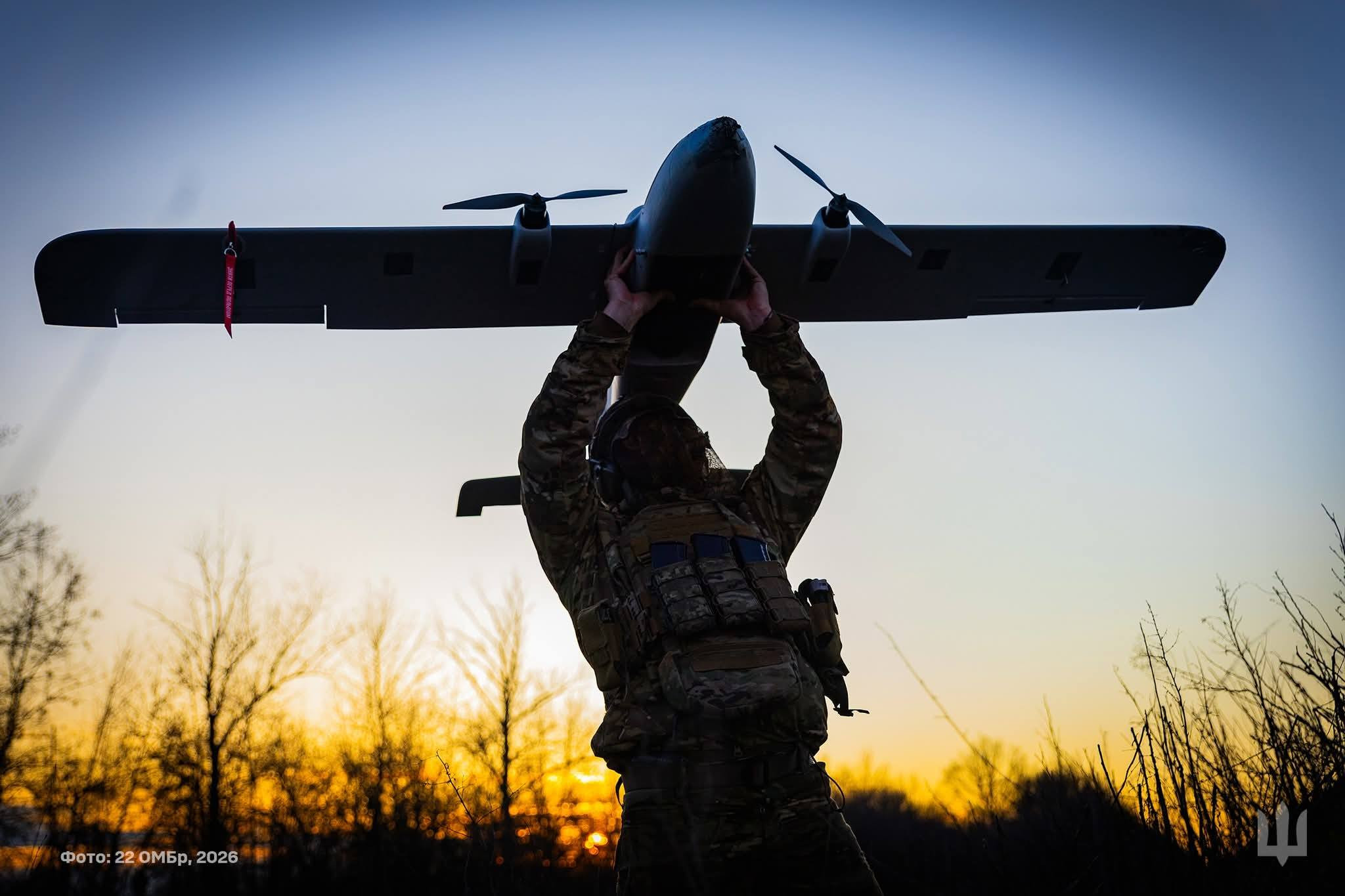
While drones have already rewritten strategy not only in the Russian‑Ukrainian conflict, Ukraine is now boasting a new weapon. Battalions of ground robots – tracked and wheeled machines that deliver supplies, transport ammunition, evacuate the wounded, lay mines and, increasingly, are said to be able to hold captured territory as well. Does this mean a further development in the ways wars are fought?
For many people, the image of a war robot evokes the film Terminator. We are probably not quite there yet. So what do today’s frontline robots look like?
[Rosendorf] They are usually unmanned systems, such as drones, which are either remotely controlled by an operator or incorporate automated or autonomous functions. When we talk about fighting robots, we mean precisely these autonomous weapons. The question, however, is what exactly they are. According to the Red Cross definition, these are weapon systems which, once activated, are capable of selecting, tracking, and neutralising a target on their own, without further human involvement. But this definition is problematic, because it also covers a number of systems that armed forces around the world already routinely operate today and that have existed for several decades.