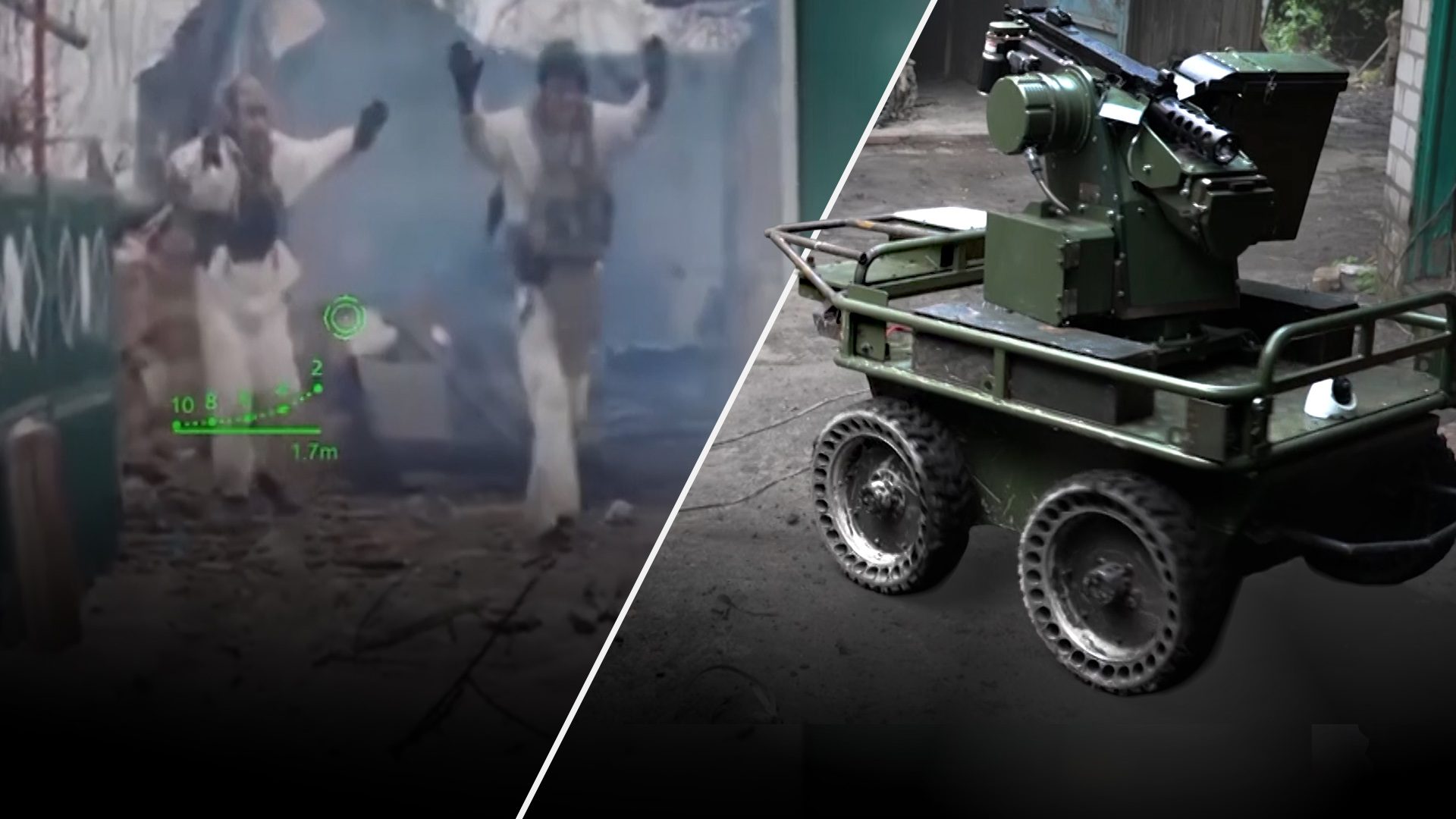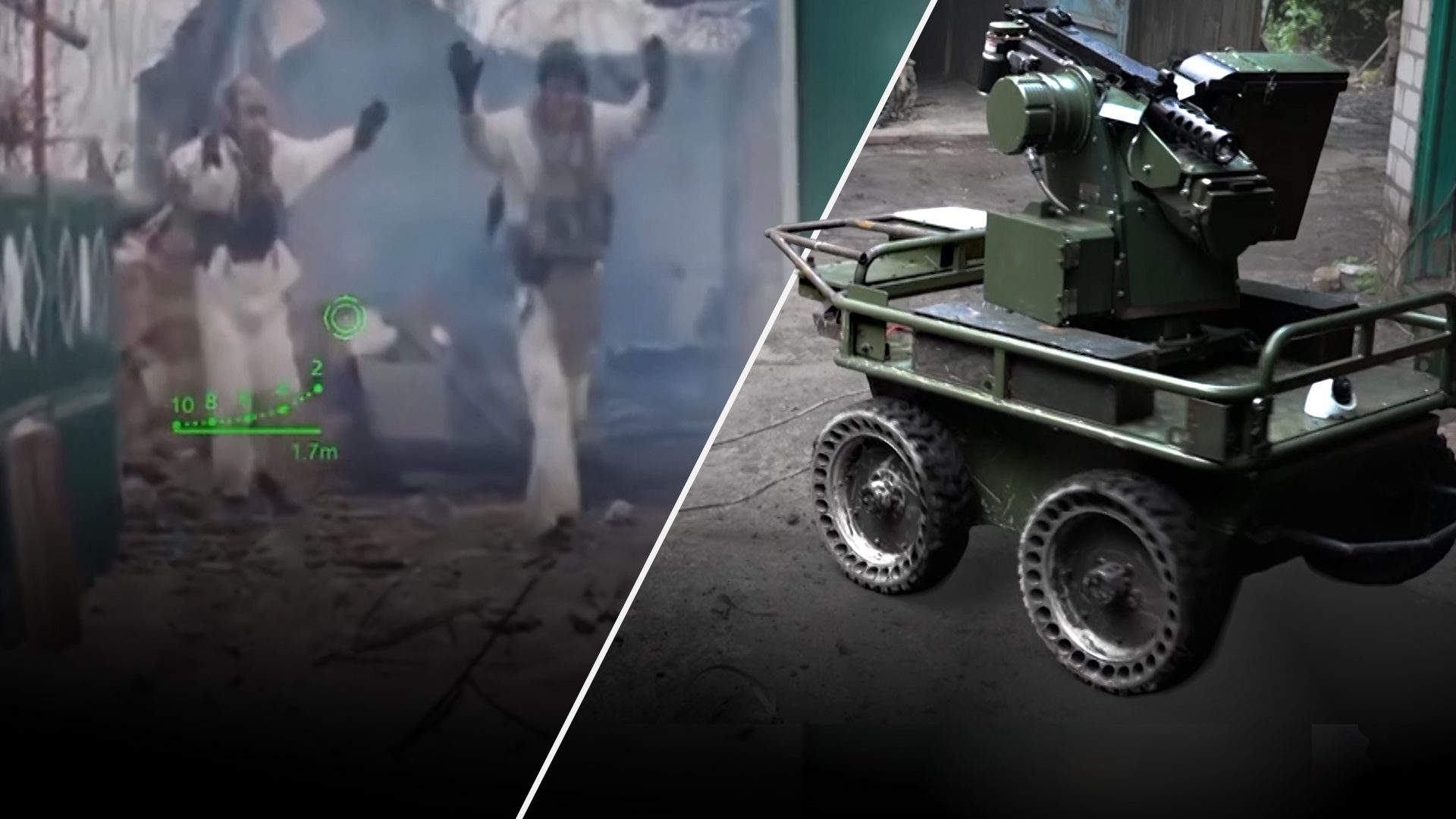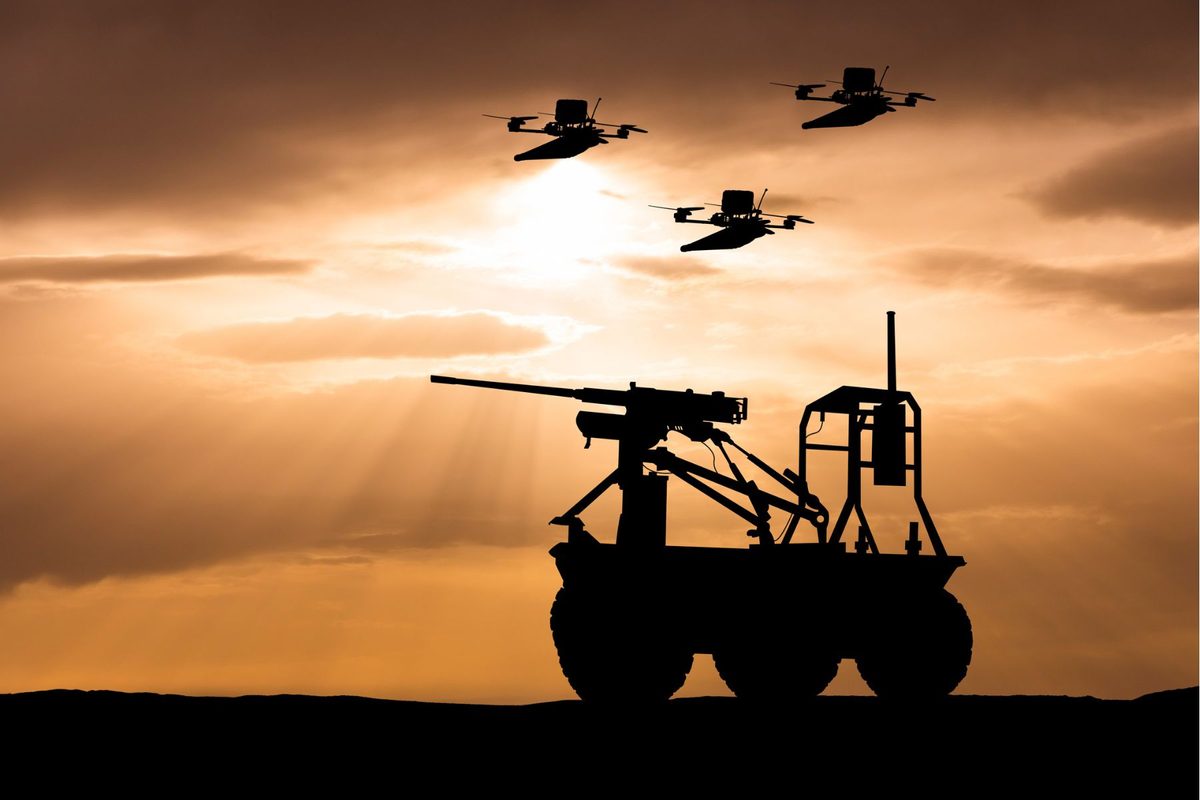
The Russian soldiers never heard the robots that killed them. The five-man infiltration squad had snuck into Ukraine and taken up position in a few small buildings north of Dobropillya, in Donetsk Oblast.
They were behind enemy lines and confident that Ukraine’s forces were unaware of their presence. If the Ukrainians did know they were close by, there would be a counterattack, which would be announced by small-arms fire from nearby troops.
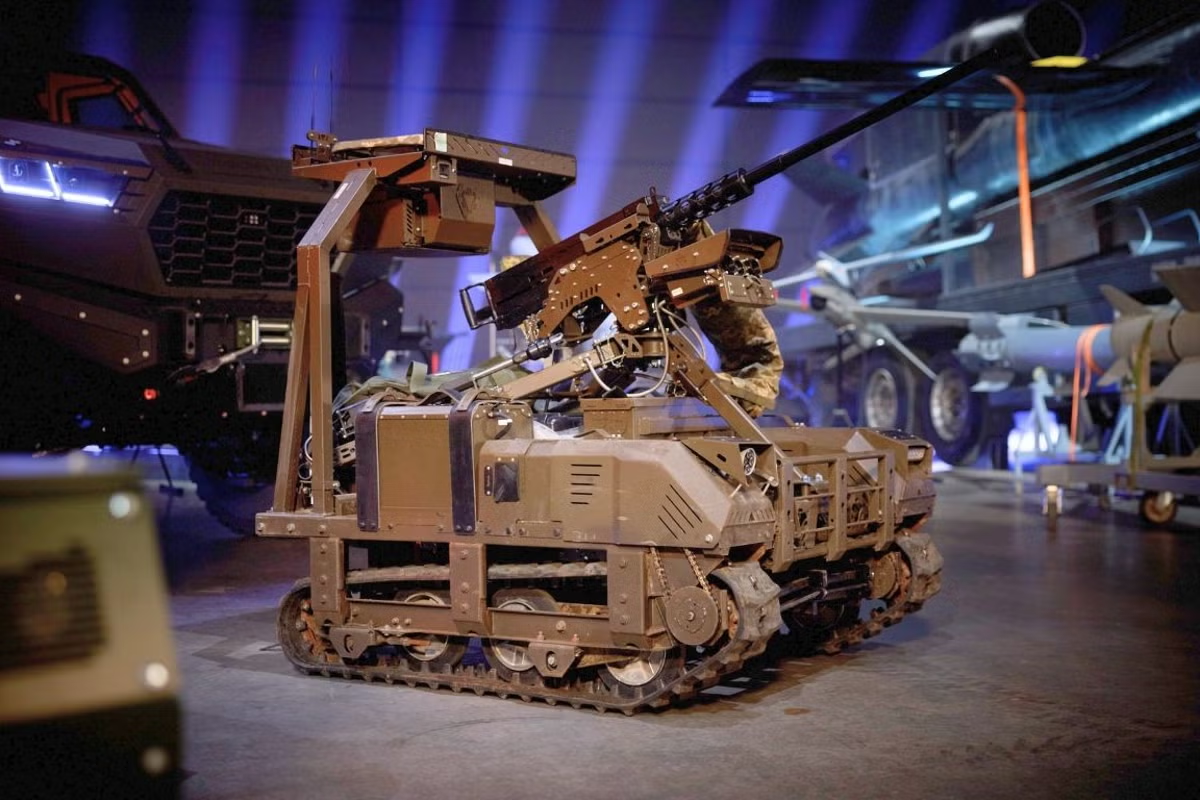
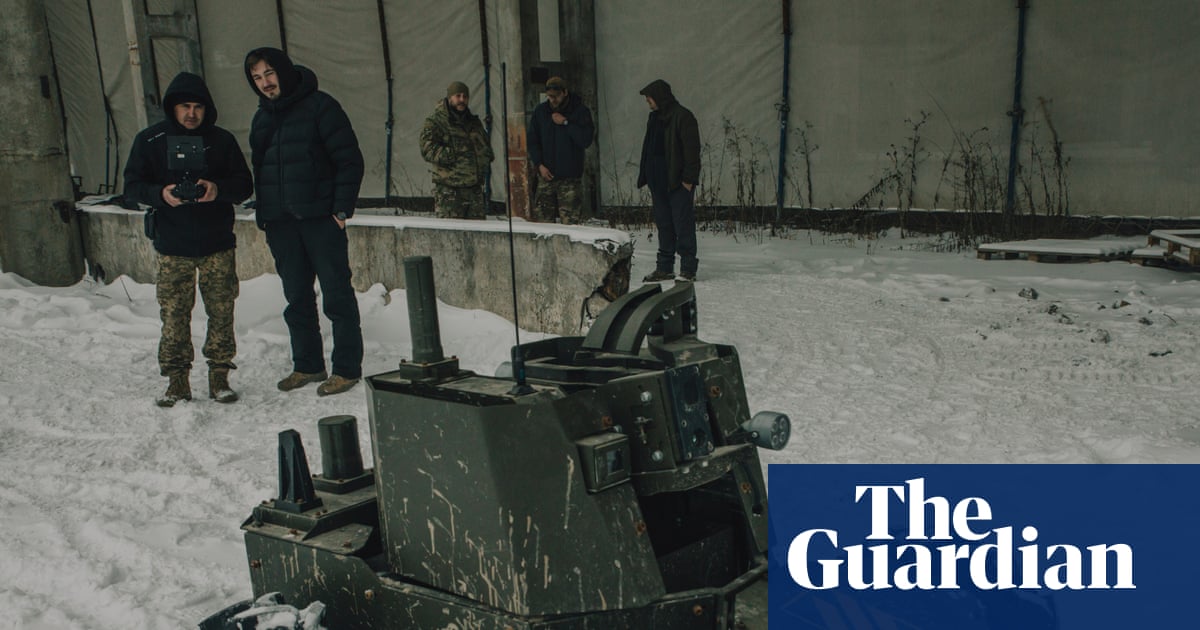
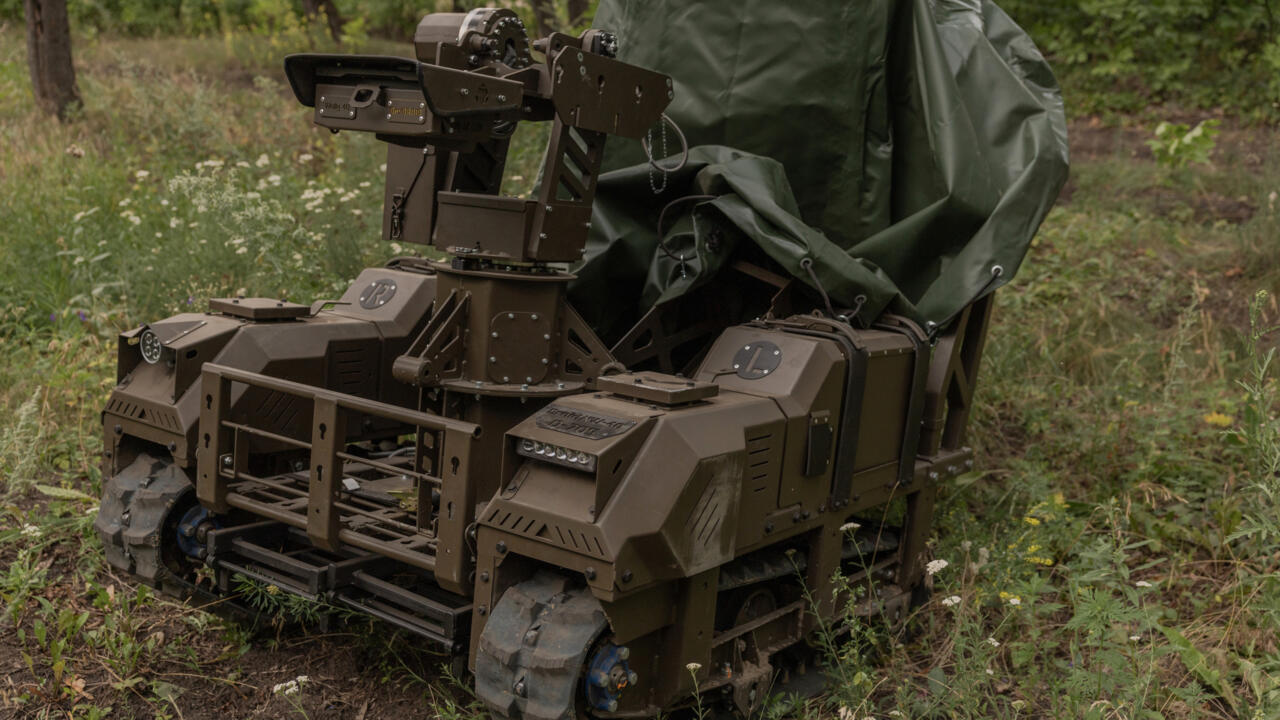
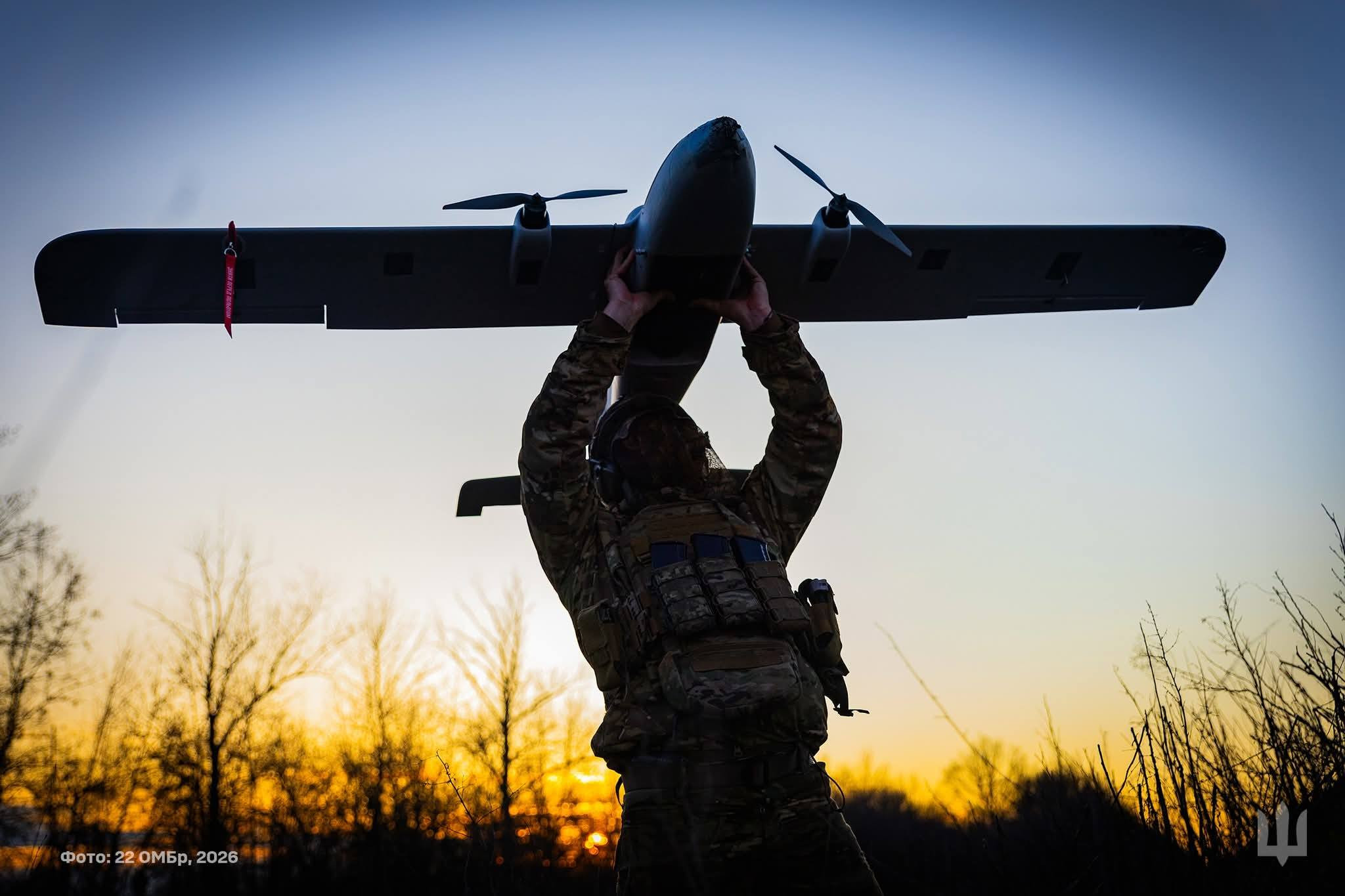
But no troops were needed to neutralise the threat they posed. Instead, the Russians died at the hands of drone operators controlling three unmanned aerial vehicles (UAVs) and two unmanned ground vehicles (UGVs), each armed with a large-calibre machine gun.
Satellite-enabled warfare
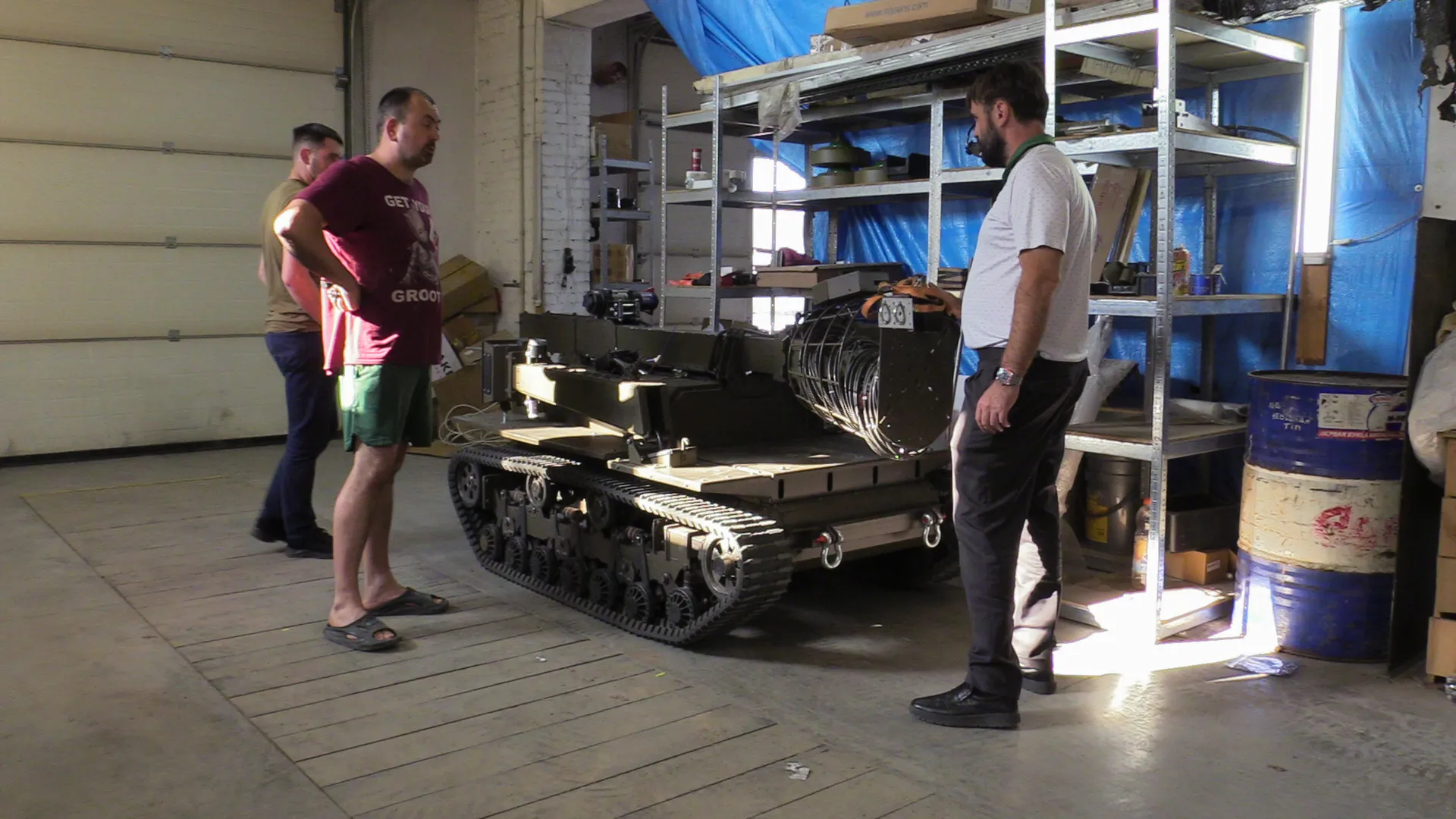
While aerial drone strikes have been commonplace since Russia invaded Ukraine in February 2022, the use of UGVs to hold and retake positions has accelerated in the past six months.